Bogdan Krupin
via
Pexels
Does the type of spinach affect how to choose fresh spinach?
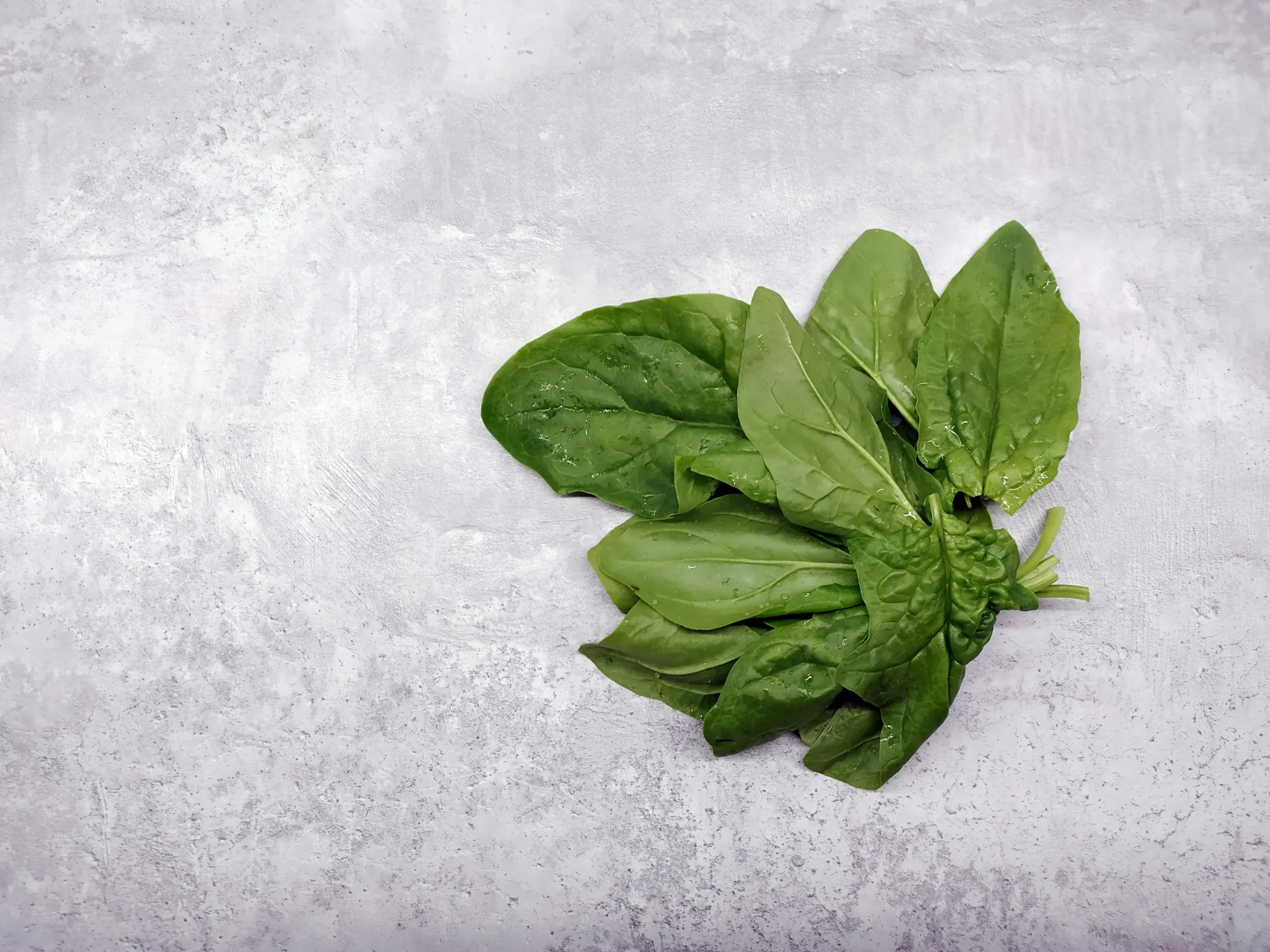
Yes. Baby spinach and mature spinach can serve different roles in cooking. Baby spinach is often more tender and may work well in salads or quick wilted dishes. Mature spinach may have larger leaves and a slightly stronger structure, which can make it useful in cooked dishes where more body is helpful.
Food educators often explain that choosing the type should depend on how the spinach will be used. A softer leaf may be better for a salad, while a sturdier bunch may work better in soups, sautés, or baked dishes. This helps the ingredient fit the meal instead of forcing one style into every recipe.
How does moisture affect spinach quality?
Moisture is one of the biggest challenges with spinach. While the leaves need freshness, too much trapped water can make them spoil faster. If spinach is already wet in the package or bunch, it may not hold up as well in storage and may become slimy sooner than expected.
Fresh ingredient specialists often point out that spinach should look fresh, not soaked. This is one reason many cooks prefer to wash spinach closer to use rather than too early. Controlling excess moisture can protect the leaves and make them last longer.
How should spinach be stored after buying it?
Storage affects how long spinach stays useful. Spinach generally benefits from cool conditions and some protection from excess moisture. The main goal is to help the leaves stay fresh without trapping wetness against them for too long.
Fresh ingredient experts often recommend checking spinach soon after bringing it home. Damaged leaves can be removed early so they do not affect the rest of the bunch or bag. This small step can help preserve the better leaves for later meals.
It also helps to buy an amount that fits likely meal plans. Because spinach is delicate and reduces in volume when cooked, it is easy to misjudge how much is actually needed. A realistic amount can help reduce waste while still giving the cook enough flexibility.
How can cooking with spinach reduce waste?
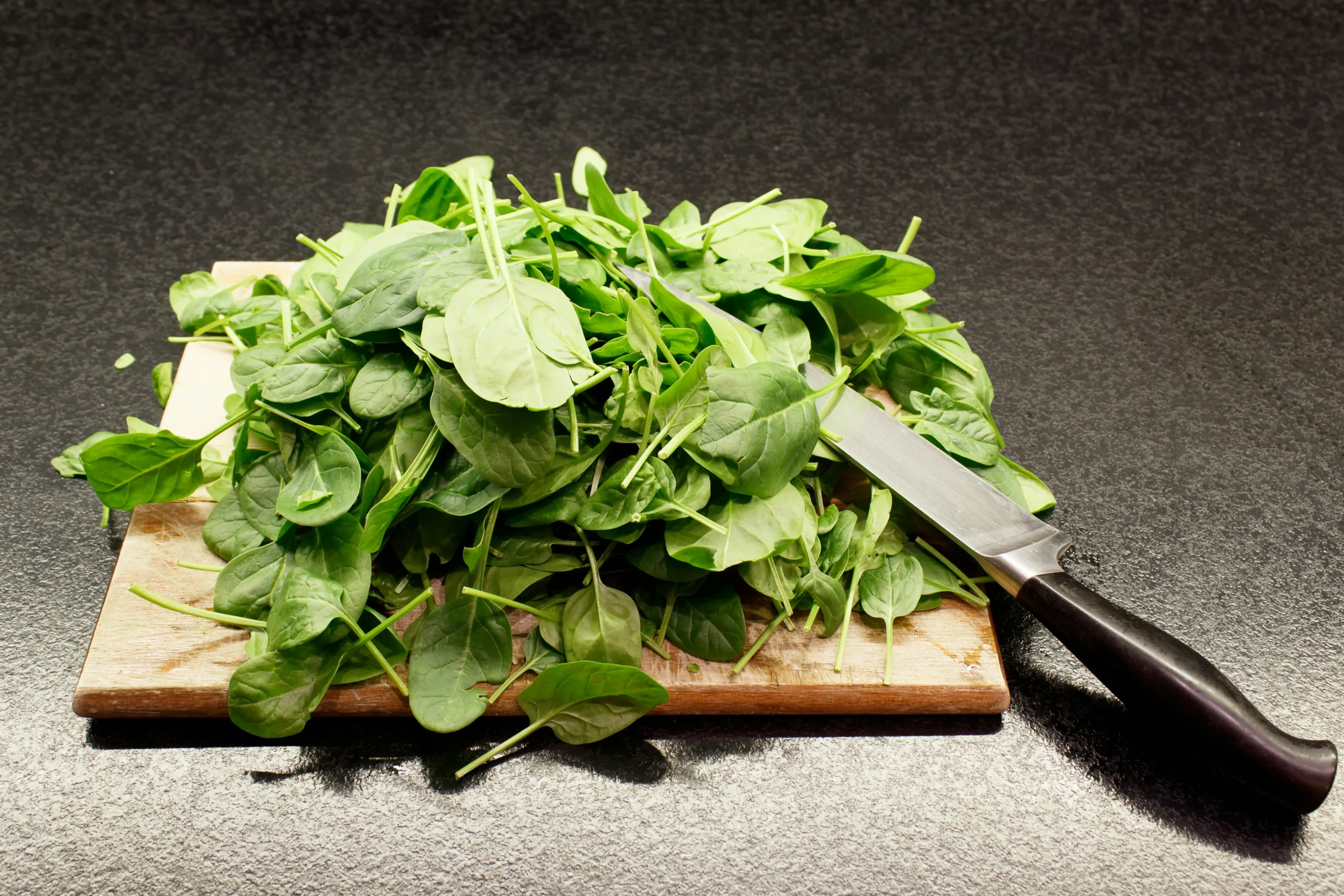
Spinach works well across many kinds of meals, which makes it easier to use fully. A bag or bunch may go into eggs one day, soup the next day, and a grain bowl later in the week. This kind of repeated use helps prevent the leaves from sitting too long without a clear purpose.
Meal planning educators often encourage home cooks to think of spinach as a flexible building ingredient rather than a one-recipe item. Because it fits raw and cooked meals, it can stretch across several uses without much extra planning.
 Credit: Aleksander Dumała/ Pexels
Frequently Asked Questions
Q: What is the easiest sign of fresh spinach?
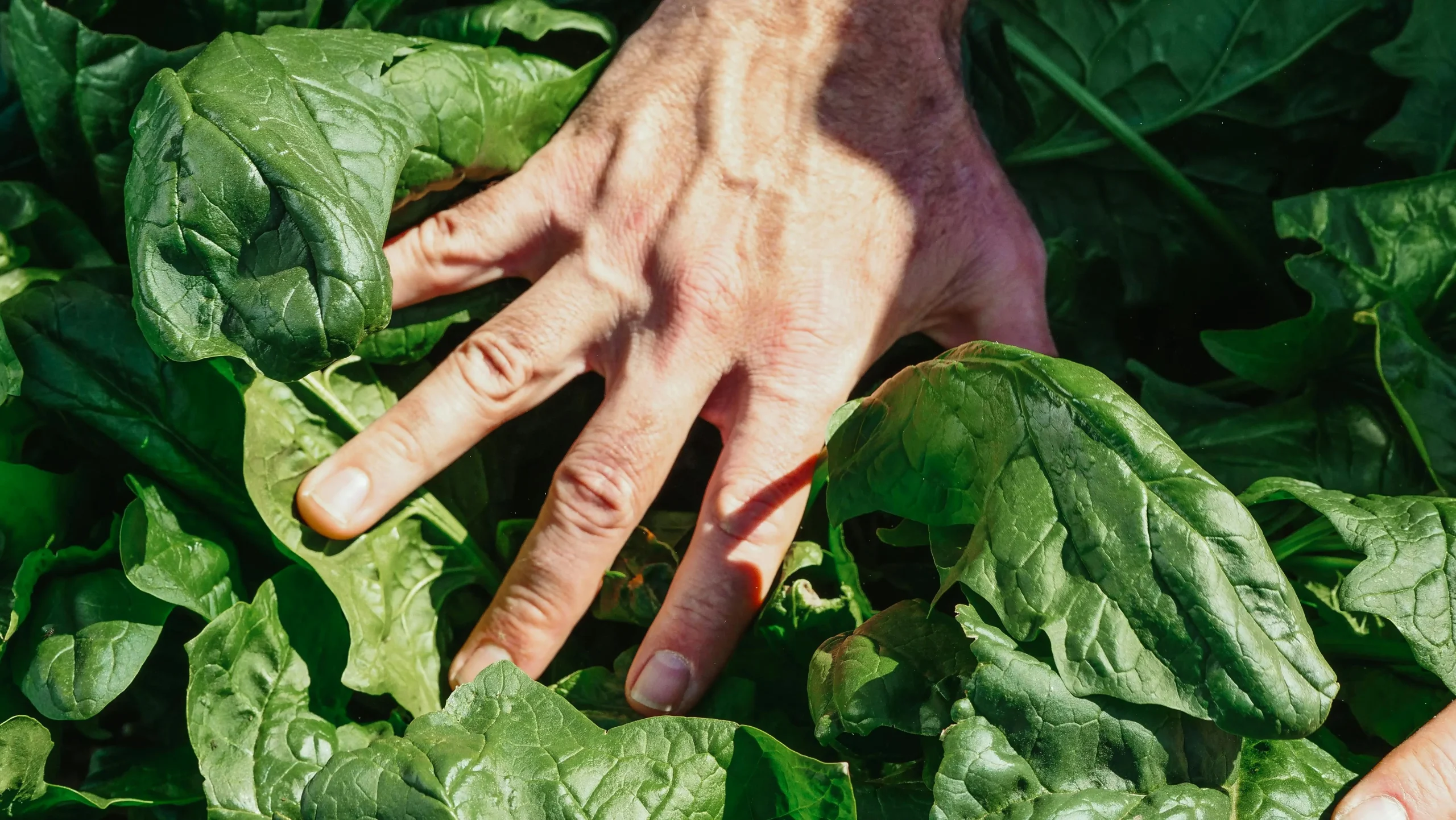
A: Fresh spinach usually looks bright and lively and feels dry rather than slimy. Leaves should not look heavily yellowed or collapsed.
Q: Is wet spinach at the store a problem?
A: It can be. Too much trapped moisture can shorten how long spinach lasts and may cause the leaves to spoil faster.
Q: Is baby spinach always better than mature spinach?
A: Not always. Baby spinach is often more tender, but mature spinach may work better in some cooked dishes where stronger structure is useful.
Q: Can spinach really be used in several meals across the week?
A: Yes. Spinach can work in salads, soups, eggs, grain bowls, pasta dishes, and quick sautés, which makes it easier to use fully.
Key Takeaway
Learning how to choose fresh spinach helps home cooks get better texture, longer use, and cleaner flavor from one of the most flexible leafy greens. Color, dryness, leaf condition, and careful storage all affect how useful spinach will be at home. Because spinach fits both raw and cooked meals, shopping for it with a plan can also reduce waste. For everyday cooking, fresh spinach is often one of the easiest ingredients to use well.
[INTERNAL LINKING SUGGESTIONS]
- How to Choose Fresh Herbs for Better Flavor in Everyday Cooking
- How to Pick Fresh Ginger for Better Flavor in Everyday Cooking
- 7 Egg Toast Meals That Make Quick Dinners Feel More Complete