Pasta sauce mistakes are common because making sauce often looks simpler than it actually is. A few ingredients go into a pan, everything simmers, and it feels like dinner is almost ready. But even a basic sauce can end up thin, sharp, flat, or disconnected if the base is rushed, the texture is off, or the pasta and sauce are treated as separate elements. For home cooks, small mistakes in the sauce can affect the entire meal.
Cooking instructors often explain that good pasta sauce develops flavor in layers. Food educators also emphasize that texture matters just as much as seasoning. A sauce might taste strong on its own, but still feel weak on pasta if it doesn’t coat properly or settle into a balanced consistency.
Why do pasta sauce mistakes happen so often?
Sauce can seem forgiving because it allows adjustments along the way. But that flexibility can lead to overconfidence. A weak start or poorly managed simmer is difficult to fix completely at the end with a single added ingredient. That’s why a sauce that looks fine in the pan can still feel incomplete once it’s served.
Home cooking teachers often say that making pasta sauce is more about attention than complexity. A short list of ingredients can produce great results when handled carefully. Adding more ingredients, on the other hand, doesn’t always fix a weak foundation.
1. Rushing the flavor base is one of the biggest pasta sauce mistakes
Onion, garlic, and other aromatics usually form the first layer of flavor. When they are rushed, the final sauce can taste sharp or thin instead of smooth and well-rounded. This can happen even when the rest of the ingredients are high quality.
Cooking educators often recommend giving the base enough time to soften and develop before adding liquids. That bit of patience can shape the entire flavor of the sauce and make later steps easier.
2. Using too much liquid can weaken the homemade sauce
Adding extra liquid may seem harmless, especially if the sauce looks thick at the start. But too much can leave the final result watery or disconnected from the pasta. A lighter sauce isn’t necessarily a problem, but it should feel intentional rather than diluted.
Food instructors often explain that the body of a sauce matters because it determines how well it clings to the pasta. If the sauce is too loose, it may slide off instead of becoming part of the dish.
3. Pasta sauce mistakes often begin with poor simmer control
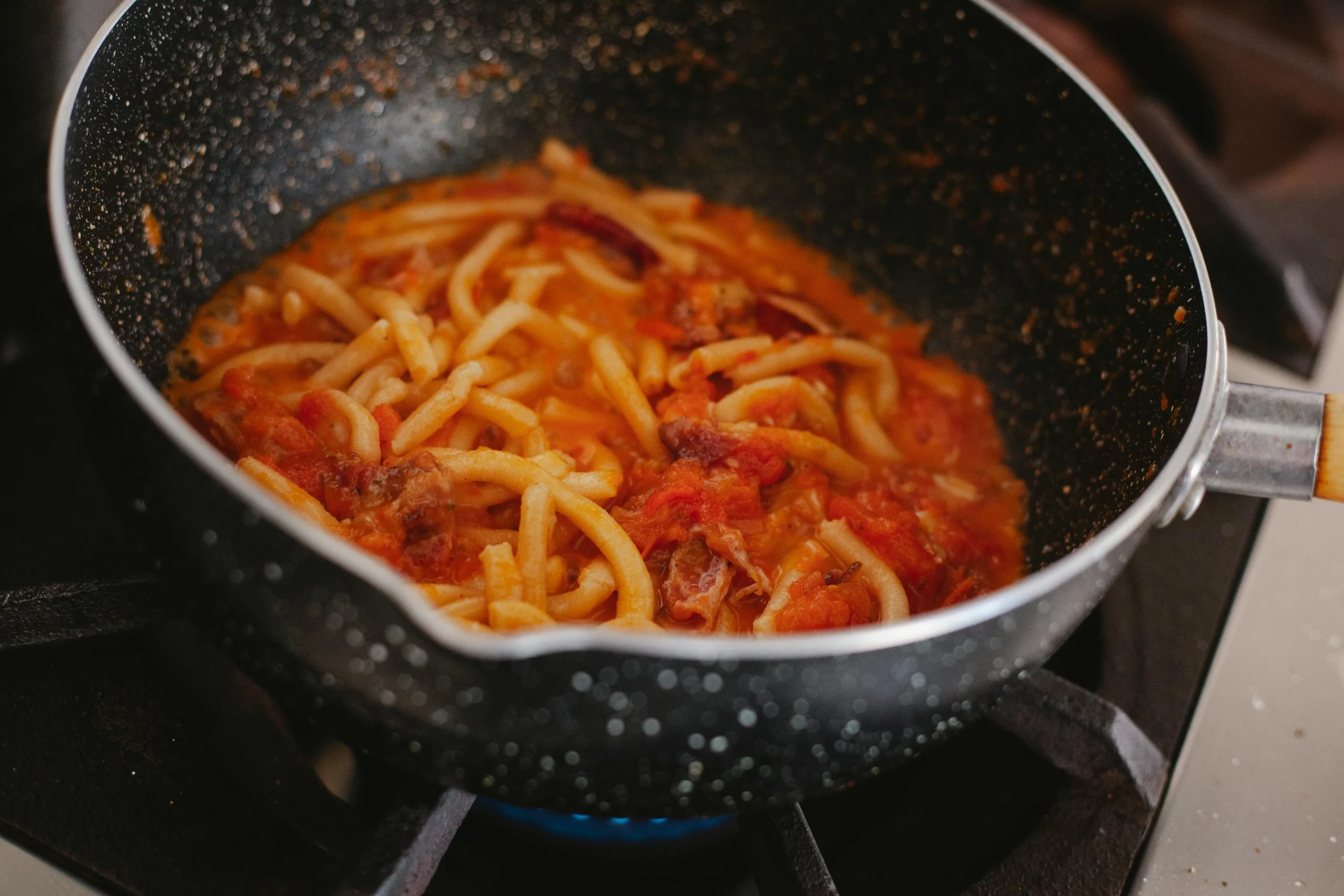
Boiling too hard can cause the sauce to reduce too quickly or cook unevenly, while heat that is too low can leave flavors underdeveloped and separate. Most sauces benefit from a steady simmer that allows flavors to come together without becoming harsh.
 Credit: Antonius Ferret / Pexels
4. Seasoning only at the end can leave the sauce uneven
Seasoning once at the final moment can make it harder to build balance. Sauce changes during cooking as ingredients soften and moisture reduces. If seasoning is delayed too long, the final taste may feel abrupt rather than well-developed.
Food educators often suggest tasting in stages. That approach helps home cooks adjust as the sauce changes instead of trying to rescue everything in the last minute.
5. Ignoring sauce texture is another common pasta sauce mistake
A sauce can taste good and still feel wrong on the pasta. If it is too thin, it may not cling. If it is too heavy, it may overwhelm the dish. Texture shapes the eating experience just as much as flavor.
Cooking instructors often advise watching how the sauce moves across the pan and coats a spoon. Those clues can help a cook decide whether the sauce needs more time, a small adjustment, or the pasta added sooner rather than later.
6. Pouring sauce over pasta instead of finishing together can weaken the meal
Many home cooks keep pasta and sauce separate until serving, but that can leave the dish feeling disconnected. When pasta spends a little time in the sauce, the two elements usually come together more smoothly. The sauce coats better, and the dish feels more unified.
Food writers often explain that this final step is one of the easiest ways to improve simple pasta dinners. It does not require new ingredients, only a better use of timing.
7. Forgetting pasta water is one of the easiest pasta sauce mistakes to fix
A small amount of pasta water can help a sauce loosen without turning watery. It can also help the sauce cling more effectively to the noodles. Skipping it does not always ruin the dish, but it can make the sauce harder to balance well.
Cooking educators often point out that this works because pasta water carries starch. That starch can help connect the sauce and pasta more smoothly, especially in simpler sauces.
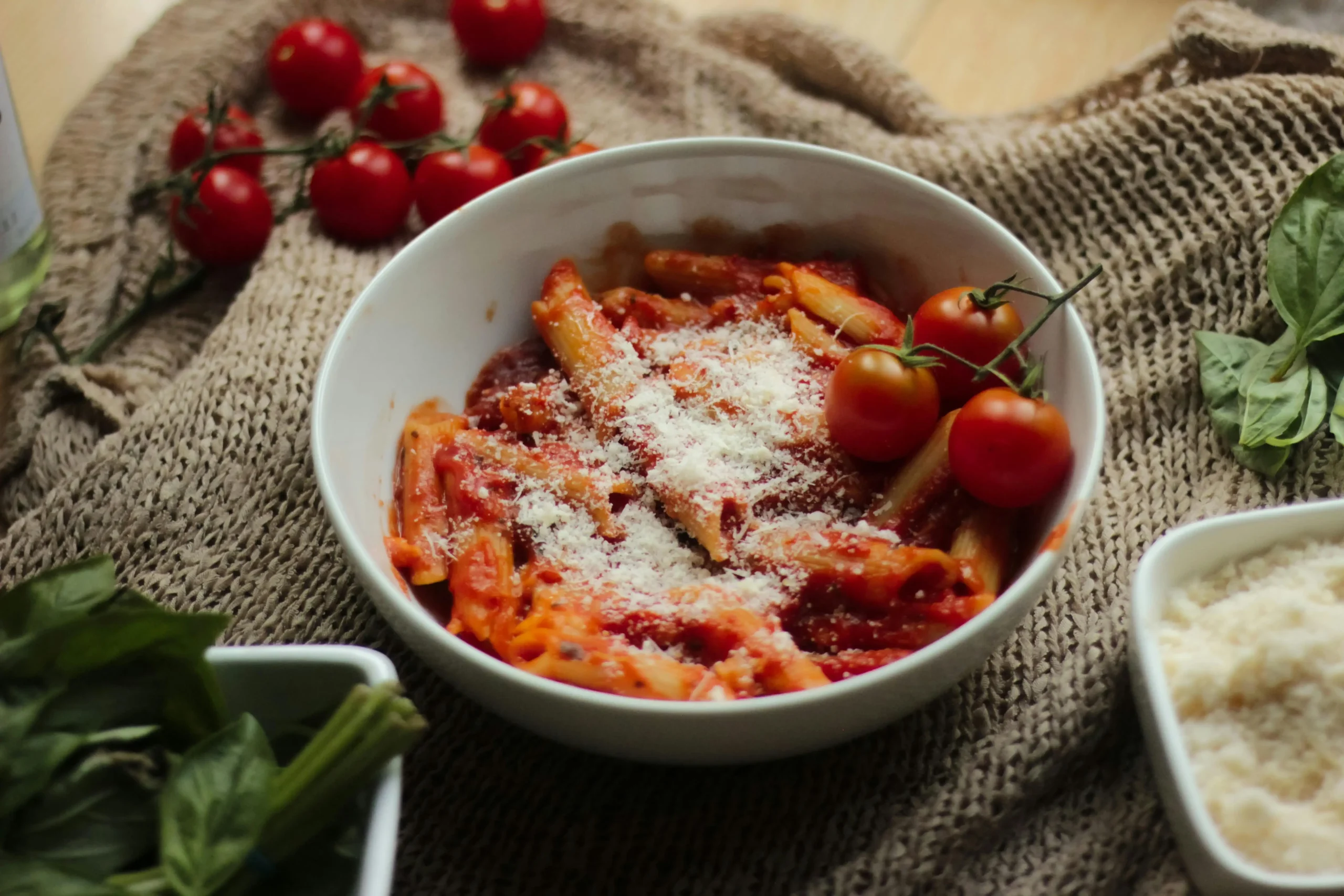
8. Missing a fresh finish can leave the whole bowl dull
Long cooking often softens the bright edges of a sauce. A small finishing touch such as herbs, citrus zest, or cracked pepper can help restore contrast. Without that final lift, the sauce may feel heavier or flatter than intended.
Cooking teachers often explain that finishing is not decoration. It is part of balance. A little freshness at the end can help the whole bowl feel more complete.
 Credit: nikki awal / Pexels
How can home cooks avoid pasta sauce mistakes more easily?
The most practical method is to build the base patiently, simmer with control, season gradually, save some pasta water, and finish the pasta in the sauce. These habits do not make dinner more difficult. They simply make the sauce more reliable and more connected to the final meal.
Food educators often remind cooks that better sauce comes from steady attention rather than complicated technique. A simple bowl of pasta often improves most through small choices made at the right times.
Frequently Asked Questions
Q: Why does pasta sauce sometimes taste flat?
A: Flat sauce often comes from a rushed flavor base, weak simmer, or missing final freshness. Texture problems can also make a sauce seem less flavorful than it really is.
Q: Is it better to mix pasta into the sauce?
A: In many cases, yes. Finishing pasta in the sauce often helps the dish feel more connected and improves how the sauce coats the noodles.
Q: Why is pasta water useful in sauce?
A: Pasta water can help adjust texture and improve how the sauce clings. Its starch helps the sauce and pasta come together more smoothly.
Q: Does every pasta sauce need a long simmer?
A: Not always. But many sauces benefit from enough time for the ingredients to settle and balance before serving.
Key Takeaway
Pasta sauce mistakes often come from rushing the base, misjudging the liquid, ignoring texture, or keeping the sauce separate from the pasta until the very end. Better results usually come from steady simmering, gradual seasoning, and finishing the dish as one connected meal. Fresh final touches can also make a simple sauce feel more balanced. For home cooks, a few careful habits can improve pasta dinner right away.
[INTERNAL LINKING SUGGESTIONS]
- 8 Cooking Tips That Can Help Pasta Sauce Taste More Balanced
- How to Boil Pasta the Right Way for Better Texture
- How to Choose Fresh Garlic for Better Flavor in Everyday Cooking