Learning how to choose fresh mushrooms can improve many everyday meals because mushrooms work in pasta dishes, soups, grain bowls, egg meals, stir-ins, and simple side plates. They cook quickly, bring deeper flavor, and can help lighter meals feel more complete without needing many extra ingredients. When mushrooms are fresh, they usually hold better texture in the pan and give a cleaner final result.
Fresh ingredient educators often explain that mushrooms are one of the easiest ingredients to misjudge because they can look acceptable at first while already losing quality. A good mushroom can make a simple dinner feel much stronger, while a weak one may turn wet, soft, or less flavorful than expected. For home cooks, better shopping choices often make cooking mushrooms much easier from the start.
Why does how to choose fresh mushrooms matter so much?
Mushrooms are often used in dishes where their texture matters as much as their flavor. They may need to brown in a pan, hold shape in a soup, or stay distinct in a bowl or pasta dish. If the mushrooms are already too damp, damaged, or tired, they may not cook as evenly or as clearly as the meal needs.
Cooking instructors often note that mushrooms can either strengthen a dish quietly or weaken it quickly depending on their condition. This is one reason choosing them carefully at the store often matters more than home cooks first realize.
What should home cooks look for when learning how to choose fresh mushrooms?
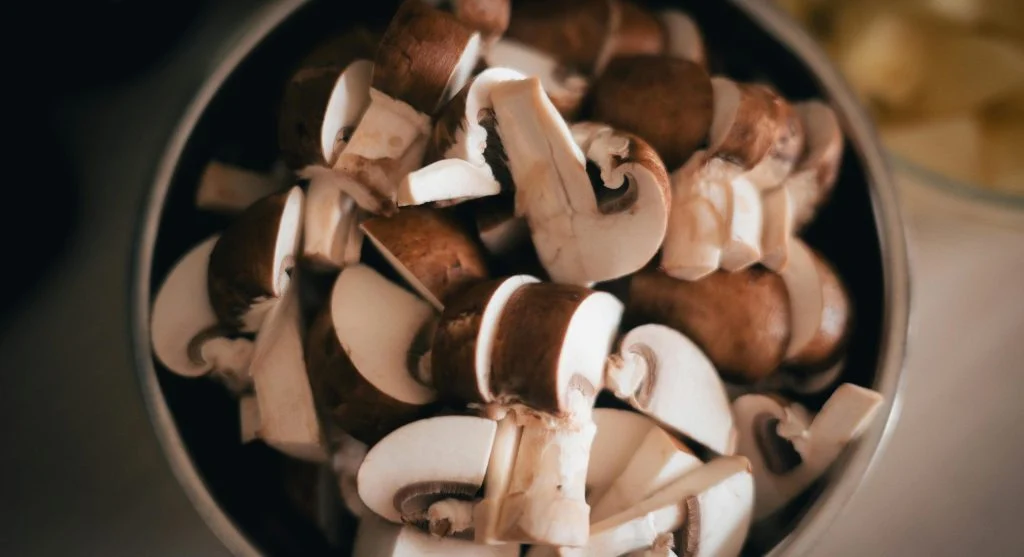
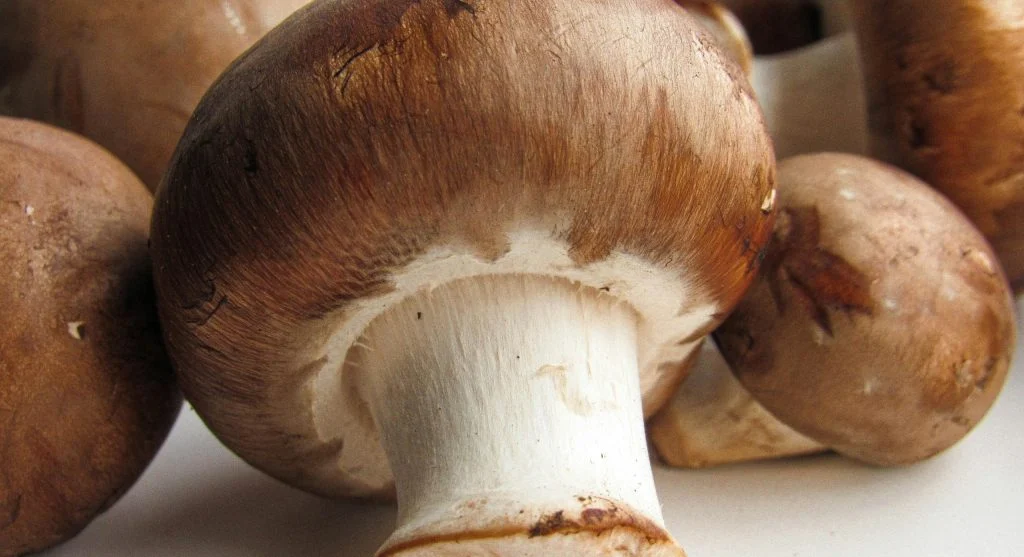
Surface condition is one of the easiest first signs. Fresh mushrooms usually look smooth enough for their type and not slimy, badly bruised, or heavily wrinkled. A little natural variation can be normal, but the mushrooms should still look dry enough and well kept overall.
Firmness matters too. Fresh mushrooms usually feel reasonably firm rather than spongy or collapsed. If they feel overly soft, wet, or tired, they may already be moving past their best stage. Fresh ingredient specialists often recommend choosing mushrooms that still feel solid enough to cook with confidence.
The caps should also look healthy and intact for their type. If many caps are cracked, darkened, or badly damaged, the mushrooms may not hold up as well in simple meals. This matters especially in dishes where mushrooms stay visible on the plate.
How does moisture affect how to choose fresh mushrooms?
Moisture is one of the biggest clues because mushrooms are very sensitive to it. Fresh mushrooms should not feel slimy or heavily wet. Too much moisture can shorten their useful life and also make them harder to brown well when cooking. Instead of taking on color and flavor in the pan, they may release too much liquid and soften too quickly.
Food educators often explain that mushrooms should feel fresh, not damp in a troubling way. This is why packaging and storage matter so much. A mushroom that is already carrying too much trapped moisture may be less useful for many everyday dishes.
Does mushroom size affect how to choose fresh mushrooms?
Size can matter depending on the dish, but freshness usually matters more than size alone. Smaller mushrooms may work especially well in quick sautés or bowls, while larger mushrooms can still be useful when sliced or roasted. The best choice often depends on the meal and whether the mushrooms need to stay more visible or blend into the dish more quietly.
Cooking teachers often remind home cooks to shop with the final meal in mind. Mushrooms for soup may not be chosen the same way as mushrooms for pan browning or a grain bowl topping. Thinking about the final use makes shopping easier and often reduces waste later.
What do the stems and undersides reveal?
The stems can offer clues about overall freshness. Mushrooms that still look tidy and reasonably firm at the stem often suggest better condition. The undersides should not look overly wet or badly damaged. This is not about finding perfect mushrooms, but about choosing ones that still seem ready for useful everyday cooking.
Fresh ingredient specialists often explain that mushrooms should be checked as whole ingredients, not only by cap color alone. Small details in the stem and underside often support the larger picture of freshness.
How should mushrooms be stored after buying them?
Storage affects mushrooms quickly because they can trap moisture and lose texture faster than many sturdier vegetables. Fresh ingredient experts often recommend checking them soon after bringing them home so any damaged or overly damp mushrooms can be noticed early. Better storage usually helps protect both their texture and how well they will cook later.
It also helps to buy mushrooms with a rough plan in mind. Since they work in so many meals, that plan can stay simple. One batch may support pasta one day, eggs the next, and a grain bowl or side dish later. This kind of planning helps reduce waste and improves the chance of using the mushrooms at their best.
Many home cooks also avoid washing mushrooms too early unless they plan to cook them right away. Extra moisture too soon can make mushrooms harder to keep in their best condition.
How can cooking with mushrooms reduce waste?
Mushrooms are especially practical because they can move across many different meal styles with very little adjustment. They can be sautéed for toast or eggs, stirred into pasta, folded into soup, added to bowls, or served as a simple side. This flexibility makes it easier to use them fully instead of buying them for one single dish.
Meal planning educators often recommend ingredients that can fit both quick dinners and lighter lunches. Mushrooms are a strong example because they bring enough flavor to matter while still fitting easily with vegetables, grains, and eggs.
When should mushrooms be added during cooking?
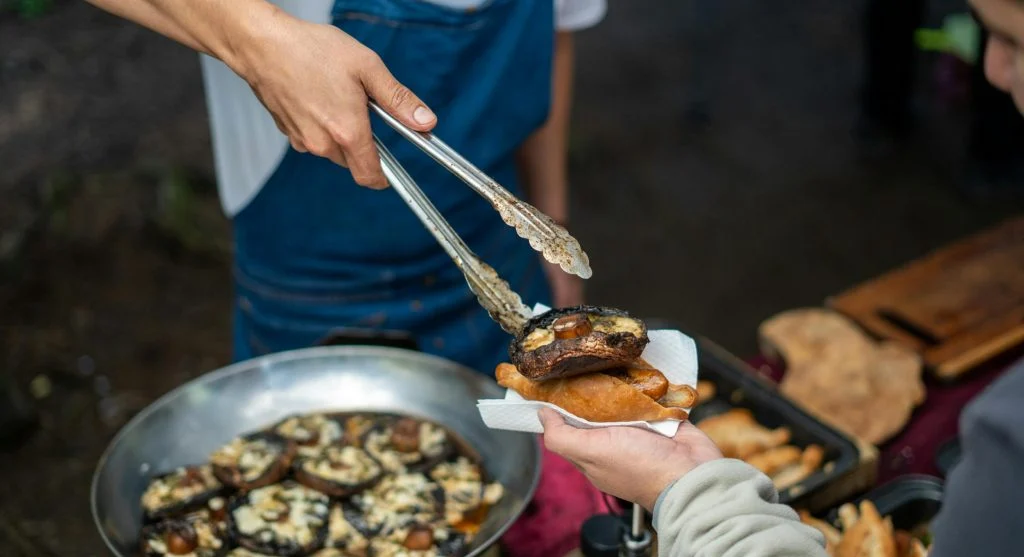
Timing depends on the dish, but mushrooms often need enough heat and space to cook clearly rather than simply steam. This is one reason fresh mushrooms matter so much. They are easier to brown, easier to keep distinct, and easier to use across more than one kind of meal when their starting condition is stronger.
Cooking instructors often explain that better mushrooms give home cooks more control. A fresher mushroom is easier to sauté, roast, or fold into dishes without losing all of its texture too quickly.
How to choose fresh mushrooms without overbuying
The most practical shopping habit is to match mushrooms to two or three likely meals before buying them. A cook may plan them for pasta, eggs, and a grain bowl, for example. This helps make sure the mushrooms are used while still fresh and useful rather than sitting too long and losing their best texture.
Fresh ingredients are easiest to manage when they are tied to real kitchen habits. A smaller amount of good mushrooms often serves the meal plan better than buying extra and watching them turn damp before they can be used well.
Frequently Asked Questions
Q: What is the easiest sign of fresh mushrooms?
A: Fresh mushrooms usually feel reasonably firm and look dry enough, smooth, and intact rather than slimy, overly soft, or badly damaged.
Q: Do wet mushrooms matter when shopping?
A: Yes. Too much moisture can be a warning sign because it often makes mushrooms harder to store well and harder to brown properly in cooking.
Q: Is mushroom size the most important thing?
A: No. Size can matter depending on the meal, but freshness usually matters more than size alone when choosing mushrooms.
Q: Can mushrooms work in more than one kind of meal?
A: Yes. Mushrooms can be used in pasta dishes, soups, bowls, egg meals, side dishes, and many other everyday meals, which makes them very practical across the week.
Key Takeaway
Learning how to choose fresh mushrooms helps home cooks get better texture, cleaner flavor, and more value from one of the most useful everyday ingredients. Firmness, surface condition, moisture, and smart storage all affect how well mushrooms perform in simple meals. Because mushrooms work across so many dishes, selecting them well can reduce waste and improve everyday cooking. For weeknight meals, good mushrooms can make a very noticeable difference.