Learning how to choose fresh bell peppers can improve many everyday meals because bell peppers work in pasta dishes, grain bowls, egg meals, soups, salads, wraps, and simple side dishes. They bring color, a clean vegetable flavor, and a useful texture that can stay crisp or soften depending on the dish. When bell peppers are fresh, they usually cut more cleanly, cook more evenly, and make simple meals feel brighter and more balanced.
Fresh ingredient educators often explain that bell peppers are one of the easiest vegetables to judge quickly once home cooks know what to look for. A strong pepper can lift a meal with very little extra work, while a tired one may feel soft, watery, or less appealing in both raw and cooked dishes. For everyday cooking, choosing better peppers at the store can make a noticeable difference later at home.
Why does how to choose fresh bell peppers matter so much?
Bell peppers are often used in meals where both texture and appearance matter. In salads and bowls, they may need to stay crisp and fresh. In skillets and soups, they still need to soften in a useful way without turning weak too quickly. If the peppers are already past their best stage, the final dish may lose some of the balance the cook wanted from the start.
Cooking instructors often note that peppers are especially helpful because they can support both fresh and warm dishes. That flexibility makes quality important. A better pepper is easier to use across more meals, which makes shopping choices more valuable than many people first expect.
What should home cooks look for when learning how to choose fresh bell peppers?
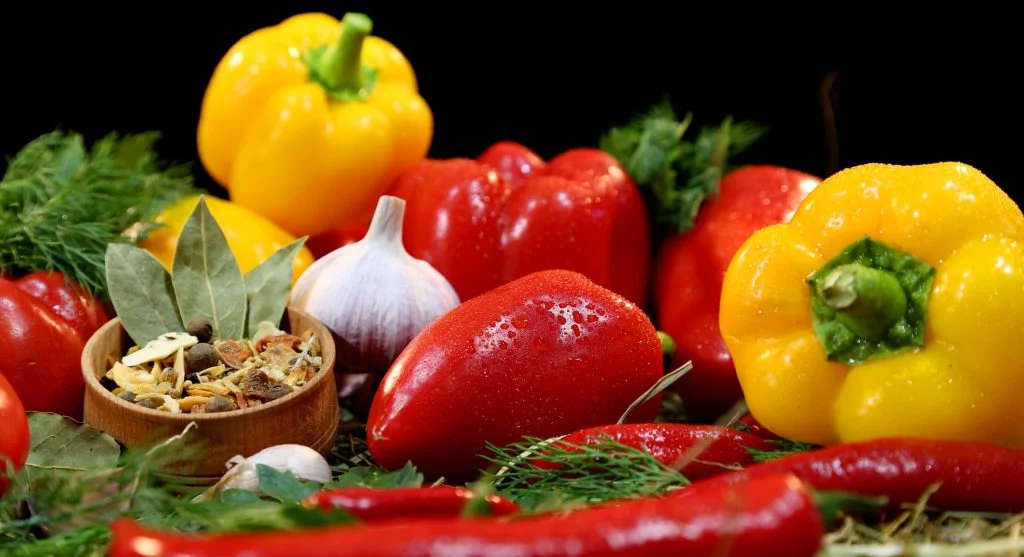
Skin condition is one of the easiest first signs. Fresh bell peppers usually look smooth, reasonably firm, and lively in color rather than wrinkled, collapsed, or dull. Small marks may happen naturally, but the overall pepper should still look healthy and well kept.
Firmness matters too. A fresh pepper usually feels solid and full rather than soft or partly sunken. If the sides press in too easily or the pepper feels unusually light for its size, it may already be losing moisture. Fresh ingredient specialists often recommend choosing peppers that feel substantial in the hand because that often points to better texture later in the kitchen.
The stem can also offer clues. A fresher-looking stem often supports the idea that the pepper is still in strong condition. It does not need to look perfect, but it should not seem badly dried out or damaged.

Does color affect how to choose fresh bell peppers?
Color can help, but freshness matters more than choosing one color over another. Bell peppers come in different colors because they are at different stages or varieties, and each can work well in cooking. What matters most is that the color looks strong and healthy for that pepper rather than faded or tired.
Food educators often explain that the best pepper choice depends on the meal as well as personal preference. A salad may suit one color, while a skillet dish may suit another. But no matter the color, the pepper should still look lively and firm.
How does moisture affect bell pepper quality?
Bell peppers hold moisture well when they are fresh, and that is part of what makes them crisp. But once they begin losing too much moisture, the walls may wrinkle and the pepper may become less useful in both raw and cooked meals. This is why the surface and firmness tell home cooks so much before the pepper is ever cut open.
Fresh ingredient specialists often remind cooks that peppers are valued partly for their structure. A pepper that has already lost too much moisture may still be usable, but it often will not give the same fresh texture in salads, bowls, or quick vegetable dishes.
How should bell peppers be stored after buying them?
Storage affects how long peppers stay useful. Better storage often helps them keep their texture and makes them easier to use across several meals during the week. Fresh ingredient experts often recommend checking them after bringing them home so any early soft spots or damage can be noticed before the pepper declines further.
It also helps to buy peppers with a rough meal plan in mind. Since bell peppers work in so many dishes, that plan can stay simple. One batch might support eggs, a grain bowl, and a pasta or skillet dinner over a few days. This kind of planning often reduces waste and helps the peppers get used while still at strong quality.
Once peppers are cut, they may lose some of their best texture faster than when they are whole. That is why many home cooks prefer to slice them closer to cooking or serving time when possible, especially if crispness matters in the final meal.
How can cooking with bell peppers reduce waste?
Bell peppers are especially practical because they move so easily across different meal styles. They can be used raw in salads and bowls, cooked into soups and skillets, or added to wraps, egg dishes, and pasta meals. This flexibility makes it easier to buy them with confidence and use them fully instead of reserving them for only one recipe.
Meal planning educators often recommend ingredients that can cross between raw and cooked use because they stretch more naturally across a week of home cooking. Bell peppers are a strong example because they keep a clear role in both lighter and warmer meals.
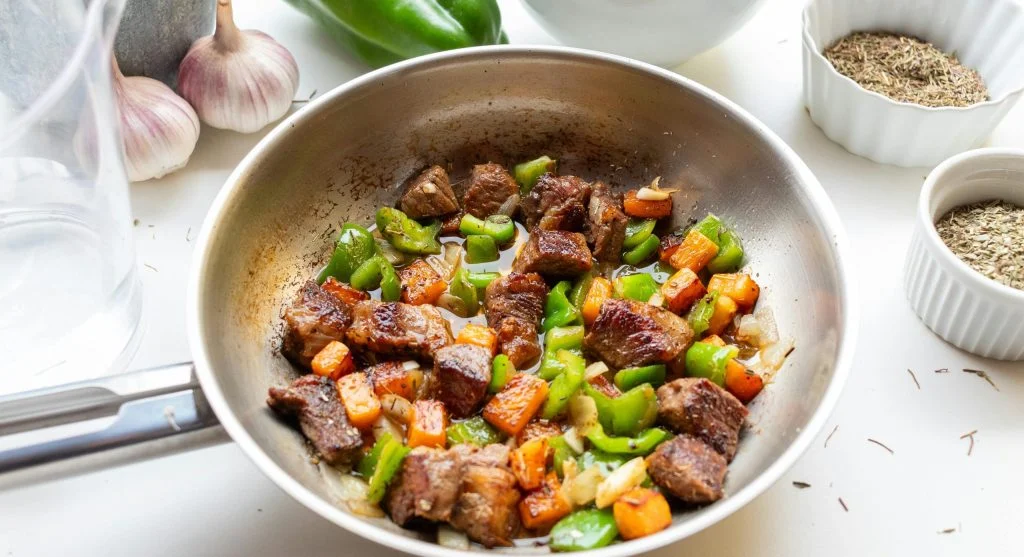
When should bell peppers be added during cooking?
Timing depends on the dish and the role the pepper needs to play. In some meals, peppers are added early so they soften more and blend into the dish. In others, they are added later to keep more of their shape and bite. A fresher pepper gives the home cook more control either way.
Cooking teachers often explain that bell peppers are useful because they can support many textures. A strong pepper can stay crisp in a salad, soften into a soup, or hold enough shape in a skillet, which is one reason quality matters so much at the beginning.
How to choose fresh bell peppers without overbuying
The most practical shopping habit is to connect peppers to two or three likely meals before buying them. A cook may plan them for eggs, a grain bowl, and a skillet dinner, for example. This helps the peppers get used while still firm and useful rather than sitting too long and losing their best texture.
Fresh ingredients are easiest to manage when they are tied to real kitchen use. A smaller amount of good bell peppers often serves the meal plan better than buying extra and watching them soften before they are needed.
Frequently Asked Questions
Q: What is the easiest sign of a fresh bell pepper?
A: A fresh bell pepper usually feels firm, looks smooth, and has healthy color for its type. It should not feel soft, wrinkled, or partly collapsed.
Q: Does bell pepper color tell whether it is fresh?
A: Color can help, but freshness matters more than color alone. The pepper should look lively and strong for its type rather than faded or tired.
Q: Can soft spots matter when shopping for peppers?
A: Yes. Soft spots can suggest the pepper is losing quality and may not hold the same texture in cooking or fresh meals.
Q: Can bell peppers work in both raw and cooked meals?
A: Yes. Bell peppers are especially useful because they work well in salads, bowls, soups, egg dishes, pasta, wraps, and many other everyday meals.
Key Takeaway
Learning how to choose fresh bell peppers helps home cooks get better texture, cleaner flavor, and more value from one of the most practical everyday vegetables. Firmness, skin condition, moisture, and smart storage all affect how well peppers perform in simple meals. Because bell peppers work across so many raw and cooked dishes, selecting them well can reduce waste and improve daily cooking. For everyday meals, a good pepper often does much more work than people expect.