Many food facts about onions are easy to miss because onions are used so often that they can seem almost invisible in everyday cooking. They appear in soups, sauces, rice dishes, pasta, stir-fries, roasted trays, and simple skillets. Because onions are so familiar, many home cooks rely on habit rather than understanding how onions change with heat, moisture, and storage. Small details can shape their flavor far more than many people expect.
Food educators often explain that onions are one of the most important foundation ingredients in home kitchens. They can taste sharp, sweet, mild, soft, or deeply savory depending on how they are cut and cooked. For home cooks, understanding a few clear onion facts can make many meals easier to control from the very first step.
1. Not all onions behave the same way in cooking
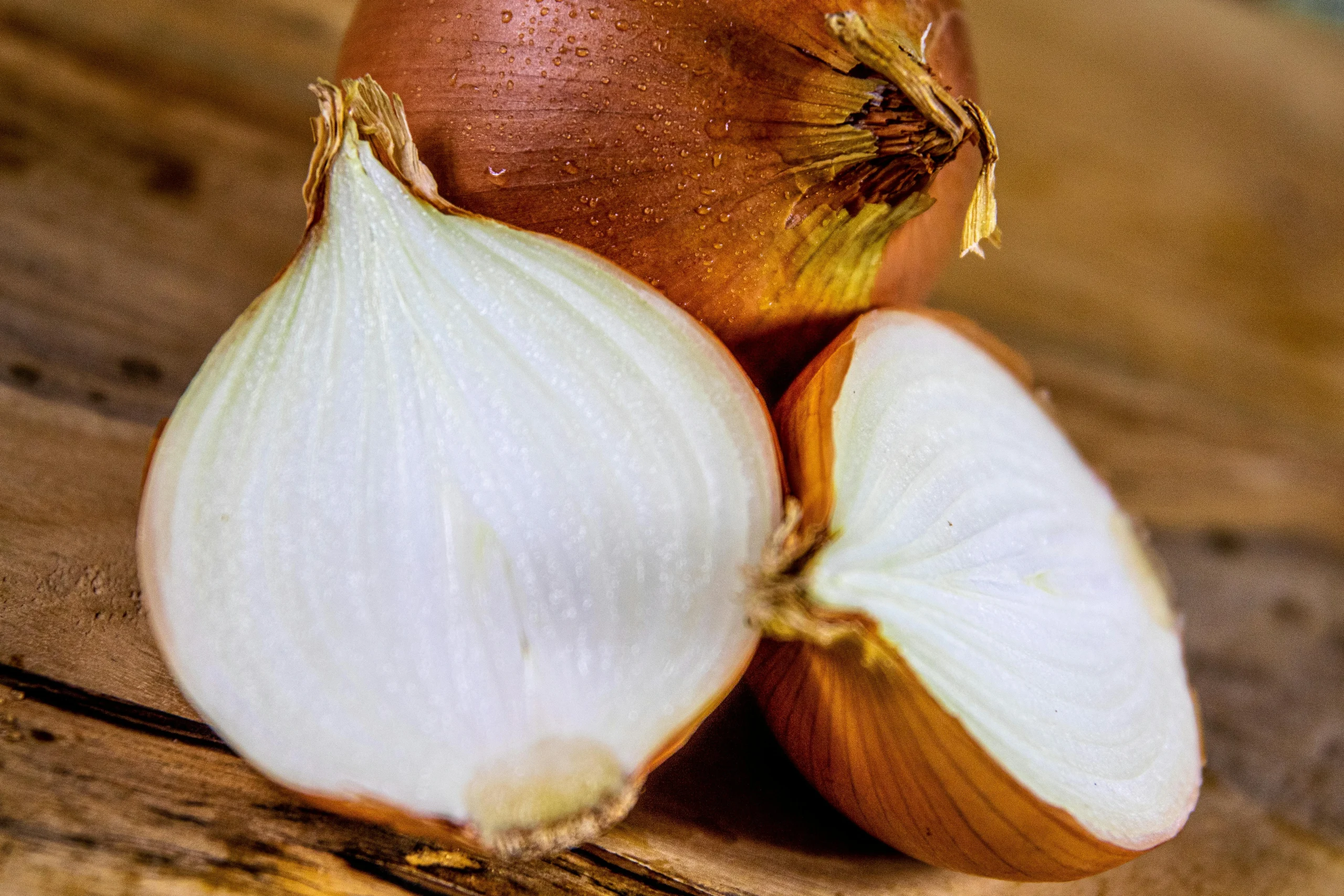
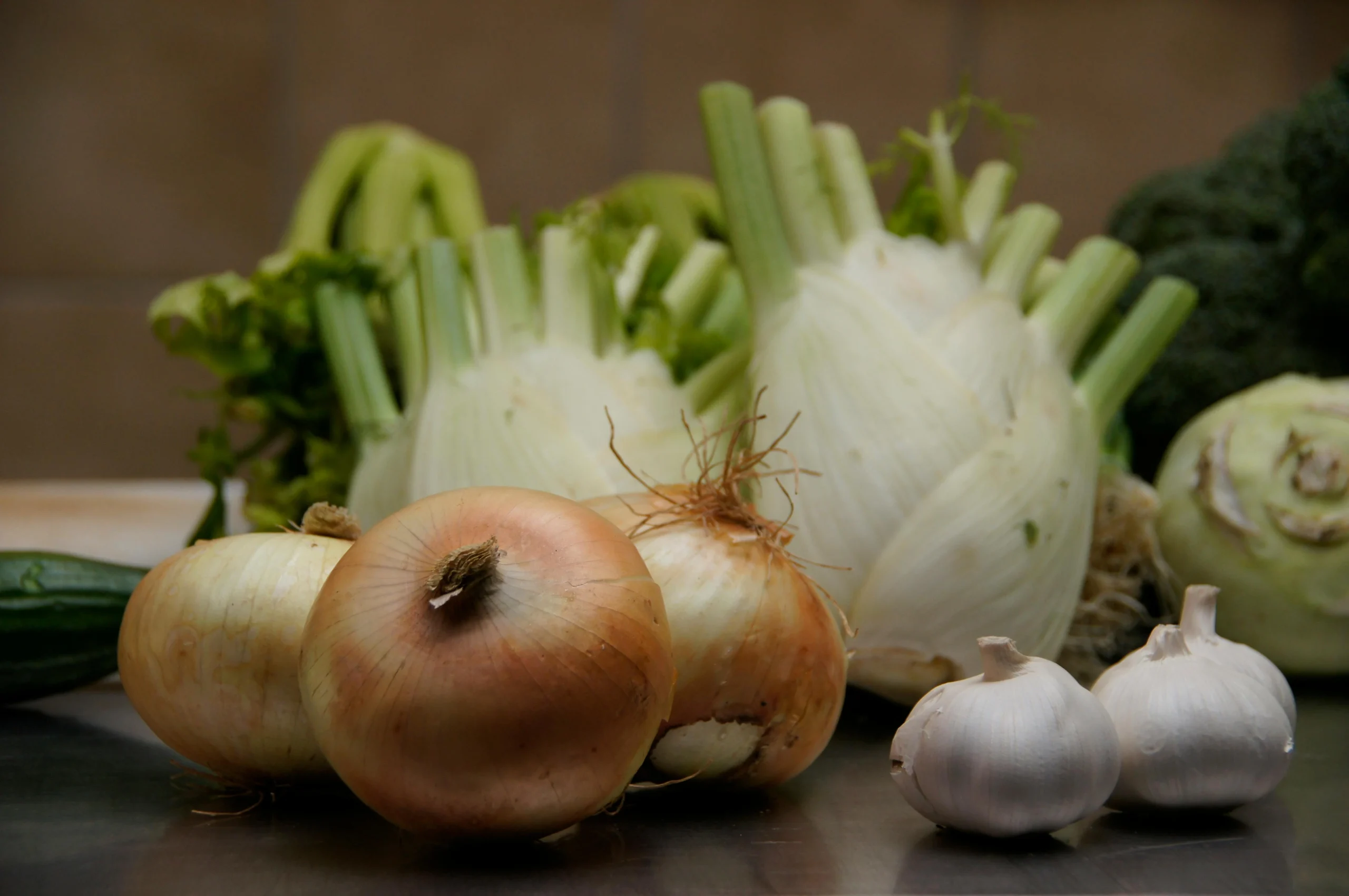
One of the most useful food facts about onions is that different onions can bring different strengths to a dish. Some are milder and easier to use raw, while others are more often chosen for cooking because they soften and sweeten well. This does not mean one onion is always better than another. It means the choice should fit the meal.
Cooking instructors often remind home cooks that onions should be chosen by purpose rather than habit alone. An onion that works well in a salad may not create the same effect in a slow-cooked soup, and an onion used for a long sauté may not be the first choice for a quick raw topping.
2. Onions taste sweeter the longer they cook, but only to a point
Many people know onions become sweeter with cooking, but they do not always understand why. Heat softens the sharper edge of raw onion and changes how its natural sugars are experienced. This is why gently cooked onions often feel more rounded and balanced than raw ones.
Food science educators often explain that sweetness does not appear instantly. Onions move through stages. First they soften, then they become more translucent, and later they may develop deeper sweetness and color. Knowing those stages helps home cooks stop the pan at the point that best matches the dish.
3. The way onions are cut changes how they cook
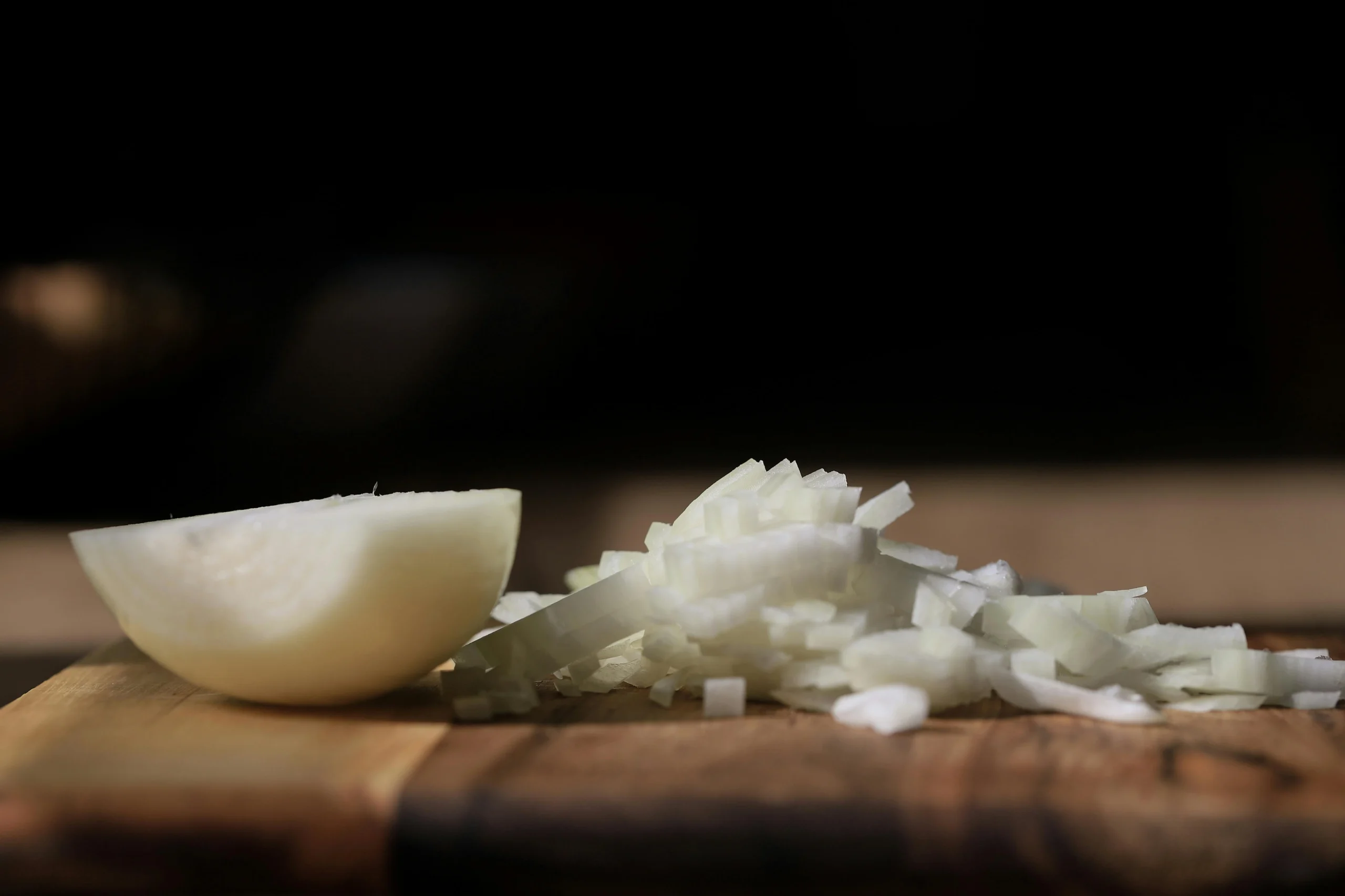
Cut size and shape matter more than many people realize. Thin slices cook faster and may soften quickly into soups, sauces, or toppings. Larger pieces may hold more structure and create a different texture in a skillet or roasted tray. This is one reason the same onion can feel very different from one recipe to another.
Cooking teachers often explain that cutting is part of flavor, not only appearance. Smaller pieces expose more surface area and change more quickly in the pan. Larger pieces take longer to soften and may keep more of their character in the final meal.
 Credit: Christina & Peter / Pexels
4. Raw onions and cooked onions should not be judged by the same flavor rules
Some home cooks think they dislike onions because raw onion tastes too sharp for them. But raw onion and cooked onion are often very different ingredients in practice. Raw onion usually brings more bite and freshness, while cooked onion often becomes softer, sweeter, and more blended into a dish.
Food educators often point out that this difference helps explain why onions remain so widely used. A person who avoids raw onion may still enjoy onions in soups, sauces, or roasted meals because the ingredient behaves so differently under heat.
5. Onion storage affects flavor and texture over time
Storage conditions can change how onions perform in the kitchen. Onions that are held too long or poorly stored may soften, sprout, or lose some of their best texture. This can make them less reliable in dishes where structure or freshness matters.
Fresh ingredient specialists often explain that onions usually do best when kept in stable conditions that help them stay dry and firm. Good storage does not guarantee perfect onions forever, but it can help preserve their usefulness and flavor for a longer period.
6. Browning onions is not the same as burning them
Many home cooks worry when onions begin to take on color, but gentle browning is often a useful part of cooking. That color can signal deeper flavor development. Burning, however, takes the onion too far and may create bitterness or a harsh taste that affects the whole dish.
Cooking instructors often teach beginners to watch color and smell together. Onions that are turning lightly golden and smelling sweeter are often moving in a good direction. Onions that darken too fast or smell harsh may need lower heat or more attention.
7. Onions work so well because they build flavor for other ingredients
Onions are sometimes overlooked because they are not always the part of the dish people talk about first. But one of the strongest onion facts is that they often make other ingredients taste more complete. Their role is often to build the base that supports everything added later.
Meal planning educators often describe onions as one of the most practical kitchen ingredients because they fit so many meals and stretch across many styles of cooking. From soups and sauces to trays and bowls, onions help create a stronger starting point without needing complicated handling.
 Credit: Tobias Baur / Pexels
Why do onions confuse home cooks so often?
Onions are so common that many people assume they are simple in one fixed way. In reality, they are highly affected by cut size, heat, timing, and final use. The same onion can taste sharp in one dish and sweet in another, which can be confusing without context.
Food educators often encourage cooks to think of onions as a flexible ingredient with many stages rather than one single flavor. Once that shift happens, onions become much easier to use with purpose instead of guesswork.
Frequently Asked Questions
Q: Do all onions taste the same?
A: No. Different onions can vary in strength, sweetness, and best use. Some are more useful raw, while others are often chosen for cooking.
Q: Why do onions taste sweeter after cooking?
A: Cooking softens the sharper raw flavor and changes how the onion’s natural sugars are experienced. This often makes onions taste rounder and milder.
Q: Does the way onions are cut really matter?
A: Yes. Thin slices, diced pieces, and wedges all cook differently and can change both texture and flavor in the final dish.
Q: Are browned onions always burned?
A: No. Gentle browning can be a useful cooking stage that adds depth. Burning takes the onion too far and may create bitterness.
Key Takeaway
These food facts about onions show that onion type, cut, heat, storage, and timing all affect how the ingredient behaves in the kitchen. Onions may be common, but they are far from simple in only one way. Understanding their stages and strengths helps home cooks build better flavor from the start of a dish. For everyday meals, that knowledge can improve many recipes without adding extra complexity.
[INTERNAL LINKING SUGGESTIONS]
- How to Sauté Onions for Better Flavor in Everyday Cooking
- How to Choose Fresh Garlic for Better Flavor in Everyday Cooking
- 8 Cooking Tips That Can Help Roasted Vegetables Taste Better