Cooking instructors often explain that sheet pan meals are less about the recipe and more about how the ingredients behave together in one space. The oven does not make every ingredient cook at the same speed, hold the same amount of moisture, or want the same kind of heat. Once home cooks understand that, tray dinners become much more reliable and much less repetitive.
Why do sheet pan dinners go wrong so often?
Many cooks treat a tray meal like a single action. Everything goes onto the pan, the oven takes over, and dinner should somehow sort itself out. That approach can work sometimes, but it often creates uneven results because different ingredients want different things. Some need more room, some need more time, and some are better added later.
Food educators often say that sheet pan cooking succeeds when the tray is treated like a staged meal rather than a dumping ground. The best results usually come from recognizing that one pan does not mean one timing.
1. Crowding the tray is one of the biggest sheet pan dinner mistakes
When ingredients are packed too closely together, they often trap moisture instead of roasting clearly. This can leave vegetables softer and less distinct than the meal needs. Even ingredients that usually roast well can lose their best texture when the tray is too full.
Cooking teachers often remind home cooks that a sheet pan meal still needs breathing room. A tray with more space often creates a much stronger dinner than one loaded with too many ingredients at once.
2. Using ingredients that want very different cooking times without a plan
Some vegetables need a long stretch in the oven, while others soften quickly and lose structure just as fast. If everything starts together with no adjustment, some parts of the meal may turn too soft before others are fully ready. That can make the tray feel uneven even when all the ingredients are good on their own.
Home cooking teachers often explain that timing is one of the hidden skills in sheet pan meals. The best tray dinners are often built in waves rather than all at once.
3. Sheet pan dinner mistakes often start with ingredients cut without purpose
Cut size changes how quickly something roasts and how it feels once it reaches the plate. Small pieces may dry out or soften too quickly, while larger pieces may stay firmer or roast more slowly. When the cuts do not match the needs of the ingredient, the final tray can feel less balanced from the first bite onward.
Food writers often point out that roasting is shaped as much by size as by seasoning. Better cuts usually lead to better timing and a dinner that feels more controlled.
4. Expecting every ingredient to roast into the same kind of texture
Not every tray meal should end with everything equally browned, equally crisp, or equally soft. Some ingredients are there for body, others for contrast, and others for freshness after roasting. Problems often start when the cook expects the whole tray to land in one texture range.
Cooking instructors often explain that a stronger tray dinner usually has more than one texture. A mix of softer roasted pieces and firmer or fresher components often creates a much more satisfying meal.
5. Forgetting that dry ingredients and watery ingredients behave differently
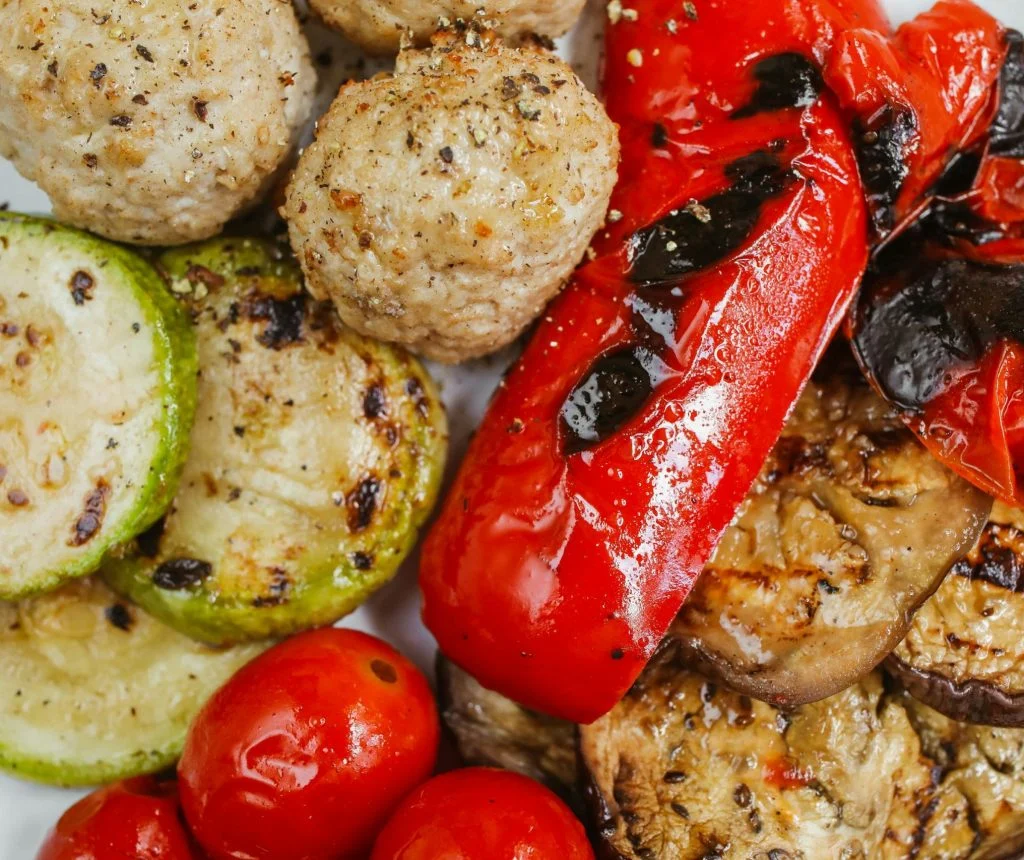
Some vegetables release much more moisture than others, and that affects the whole pan. If too many watery ingredients are grouped together, the tray may soften instead of roast. This does not mean those ingredients do not belong on the sheet pan. It means they need better placement, better timing, or better support from firmer ingredients nearby.
Fresh ingredient specialists often note that understanding moisture is one of the clearest ways to improve tray meals quickly. The cook does not need a different recipe. The cook often just needs a smarter arrangement.
6. Treating the tray as if it does not need a finish
Many sheet pan dinners taste close to complete but still seem flat because nothing fresh arrives after the oven. Roasting gives depth, but it can also make everything feel a little settled. A small finishing ingredient such as herbs, yogurt, citrus, greens, or another light touch can wake the meal up immediately.
Food educators often remind cooks that roasted dinners especially benefit from contrast after cooking. One fresh note can stop the tray from tasting like only one long warm flavor.
7. Making the whole meal brown and soft
Tray dinners often lean heavily on roasted ingredients, which can lead to a meal where every component feels earthy, warm, and soft in a similar way. That may sound comforting, but it can also make the plate feel dull surprisingly fast. A better tray meal usually includes one ingredient that keeps more shape or one finishing element that changes the direction of the dish.
Meal planning educators often explain that easy meals improve most through contrast rather than through more volume. The tray does not need more food. It often needs more range.
8. Not deciding whether the tray is the full dinner or only the base of it
Some sheet pan meals are meant to be complete once they leave the oven. Others work better as the center of a larger dinner that includes bread, rice, yogurt, a salad, or another simple support. When that decision is not made early, the tray may reach the table tasting fine but still feeling incomplete.
Cooking teachers often suggest asking one basic question before the oven even starts: is this tray the whole dinner, or does it still need something after roasting? That answer shapes ingredient choice, portion balance, and how the meal should be finished.

How can home cooks improve sheet pan dinners without making them harder?
The easiest way is to give the tray more structure. Use better spacing, respect different cooking times, cut with purpose, and finish the meal with something fresh. These changes do not make tray dinners complicated. They simply make them smarter.
Food writers often point out that the best easy dinners are not the ones with the fewest steps. They are the ones where the steps make the meal feel complete. Sheet pan dinners become much more dependable when the tray is built with intention instead of hope.
Frequently Asked Questions
Q: Why do sheet pan dinners sometimes feel soggy instead of roasted?
A: This usually happens when the tray is too crowded or when ingredients that release a lot of moisture are packed too closely together.
Q: Should all tray ingredients go into the oven at the same time?
A: Not always. Many sheet pan meals improve when ingredients are added in stages based on how quickly they cook.
Q: Why does a tray dinner sometimes taste flat even when it looks good?
A: It often needs a fresh finishing element such as herbs, yogurt, greens, or citrus to balance the deeper roasted flavors.
Q: Do sheet pan dinners always need something served with them?
A: Not always, but some work better as the base of a meal than the whole dinner, depending on how much body and balance the tray already has.
Key Takeaway
Sheet pan dinner mistakes often come from crowding, mismatched cooking times, poor ingredient cuts, and forgetting that roasted food usually needs something fresh at the end. Because tray meals look simple, they are easy to underthink. But the best versions usually come from smarter spacing, better timing, and a clearer finishing plan. In everyday cooking, those small changes can turn an ordinary pan into a much better dinner.