Many food facts about spinach are easy to miss because spinach is such a familiar ingredient in everyday cooking. It appears in salads, soups, pasta, egg dishes, bowls, and wraps without needing much preparation. Because it seems simple, many home cooks treat spinach like a background ingredient instead of noticing how freshness, moisture, leaf size, and cooking time can shape the final meal. Those details matter more than many people expect.
Food educators often explain that spinach is one of the most flexible greens in a home kitchen. It can feel fresh and light in one meal, soft and comforting in another, and more deeply blended into soups or sauces in a third. For everyday cooks, understanding a few clear spinach facts can make many simple meals easier to balance from the start.
1. Not all spinach behaves the same way in a meal
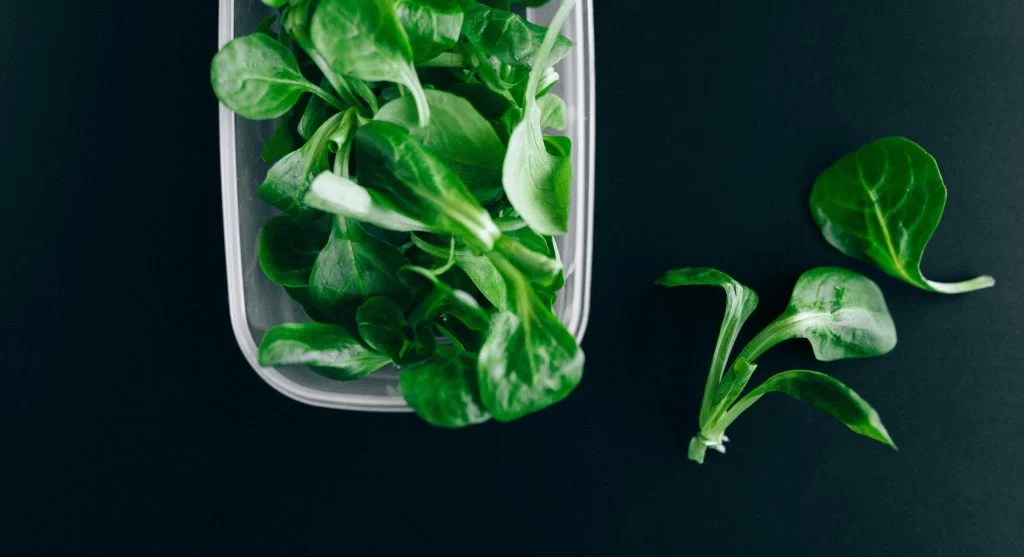
One of the most useful food facts about spinach is that different spinach styles and leaf sizes can behave differently. Smaller tender leaves often work especially well in salads and lighter bowls, while larger leaves may be more practical for cooking. This does not mean one type is always better than another. It means the best spinach often depends on how the meal will use it.
Cooking instructors often remind home cooks that spinach chosen for a salad may not be the same spinach they want in soup or an egg dish. The final role of the leaves affects what texture and freshness matter most.
2. Freshness changes spinach faster than many home cooks realize
Spinach is one of the more delicate everyday greens, which means freshness can fade quickly. A fresh leaf often feels lively and holds its shape better, while older spinach may become wet, limp, or less appealing in both raw and cooked dishes. This is one reason spinach can seem disappointing even when it looked acceptable at first glance.
Fresh ingredient educators often note that spinach is especially sensitive to trapped moisture. Once the leaves begin to decline, the texture can change very quickly. That makes shopping choices more important than many people first assume.
3. Spinach shrinks much more than many people expect when cooked
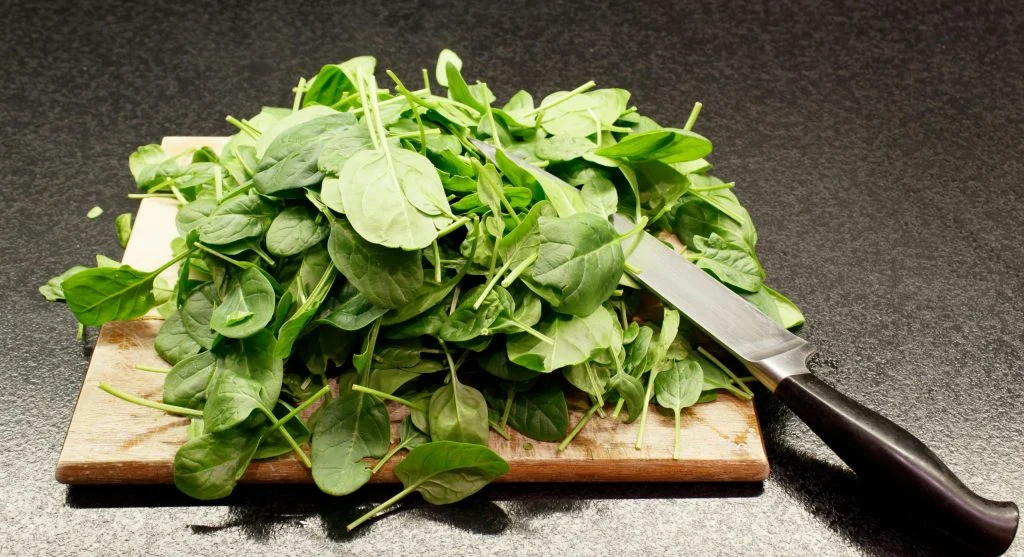
Many home cooks are surprised by how much spinach reduces in volume once it meets heat. A large pile of leaves can cook down into a very small amount in a short time. This does not mean something went wrong. It is simply how the leaf structure responds to heat and moisture loss.
Food educators often explain that this is why spinach is practical in cooked meals even when it seems like a lot at the start. It can add color and a gentle green note without making the final dish bulky. At the same time, that shrinking means planning quantity matters if spinach is meant to play a visible role.
4. Spinach often works best when it is added near the end
Because spinach wilts so quickly, it often does not need long cooking. In many soups, pasta dishes, and bowls, spinach is strongest when added close to the end so it softens without disappearing too far into the dish. This small timing choice often makes the meal feel fresher and more balanced.
Cooking teachers often explain that spinach is one of the clearest examples of a quick-cooking ingredient. If it stays on the heat too long, it may lose the lighter texture that makes it so useful in the first place.
5. Wet spinach can weaken both raw and cooked dishes
Spinach naturally carries some moisture, but leaves that are very wet can create problems in the kitchen. In salads, extra moisture can thin a dressing and make the bowl feel less crisp. In hot dishes, it can change how the ingredient behaves in the pan and make the final result seem looser than expected.
Fresh ingredient specialists often explain that spinach should look fresh, not soggy. This is one reason moisture in the package or on the leaves is an important clue during shopping and storage.
6. Spinach is useful because it can play both a main and supporting role
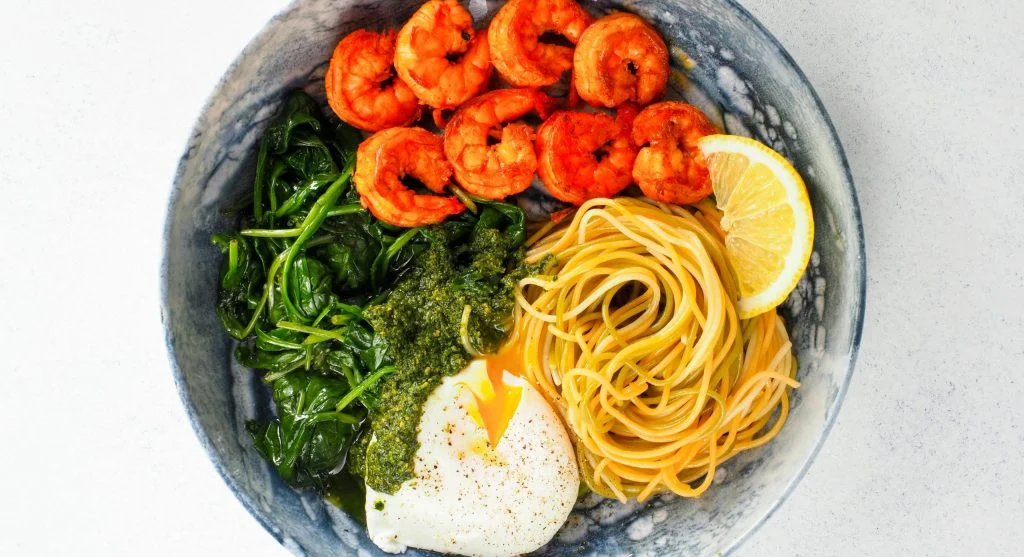
One of the strongest spinach facts is that it can work as a clear main green in a salad or as a supporting ingredient in soups, eggs, pasta, and bowls. It can stand out or blend in, depending on the meal. This flexibility is one reason spinach remains such a practical ingredient in everyday home kitchens.
Meal planning educators often describe spinach as a bridge ingredient because it moves easily between raw and cooked meals. The same batch may support lunch one day and dinner the next without needing a completely different cooking method.
7. Storage affects spinach quality long before it looks completely bad
Some home cooks wait until spinach looks clearly spoiled before thinking about quality, but the leaves often lose their best texture earlier than that. Spinach may still seem usable while already becoming softer, wetter, or less lively than before. This can affect how well it performs even if it has not fully gone bad.
Food writers often note that spinach works best when it is bought with a short-term plan instead of being left to wait too long in the refrigerator. Since it is so flexible, that plan can stay simple, but using it sooner often gives much better results.
Why does spinach confuse home cooks so often?
Spinach seems easy because it is common and cooks fast, but those same qualities are what make it tricky. It changes quickly with heat, moisture, and storage. A small shift in freshness or timing can make a noticeable difference in the final dish.
Food educators often encourage home cooks to think of spinach as a fast-moving ingredient rather than a neutral one. Once that shift happens, it becomes easier to choose, store, and cook spinach with more confidence and better results.
Frequently Asked Questions
Q: Does all spinach work the same way in cooking?
A: No. Smaller tender leaves may suit salads and lighter dishes, while larger leaves can work especially well in cooked meals. The best choice depends on the dish.
Q: Why does spinach shrink so much when cooked?
A: Spinach naturally loses volume quickly when heated. This is a normal part of how the leaves respond to heat and moisture loss.
Q: Can wet spinach affect a recipe?
A: Yes. Extra moisture can weaken salads and can also affect hot dishes by making them looser than intended.
Q: Is spinach useful in both raw and cooked meals?
A: Yes. Spinach is one of the most flexible greens because it works well in salads, soups, pasta, eggs, bowls, and many other everyday dishes.
Key Takeaway
These food facts about spinach show that freshness, moisture, leaf size, and timing all affect how spinach behaves in everyday meals. Spinach may seem simple, but it changes quickly in both storage and cooking, which is why small choices matter so much. Understanding those changes helps home cooks get better results from salads, soups, pasta dishes, bowls, and eggs. For everyday cooking, better spinach knowledge often leads to much better meals.