Stir-fry vegetable mistakes are common because stir-fry dinners look quick, flexible, and easy to rescue. A hot pan, a few vegetables, and a simple sauce can seem like enough to create dinner without much planning. But even practical stir-fry meals can still turn watery, uneven, too soft, or flat in flavor when timing and texture are not handled carefully. For home cooks, a few small mistakes can change the whole pan.
Cooking instructors often explain that stir-frying is not only about moving vegetables around in a hot pan. It is also about keeping the right level of texture, using the heat well, and letting each ingredient support the final meal. Food educators also note that stir-fry dinners often depend on contrast. A good pan usually needs vegetables that still feel alive, not vegetables that all collapse into the same soft mixture.
Why do stir-fry vegetable mistakes happen so often?
Stir-fry cooking moves fast, and that speed is one of its biggest strengths. But speed can also make home cooks rush the setup, crowd the pan, or add ingredients in the wrong order. Once that happens, the dinner may still be edible, but it may no longer feel balanced or satisfying.
Home cooking teachers often say that stir-fry rewards preparation more than improvisation. When the cutting, timing, and ingredient order are clear before the heat starts, the pan usually becomes much easier to control.
1. Crowding the pan is one of the biggest stir-fry vegetable mistakes
When too many vegetables are added at once, the pan can trap moisture instead of helping the ingredients cook with better texture. This often leaves the vegetables softer and less lively than the meal needs. Even a strong sauce cannot always fix a stir-fry that never had enough room to cook clearly.
Food educators often remind home cooks that stir-frying depends on space as much as heat. If the vegetables are crowded, they may steam more than stir-fry, and the whole meal can lose definition.
2. Cutting vegetables without thinking about cooking speed can weaken the whole meal
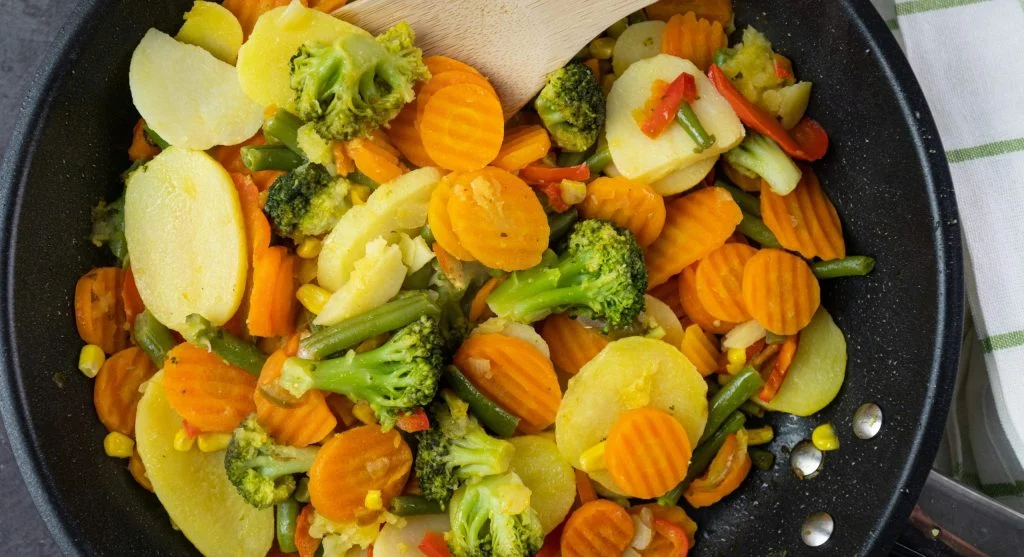
Different vegetables soften at different rates, and even the same vegetable can behave differently depending on how it is cut. If some pieces are too small and others too large, the pan may end up uneven, with some ingredients going soft while others stay too firm. That can make the dinner feel less balanced from the very first bite.
Cooking instructors often explain that cutting style is part of the cooking plan, not only appearance. Better cuts usually mean better timing and a more reliable final texture.
3. Stir-fry vegetable mistakes often begin when watery vegetables are treated like dry ones
Some vegetables naturally carry more moisture and need more careful handling in a fast pan. If these vegetables are added without much thought, they can loosen the whole stir-fry and make it harder to build stronger texture. This does not mean watery vegetables should be avoided. It means they should be used with better timing and expectation.
Fresh ingredient educators often note that stir-fry becomes stronger when vegetables are chosen and combined with texture in mind. Ingredients that release more moisture can still work well, but they usually need support from firmer vegetables or better staging in the pan.
4. Adding every vegetable at the same time can flatten flavor and texture
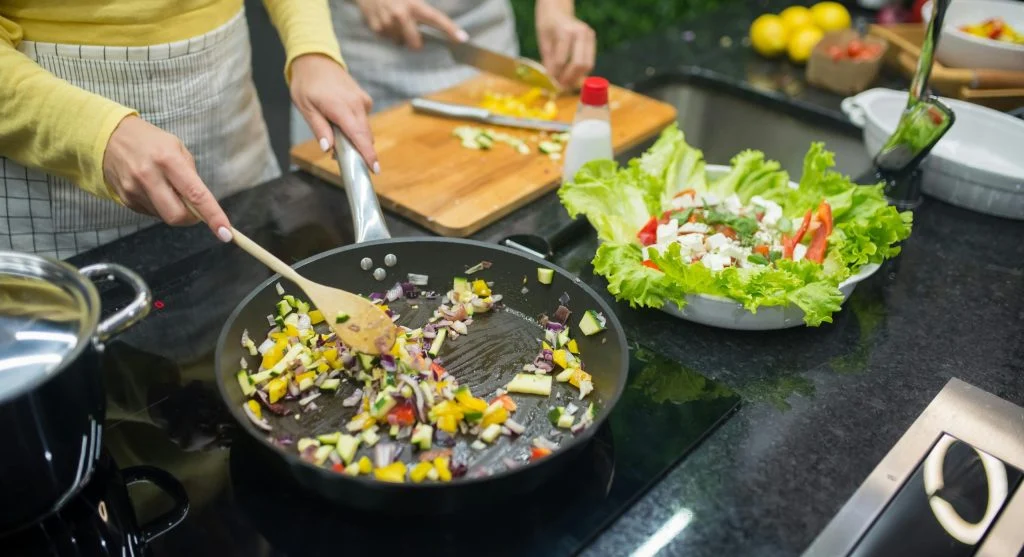
Some vegetables need only a short time in the pan, while others need longer to soften or deepen in flavor. If everything is added at once, the quicker vegetables may lose too much texture before the slower ones are ready. This is one of the easiest ways a stir-fry turns from lively to tired.
Cooking teachers often recommend thinking in stages rather than treating the stir-fry as one single moment. Better timing usually creates a dinner with more character and a much clearer texture.
5. Too much sauce can bury the vegetables instead of supporting them
A stir-fry sauce should connect the pan, not drown it. When too much sauce is used, the vegetables may lose their individual texture and the whole meal can feel heavier than intended. The result may seem flavorful at first, yet less balanced by the end of the bowl or plate.
Food writers often explain that the strongest stir-fries feel coated rather than soaked. That small difference often decides whether the dinner feels light and useful or overly settled.
6. Stir-fry vegetable mistakes can happen when the pan is not ready
Because stir-fry cooking moves fast, the setup before cooking matters a lot. If ingredients are not ready, or if the pan is not used with enough intention, the meal can quickly lose its best window for texture. The vegetables may sit too long, cook unevenly, or absorb more moisture than the cook expected.
Cooking instructors often remind home cooks that stir-fry is easier when the work is front-loaded. The better the setup, the calmer the actual cooking feels once the heat begins.
7. Forgetting a fresh finish can leave the dinner feeling too soft
Even a good stir-fry often benefits from one final element that wakes up the plate after the cooking is done. Herbs, greens, citrus, or another simple finish can help sharpen the vegetables and keep the meal from feeling too settled. Without that touch, a stir-fry may taste acceptable but still feel slightly unfinished.
Fresh ingredient specialists often explain that fast-cooked meals especially benefit from one last note of contrast. A simple finish can help the whole dinner feel more complete with very little extra effort.
8. Not matching the vegetables to the final meal can make the stir-fry feel incomplete
Some stir-fries are built as light vegetable dishes, while others need to act as full dinners with rice, noodles, or another base. If the vegetables are chosen without thinking about that role, the pan may feel mismatched to the meal. A good stir-fry should support the rest of the plate instead of feeling disconnected from it.
Meal planning educators often recommend deciding early whether the stir-fry is the main event or only one part of dinner. That choice helps the home cook build the pan with the right texture, balance, and level of body.
How can home cooks avoid stir-fry vegetable mistakes more easily?
The simplest method is to prepare everything before the pan gets hot, give the vegetables space, cook them in stages, and finish with something fresh. These habits do not make stir-fry harder. They simply make the final dinner much more reliable and easier to enjoy.
Food educators often remind cooks that better stir-fry usually comes from stronger setup and clearer timing, not from a longer ingredient list. A calmer approach before the cooking starts often leads to a much better result in the pan.
Frequently Asked Questions
Q: Why do stir-fried vegetables sometimes turn watery instead of flavorful?
A: This often happens when the pan is crowded or when watery vegetables release too much moisture without enough space and timing control.
Q: Should all vegetables go into a stir-fry at the same time?
A: In most cases, no. Different vegetables cook at different speeds, so staged cooking often helps the final dinner feel more balanced.
Q: Can too much sauce ruin a stir-fry?
A: Yes. Too much sauce can bury the vegetables, soften the texture, and make the meal feel heavier than intended.
Q: Why does a fresh finish help stir-fried vegetables?
A: A fresh finish such as herbs or citrus can sharpen the vegetables and bring contrast back into a fast-cooked meal.
Key Takeaway
Stir-fry vegetable mistakes often come from crowding the pan, ignoring cooking speed, overusing sauce, or skipping the final contrast that helps the meal feel finished. Because stir-fry cooking moves quickly, these small mistakes can affect dinner more than many home cooks realize. Better stir-fries usually come from better preparation, better timing, and one fresh finishing note. For everyday vegetable dinners, those simple improvements can make a very noticeable difference.