Chopped cucumbers usually make a meal feel fresher, quicker, and more awake. Cooked zucchini often makes a bowl feel softer, calmer, and more blended. Neither one is automatically better. They simply solve different problems. Once home cooks understand that difference, grain bowls become much easier to balance without depending on guesswork.
Why vegetables do more than only add nutrition
In simple grain meals, vegetables often do emotional work as well as practical work. They change whether the bowl feels crisp or settled, light or soft, fresh or warm. A grain bowl with beans, rice, or farro may already have enough body. What it needs next is not always another substantial ingredient. Sometimes it only needs a vegetable that changes the speed and texture of the meal.
Cooking educators often explain that this is why mild vegetables matter more than people think. They may not dominate the flavor, but they can shape the whole character of the bowl by deciding how fresh or how soft the meal feels from bite to bite.
What chopped cucumbers do especially well
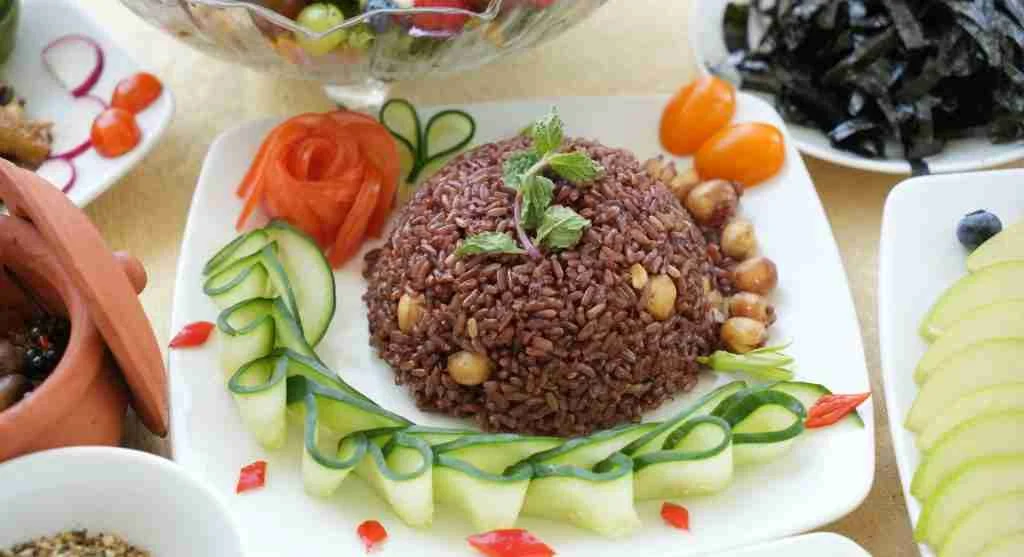
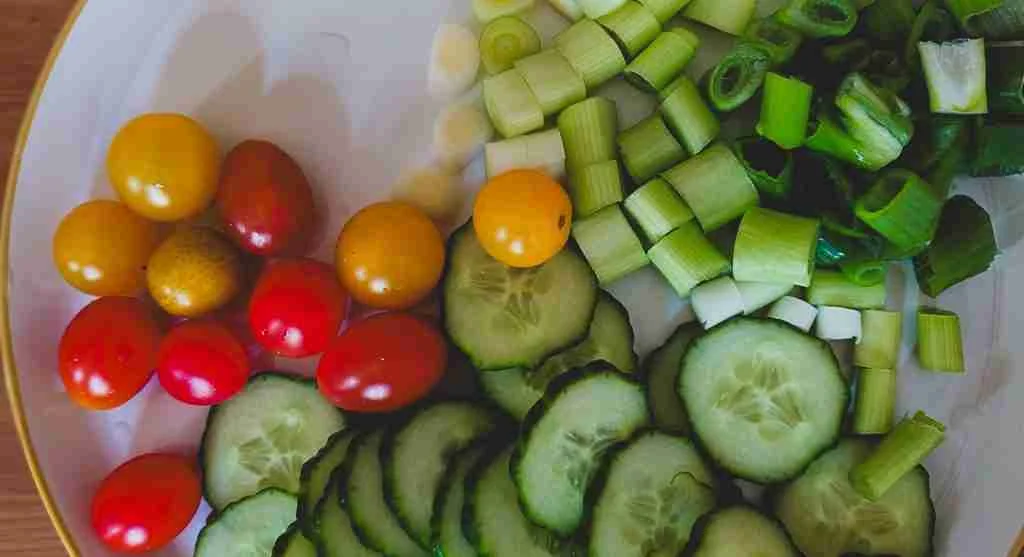
Chopped cucumbers bring immediate freshness. They have water, bite, and a clean feel that can wake up grains that would otherwise seem too dense or too settled. In a bowl with rice, lentils, beans, eggs, or yogurt-based toppings, cucumber often acts like a reset button. It makes the other ingredients feel lighter without actually making the meal smaller.
Food writers often note that cucumber is one of the easiest ingredients for changing the mood of a meal. It does not need much seasoning or much cooking logic. It mostly needs good timing and the right place in the bowl.
What cooked zucchini does differently
Cooked zucchini usually supports the bowl in a softer and more blended way. It brings warmth, moisture, and a gentler texture that often settles into the grains rather than standing apart from them. This can be helpful when the meal needs more comfort or more quiet body. But it can also make the bowl feel softer overall, especially if the grains and other toppings are already leaning in that same direction.
Home cooking teachers often explain that zucchini works best when the meal needs one more soft layer that will not compete too strongly for attention. It is less about interruption and more about support.

Why cucumbers often feel more refreshing than zucchini
Cucumber usually stays more separate from the bowl. It keeps its shape, offers more bite, and adds a cooler feeling even when the rest of the meal is at room temperature. That separation is what makes the bowl feel brighter. The cucumber does not melt into the meal. It interrupts it in a useful way.
Fresh ingredient specialists often describe this as visible freshness. Some ingredients refresh the bowl by being clearly different from everything else already in it. Cucumber is very good at doing that with very little effort.
Why zucchini can make a bowl feel more complete, but not always fresher
Cooked zucchini may not brighten a meal in the same way, but it often makes a bowl feel more unified. It can bridge grains and proteins by adding softness and moisture where the meal might otherwise feel too dry or too separate. In warm grain bowls, that can be exactly the right choice. The bowl becomes smoother and more settled, which can make it feel more comforting.
The difference is that comfort and freshness are not always the same thing. A bowl can become more complete through zucchini while still feeling less lively than a bowl finished with cucumber.
When chopped cucumbers are usually the better choice
Chopped cucumbers often work best when the bowl already contains enough warm or soft ingredients. Rice, beans, eggs, roasted vegetables, lentils, or creamy dressings often benefit from one ingredient that cuts through that softness. In these meals, cucumber often does more good than another cooked vegetable because it changes both the texture and the pace of eating.
Meal planning educators often recommend cucumber especially for lunches and prepared grain bowls because it helps the meal feel less stored and more immediate. Even a simple lunch can feel much fresher once cucumber enters the bowl.
When cooked zucchini is usually the better choice
Cooked zucchini often fits better when the meal is meant to stay warm, calming, and more blended. A grain bowl built for dinner may want that kind of support, especially if it already includes herbs or another fresh topping at the end. In that setting, zucchini can add body without introducing a sharper contrast that the meal does not actually need.
Cooking instructors often explain that not every bowl wants to feel bright. Some meals are trying to feel grounding. Zucchini often supports that goal better than cucumber does.
Why this comparison matters in meal prep
Meal-prep bowls often rely on whatever vegetables are easiest to keep and reuse. This is where understanding the difference matters most. If the bowl tastes a little dull, adding cooked zucchini usually will not wake it up. Chopped cucumber often can. If the bowl feels dry and disconnected, zucchini may help more than cucumber would. The better fix depends on what the meal is missing.
Food educators often encourage home cooks to stop asking only what vegetable can fit in the container. A more useful question is what role the vegetable should play once lunch actually gets eaten.
How can home cooks decide which one the bowl needs?
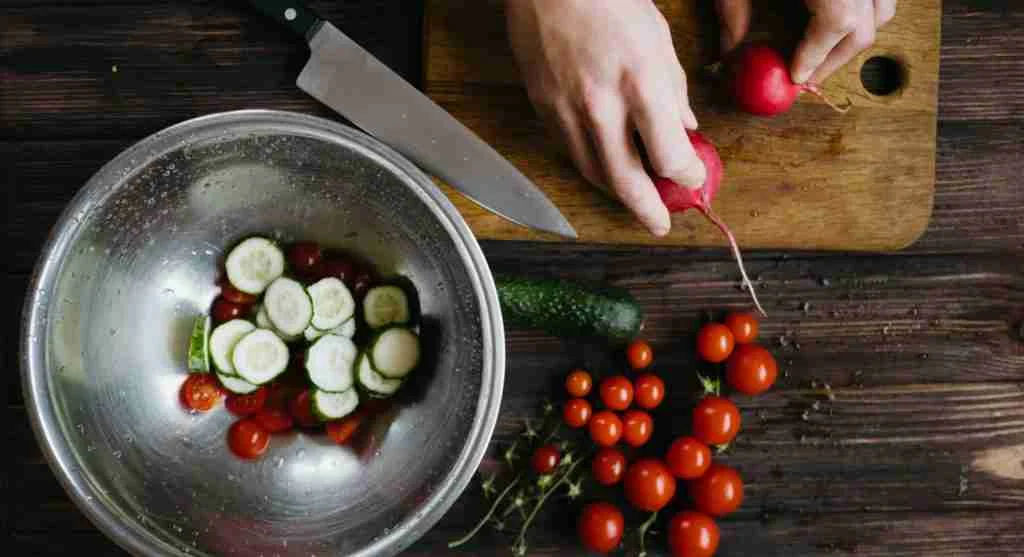
The easiest question is this: does the meal need more freshness or more softness? If it already has enough body and only feels a little sleepy, chopped cucumbers often help more. If it feels too dry or too separate, cooked zucchini may be the better fit. In some bowls, both can work, but not in the same role.
Cooking teachers often say that better bowls come from better corrections. Once the cook understands what the meal is missing, the vegetable choice becomes much easier and much smarter.
Frequently Asked Questions
Q: Are chopped cucumbers better than cooked zucchini in grain bowls?
A: Not always. Chopped cucumbers are often better for freshness and bite, while cooked zucchini is often better for softness and a more blended feel.
Q: Why do cucumbers make grain bowls feel lighter?
A: They add crisp texture, moisture, and a cooler feeling that breaks up softer or heavier ingredients in the bowl.
Q: When is cooked zucchini the stronger choice?
A: It often works better in warm or more comforting bowls that need moisture and a gentler supporting ingredient instead of a fresh contrast.
Q: Can both vegetables work in meal-prep bowls?
A: Yes. The better choice depends on whether the bowl needs more freshness and bite or more softness and connection.
Key Takeaway
Chopped cucumbers vs cooked zucchini in grain bowls is really a question about what the meal needs. Cucumbers bring freshness, bite, and a lighter feeling. Zucchini brings softness, moisture, and a more blended kind of support. Knowing that difference helps home cooks build grain bowls with more purpose instead of repeating the same texture every time. In simple everyday meals, that choice can change the whole bowl.