Many food facts about mushrooms are easy to miss because mushrooms are so common in everyday cooking. They appear in pasta dishes, soups, egg meals, grain bowls, side dishes, and quick skillet dinners without needing a long ingredient list. Because they are so familiar, many home cooks treat mushrooms as a simple extra instead of noticing how moisture, freshness, size, and heat affect the final result. Those details matter more than many people expect.
Food educators often explain that mushrooms are one of the clearest examples of an ingredient that changes quickly depending on how it is handled. A fresh mushroom can brown well, hold shape, and deepen the flavor of a meal. A weak one can soften too quickly or release too much moisture. For home cooks, understanding a few clear mushroom facts can improve many simple dishes right away.
1. Not all mushrooms behave the same way in the pan
One of the most useful food facts about mushrooms is that different mushrooms can create different textures and different cooking results. Some mushrooms stay firmer and more distinct, while others soften faster or release more moisture. This does not mean one kind is always better than another. It means the best choice often depends on how the mushroom will be used in the meal.
Cooking instructors often remind home cooks that mushrooms meant for a soup may not always be the same ones they want for a skillet dinner or a roasted tray. The final purpose helps shape what kind of texture matters most.
2. Moisture affects mushrooms more than many people realize
Mushrooms naturally hold moisture, and that is one reason they can change so dramatically in cooking. When mushrooms release too much water in the pan, they may soften instead of taking on the deeper texture many cooks want. This does not make them bad. It simply means moisture needs to be understood as part of how mushrooms behave.
Food educators often explain that mushrooms are often judged by whether they brown well, but browning depends greatly on how much moisture the ingredient brings into the pan. This is one reason fresh mushrooms often perform much better than damp ones.
3. Freshness changes mushroom texture very quickly
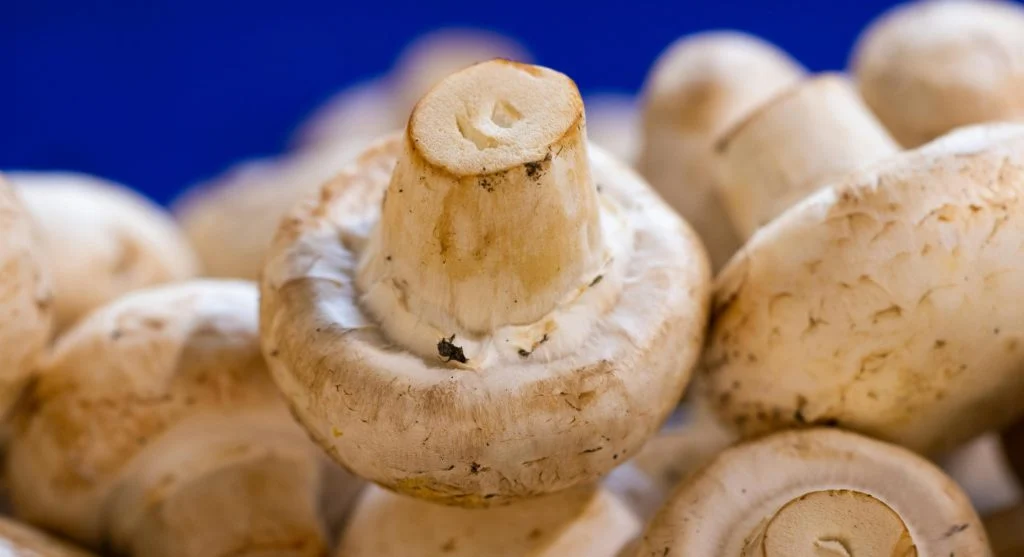
A fresh mushroom often feels firmer and cleaner in both texture and flavor. Older mushrooms may feel softer, wetter, or less useful for meals where the mushroom should stay distinct. This is especially noticeable in dishes that depend on browning or a stronger skillet texture.
Fresh ingredient specialists often note that mushrooms can seem acceptable on the outside even when they are already moving past their best stage. That is why firmness and surface condition matter so much when shopping for them.
4. Mushrooms are often cooked too gently when the goal is deeper flavor
Many home cooks assume mushrooms only need to soften slightly before they are ready. But in some dishes, mushrooms need enough time and heat to develop more flavor and a better surface texture. If they are removed too early, they may feel pale or less complete in the final meal.
Cooking teachers often explain that mushrooms can be one of the most rewarding ingredients when the cook gives them enough attention in the pan. The deeper flavor many people enjoy usually comes from letting the mushrooms develop further rather than stopping as soon as they are no longer raw.
5. Mushroom size and cut change the whole result
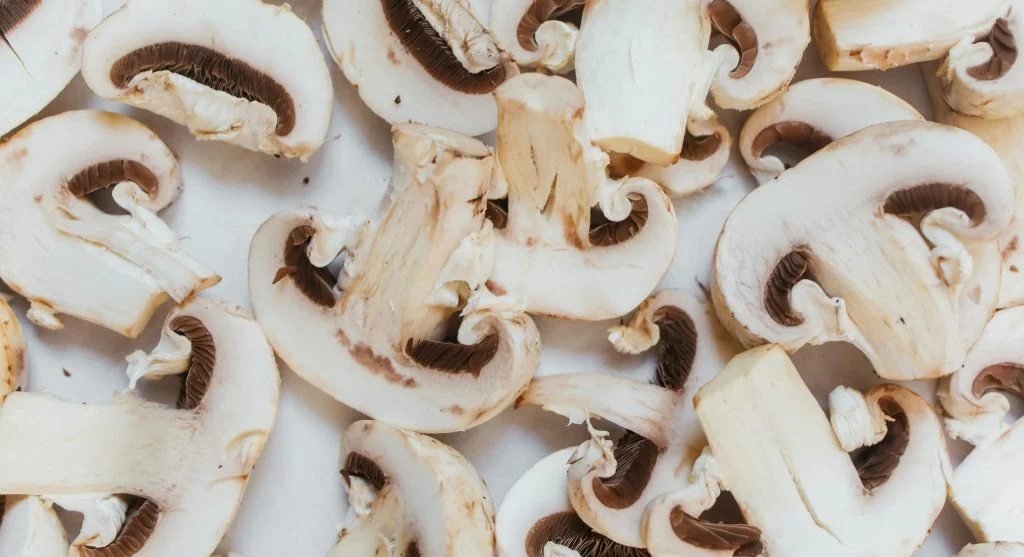
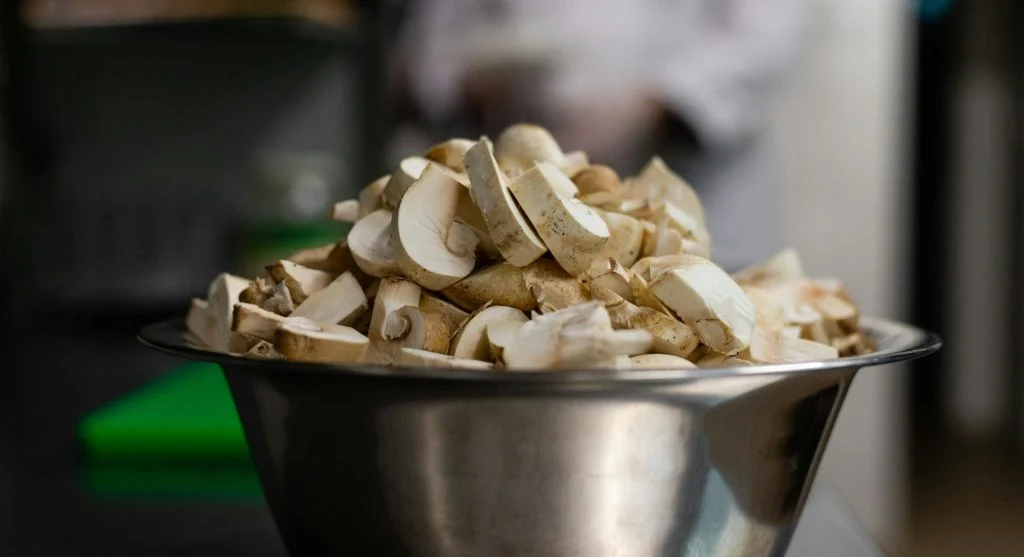
The way mushrooms are sliced or left whole affects how quickly they cook and how they feel in the dish. Smaller pieces may blend more easily into soups, sauces, or egg dishes, while larger slices or whole mushrooms often stay more noticeable. This is one reason the same mushroom can seem very different from one recipe to another.
Food writers often describe cutting style as part of the cooking plan, not only the appearance. A mushroom meant to support a broth may be cut differently from one meant to top a bowl or stay visible in a skillet meal.
6. Storage affects mushrooms before they look completely bad
Some home cooks wait until mushrooms look clearly spoiled before thinking about quality, but mushrooms often lose their best texture earlier than that. They may become softer, wetter, or less useful for browning long before they look completely unusable. This can affect the final meal even when the mushrooms still seem acceptable at first glance.
Fresh ingredient specialists often remind cooks that mushrooms usually work best when they are bought with a short-term plan. Since they can fit many meals, that plan does not need to be complicated. It simply helps use them while their texture is still stronger.
7. Mushrooms work so well because they add depth without needing many ingredients
One of the strongest mushroom facts is that mushrooms can quietly deepen the flavor of many simple dishes without demanding a long recipe around them. They can support pasta, eggs, soups, bowls, and side dishes while still staying flexible enough to match many other ingredients. This is one reason they remain so useful in everyday home cooking.
Meal planning educators often describe mushrooms as support ingredients that add body and flavor without making the meal more complicated. That flexibility is what makes them so practical across the week in different kinds of lunches and dinners.
Why do mushrooms confuse home cooks so often?
Mushrooms seem simple because they cook fast and fit many kinds of meals, but that same flexibility can hide how much moisture and texture matter. A small difference in freshness or heat can change the result quickly. That is why mushrooms often seem unpredictable to people who have not looked closely at how they behave.
Food educators often encourage home cooks to think of mushrooms as active ingredients rather than quiet extras. Once that shift happens, mushrooms become easier to choose, store, and cook with more purpose.
Frequently Asked Questions
Q: Do all mushrooms cook the same way?
A: No. Different mushrooms often vary in texture, moisture, and how they respond to heat, so the best choice depends on the dish.
Q: Why do mushrooms sometimes turn watery in the pan?
A: Mushrooms naturally hold moisture, and if they release too much of it during cooking, they may soften instead of browning well.
Q: Does mushroom size really matter in cooking?
A: Yes. Smaller pieces may soften and blend more quickly, while larger slices or whole mushrooms often stay more noticeable in the final dish.
Q: Are mushrooms useful in more than one kind of meal?
A: Yes. Mushrooms can work in pasta dishes, soups, bowls, egg meals, side dishes, and many other everyday meals, which makes them especially flexible.
Key Takeaway
These food facts about mushrooms show that freshness, moisture, size, and cooking method all affect how mushrooms behave in everyday meals. Mushrooms may seem simple, but they can change quickly in the pan depending on how they are handled. Understanding those changes helps home cooks get better results from pasta dishes, soups, bowls, egg meals, and side dishes. For everyday cooking, better mushroom knowledge often leads to much stronger meals.