Many food facts about cucumbers are easy to overlook because they seem simple, familiar, and light. They show up in salads, grain bowls, sandwiches, yogurt sauces, and side dishes with very little preparation. Because they’re so common, home cooks often treat them as background ingredients instead of considering how texture, moisture, type, and storage can shape the final dish. Those small details can make more of a difference than expected.
Food educators often point out that cucumbers are a clear example of how freshness affects a meal. When they’re crisp, they add balance and contrast. When they turn soft or watery, the entire dish can feel less satisfying. For home cooks, understanding a few key cucumber facts can improve many everyday meals right away.
1. Not All Cucumbers Feel the Same in a Meal
One of the most useful food facts about cucumbers is that different types create different textures. Some have thinner skins and a more delicate bite, while others are thicker, firmer, or contain more water depending on their size and variety. This doesn’t mean one type is always better—it means the choice should fit the dish.
Cooking instructors often remind home cooks that cucumbers used in salads may not be the best option for sandwiches or yogurt-based dishes. The type you choose affects both texture and how much moisture it adds.
2. Firmness Matters More Than Size
Many people assume bigger cucumbers are the better choice, but firmness is usually a more reliable sign of quality. A cucumber that feels solid from end to end will usually perform better than one that looks large but has soft spots or bends slightly. Since cucumbers are often eaten raw, their firmness has a direct impact on the eating experience.
Fresh ingredient educators explain that cucumbers are valued for their crunch and coolness. Once that firmness starts to fade, their role in a dish weakens quickly. That’s why a smaller, fresher cucumber often works better than a larger one that’s already losing its structure.
3. Cucumbers Naturally Contain a Lot of Water, and That Affects How They Behave
Cucumbers are often chosen for their refreshing, hydrating quality, but that same moisture can cause issues in certain dishes. If sliced too early or mixed into salads without planning, they can release water that dilutes dressings and softens other ingredients. This doesn’t make cucumbers a problem—it just means timing matters.
Food educators often explain that moisture is part of what cucumbers bring to a dish, but it should be managed carefully. If a recipe relies on crunch and contrast, it’s often better to add cucumbers closer to serving time rather than too far in advance.

4. Fresh Cucumbers and Tired Cucumbers Act Like Different Ingredients
A fresh cucumber feels crisp, cool, and clean in flavor. One that has been sitting too long often turns softer, duller, and less effective as a contrast in a dish. Since cucumbers are rarely cooked in a way that changes their texture, their starting quality matters more than many home cooks realize.
Cooking teachers often point out that this is why one salad can feel bright while another feels flat, even when the recipe is the same. Much of the cucumber’s role comes from its texture, and that depends heavily on freshness.
5. Seeds and Center Texture Can Affect the Whole Dish
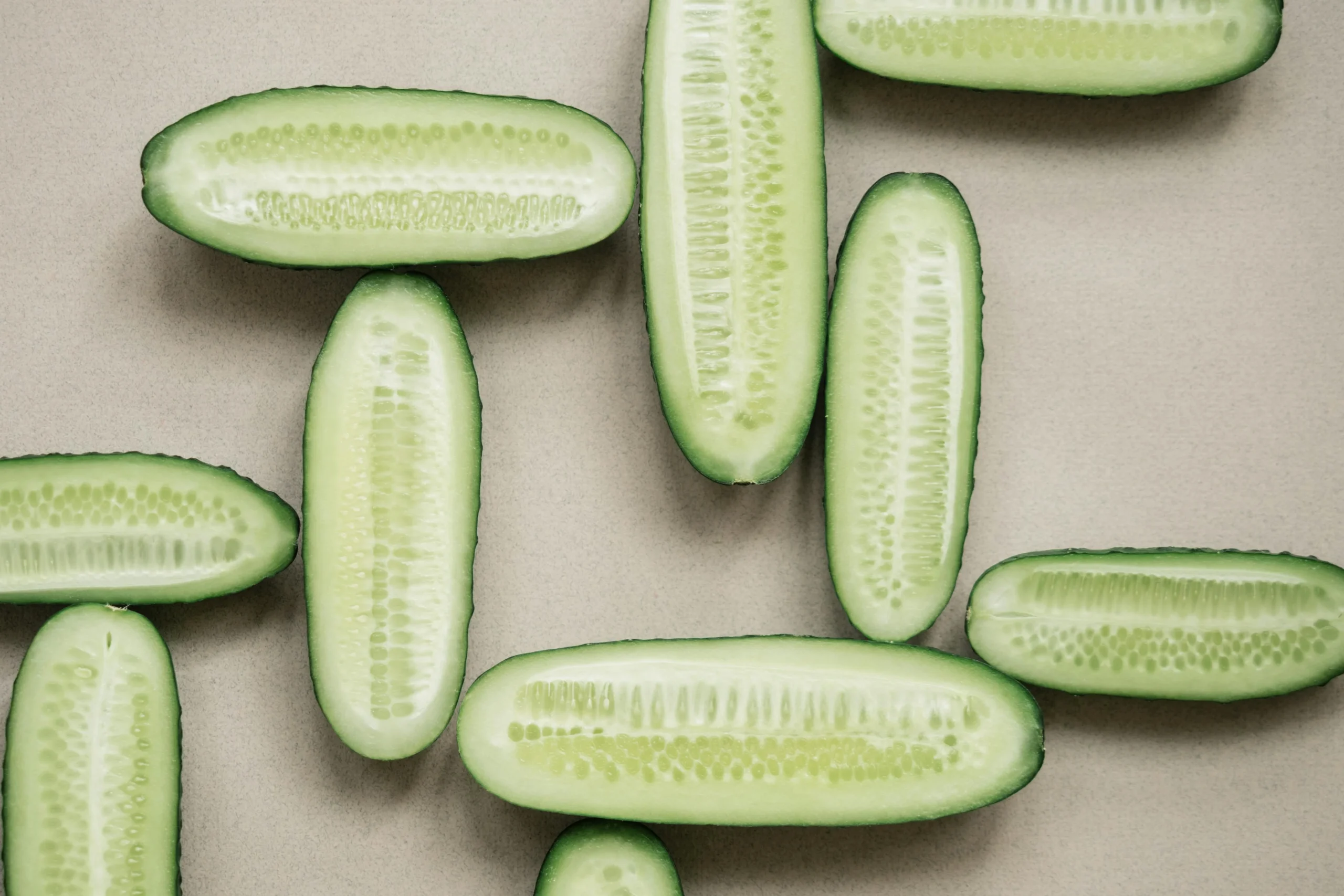
Some cucumbers have more noticeable seeds or a wetter center than others. In many simple meals, this isn’t a big issue. But in salads, bowls, or quick side dishes where crispness matters, a wetter center can affect the overall texture more quickly.
Food writers often explain that not every cucumber needs to be handled the same way. A cucumber with a very moist center can still be useful, but it may suit certain dishes better than others. Thinking about texture before cutting can make it easier to use the ingredient well.
6. Storage Affects Crunch More Than Many People Realize
Cucumbers don’t stay at their best for long, and how they’re stored plays a big role in how long they remain usable. If they dry out, bruise, or soften too much, they lose the crisp quality most people expect. Since crunch is one of the main reasons cucumbers are added to meals, this change matters more than it might with other vegetables.
Fresh ingredient specialists often note that cucumbers are easiest to enjoy when they’re bought with a short-term plan in mind. Because they’re usually eaten raw, any decline in storage shows up more clearly than it does in ingredients that will be cooked later.
7. Cucumbers Work Well Because They Create Contrast for Stronger Ingredients
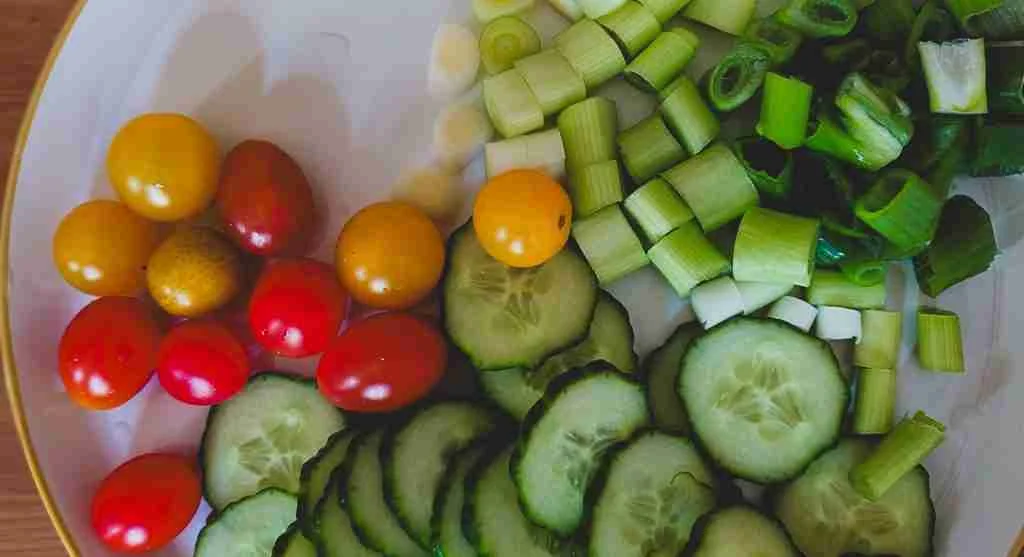
One of the most important cucumber facts is that they help balance a dish by adding a cool, mild contrast. They can offset roasted vegetables, grains, eggs, yogurt-based sauces, or bold seasonings by bringing a fresh, crisp element. Their role is rarely to stand out, but rather to keep the meal feeling lighter and more balanced.
Meal planning educators often describe cucumbers as support ingredients that quietly improve a wide range of dishes. This is why they remain so useful in sandwiches, bowls, salads, and side dishes. Their mild flavor and clean texture make them easy to pair with many different foods.
Why do cucumbers get overlooked so easily?
Cucumbers are mild, common, and often treated as simple filler. That can make it easy to forget that they do important work in a dish. Their texture, moisture, and freshness often decide whether a salad, sandwich, or bowl feels more lively or more dull.
Food educators often encourage home cooks to think of cucumbers less as decoration and more as a tool for balance. Once that shift happens, cucumbers become easier to choose, handle, and use with more purpose.
Frequently Asked Questions
Q: What is the most important sign of a good cucumber?
A: Firmness is one of the clearest signs. A good cucumber should usually feel solid without soft or rubbery spots.
Q: Why do cucumbers sometimes make salads watery?
A: Cucumbers naturally contain a lot of water. If they are sliced too early or mixed in without timing in mind, that moisture can thin the salad and soften other ingredients.
Q: Are bigger cucumbers always better?
A: Not always. Size matters less than firmness, freshness, and how the cucumber fits the intended dish.
Q: Do cucumbers have value beyond salads?
A: Yes. They can also work well in sandwiches, grain bowls, yogurt-based sides, and other light everyday meals where crisp contrast is useful.
Key Takeaway
These food facts about cucumbers show that firmness, moisture, freshness, and type all affect how cucumbers behave in simple meals. Cucumbers may seem mild, but they play an important role in bringing crunch and contrast to many dishes. Understanding how they release moisture and how quickly texture can fade makes them easier to use well. For everyday home cooks, better cucumber knowledge often leads to better salads, bowls, and light meals.
[INTERNAL LINKING SUGGESTIONS]
- How to Choose Fresh Cucumbers for Better Texture in Everyday Meals
- 8 Salad Mistakes That Can Make Fresh Meals Taste Flat
- A Simple Guide to Making Vinaigrette for Better Everyday Salads