One of the more interesting food facts in everyday cooking is that a warm grain bowl can sometimes taste better the day after it is made than it did on the day it first reached the table. Many home cooks notice this without always knowing why. A bowl that felt merely good the first night may seem more settled, more balanced, and more satisfying after sitting overnight.
This does not happen with every meal, and it does not mean leftovers are always better. But grain bowls are especially good at developing in the refrigerator because many of their parts continue interacting after cooking ends. Grains hold moisture differently, dressings settle into ingredients, vegetables soften slightly, and the whole meal can begin to feel more unified. In simple cooking, that quiet overnight change can matter a lot.
Why do grain bowls change so much after a night in the refrigerator?
Grain bowls are built from ingredients that each behave a little differently once they are cooked, cooled, and stored together. Grains absorb moisture, vegetables release some of it, sauces settle into gaps, and seasonings spread more evenly through the bowl. This can make the second-day version taste more connected than the first-day one.
Food educators often explain that some meals improve because their parts stop tasting so separate. A first-day grain bowl may still feel like grains, beans, vegetables, and sauce sitting beside one another. The next day, those pieces may begin tasting more like one meal.
The grains themselves usually become calmer and more useful
Freshly cooked grains often still feel warm, active, and slightly separate from the rest of the bowl. After resting overnight, they may settle into a texture that feels more stable. This can make the bowl easier to eat and more balanced from bite to bite. The grains no longer act only as a base. They start carrying more of the full flavor of the meal.
Cooking instructors often note that this is especially noticeable in bowls built with grains that keep some chew or body. Those grains tend to absorb surrounding flavor without collapsing entirely, which is one reason the next-day bowl can feel more complete.
Sauces and dressings often do their best work later
On the day a grain bowl is assembled, a sauce may sit mostly on top or in one corner. By the next day, it may have had enough time to move more gently through the bowl. This does not always mean the meal becomes wetter. In good bowls, it often means the flavor becomes more evenly distributed.
Food writers often point out that many meals improve when seasoning has time to spread. Grain bowls are strong examples because they are made from many individual parts. A little time can help those parts stop competing quite so much.
Some vegetables become better integrated overnight
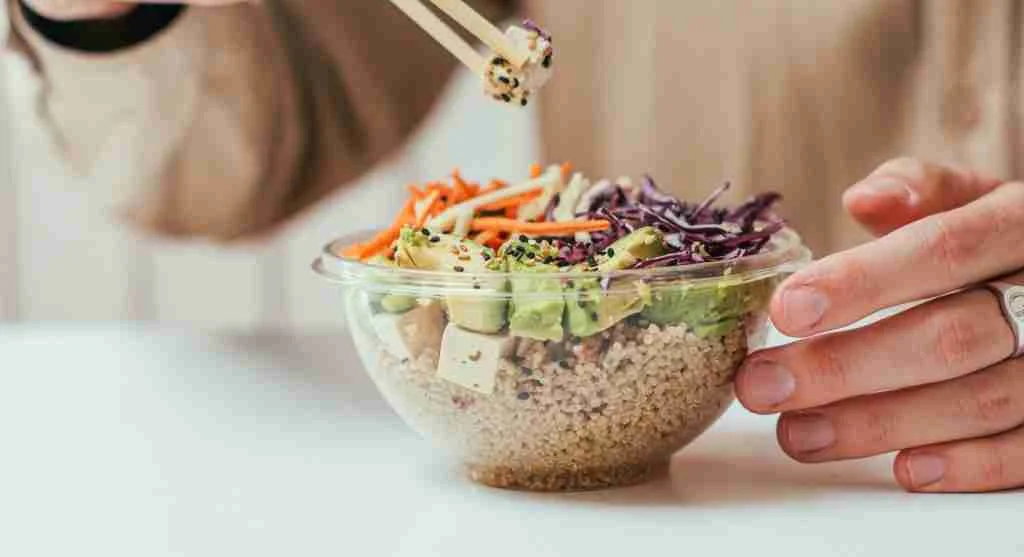
Vegetables in a grain bowl do not all improve the same way. Crisp vegetables may lose a little sharpness, while roasted or sautéed vegetables often become more settled and easier to pair with the grains. In many bowls, this improves the overall flow of the meal. The vegetables no longer seem like separate toppings placed over a base. They begin to feel like part of the structure.
This is one reason meal-prep grain bowls often feel more unified on the second day. The vegetables soften just enough to belong more naturally to the rest of the bowl without losing all of their identity.
Why first-day grain bowls can sometimes feel less finished
A freshly assembled grain bowl may still be in what could be called its “separate parts” stage. The grains are fresh, the vegetables are distinct, the sauce is noticeable in only certain bites, and the finishing elements may still feel like toppings rather than part of the meal. This can be very good, especially when freshness is the goal, but it can also make the bowl seem less settled.
Home cooking teachers often explain that first-day bowls may feel brighter, while second-day bowls may feel more connected. Neither version is automatically better. They are just different experiences built from the same ingredients.
Which grain bowls are most likely to improve by the next day?
Bowls built from cooked grains, beans, roasted vegetables, and controlled sauces often improve the most because their ingredients respond well to resting. Meals with too many fragile greens or highly watery vegetables may not improve in the same way, especially if the crispness was a major part of the original bowl.
Meal planning educators often recommend thinking about this before assembling a bowl meant for leftovers. If the goal is a strong next-day lunch, ingredients that can settle well together usually create better results than ingredients chosen only for first-day freshness.
Why the next-day version can feel more filling
Many home cooks describe leftover grain bowls as feeling more satisfying. Part of that may come from the ingredients feeling more unified. When the grains, vegetables, and proteins taste like one meal rather than several separate parts, the bowl often seems fuller and steadier even when the portion has not changed.
Food educators often note that satisfaction is not only about quantity. It is also about balance. A bowl that tastes organized and settled can feel more complete than one that is technically larger but less integrated.
When grain bowls do not improve overnight
Not every bowl benefits from waiting. Meals built around fragile greens, crisp toppings, or ingredients that rely on immediate crunch may lose too much of what made them good in the first place. This is especially true when the bowl was meant to feel fresh and fast rather than settled and meal-prepped.
Cooking instructors often explain that some bowls are designed for now and others for later. A smart home cook can build with that in mind by keeping very fresh toppings separate until closer to serving time.
How can home cooks make next-day grain bowls even better?
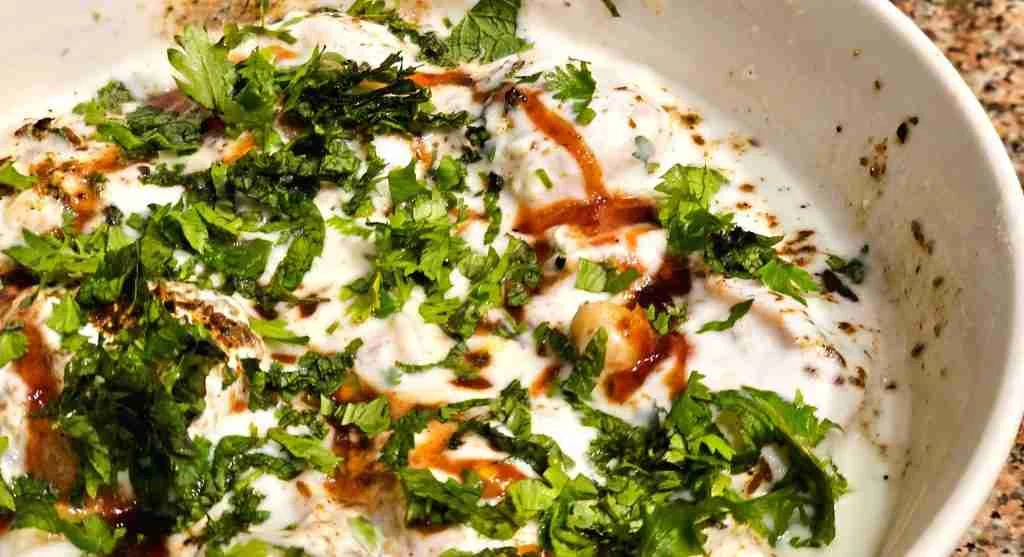
The easiest method is to let the bowl settle overnight, then add one fresh finishing element just before eating. Herbs, citrus, yogurt, seeds, or another light topping can bring freshness back without undoing the overnight benefits. This creates a useful mix of both worlds: a bowl that has settled into itself but still feels alive.
Food writers often point out that leftovers improve most when they are not treated like leftovers. A small final touch can make the bowl feel intentional again rather than simply stored and reheated.
Frequently Asked Questions
Q: Why do grain bowls sometimes taste better the next day?
A: They often taste better because the grains, vegetables, sauces, and seasonings have had time to settle together and feel more unified.
Q: Do all grain bowls improve overnight?
A: No. Bowls with fragile greens or crisp ingredients may lose too much freshness if everything is stored together too early.
Q: Why do sauces seem better in leftover grain bowls?
A: Sauces often have more time to distribute through the meal, which can make the bowl taste more balanced and connected.
Q: How can a next-day grain bowl stay fresh?
A: Adding one fresh finishing ingredient just before eating can help the bowl feel more lively while keeping the deeper overnight flavor.
Key Takeaway
Understanding why grain bowls taste better the next day helps home cooks build smarter meals for both dinner and lunch. The grains settle, the sauces spread, the vegetables integrate, and the whole bowl often becomes more unified overnight. Not every bowl improves in the same way, but many do. In practical everyday cooking, that makes grain bowls one of the most useful meal-prep formats to understand well.