Vegetable stir-in mistakes are easy to make because simple pasta meals often seem flexible and forgiving. A pan of cooked pasta, a few vegetables, and a quick sauce can look like dinner is already solved. But even easy pasta can turn watery, bland, heavy, or uneven when vegetables are added without thinking about moisture, timing, and texture. For home cooks, a few small missteps can change the whole bowl.
Cooking instructors often explain that vegetables do more than add color to pasta. They also affect the texture of the sauce, the balance of the dish, and how well the pasta and vegetables work together. Food educators also note that the best simple meals usually feel connected. When one part behaves very differently from the rest, dinner can quickly lose that balance.
Why do vegetable stir-in mistakes happen so often?
Simple pasta meals are often built quickly from whatever vegetables are already in the kitchen. That flexibility is useful, but it also makes it easy to forget that vegetables cook at different speeds and release different amounts of water. A pasta dish that looked easy at the start can become less balanced once those differences show up in the pan.
Home cooking teachers often say that easy meals still need structure. Pasta may be forgiving, but it still benefits from ingredients that are prepared with purpose. That is why vegetable handling matters more than many people first expect.
1. Adding watery vegetables without thinking is one of the biggest vegetable stir-in mistakes
Some vegetables release much more moisture than others. If they are added carelessly, the liquid can thin the sauce and make the pasta feel loose or diluted. This often happens in simple pasta dishes where there is only a small amount of sauce to begin with.
Fresh ingredient educators often remind cooks that vegetables are not neutral when it comes to water. The more moisture they release, the more the whole bowl may change. This is one reason timing and quantity matter so much in pasta dishes with vegetables.
2. Using vegetables cut in very different sizes can create uneven texture
When one vegetable is chopped very small and another is left in large pieces, they rarely finish cooking in a way that feels balanced together. Smaller pieces may soften too quickly, while larger ones stay too firm. The result can make the whole bowl feel disconnected.
Cooking instructors often explain that cut size is part of texture planning. Vegetables do not have to look identical, but they should usually be cut with the final pasta dish in mind. Similar cooking behavior often matters more than perfect visual uniformity.
3. Stirring everything in at the last second can weaken the dish
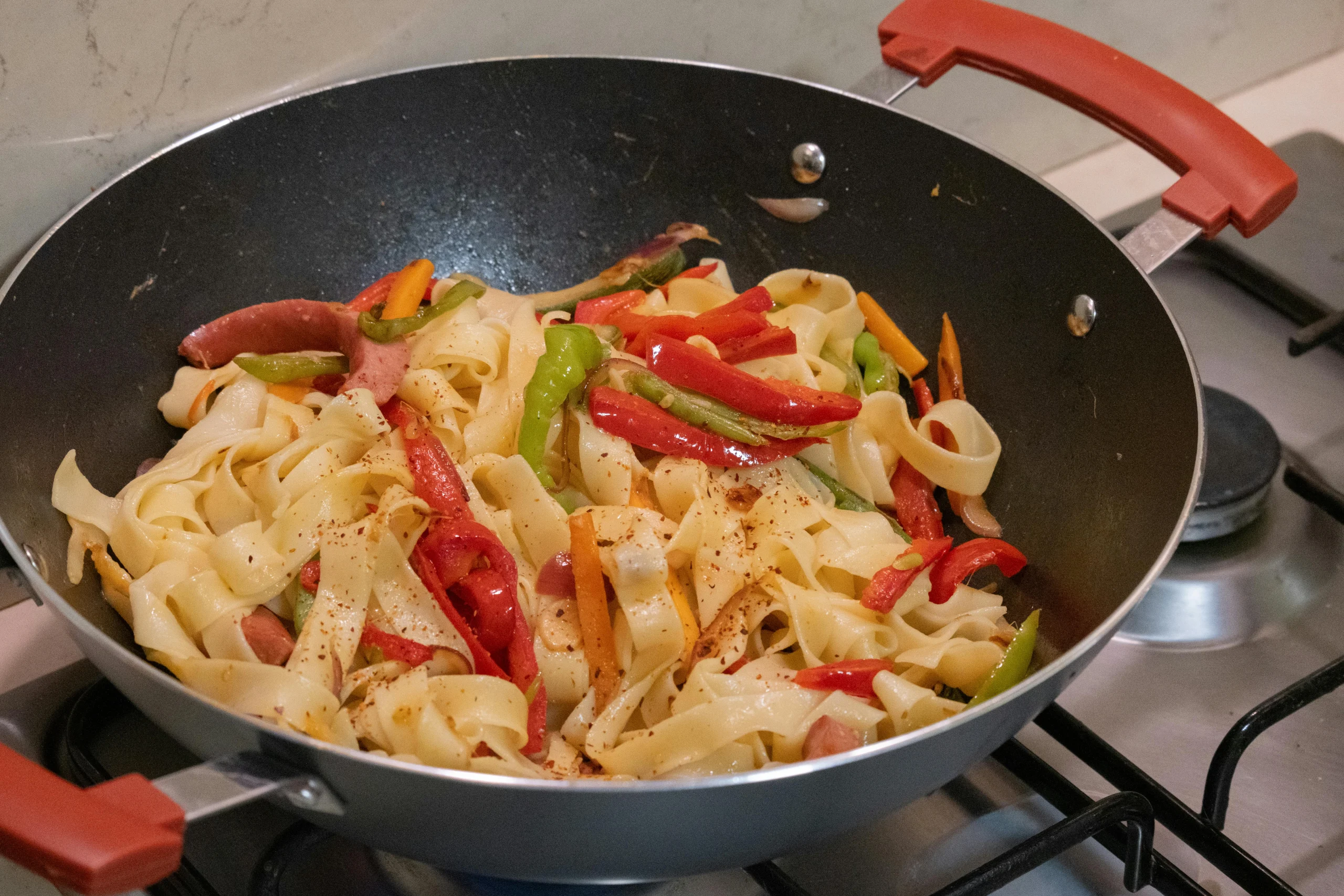
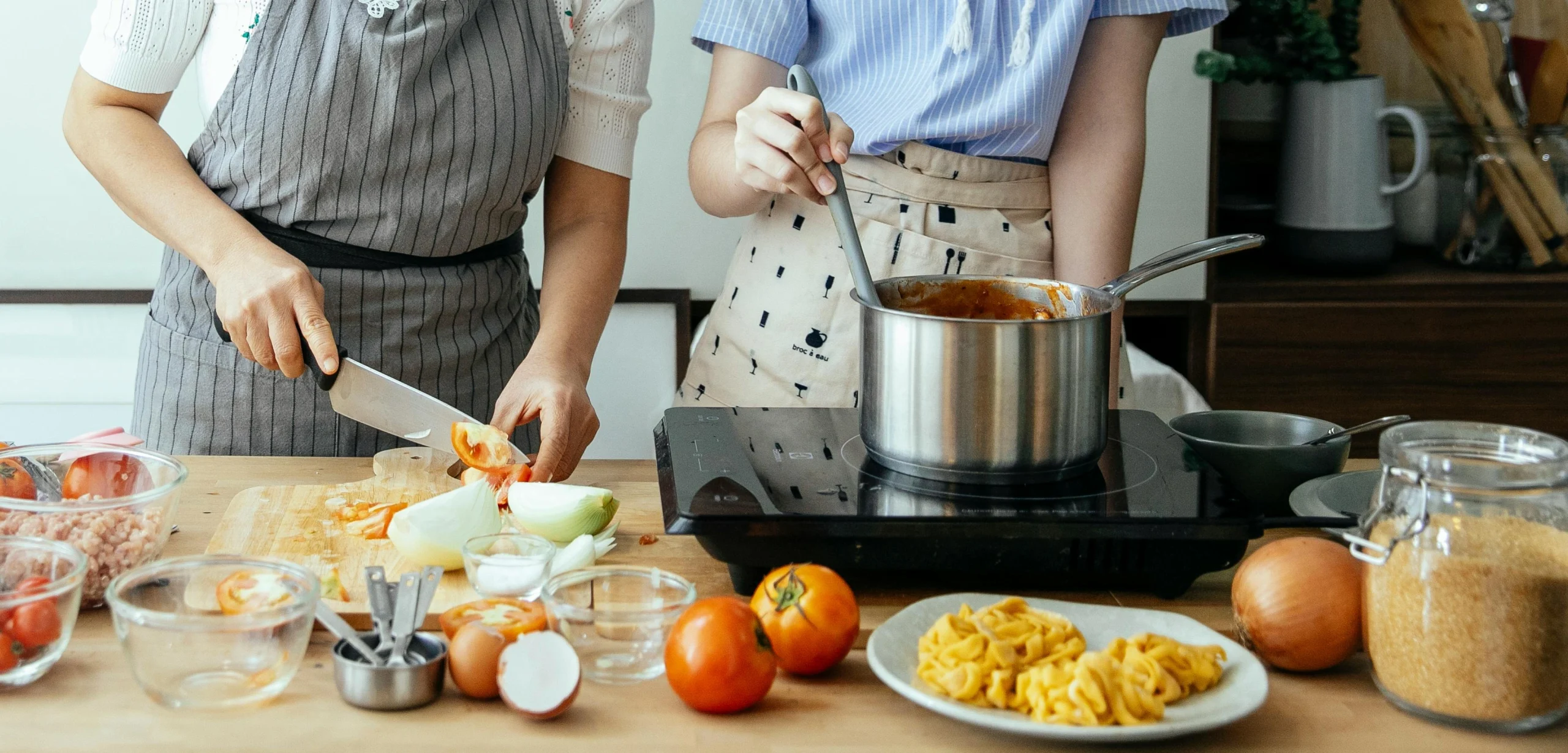
Some home cooks add vegetables only after the pasta and sauce are almost finished, thinking this will save time. But if the vegetables needed even a little more cooking or softening, they may sit awkwardly in the bowl instead of feeling like part of the meal. This is especially true for firmer vegetables that need some time to connect with the sauce.
Food educators often explain that vegetables should meet the pasta at the right stage, not only the fastest one. A few extra minutes used well can make a stronger dish than last-second assembly.
Credit: Katerina Holmes / Pexels
4. Overcooking softer vegetables is another common mistake
Softer vegetables can lose shape very quickly in a hot pan, especially if the pasta and sauce are also cooking at the same time. This can make the final dish feel mushy or visually tired instead of fresh and balanced. In a simple meal, that texture change is easy to notice.
Cooking teachers often recommend treating softer vegetables more gently or adding them later when appropriate. This helps preserve some character in the final bowl and keeps the dish from feeling one-dimensional.
5. Forgetting that vegetables change the seasoning is a major pasta mistake
Vegetables do not only change texture. They also change flavor balance. A pasta dish that tasted right before the vegetables were added may feel flatter afterward, especially if the vegetables bring extra water or absorb part of the seasoning. This is why final tasting matters.
Food writers often explain that simple meals depend on small adjustments. Adding vegetables means the dish may need another look at salt, herbs, pepper, or another finishing note before serving.
6. Using too many vegetables can crowd the pasta
Vegetables are useful, but too many can shift the dish away from balance. The bowl may stop feeling like pasta with vegetables and start feeling like vegetables with scattered pasta. That may not always be wrong, but it often changes the texture and structure more than the cook intended.
Home cooking teachers often remind beginners that easy meals usually need proportion as much as flavor. Pasta, vegetables, and sauce should support one another rather than compete for space.
7. Skipping a fresh finish can make the bowl feel dull
Vegetable pasta often benefits from one final ingredient that wakes up the dish. Fresh herbs, citrus, cracked pepper, or another light finish can restore brightness after the heat and moisture of cooking. Without that contrast, the bowl may feel heavier than expected.
Cooking instructors often explain that vegetables can soften the overall flavor direction of pasta. A fresh final note helps bring the meal back into focus and keeps it from tasting tired.
8. Not matching the vegetable to the style of sauce can leave the meal uneven
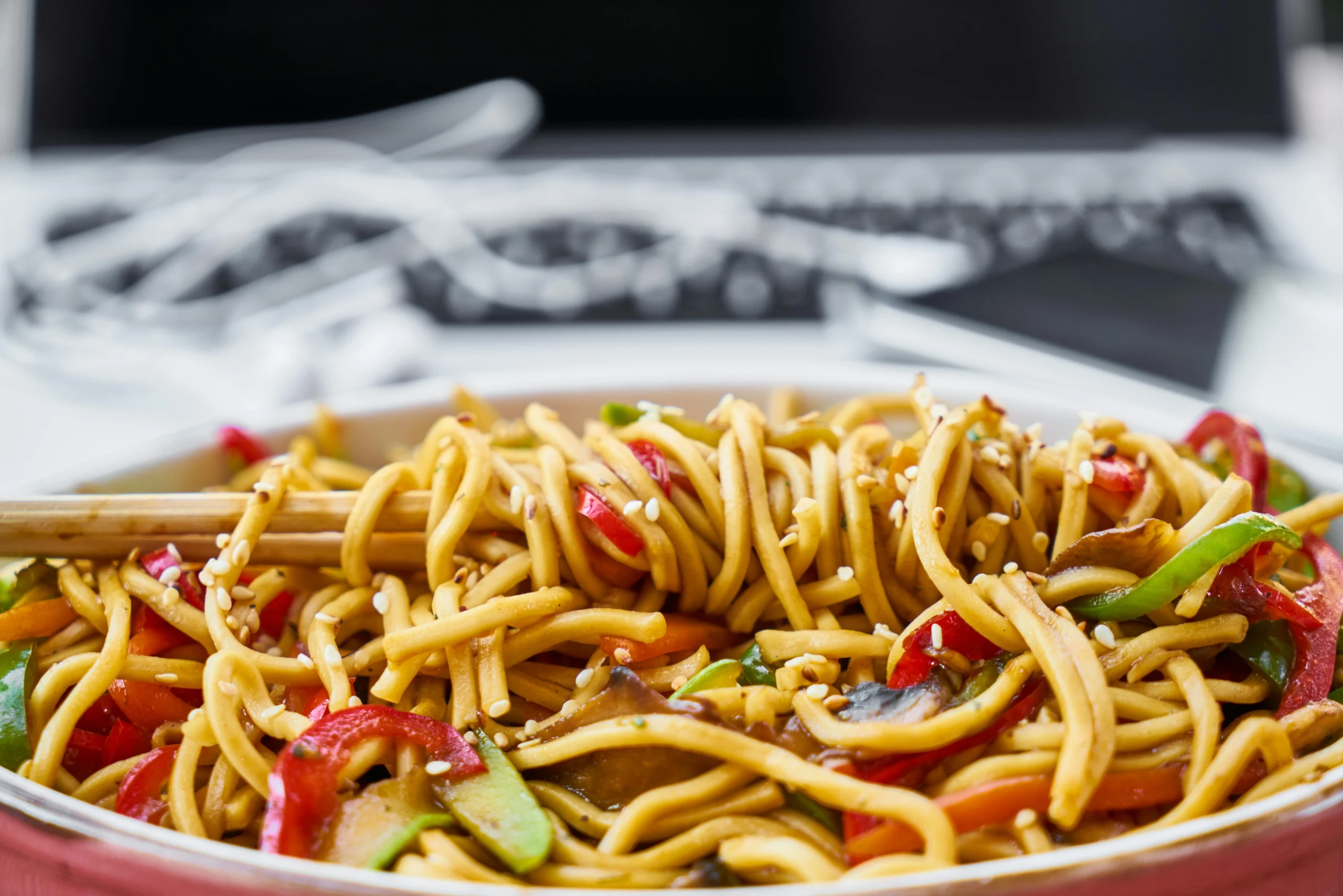
Some vegetables work better with lighter sauces, while others fit more naturally into thicker or richer pasta dishes. If the vegetable and sauce do not suit one another, the bowl may feel disconnected even if both parts taste fine alone. This is one of the most overlooked vegetable stir-in mistakes.
Food educators often encourage home cooks to think about the whole dish instead of adding vegetables only because they are available. Matching the texture and moisture of the vegetable to the style of pasta often leads to better results with less effort.
Credit: Engin Akyurt / Pexels
How can home cooks avoid vegetable stir-in mistakes more easily?
The simplest approach is to think about the vegetables before the pasta goes into the final pan. Moisture, cut size, cooking speed, and final seasoning should all be part of the plan. These habits do not make simple meals harder. They simply help the ingredients behave more predictably together.
Food educators often remind cooks that easy pasta meals are strongest when the parts feel connected. A little planning around the vegetables can make the whole bowl taste more balanced without adding much extra work.
Frequently Asked Questions
Q: Why does pasta with vegetables sometimes turn watery?
A: This often happens when vegetables release extra moisture into a light sauce or when watery vegetables are added without enough planning for timing and balance.
Q: Should vegetables be cooked before adding them to pasta?
A: In many cases, yes. Even brief cooking can help the vegetables fit the sauce better and keep the final dish from feeling disconnected.
Q: Can too many vegetables ruin a simple pasta meal?
A: They can weaken the balance if they overwhelm the pasta and sauce. Good proportion often matters as much as good flavor.
Q: Why does fresh garnish help vegetable pasta?
A: A fresh finishing ingredient can restore brightness and contrast after cooking, helping the dish feel more lively and complete.
Key Takeaway
Vegetable stir-in mistakes often come from ignoring moisture, timing, texture, and proportion in simple pasta meals. Even easy dinners become stronger when vegetables are cut thoughtfully, cooked at the right stage, and matched to the style of sauce. A final fresh touch also helps keep the bowl balanced. For home cooks, a few better habits can make pasta and vegetables work together much more smoothly.