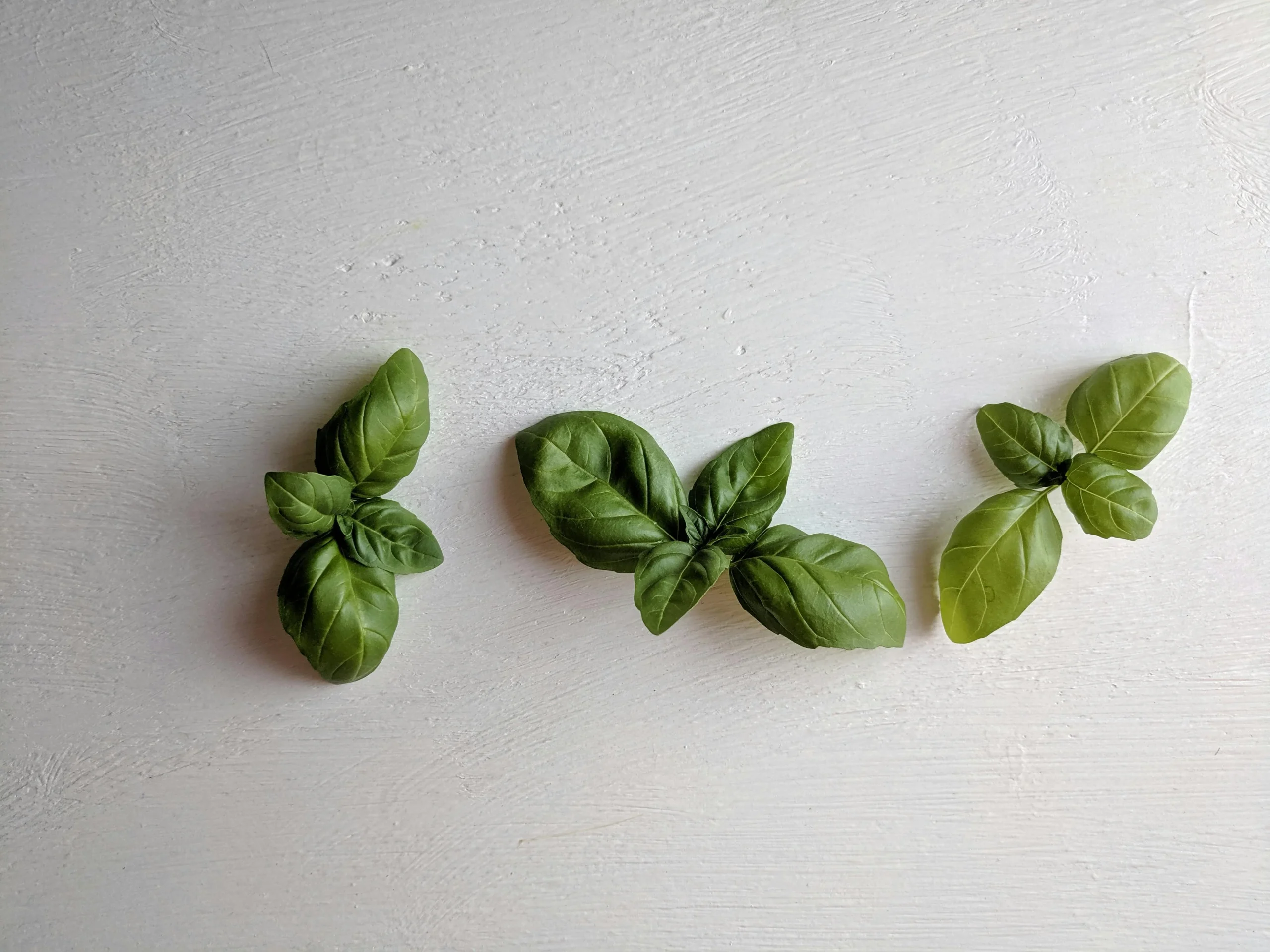
Credit: Asya Vlasova / Pexels
How does smell help when deciding how to choose fresh basil?
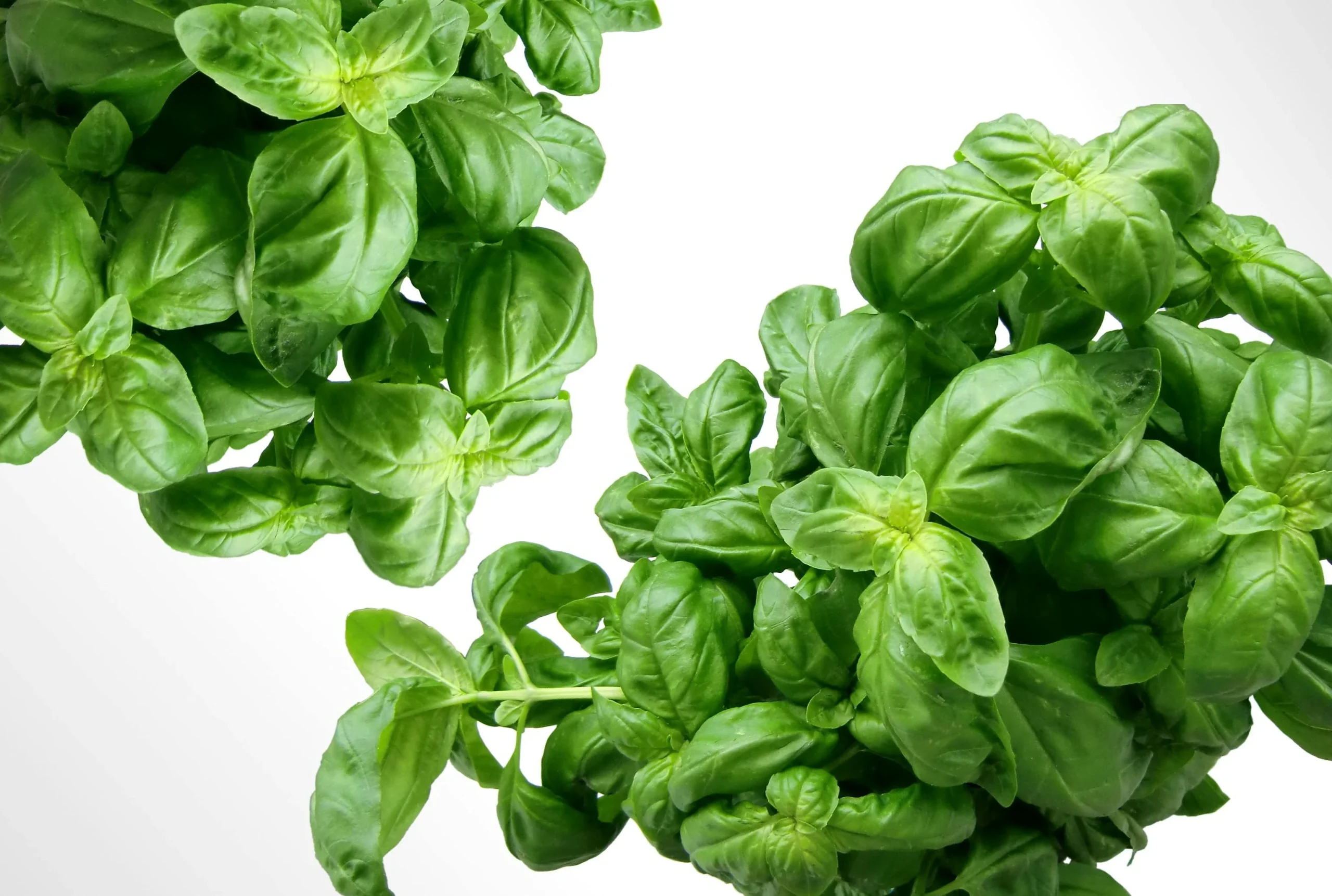
Aroma is one of the strongest clues when it can be noticed gently. Fresh basil often gives a clear sweet-herb scent that feels lively and clean. If the smell is weak or stale, the basil may not be at its best.
Food educators often explain that basil is one of the herbs where smell can tell home cooks a lot very quickly. A stronger aroma often suggests the leaves still hold the oils that make basil useful in cooking. This is one reason fresh basil can do so much even in small amounts.
Does leaf size affect how to choose fresh basil?
Leaf size can matter depending on the meal, but freshness matters more than size alone. Smaller leaves may feel more tender in some dishes, while larger leaves can still work very well when the bunch is healthy. What matters most is whether the leaves still look and feel fresh enough for the intended use.
Cooking teachers often remind home cooks that purpose matters. Basil for a fresh salad may be chosen differently from basil heading into a warm sauce or soup finish. Thinking about the final use can make shopping easier and reduce waste later.
How should basil be stored after buying it?
Storage affects basil quickly because the leaves are delicate. Basil often needs more care than sturdier herbs if the goal is to keep it useful for more than one meal. Fresh ingredient experts often recommend checking the bunch soon after bringing it home so damaged leaves can be removed early.
It also helps to buy basil with a rough plan for when it will be used. Since basil is often added fresh, it is one of the herbs that can lose value quickly if it sits too long without a clear purpose. A smaller fresh bunch is often more useful than a larger bunch that fades before it is needed.
Many home cooks also avoid washing all of the basil at once unless it will be used immediately. Extra moisture can make delicate leaves harder to keep in good shape. Handling basil gently often supports better flavor and appearance in later meals.
How can cooking with basil reduce waste?
Basil can move through more meals than many people expect. One bunch may go into tomato salads, pasta, grain bowls, egg dishes, or simple sandwiches over several days. This makes basil easier to use fully when home cooks think in terms of several small uses rather than one single recipe.
Meal planning educators often encourage this approach because it turns fresh herbs into flexible kitchen tools instead of occasional extras. Basil works especially well this way because even a few leaves can noticeably change a dish.
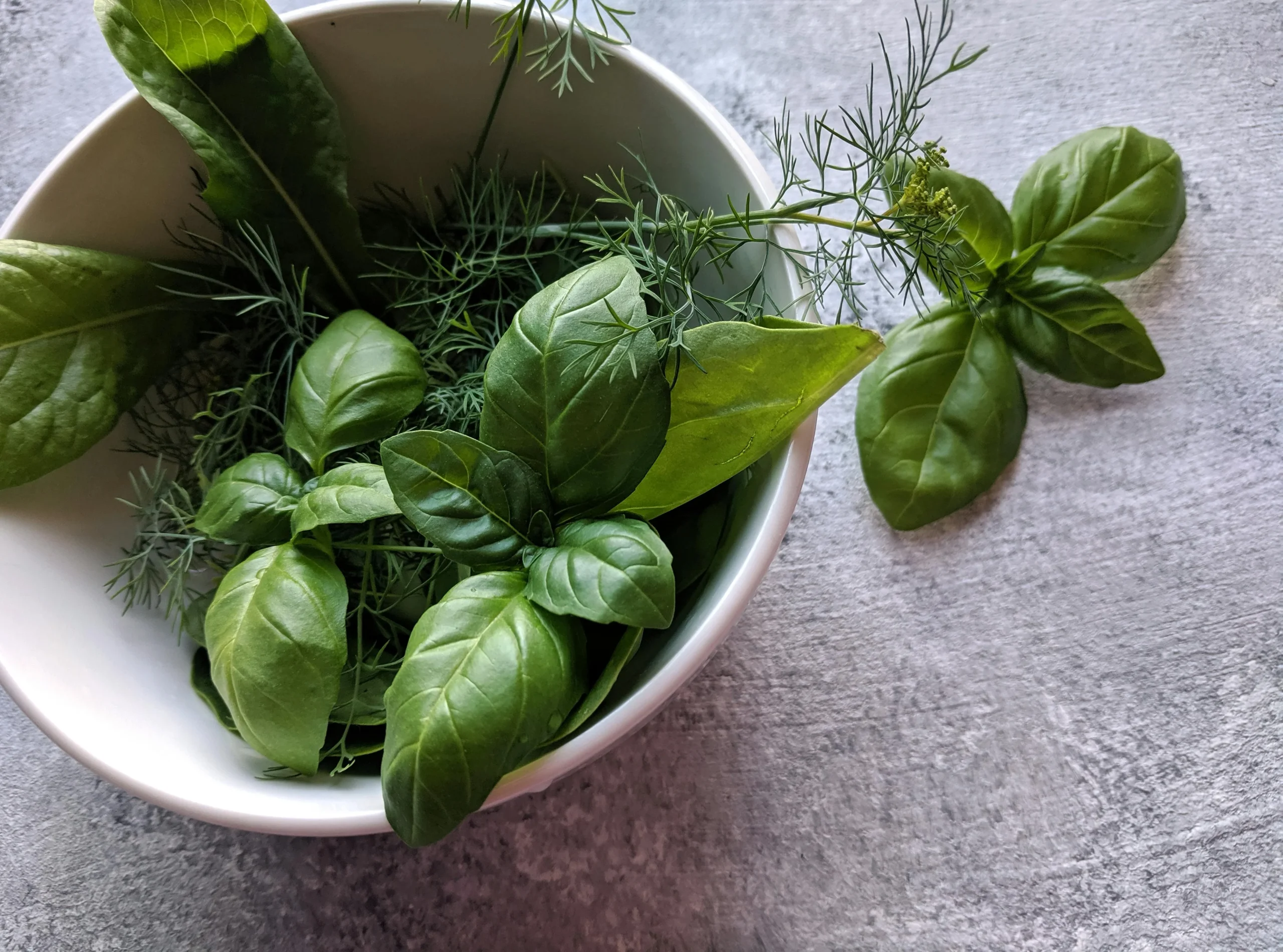
Credit: Asya Vlasova / Pexels
When should basil be added during cooking?
Timing changes how basil behaves. Added near the end, basil often keeps more of its fresh aroma and clear flavor. Added too early, it may lose some of the brightness that makes it so useful in light everyday meals.
Cooking instructors often explain that basil is usually strongest when it is treated as a finishing herb rather than a long-cooked ingredient. This is one reason fresh basil can make such a quick difference in simple dishes.
How to choose fresh basil without overbuying
The most practical shopping habit is to match basil to two or three likely meals. A cook may plan it for pasta, salad, and eggs, for example. This helps make sure the herb is used while still fresh and useful rather than sitting too long in storage.
Fresh ingredients are easiest to manage when they are tied to real kitchen habits. A modest bunch of strong basil often serves the meal plan better than buying extra without a clear use in mind.
Frequently Asked Questions
Q: What is the easiest sign of fresh basil?
A: Fresh basil usually has bright leaves that look lively rather than bruised or yellowing. A clear basil aroma is also a useful sign.
Q: Is dark spotting on basil always a problem?
A: A small amount may not ruin the whole bunch, but heavy dark spots often suggest bruising or decline. It is usually better to choose basil with healthier-looking leaves.
Q: Should basil be washed right after buying it?
A: Many cooks prefer to wash basil closer to use. Too much moisture too early can make delicate leaves harder to keep fresh.
Q: Can basil really improve simple meals?
A: Yes. Basil can add aroma and freshness to pasta, tomatoes, grain bowls, eggs, and many other simple dishes even in small amounts.
Key Takeaway
Learning how to choose fresh basil helps home cooks get brighter flavor, better aroma, and more value from one of the most useful everyday herbs. Leaf color, bunch condition, aroma, and careful storage all affect how well basil will perform in simple meals. Because basil is often added fresh, quality is especially easy to notice. For everyday cooking, a good bunch of basil can improve many dishes with very little effort.
[INTERNAL LINKING SUGGESTIONS]
- How to Choose Fresh Herbs for Better Flavor in Everyday Cooking
- 6 Summer Tomato Recipes That Keep Cooking Simple and Fresh
- How to Choose Fresh Garlic for Better Flavor in Everyday Cooking