Credit: Sergej / Pexels
4. Storage conditions change potato quality over time
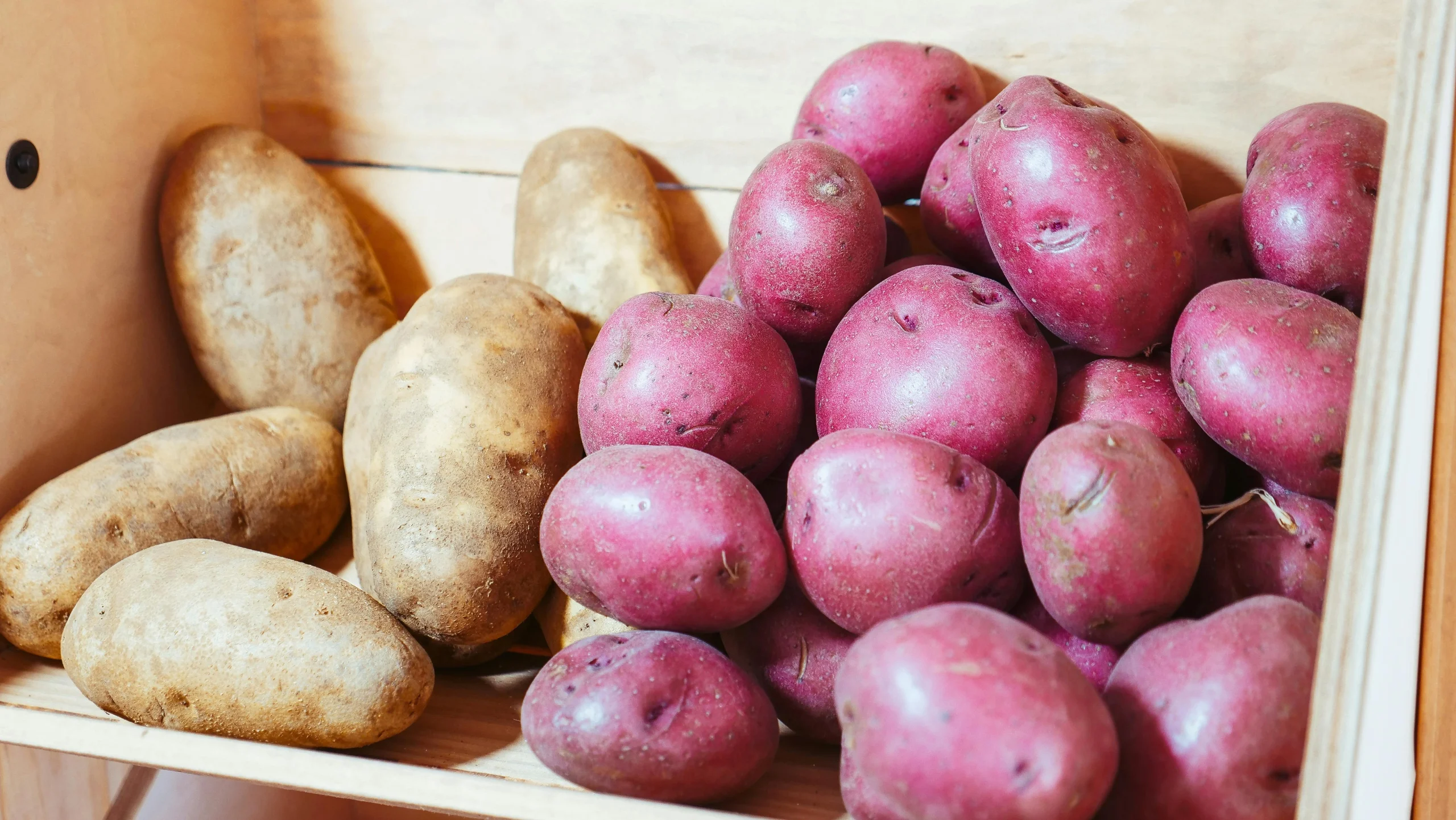
Potatoes don’t stay exactly the same after they come home from the store. Light, warmth, and time can all affect their condition. When stored poorly, they may sprout, soften, or lose the texture that works best in cooking.
Fresh ingredient specialists often point out that potatoes keep better in stable conditions that don’t encourage moisture buildup or early sprouting. Good storage helps maintain quality, while poor storage can make even a good batch harder to use well in the kitchen.
5. A waxy or floury texture changes how potatoes should be used
Many home cooks don’t think about texture categories, but potatoes generally fall into a few broad types. Firmer, waxy potatoes tend to hold their shape, while more floury potatoes break down more easily.
Food educators often describe this as one of the most practical potato facts because it directly connects to cooking results. Waxy potatoes work well in salads or soups where structure matters, while floury ones are better for mash or dishes that benefit from a softer texture.
6. Overcooking does not affect all potato dishes in the same way
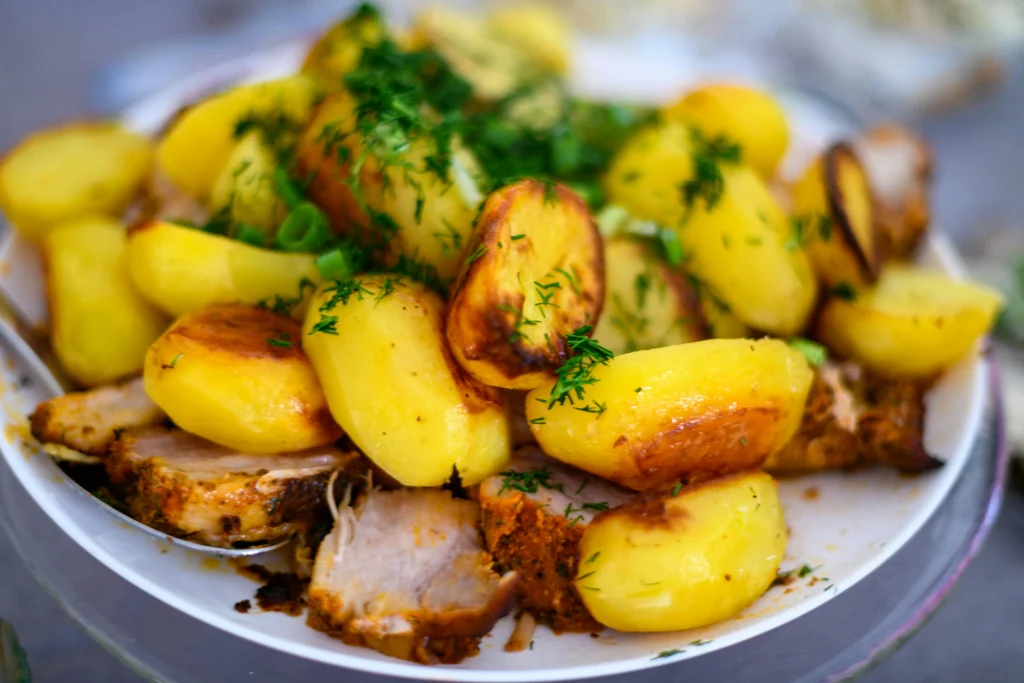
Overcooking doesn’t have the same impact in every dish. In mashed potatoes, extra softness may still work well. In roasted dishes or potato salads, that same softness can make the result feel too loose or uneven.
Cooking instructors often suggest thinking about the final use first. A potato that works perfectly in a soup may not be right for roasting, and one ideal for mash may not hold up in a structured side dish.
7. Potatoes work well because they carry other flavors so easily
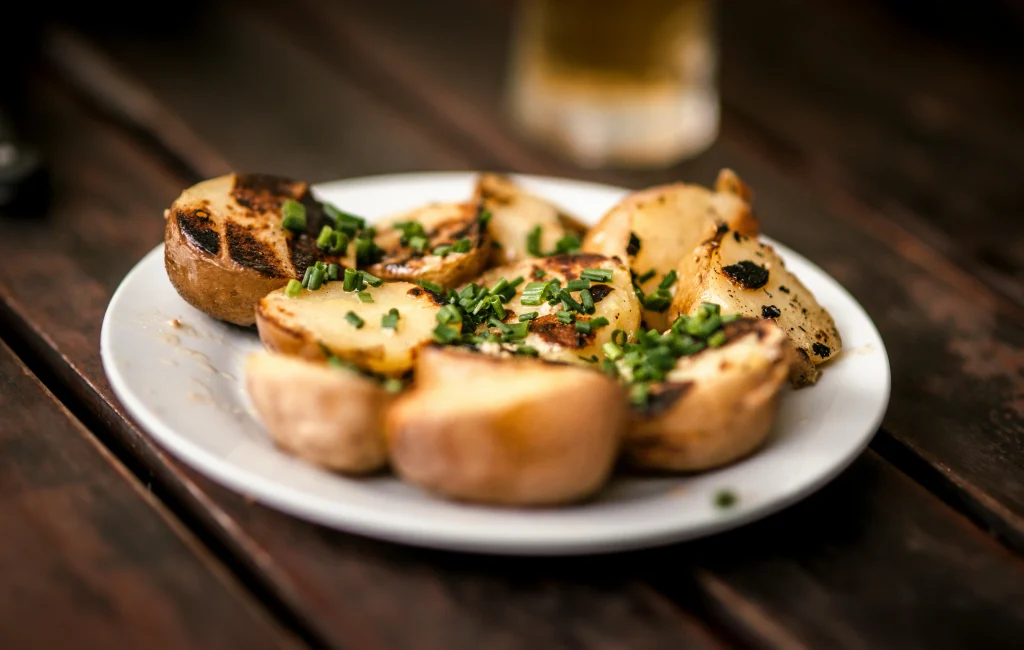
Potatoes are sometimes described as plain, but that mild flavor is actually one of their biggest strengths. They absorb herbs, spices, sauces, and aromatics easily without overpowering the dish.
Meal planning educators often view potatoes as a flexible base rather than a simple side. Their ability to adapt to different flavors makes them useful in a wide range of meals, from light herb-based dishes to richer roasted combinations. For home cooks, that versatility is one of the most valuable things to understand about them.
Credit: Majkel Berger / Pexels
Why do people misunderstand potatoes so easily?
Potatoes are common, affordable, and widely used, so many people treat them as interchangeable. A method that works once may be repeated across every potato dish, even when the cooking goal changes. This creates confusion because potatoes respond very differently depending on type, moisture, and heat.
Food educators often encourage home cooks to think about potatoes by texture and purpose rather than as one fixed ingredient. Once that shift happens, roasting, mashing, boiling, and storing potatoes often become much easier to understand.
Frequently Asked Questions
Q: Why do cut potatoes turn brown?
A: Cut potatoes can darken when exposed to air. This is usually a surface reaction and not an immediate sign that the potato is unusable.
Q: Do all potatoes roast the same way?
A: No. Different potatoes have different textures, and some hold their shape or brown more effectively than others depending on the dish.
Q: Why is drying potatoes important before roasting?
A: Drying reduces extra surface moisture, which helps the potatoes brown better and develop stronger outer texture in the oven.
Q: Are potatoes only useful as side dishes?
A: No. Potatoes can act as a meal base, a soup ingredient, a salad ingredient, or a key part of many complete dishes.
Key Takeaway
These food facts about potatoes show that type, moisture, storage, and texture all affect how potatoes behave in the kitchen. Potatoes may look simple, but small choices can change whether they roast well, mash smoothly, or hold their shape. Understanding a few basic facts makes them easier to use with confidence. For everyday home cooks, that knowledge can improve many meals without making cooking more complicated.
[INTERNAL LINKING SUGGESTIONS]
- A Simple Guide to Roasting Potatoes With Better Crisp Edges
- 7 Rice Bowl Meals That Make Busy Weeknights Easier
- How to Steam Vegetables So They Stay Bright and Tender
Leave a Reply