A Simple Guide to Cooking Quinoa for Better Texture and Flavor

guide to cooking quinoa for lighter texture and better flavor

A practical guide to cooking quinoa helps turn a simple grain into a dependable base for bowls, salads, side dishes, and easy meal prep. Quinoa cooks quickly, but it can still end up soggy, bitter, or uneven if a few small steps are missed. Paying attention to rinsing, water balance, and resting usually makes a clear difference in everyday results.

Cooking instructors often explain that quinoa benefits from the same care given to rice or other grains. Food educators also point out that quinoa is especially useful because it feels light while still adding substance, making it a strong option for quick lunches and simple dinners.

Why is a guide to cooking quinoa useful for beginners?

Quinoa looks straightforward because it cooks in one pot and doesn’t need many ingredients. That simplicity can lead to rushing. In practice, quinoa is quite sensitive to water and timing. Too much liquid can make it heavy and soft, while too little can leave it undercooked and uneven.

Home cooking teachers often note that quinoa continues to settle after the heat is turned off. The final texture depends not just on the simmer, but also on the resting stage. A short pause at the end can mean the difference between light, separate grains and a dense result.

Why does rinsing matter in a guide to cooking quinoa?

Rinsing is one of the most important steps because it removes a natural coating that can taste bitter or slightly harsh. Even when quinoa is labeled as pre-rinsed, many cooks still rinse it briefly for a cleaner flavor.

Food educators often explain that this coating is the reason some people think they don’t like quinoa. In many cases, the issue is not the grain itself but what remains on the surface when rinsing is skipped.

A fine sieve makes the process easier since quinoa grains are very small. Once rinsed, the grain is ready to cook with almost no extra effort, making this one of the simplest ways to improve the final dish.

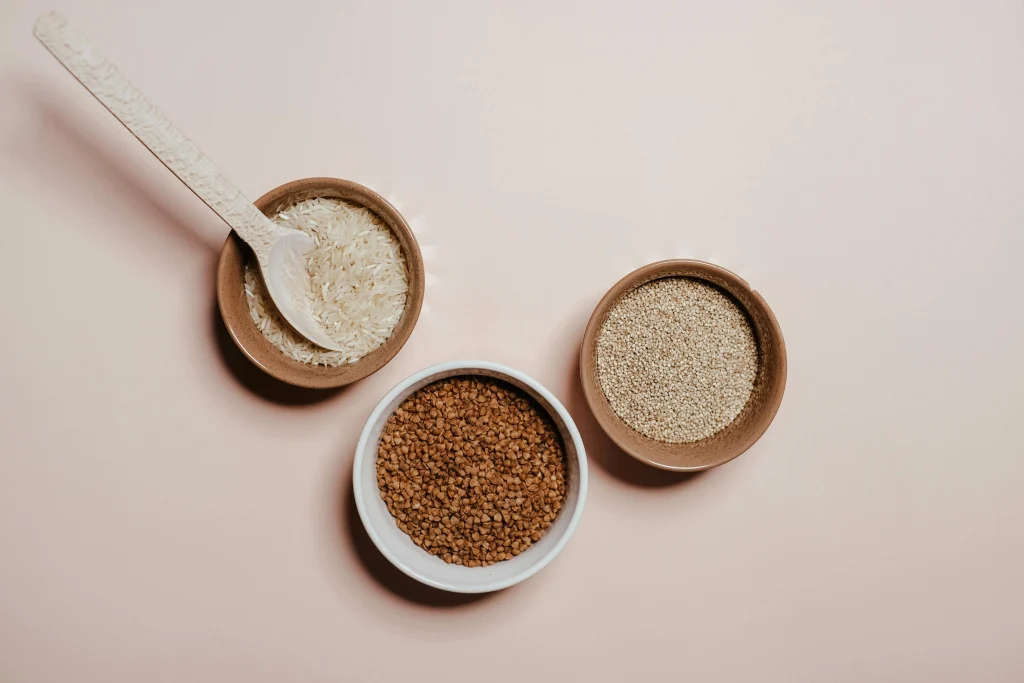
guide to cooking quinoa begins with rinsing the grains wellCredit: Vie Studio  / Pexels

How much water works best in a guide to cooking quinoa?

Water balance is one of the biggest factors shaping quinoa’s texture. Too much can leave the grains soft and slightly wet, while too little can prevent them from cooking through evenly. The goal is to give quinoa enough liquid to absorb fully without leaving excess behind.

Cooking educators often suggest starting with a consistent ratio, then adjusting based on your stove, pot, and preference. Quinoa for a softer, warm side dish can handle a bit more moisture, while quinoa for salads or grain bowls usually benefits from a lighter, more separate finish.

What is the basic method in a guide to cooking quinoa?

Start by rinsing the quinoa, then add it to a pot with water or another cooking liquid. Bring it up to heat, then reduce to a steady simmer rather than a hard boil. This gentler heat helps the grains absorb moisture more evenly.

As quinoa cooks, the grains begin to open and show a small curled outer ring. This is a useful visual sign that it’s nearly ready. Cooking teachers often recommend checking when most of the liquid is absorbed instead of stirring frequently.

Once the heat is off, let the quinoa rest with the lid on. This short pause allows any remaining moisture to settle and helps create a more even texture across the pot.

Why does resting matter after quinoa cooks?

Resting is easy to overlook, but it often makes a clear difference. Quinoa can seem finished while still holding uneven moisture. A short rest gives the grains time to settle and become lighter.

Food educators often point out that fluffing too early can interrupt this final stage. Waiting a few minutes, then gently loosening the quinoa with a fork, usually leads to better results than stirring right away.

What common mistakes affect quinoa texture?

Skipping the rinse is a common issue and often leads to a slightly bitter taste. Using too much liquid can make quinoa feel dense, while cooking at a strong boil can create uneven texture by moving the liquid too aggressively.

Another mistake is not thinking about the final use. Quinoa for a warm dish may be slightly softer, while quinoa for salads usually benefits from a lighter, more separate texture. Matching the cooking style to the meal helps avoid disappointing results.

How can cooked quinoa be used in everyday meals?

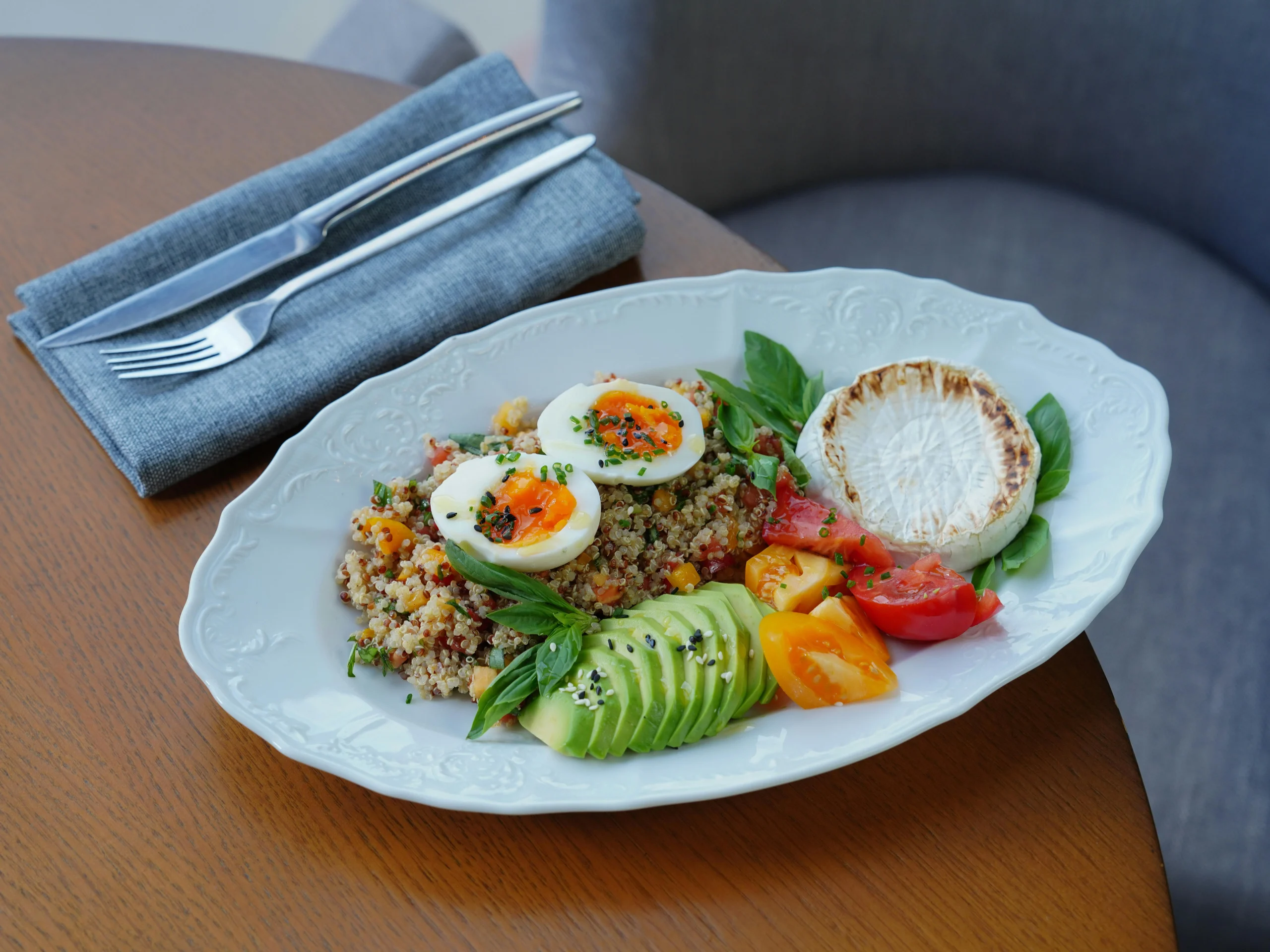
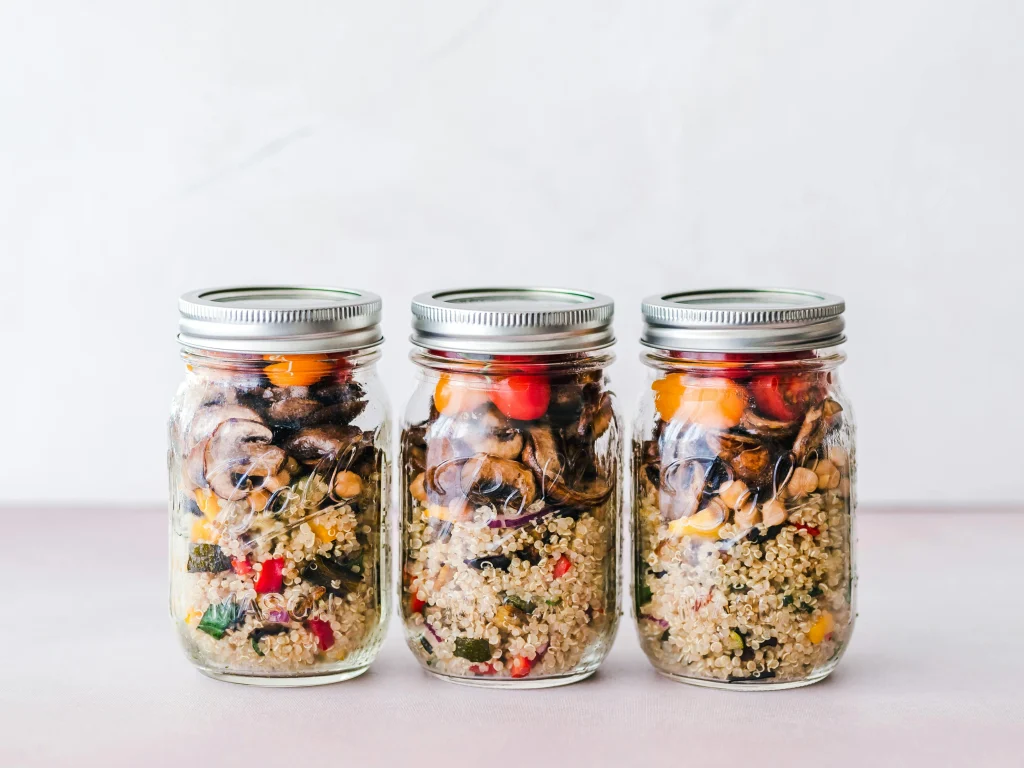
Cooked quinoa is flexible and easy to work into daily meals. It fits well in grain bowls, warm salads, soups, and simple side dishes. It can sit under roasted vegetables, mix with herbs and citrus, or support eggs and other quick toppings.

Meal planning educators often recommend making a batch ahead of time. One pot can carry through several meals during the week, making quinoa a practical staple rather than something that needs to be cooked fresh each time.

guide to cooking quinoa for bowls salads and simple mealsCredit: Ella Olsson  / Pexels

Frequently Asked Questions

Q: Why should quinoa be rinsed before cooking?
A: Rinsing helps remove the natural surface coating that can leave a bitter taste. This usually gives quinoa a cleaner final flavor.

Q: Why does quinoa sometimes turn soggy?
A: Soggy quinoa often comes from too much liquid or not enough resting and fluffing at the end. High heat can also affect the balance of the pot.

Q: How can home cooks tell when quinoa is done?
A: Quinoa often looks ready when the liquid is mostly absorbed and the small outer curl becomes visible on the grains. A short rest after cooking also helps finish the texture.

Q: Is quinoa useful for meal prep?
A: Yes. Cooked quinoa can be used in bowls, salads, and side dishes across several meals, which makes it practical for everyday planning.

Key Takeaway

A good guide to cooking quinoa depends on rinsing well, using a balanced amount of liquid, simmering gently, and allowing time to rest before fluffing. These steps help quinoa stay lighter, cleaner in flavor, and more useful across different meals. The best finish often depends on whether quinoa is meant for a warm side, a bowl, or a salad. For home cooks, a few steady habits can make quinoa much easier to trust.


[INTERNAL LINKING SUGGESTIONS]

  • A Simple Guide to Cooking Rice Without Guesswork
  • How to Cook Lentils So They Stay Tender but Not Mushy
  • 7 Rice Bowl Meals That Make Busy Weeknights Easier

Comments

Leave a Reply

Your email address will not be published. Required fields are marked *