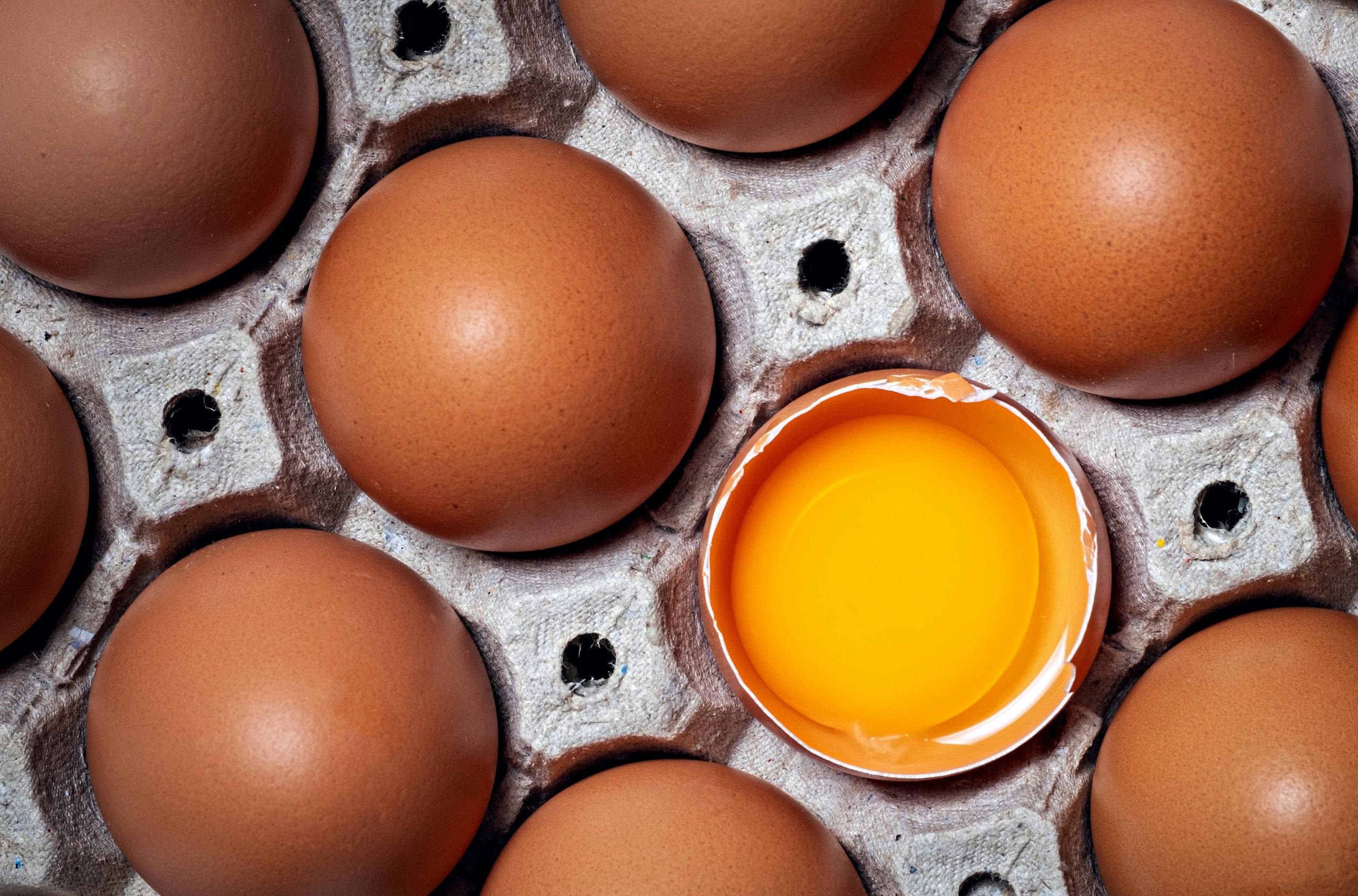
Many food facts about eggs are surrounded by confusion because eggs are used so often in everyday cooking. People boil them, fry them, bake with them, and use them in sauces, batters, and breakfast dishes. Because eggs feel familiar, many kitchen habits are repeated without much question, even when some of those ideas are incomplete or outdated.
Food educators often explain that eggs are simple ingredients with surprisingly complex behavior. Their color, structure, freshness, and response to heat can all affect the final dish. For home cooks, understanding a few clear facts can make eggs easier to buy, store, and cook with confidence.
1. Brown eggs are not automatically healthier than white eggs
One of the most common egg myths is that brown eggs are naturally more nutritious than white eggs. In most cases, shell color mainly reflects the breed of the hen rather than a major difference in nutrition. The color can change how people view quality, but it does not automatically signal a healthier egg.
Food specialists often note that nutrition is more closely tied to the hen’s diet and living conditions than shell color alone. For everyday cooking, brown and white eggs usually work in very similar ways. This means shell color should not be treated as the main sign of quality.
2. Freshness is not only about the date on the carton
Dates are useful, but they are not the only clue. Egg freshness can also be judged by how the egg behaves after cracking. Fresher eggs often have firmer whites and a more rounded yolk, while older eggs may spread more in the pan or bowl.
Cooking instructors often explain that different levels of freshness suit different uses. Very fresh eggs may work well for frying or poaching, while slightly older eggs can still be useful for baking or hard boiling. Understanding this can help reduce waste and make egg use more practical.
3. The yolk color does not always mean better nutrition
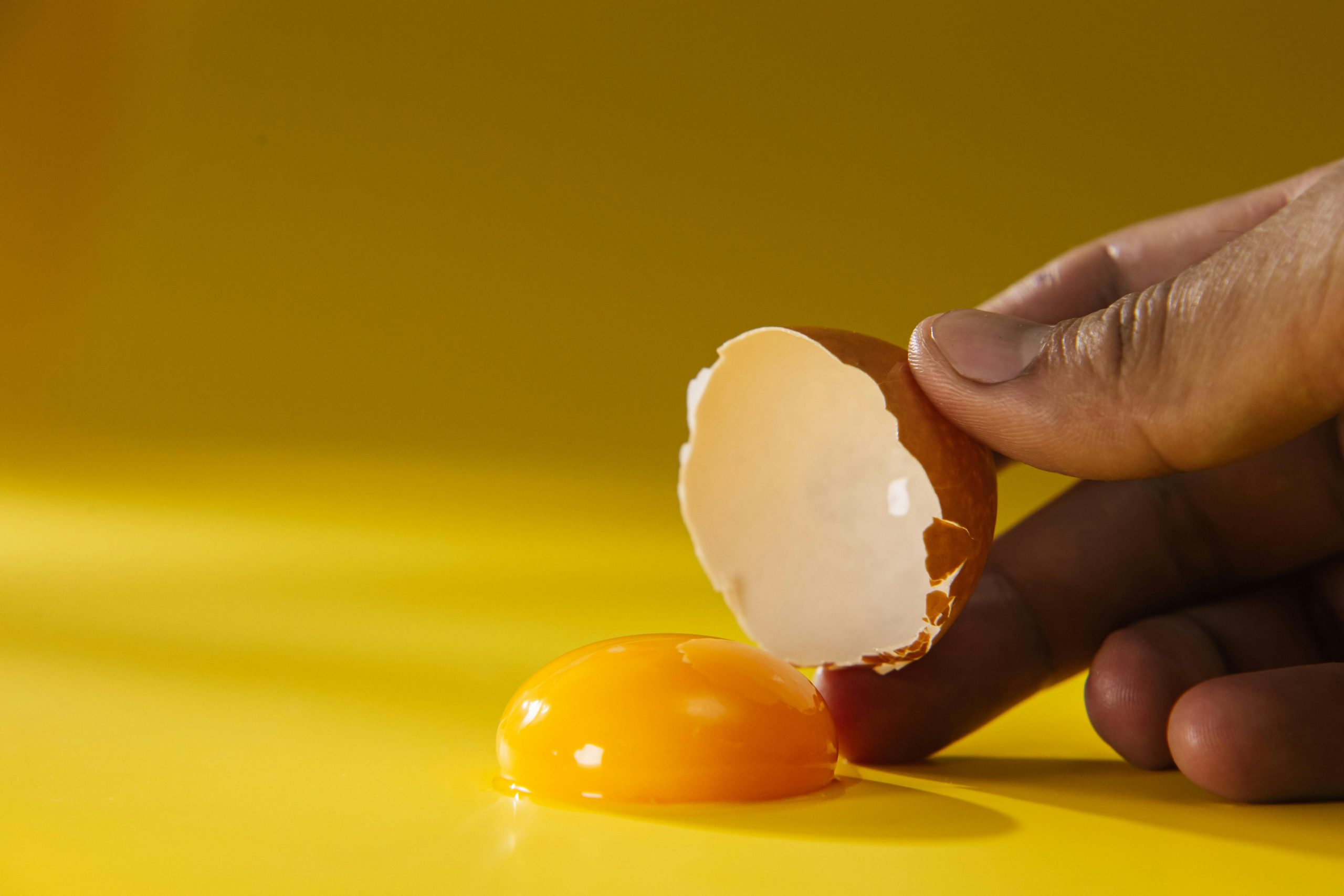
Deep yellow or orange yolks are often seen as a sign of better eggs, but yolk color usually reflects what the hen was fed. Certain feeds naturally change the pigment in the yolk. That may affect appearance, but it does not always mean a major nutritional difference.
Food researchers and educators often warn against judging quality by color alone. A bright yolk may look appealing, but texture, freshness, and handling can matter more in the kitchen. For home cooks, appearance should be treated as one clue, not the whole story.
Credit: Ron Lach / Pexels
4. Eggs should not always be stored the same way once opened or cooked
Whole eggs in their shells are handled differently from cracked eggs or cooked egg dishes. Once eggs are cracked, they become more sensitive to timing, storage, and temperature control. Cooked egg dishes also need careful handling because texture and safety both change after cooking.
Food safety educators often stress that storage matters just as much as cooking method. Eggs left out too long, moved between temperatures too often, or stored carelessly after preparation may lose quality more quickly. Consistent handling supports better results in both taste and texture.
5. Hard-boiled eggs are not always easiest with the freshest eggs
This surprises many home cooks. Very fresh eggs can sometimes be harder to peel after boiling. Slightly older eggs may peel more easily, which is one reason some cooks prefer not to use the newest eggs for this purpose.
Kitchen instructors often note that hard-boiled eggs involve more than just cooking time. Cooling method, shell condition, and egg age can all affect the final peel. This explains why peeling results can vary even when the cooking steps seem the same.
6. Overcooking changes more than just texture
Eggs respond quickly to heat, and overcooking can make them firm, dry, and less pleasant to eat. In boiled eggs, overcooking may also create a green-gray ring around the yolk. This does not usually mean the egg is unsafe, but it can signal that the heat or timing was too strong.
Cooking teachers often explain that eggs continue changing even after direct heat stops. That is why cooling and timing matter so much. Gentle handling can improve both appearance and texture in simple egg dishes.
7. Eggs behave differently in baking than they do in pan cooking
In a frying pan, eggs are often judged by visible texture. In baking, their role is broader. Eggs can help bind ingredients, trap air, support structure, and add moisture. This is one reason egg substitutions can change baked results even when flavor seems similar.
Food science educators often describe eggs as one of the most useful structure-building ingredients in the kitchen. For home bakers, understanding this can explain why cakes, muffins, and batters respond differently when eggs are added, beaten, or omitted.

Credit: cottonbro studio / Pexels
Why do egg myths stay common for so long?
Eggs are everyday ingredients, so many people learn about them through habit rather than formal instruction. A method that works once may be repeated for years, even if the explanation behind it is incomplete. This is common in home kitchens because practical habits often spread faster than food science facts.
Food educators often encourage cooks to observe eggs closely during use. Texture, smell, handling, and cooking response can reveal more than old assumptions. This helps replace guesswork with a more useful understanding of how eggs really behave.
Frequently Asked Questions
Q: Are brown eggs better than white eggs?
A: Not automatically. Shell color usually relates to the breed of the hen, not a major nutritional difference.
Q: Does a darker yolk mean a better egg?
A: Not always. Yolk color often reflects feed and appearance more than overall quality on its own.
Q: Why are some boiled eggs hard to peel?
A: Egg age, cooking method, and cooling can all affect peeling. Very fresh eggs can sometimes be harder to peel than slightly older ones.
Q: Is the green ring around a boiled yolk dangerous?
A: It is usually a sign of overcooking rather than danger. The egg may still be safe, but the texture and appearance can be affected.
Key Takeaway
These food facts about eggs show that shell color, yolk color, freshness, storage, and cooking method are often misunderstood in home kitchens. Eggs are simple to use, but they respond closely to heat, age, and handling. Understanding a few basic facts can make them easier to cook well and judge more accurately. For everyday meals and baking, better egg knowledge can improve both results and confidence.
[INTERNAL LINKING SUGGESTIONS]
- Cooking Basics Every Beginner Should Know About Eggs
- Cooking Mistakes That Can Ruin Scrambled Eggs
- Easy Meals That Use Eggs and Fresh Herbs
Leave a Reply