 Credit: Sebastian Coman / Pexels
4. Use enough oil, but not too much
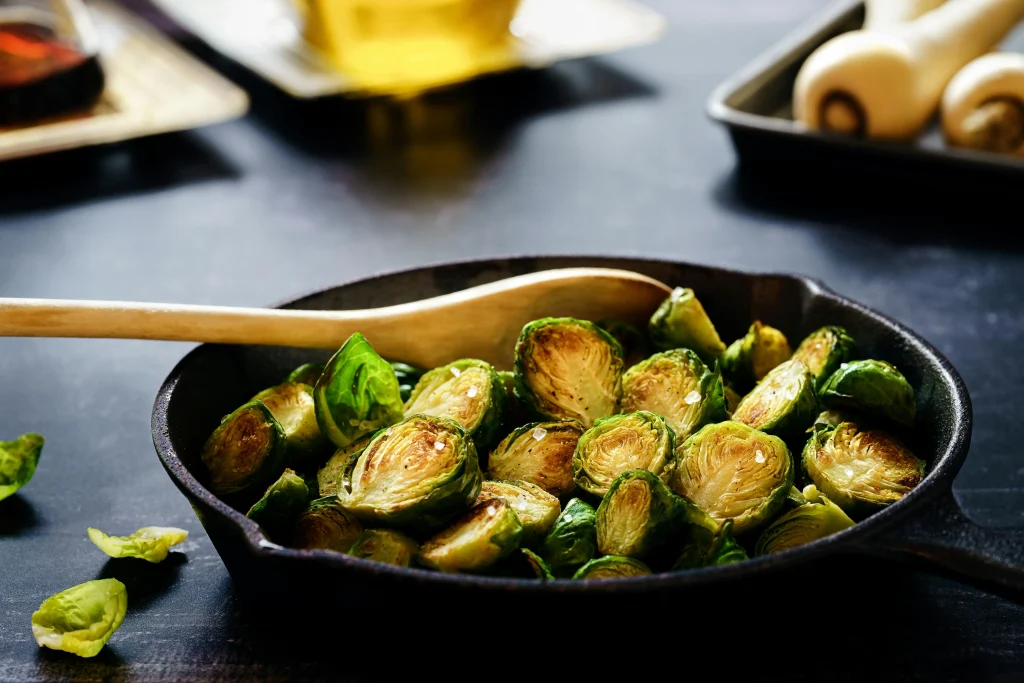
Oil plays an important role in roasting. It helps vegetables brown more evenly and allows seasonings to stick. Too little oil can leave the tray dry and patchy, while too much can make everything feel heavy. The goal is a light, even coating rather than excess.
Cooking educators often emphasize balance here. Vegetables should look lightly coated, not drenched. This allows the heat to work on the surface properly without weighing the ingredients down.
5. Match the tray to the vegetable mix
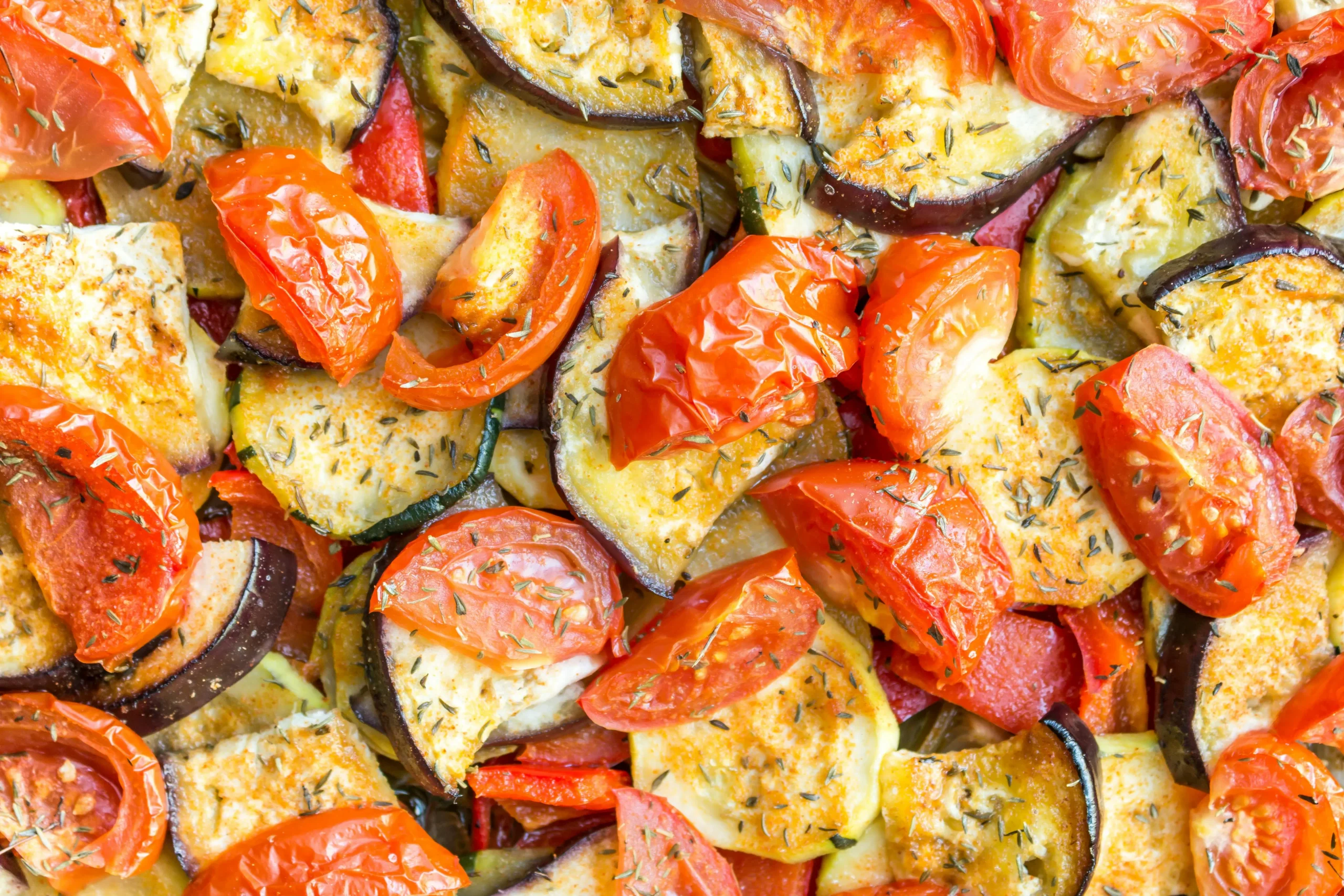
Different vegetables roast at different speeds. Dense options like carrots or potatoes usually need more time than softer ones like zucchini or mushrooms. When everything goes into the oven at once without planning, some pieces may overcook while others are still underdone.
Food educators often suggest grouping vegetables with similar cooking times or adding quicker-cooking ingredients later. This helps the tray finish more evenly and keeps the texture balanced.
6. Turn vegetables at the right time
Turning vegetables during roasting can help more sides brown and make better contact with the heat. However, moving them too early can interrupt the initial browning process. Letting them sit undisturbed for a while usually leads to better color and texture.
Cooking instructors often describe roasting as a mix of patience and timing. The vegetables need time to develop in the oven, followed by one well-timed turn to improve overall browning.
7. Season in layers for better flavor
Seasoning at the start is important, but many roasted vegetables benefit from a second layer of flavor at the end. Fresh herbs, a squeeze of citrus, a spoon of yogurt-based sauce, or a touch of pepper can brighten the dish after roasting.
Food writers often point out that roasting builds depth but can soften freshness. A final addition helps bring back contrast and makes the vegetables feel more complete.
8. Use roasted vegetables in meals, not only as side dishes
Roasted vegetables don’t have to stay on the side of the plate. They can easily be used in grain bowls, pasta, soups, wraps, or quick lunches. This makes the effort more useful and helps reduce waste over the week.
Meal planning educators often recommend roasting a bit extra on purpose. One tray can serve dinner and still be used in one or two additional meals later, making roasting a practical and flexible approach.
How can home cooks improve roasted vegetables without making them complicated?
The easiest way to get better results is to stick to a few consistent habits: dry the vegetables well, cut them evenly, give them enough space, use a moderate amount of oil and seasoning, and finish with something fresh.
Food educators often remind cooks that good roasting starts before the tray goes into the oven. When the preparation is right, the final result usually takes care of itself.
Frequently Asked Questions
Q: Why do roasted vegetables sometimes come out soft instead of browned?
A: This often happens because of extra moisture, crowding, or not enough oven heat. These factors encourage steaming and slow browning.
Q: Should all vegetables be roasted together?
A: Not always. Different vegetables often need different roasting times, so grouping similar ones or adding some later can improve the result.
Q: Is oil necessary for roasted vegetables?
A: In many cases, yes. A light coating of oil helps browning and supports more even seasoning across the tray.
Q: Can roasted vegetables be used the next day?
A: Yes. They often work well in bowls, pasta dishes, soups, and quick lunches, which makes roasting useful for meal planning.
Key Takeaway
These cooking tips for roasted vegetables show that good oven results come from a few simple choices before and during cooking. Drying, spacing, even cutting, careful oil use, and a fresh finish can all improve flavor and texture. Roasted vegetables also become more useful when they are planned as part of several meals, not just one tray. For home cooks, these habits can make everyday vegetable cooking much more reliable.
[INTERNAL LINKING SUGGESTIONS]
- 7 Roasted Vegetable Mistakes That Can Ruin Flavor and Texture
- A Simple Guide to Roasting Potatoes With Better Crisp Edges
- 7 Sheet Pan Meals That Keep Weeknight Cooking Easier
Leave a Reply