Author: Jade Kelly

  • 8 Rice Mistakes That Can Leave Dinner Dry, Sticky, or Uneven

    8 Rice Mistakes That Can Leave Dinner Dry, Sticky, or Uneven

    Rice mistakes are common because rice looks easier than it often is. It uses very few ingredients, cooks in one pot, and appears simple enough to leave alone once the lid goes on. But rice can still turn dry, sticky, mushy, or uneven when the water, heat, timing, or resting stage is off. For home cooks, a few small errors can change the whole pot.

    Cooking instructors often explain that rice depends on control more than complexity. Food educators also note that the cooking process does not end the moment the stove is turned off. Moisture, steam, and resting time all shape the final result, which is why rice can seem unpredictable when these details are ignored.

    Why do rice mistakes happen so often?

    Rice is a staple ingredient, so many people learn one method and repeat it without changing it for different rice types or different meals. That works sometimes, but not always. Since rice responds closely to water, heat, pot shape, and timing, one small habit can carry the whole result in the wrong direction.

    Home cooking teachers often say that rice looks calm while cooking, which can hide problems until the lid comes off. By that point, the texture may already be set. That is why better rice usually starts before the pot reaches the stove.

    1. Using the same method for every kind of rice is one of the biggest rice mistakes

    Not all rice behaves the same way. Long-grain, short-grain, and brown rice often differ in how much water they absorb and how soft or separate the grains become. When one single method is forced onto every type, the final texture may feel inconsistent.

    Cooking educators often encourage home cooks to think about rice type first. That simple adjustment can explain many texture problems before they happen. A method that works well for one rice may leave another too firm or too soft.

    2. Skipping the rinse can affect rice texture

    Not every dish requires rinsing, but ignoring it completely is one of the most common rice cooking problems. Surface starch on uncooked rice can influence how sticky the grains feel once cooked. In meals where separate grains are preferred, skipping the rinse may make the pot feel heavier than expected.

    Food educators often explain that rinsing is not a universal rule, but it is a useful tool. Home cooks usually get better results when they connect the rinse to the kind of texture they want instead of treating it as meaningless.

    3. Too much water can make rice soft and heavy

    Extra water may seem like a safe choice because it appears to protect the rice from drying out. In reality, it can push the grains too far and make them lose shape. This often leaves the pot wet, soft, or less balanced than intended.

    Cooking teachers often describe this as one of the easiest rice mistakes to make because it feels cautious. But with rice, caution can sometimes create a weaker texture rather than a safer one.
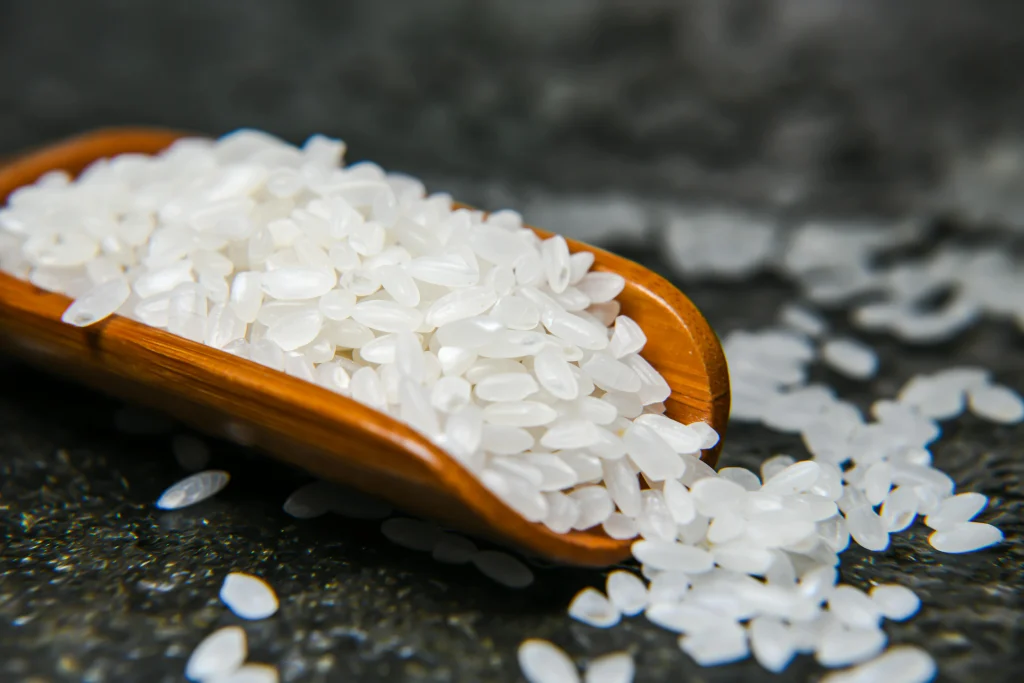
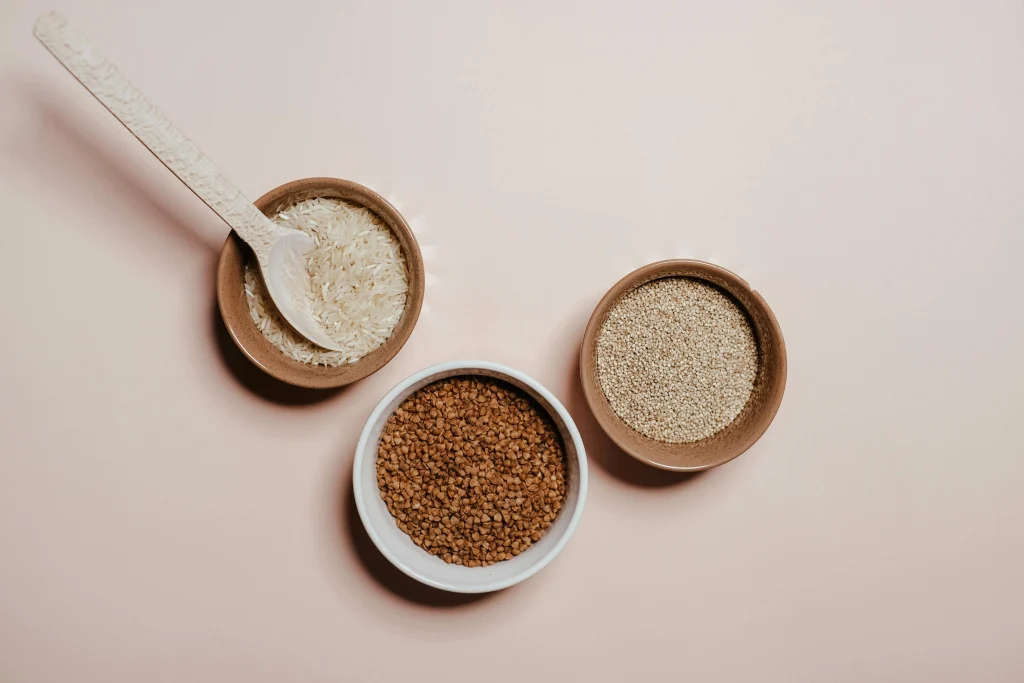
    avoiding rice mistakes by measuring rice and water more carefullyCredit: Suki Lee  / Pexels

    4. Lifting the lid too often can interrupt the cooking process

    Many home cooks check rice repeatedly because it looks still and quiet. But each time the lid is lifted, steam escapes. That changes the environment inside the pot and can lead to uneven cooking or drier grains near the end.

    Food science educators often explain that trapped steam is part of what finishes the rice. Interrupting that system too often can slow or disturb the cooking in ways that are not obvious until the pot is opened for serving.

    5. High heat can cause uneven rice texture

    A hard boil may seem like a way to speed things up, but it can create imbalance in the pot. The bottom may cook too aggressively while the upper layers remain less even. This can lead to rice that feels dry in one place and wetter in another.

    Cooking instructors often recommend a controlled simmer instead of aggressive heat. A calmer pot usually gives moisture more time to move through the rice in a steadier way.

    6. Stirring too much is another common rice mistake

    Some home cooks stir rice often because they worry about sticking. But too much movement can break grains and change the final texture. In some rice dishes, that may create a heavier or mushier feel than intended.

    Home cooking teachers often note that rice usually benefits from being left alone once the main cooking stage is underway. Gentle fluffing at the end is often more useful than repeated stirring during the process.

    7. Skipping the resting stage can leave rice uneven

    Once the heat is turned off, many cooks assume the rice is fully done. But rice often improves during a short rest because the remaining moisture settles more evenly through the pot. Without that pause, the final texture may feel patchy.

    Grain specialists often explain that resting is part of the cooking, not an optional extra. This is one of the easiest rice mistakes to fix, yet it is also one of the most often overlooked.

    8. Not matching rice texture to the meal can weaken the dish

    Rice for soup, grain bowls, fried rice, and side dishes does not always need the same finish. A texture that works for one use may feel wrong in another. When home cooks do not think about the final purpose, the rice may not support the rest of the dish as well as it could.

    Food educators often encourage cooks to decide early whether the rice should stay fluffy, slightly soft, or firmer for later use. This one decision helps the whole cooking method make more sense.
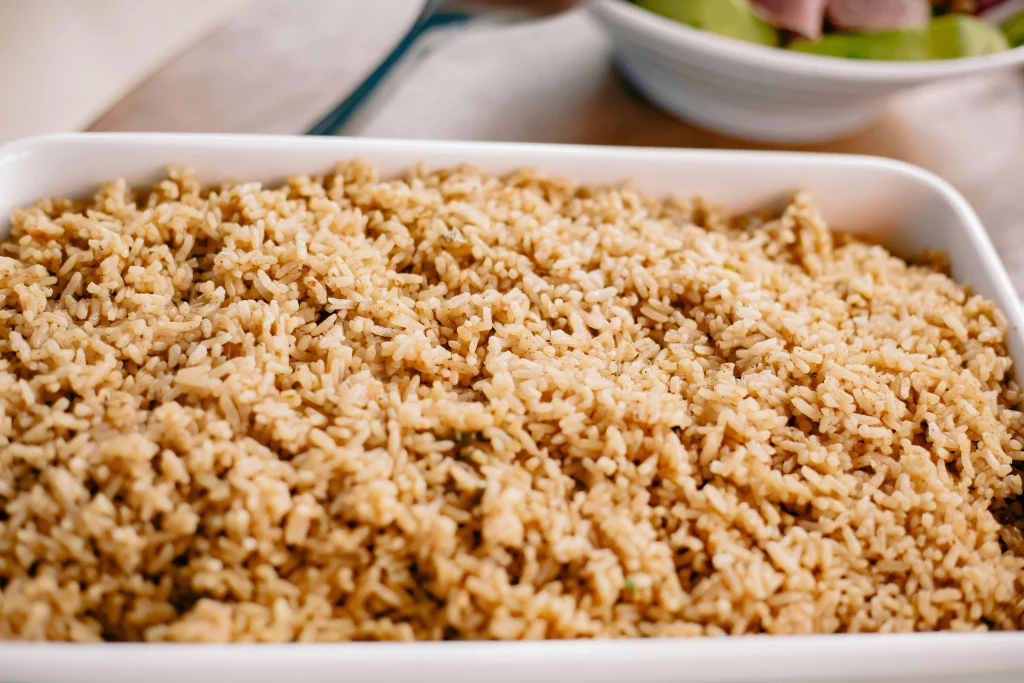
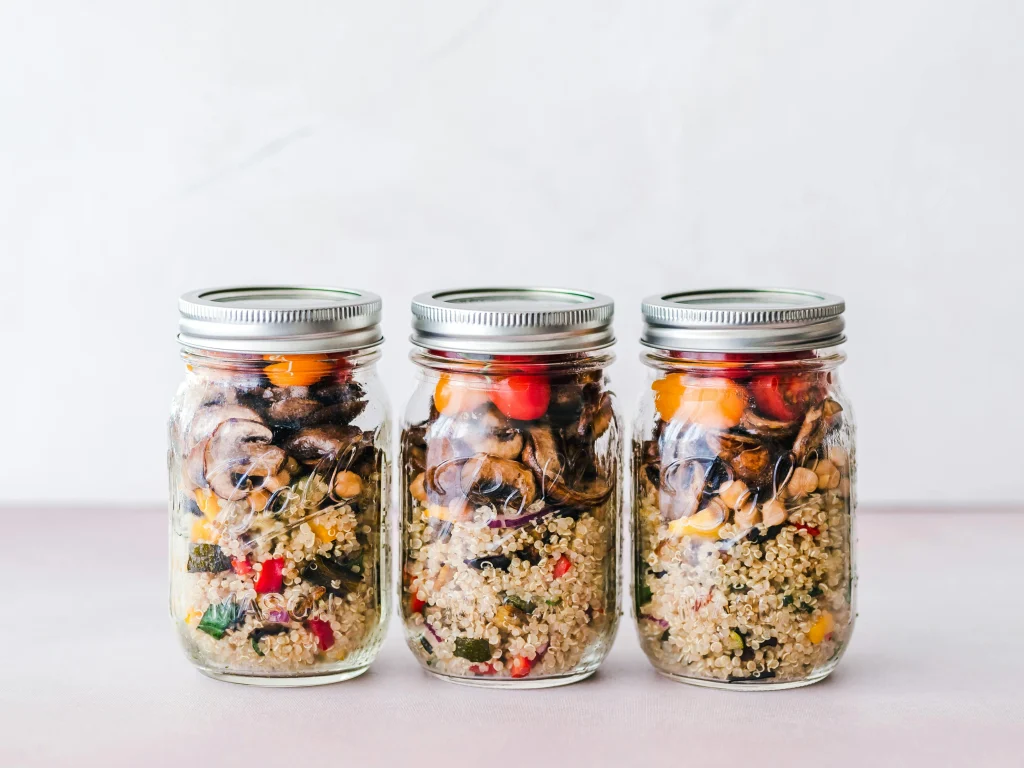
    rice mistakes can be reduced by resting and fluffing cooked rice properly

    Credit: Audy of Course  / Pexels

    How can home cooks avoid rice mistakes more easily?

    The most practical method is to begin with the rice type, measure with care, keep the lid on, use controlled heat, and allow the pot to rest before fluffing. These habits do not make rice complicated. They simply make the process more stable and easier to repeat.

    Food educators often remind cooks that rice improves with observation and small adjustments, not with constant interference. A calm, consistent method usually produces the strongest result over time.

    Frequently Asked Questions

    Q: Why does rice sometimes turn mushy?
    A: Mushy rice often comes from too much water, too much stirring, or cooking too long. The rice type can also play a role.

    Q: Is rinsing rice always necessary?
    A: Not always, but it can help reduce surface starch and affect texture. Whether it helps depends on the kind of dish and the result the cook wants.

    Q: Why should rice rest after cooking?
    A: Resting helps moisture settle more evenly through the pot. This can improve texture and reduce wet or dry spots.

    Q: Should the lid stay on while rice cooks?
    A: In many cases, yes. Keeping the lid on helps hold steam inside the pot, which supports more even cooking.

    Key Takeaway

    Rice mistakes often come from using the wrong method for the rice type, measuring poorly, lifting the lid too often, or skipping the resting stage. Because rice looks simple, these details are easy to underestimate. A few steadier habits can make the final texture much more reliable. For home cooks, better rice usually comes from control, patience, and matching the pot to the meal.


    [INTERNAL LINKING SUGGESTIONS]

    • A Simple Guide to Cooking Rice Without Guesswork
    • 7 Rice Bowl Meals That Make Busy Weeknights Easier
    • 7 Food Facts About Rice That Many Home Cooks Overlook
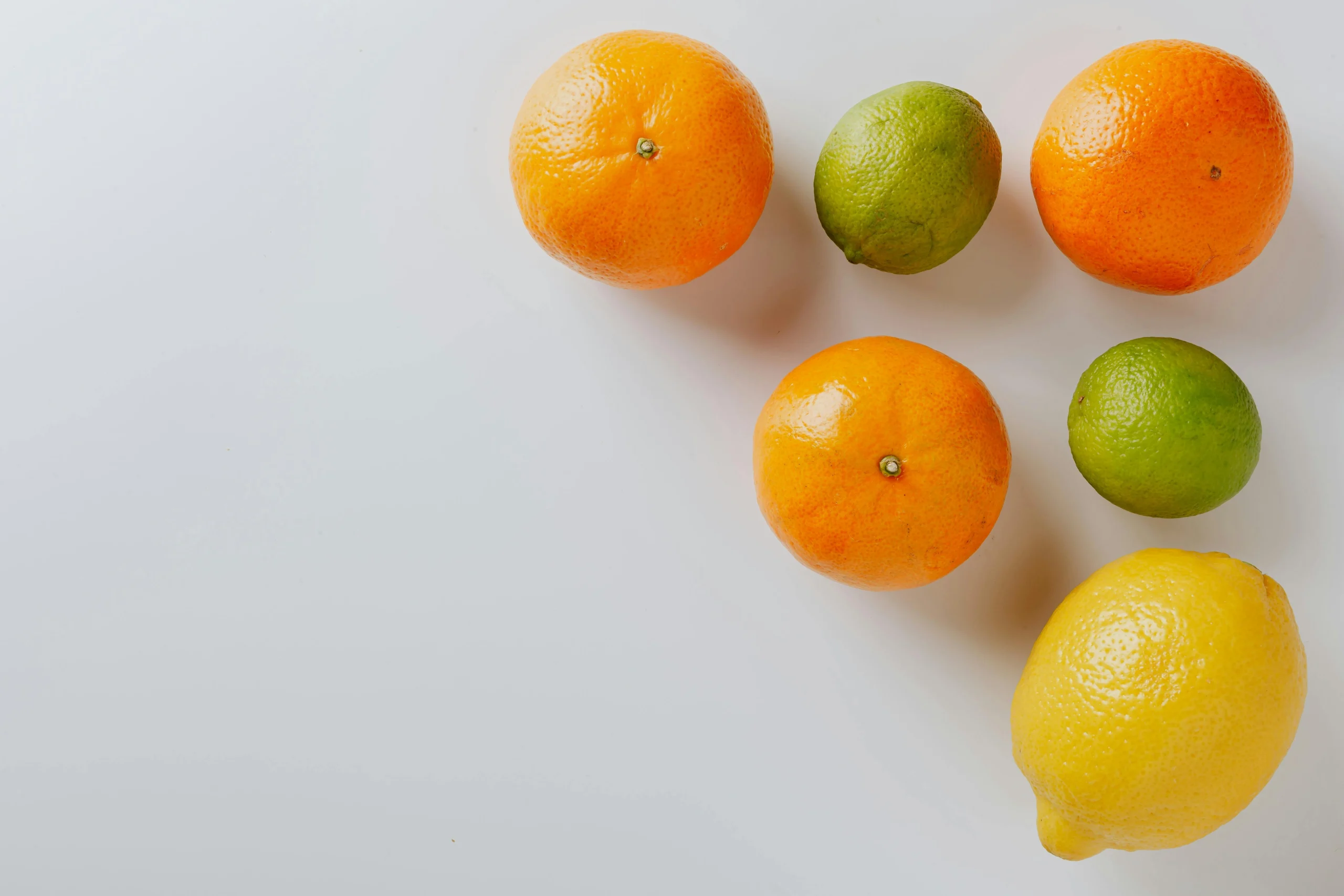
  • 6 Winter Citrus Recipes That Brighten Cold-Weather Cooking

    6 Winter Citrus Recipes That Brighten Cold-Weather Cooking

    Winter citrus recipes are useful because citrus can add brightness to meals during a season when cooking often becomes heavier and more comforting. Oranges, lemons, mandarins, and similar fruits bring acidity, aroma, and natural sweetness that can sharpen soups, salads, grain bowls, simple desserts, and baked dishes. For home cooks, citrus is one of the easiest seasonal ingredients to use when cold-weather meals need more balance.

    Food educators often explain that seasonal recipes work best when they highlight what an ingredient naturally does well. Winter citrus usually brings freshness rather than heaviness. That makes it valuable in a season filled with roasted dishes, warm bowls, and richer foods that often benefit from a lighter contrast.

    Why do winter citrus recipes work so well in seasonal cooking?

    Winter cooking often leans toward warm, soft, and deeply savory flavors. Citrus helps create contrast inside that pattern. Its juice, zest, and segments can lift a meal without making it feel less seasonal. Instead of fighting colder weather foods, citrus often helps them feel more complete.

    Fresh ingredient specialists often note that seasonal fruit is most useful when it can cross between different kinds of dishes. Citrus does that well. It can fit breakfast bowls, salads, roasted vegetables, baked desserts, and finishing sauces. This flexibility is one reason winter citrus keeps returning to everyday cooking.

    1. Citrus and grain bowls are among the easiest winter citrus recipes

    Grain bowls work well with citrus because the fruit can cut through the heavier feel of cooked grains and roasted vegetables. Orange segments, lemon juice, or a little zest can brighten a bowl without requiring a major recipe change. This makes citrus useful for everyday lunches and practical dinners.

    Meal planning educators often support this type of dish because it is flexible. A bowl can be built from leftovers, simple grains, roasted vegetables, and one citrus-based finishing touch. That gives winter citrus a clear role without demanding many extra ingredients.

    2. Winter citrus recipes can make salads feel more seasonal

    Cold-weather salads often depend on stronger ingredients than summer salads do. Citrus helps these salads stay lively. Orange segments or lemon-based dressings can balance greens, grains, herbs, and other seasonal items without making the dish feel too light for winter.

    Food writers often explain that winter salads benefit from contrast more than volume. Citrus brings that contrast through both texture and flavor. It helps a salad feel active rather than flat, especially when the rest of the meal is warm or dense.

    3. Roasted vegetables pair well with citrus finishing touches

    Roasted vegetables often become sweeter and deeper in the oven. Citrus can sharpen those flavors with a more fresh ending. A little lemon juice, orange zest, or a citrus-based dressing can give a tray of vegetables more range without taking away their roasted character.

    Cooking instructors often explain that roasted foods benefit from finishing ingredients because long heat can soften freshness. Citrus is one of the easiest finishing elements for this reason. It adds brightness in a way that still feels practical and seasonal.

    winter citrus recipes using roasted vegetables with citrus finishing touchesCredit:  Tim Douglas / Pexels

    4. Simple citrus yogurt bowls work for breakfast or snacks

    Winter citrus is also useful in lighter meals that do not involve full cooking. Citrus segments paired with yogurt, oats, or seeds can create a breakfast or snack that feels seasonal without being heavy. This is especially useful in winter when many breakfasts lean toward warm grains and baked items.

    Food educators often note that citrus helps breakfast feel fresher without requiring much preparation. A bowl built around yogurt and fruit can also make use of ingredients already in the kitchen, which keeps the meal practical.

    5. Winter citrus recipes can brighten simple baked dishes

    Citrus is often useful in baking because zest and juice add aroma and balance. In colder months, this can help simple cakes, quick breads, and baked fruit dishes feel lighter and more defined. The goal is usually not sharp acidity alone, but a cleaner flavor that keeps the dish from feeling too heavy.

    Cooking teachers often explain that zest is especially valuable because it brings citrus aroma without adding extra liquid. This makes it useful in recipes where balance matters and texture should stay controlled.

    6. Warm citrus sauces can support cold-weather meals

    Not every citrus recipe needs to stay raw or cold. Simple warm citrus-based sauces can work with grains, vegetables, and lighter proteins by bringing both freshness and structure. This kind of sauce allows citrus to stay seasonal while still fitting warm dinners.

    Food writers often describe citrus as a bridge ingredient in winter cooking. It can connect lighter flavors to warmer dishes in a way that feels balanced rather than out of place. That is one reason it works so well across different meal formats.

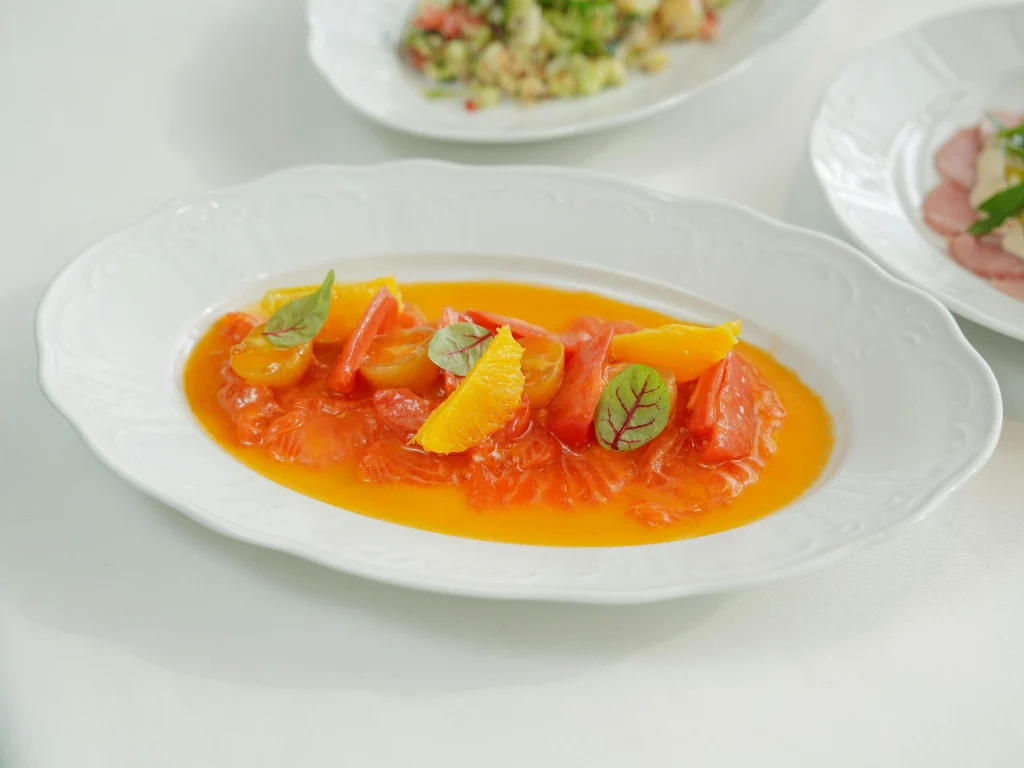
    winter citrus recipes in a warm grain dish with citrus sauce
    Credit:
    Nadin Sh / Pexels

    How should citrus be used for better winter results?

    Winter citrus often works best when its role is clear. In some dishes, juice provides the needed lift. In others, zest carries more aroma and balance. Fresh ingredient specialists often remind home cooks to think about which part of the fruit is doing the work, since zest and juice do not behave in the same way.

    It also helps to use citrus with care rather than adding large amounts without tasting. Because it is strong and noticeable, even a small amount can shift a whole dish. This makes winter citrus practical, but it also means balance matters from the first step.

    Frequently Asked Questions

    Q: What makes winter citrus recipes different from summer citrus dishes?
    A: Winter citrus recipes often focus on balancing heavier cold-weather meals. They use citrus to add brightness to grains, roasted vegetables, salads, and baked dishes.

    Q: Does citrus only work in sweet recipes?
    A: No. Citrus works well in savory meals too, especially in dressings, sauces, roasted vegetable dishes, and grain bowls.

    Q: Is zest as useful as juice in winter citrus recipes?
    A: Yes. Zest often adds aroma and clear citrus flavor without extra liquid, which can be especially useful in baking and finishing dishes.

    Q: Can winter citrus recipes help with meal prep?
    A: Yes. Citrus dressings, grain bowls, yogurt bowls, and vegetable dishes can all be used in practical everyday meal planning.

    Key Takeaway

    Winter citrus recipes work well because citrus brings brightness, freshness, and balance to cold-weather meals that can otherwise feel heavy. Grain bowls, salads, roasted vegetables, breakfasts, baked dishes, and warm sauces all show how flexible winter citrus can be. Juice and zest each play different but useful roles in seasonal cooking. For home cooks, citrus remains one of the easiest winter ingredients to use well.


    [INTERNAL LINKING SUGGESTIONS]

    • How to Pick Fresh Lemons for Better Flavor in Everyday Cooking
    • 6 Winter Citrus Recipes That Brighten Cold-Weather Cooking
    • 8 Cooking Tips That Can Help Roasted Vegetables Taste Better
  • A Simple Guide to Cooking Quinoa for Better Texture and Flavor

    A Simple Guide to Cooking Quinoa for Better Texture and Flavor

    A practical guide to cooking quinoa helps turn a simple grain into a dependable base for bowls, salads, side dishes, and easy meal prep. Quinoa cooks quickly, but it can still end up soggy, bitter, or uneven if a few small steps are missed. Paying attention to rinsing, water balance, and resting usually makes a clear difference in everyday results.

    Cooking instructors often explain that quinoa benefits from the same care given to rice or other grains. Food educators also point out that quinoa is especially useful because it feels light while still adding substance, making it a strong option for quick lunches and simple dinners.

    Why is a guide to cooking quinoa useful for beginners?

    Quinoa looks straightforward because it cooks in one pot and doesn’t need many ingredients. That simplicity can lead to rushing. In practice, quinoa is quite sensitive to water and timing. Too much liquid can make it heavy and soft, while too little can leave it undercooked and uneven.

    Home cooking teachers often note that quinoa continues to settle after the heat is turned off. The final texture depends not just on the simmer, but also on the resting stage. A short pause at the end can mean the difference between light, separate grains and a dense result.

    Why does rinsing matter in a guide to cooking quinoa?

    Rinsing is one of the most important steps because it removes a natural coating that can taste bitter or slightly harsh. Even when quinoa is labeled as pre-rinsed, many cooks still rinse it briefly for a cleaner flavor.

    Food educators often explain that this coating is the reason some people think they don’t like quinoa. In many cases, the issue is not the grain itself but what remains on the surface when rinsing is skipped.

    A fine sieve makes the process easier since quinoa grains are very small. Once rinsed, the grain is ready to cook with almost no extra effort, making this one of the simplest ways to improve the final dish.

    guide to cooking quinoa begins with rinsing the grains wellCredit: Vie Studio  / Pexels

    How much water works best in a guide to cooking quinoa?

    Water balance is one of the biggest factors shaping quinoa’s texture. Too much can leave the grains soft and slightly wet, while too little can prevent them from cooking through evenly. The goal is to give quinoa enough liquid to absorb fully without leaving excess behind.

    Cooking educators often suggest starting with a consistent ratio, then adjusting based on your stove, pot, and preference. Quinoa for a softer, warm side dish can handle a bit more moisture, while quinoa for salads or grain bowls usually benefits from a lighter, more separate finish.

    What is the basic method in a guide to cooking quinoa?

    Start by rinsing the quinoa, then add it to a pot with water or another cooking liquid. Bring it up to heat, then reduce to a steady simmer rather than a hard boil. This gentler heat helps the grains absorb moisture more evenly.

    As quinoa cooks, the grains begin to open and show a small curled outer ring. This is a useful visual sign that it’s nearly ready. Cooking teachers often recommend checking when most of the liquid is absorbed instead of stirring frequently.

    Once the heat is off, let the quinoa rest with the lid on. This short pause allows any remaining moisture to settle and helps create a more even texture across the pot.

    Why does resting matter after quinoa cooks?

    Resting is easy to overlook, but it often makes a clear difference. Quinoa can seem finished while still holding uneven moisture. A short rest gives the grains time to settle and become lighter.

    Food educators often point out that fluffing too early can interrupt this final stage. Waiting a few minutes, then gently loosening the quinoa with a fork, usually leads to better results than stirring right away.

    What common mistakes affect quinoa texture?

    Skipping the rinse is a common issue and often leads to a slightly bitter taste. Using too much liquid can make quinoa feel dense, while cooking at a strong boil can create uneven texture by moving the liquid too aggressively.

    Another mistake is not thinking about the final use. Quinoa for a warm dish may be slightly softer, while quinoa for salads usually benefits from a lighter, more separate texture. Matching the cooking style to the meal helps avoid disappointing results.

    How can cooked quinoa be used in everyday meals?

    Cooked quinoa is flexible and easy to work into daily meals. It fits well in grain bowls, warm salads, soups, and simple side dishes. It can sit under roasted vegetables, mix with herbs and citrus, or support eggs and other quick toppings.

    Meal planning educators often recommend making a batch ahead of time. One pot can carry through several meals during the week, making quinoa a practical staple rather than something that needs to be cooked fresh each time.

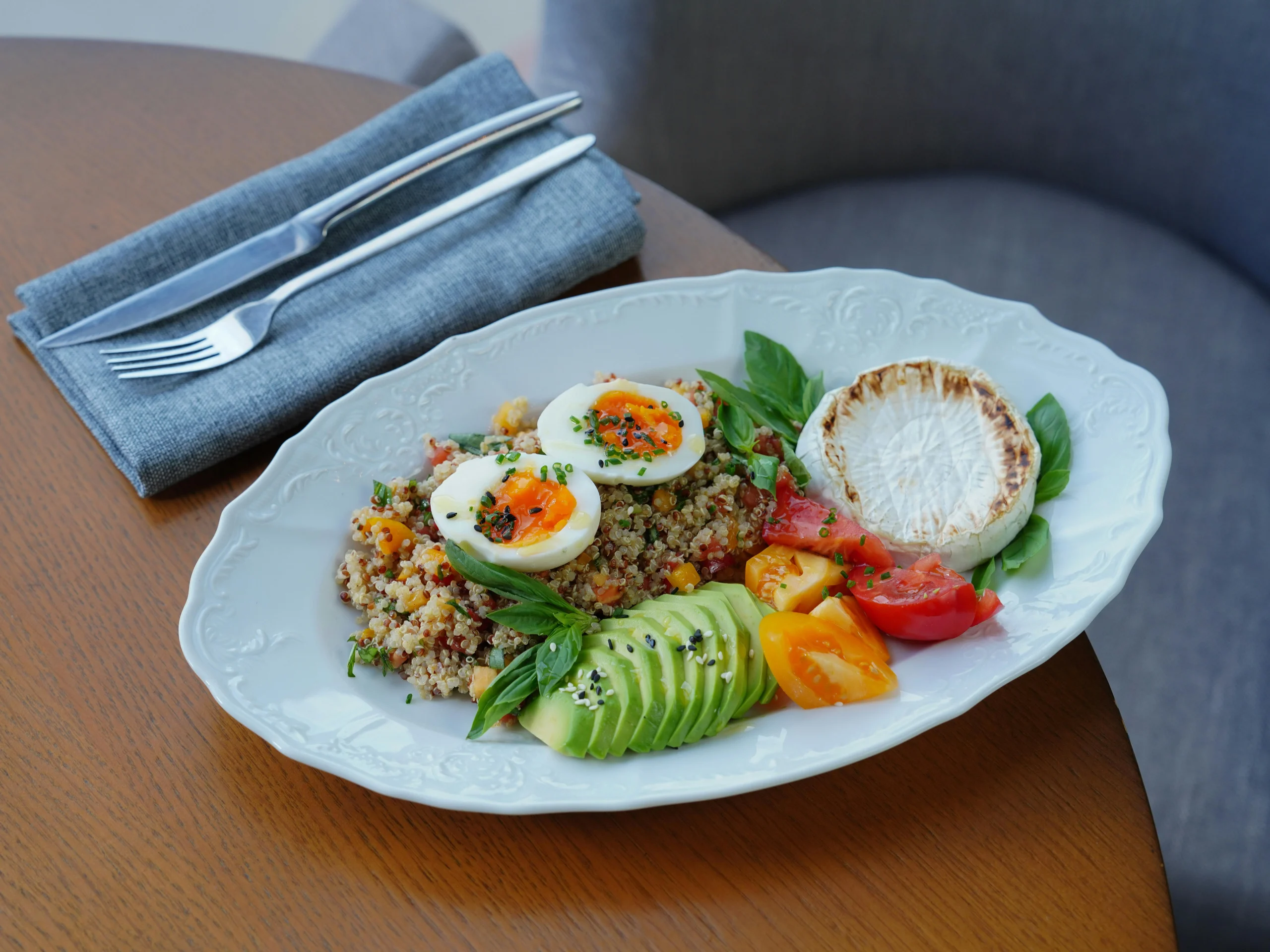
    guide to cooking quinoa for bowls salads and simple mealsCredit: Ella Olsson  / Pexels

    Frequently Asked Questions

    Q: Why should quinoa be rinsed before cooking?
    A: Rinsing helps remove the natural surface coating that can leave a bitter taste. This usually gives quinoa a cleaner final flavor.

    Q: Why does quinoa sometimes turn soggy?
    A: Soggy quinoa often comes from too much liquid or not enough resting and fluffing at the end. High heat can also affect the balance of the pot.

    Q: How can home cooks tell when quinoa is done?
    A: Quinoa often looks ready when the liquid is mostly absorbed and the small outer curl becomes visible on the grains. A short rest after cooking also helps finish the texture.

    Q: Is quinoa useful for meal prep?
    A: Yes. Cooked quinoa can be used in bowls, salads, and side dishes across several meals, which makes it practical for everyday planning.

    Key Takeaway

    A good guide to cooking quinoa depends on rinsing well, using a balanced amount of liquid, simmering gently, and allowing time to rest before fluffing. These steps help quinoa stay lighter, cleaner in flavor, and more useful across different meals. The best finish often depends on whether quinoa is meant for a warm side, a bowl, or a salad. For home cooks, a few steady habits can make quinoa much easier to trust.


    [INTERNAL LINKING SUGGESTIONS]

    • A Simple Guide to Cooking Rice Without Guesswork
    • How to Cook Lentils So They Stay Tender but Not Mushy
    • 7 Rice Bowl Meals That Make Busy Weeknights Easier
  • 7 Egg Toast Meals That Make Quick Dinners Feel More Complete

    7 Egg Toast Meals That Make Quick Dinners Feel More Complete

    Egg toast meals are one of the simplest ways to turn a few everyday ingredients into something that feels complete. Bread gives structure, eggs add richness and substance, and a few vegetables, herbs, or leftovers can take the meal in different directions. For home cooks, that makes egg toast a reliable option when time, energy, or ingredients are limited.

    Meal planning educators often recommend flexible formats instead of strict recipes. Egg toast fits that idea well because it can move easily between breakfast, lunch, and dinner without changing the method much. Food educators also note that the best versions work when the bread, egg texture, and toppings support each other instead of competing.

    Why do egg toast meals work so well for easy meals?

    Easy meals usually depend on ingredients already in the kitchen. Eggs and bread are two of the most common. Together, they create a base that can be kept simple or built up depending on what’s available. That flexibility makes egg toast especially useful on days when a full recipe feels unnecessary.

    Home cooking teachers often point out that toast meals feel manageable because the structure is clear: a base, a main topping, and one or two supporting elements. That simple framework reduces decision pressure and helps quick meals feel more put together.

    1. Classic soft egg toast is one of the easiest egg toast meals

    A softly cooked egg over toast remains popular because it relies on very little while still feeling balanced. The toast adds structure and light crunch, while the egg brings warmth and richness. It works especially well when the goal is speed and comfort.

    Cooking instructors often note that the bread should be toasted enough to hold the egg without becoming too hard. That balance between crisp and tender can shape the entire meal.

    2. Herb and egg toast can brighten quick dinners

    Fresh herbs are one of the easiest ways to make egg toast feel more lively. A small handful can add aroma, color, and freshness that lifts the whole dish without adding complexity.

    Fresh ingredient educators often describe herbs as a simple upgrade for familiar meals. Egg toast shows this clearly—the base stays the same, but the flavor shifts in noticeable ways.

    3. Roasted vegetable egg toast helps use leftovers well

    Roasted vegetables from an earlier meal can turn egg toast into something more complete. They add texture, color, and deeper flavor without requiring much extra work beyond reheating if needed.

    Meal planning educators often encourage this kind of reuse. A tray of roasted vegetables can move from a dinner side into a next-day meal with very little effort, making egg toast a practical way to reduce waste while still eating something intentional.

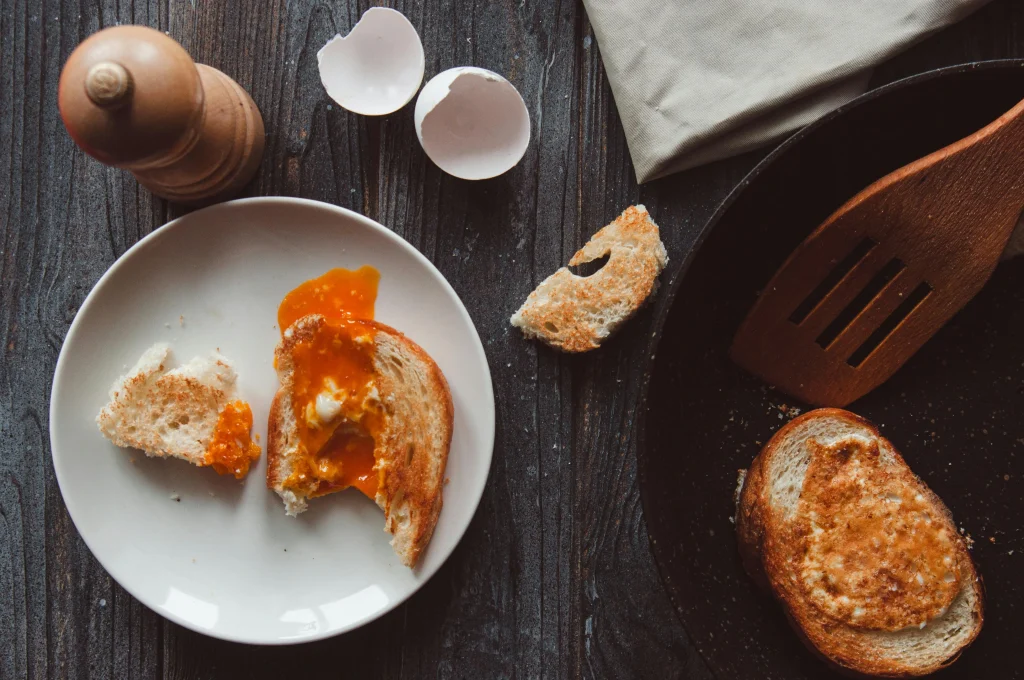
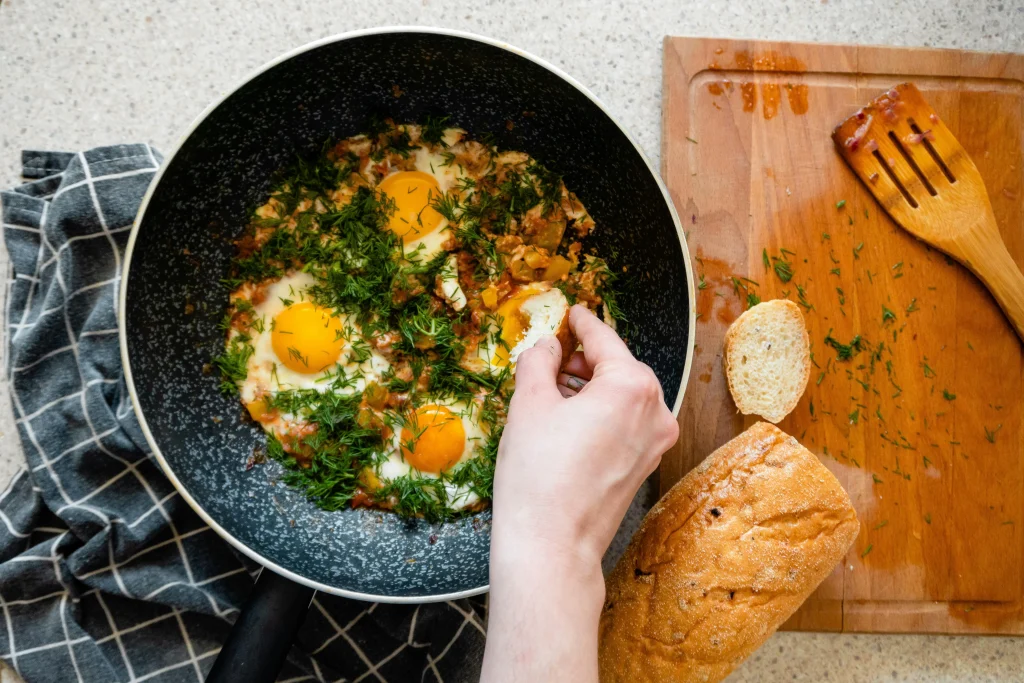
    egg toast meals with roasted vegetables for easy dinnersCredit: Boryslav Shoot  / Pexels

    4. Bean and egg toast adds more staying power

    Beans can make egg toast feel more filling without making the method complicated. A small spoonful of seasoned beans under or beside the egg can give the meal more body and help it function better as dinner rather than only a snack. This works especially well when pantry ingredients need to do more of the work.

    Food writers often point out that easy meals become more reliable when pantry staples can support fresh ingredients. Beans and eggs are a good example because they are both practical and flexible across many meal formats.

    5. Egg toast meals can stay light with greens and citrus

    Not every toast dinner needs to feel heavy. Greens and a small citrus finish can keep the meal brighter and more balanced, especially on warmer evenings or when the cook wants something simple. This works well when the egg is the main warm element and the rest of the toppings stay fresh.

    Cooking educators often explain that contrast matters in simple meals. Crisp greens, warm egg, and toasted bread create enough difference in texture to make the plate feel complete even without many ingredients.

    6. Scrambled egg toast makes easy meals more flexible

    Scrambled eggs work well on toast because they spread across the bread more evenly and can hold chopped herbs or vegetables easily. This style is helpful when home cooks want a softer topping that is simple to portion across more than one piece of bread. It can also be easier for group meals or quick family dinners.

    Home cooking teachers often recommend scrambled egg toast as a flexible format because it is forgiving. The eggs do not need the same precision as other styles, yet the result can still feel warm and satisfying.

    7. A final topping can shape the whole meal

    One of the smartest ideas in egg toast meals is to think about the final layer. Pepper, herbs, yogurt, tomatoes, citrus, or a light sauce can change the whole direction of the dish. These additions do not need to be large to matter. Even a small finishing touch can make the toast feel more considered.

    Food educators often remind cooks that easy meals improve most when the finish supports the main ingredients rather than covering them up. With egg toast, that often means choosing one clear final note instead of piling on too many competing toppings.

    How can home cooks build egg toast meals more easily?

    The simplest method is to think in layers: toast, egg, one supporting ingredient, and one finishing touch. This keeps the meal flexible without making it feel random. Bread and eggs create the structure, while vegetables, beans, herbs, or citrus shape the final style.

    Meal planning experts often recommend repeating formats like this because they reduce stress while still allowing variety. Egg toast meals work especially well because the same basic idea can fit many different ingredients and levels of effort.

    Frequently Asked Questions

    Q: What makes egg toast meals useful for quick dinners?
    A: Egg toast meals are useful because they rely on common ingredients and a simple structure. They can come together quickly without needing a long recipe.

    Q: Can egg toast meals work with leftovers?
    A: Yes. Roasted vegetables, greens, beans, or other simple leftovers can work well on toast with eggs. This helps reduce waste while keeping meals practical.

    Q: Does egg toast always have to be heavy?
    A: No. Greens, herbs, citrus, and lighter toppings can keep the meal balanced and fresh while still making it satisfying.

    Q: What bread works best for egg toast meals?
    A: Bread that toasts well and can hold toppings without falling apart is often the best choice. The exact type can vary depending on the meal style.

    Key Takeaway

    Egg toast meals make easy dinners more practical because they depend on simple ingredients, clear structure, and flexible toppings. Bread and eggs create a strong base, while vegetables, beans, herbs, and finishing touches help the meal shift in different directions. The best quick dinners often come from repeatable formats rather than complex recipes. For busy home cooks, egg toast remains one of the easiest meal ideas to build well.


    [INTERNAL LINKING SUGGESTIONS]

    • 7 Sheet Pan Meals That Keep Weeknight Cooking Easier
    • How to Choose Fresh Herbs for Better Flavor in Everyday Cooking
    • 7 Food Facts About Eggs That Many Home Cooks Get Wrong
  • How to Pick Fresh Ginger for Better Flavor in Everyday Cooking

    How to Pick Fresh Ginger for Better Flavor in Everyday Cooking

    Learning how to pick fresh ginger can improve everyday cooking in a simple but noticeable way. Ginger is often used in small amounts, yet it can shape the flavor of soups, rice bowls, stir-fries, sauces, warm drinks, and roasted dishes. When it’s fresh, ginger tends to taste cleaner, smell brighter, and feel easier to cut, grate, or slice.

    Fresh ingredient educators often explain that ginger quality matters because it brings both aroma and heat to a dish. If the root is too dry, fibrous, or old, the flavor can feel dull and the texture harder to work with. For home cooks, choosing better ginger is an easy way to improve results without changing the recipe itself.

    Why does how to pick fresh ginger matter so much?

    Ginger usually works in the background of a dish rather than as the main feature. Its role is to lift, sharpen, or warm the overall flavor. When it’s fresh, it does that clearly. When it’s older or poorly stored, the flavor weakens and the texture can become stringy or woody.

    Cooking instructors often point out that ingredient quality matters most in simple cooking. Ginger is a good example because even a small amount can influence the whole dish. Better ginger can noticeably improve flavor, even when everything else stays the same.

    What should home cooks look for when choosing fresh ginger?

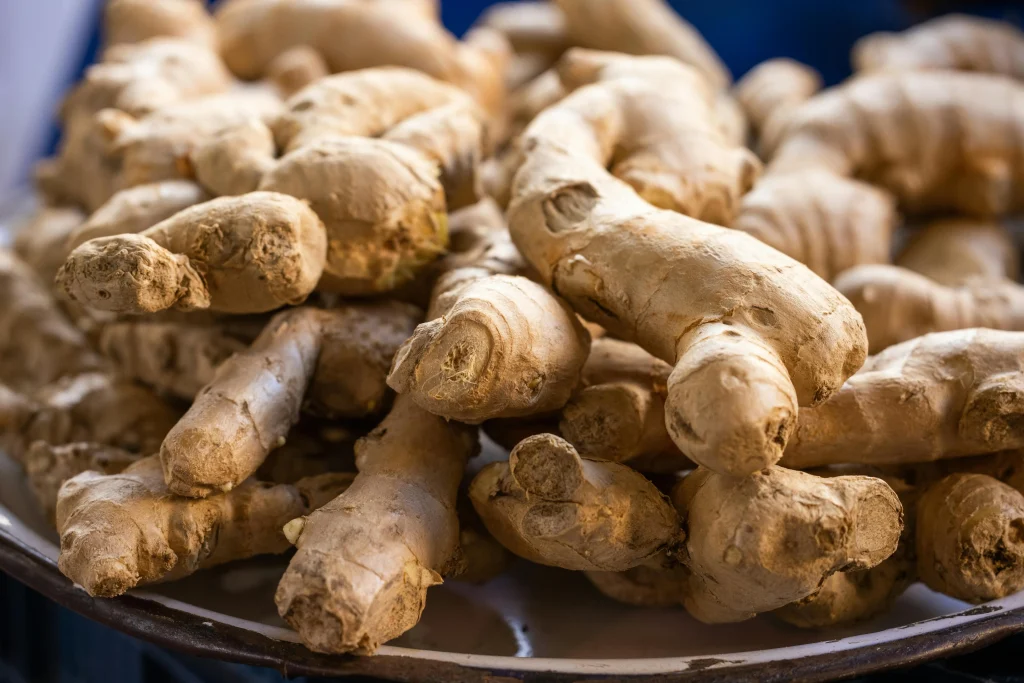
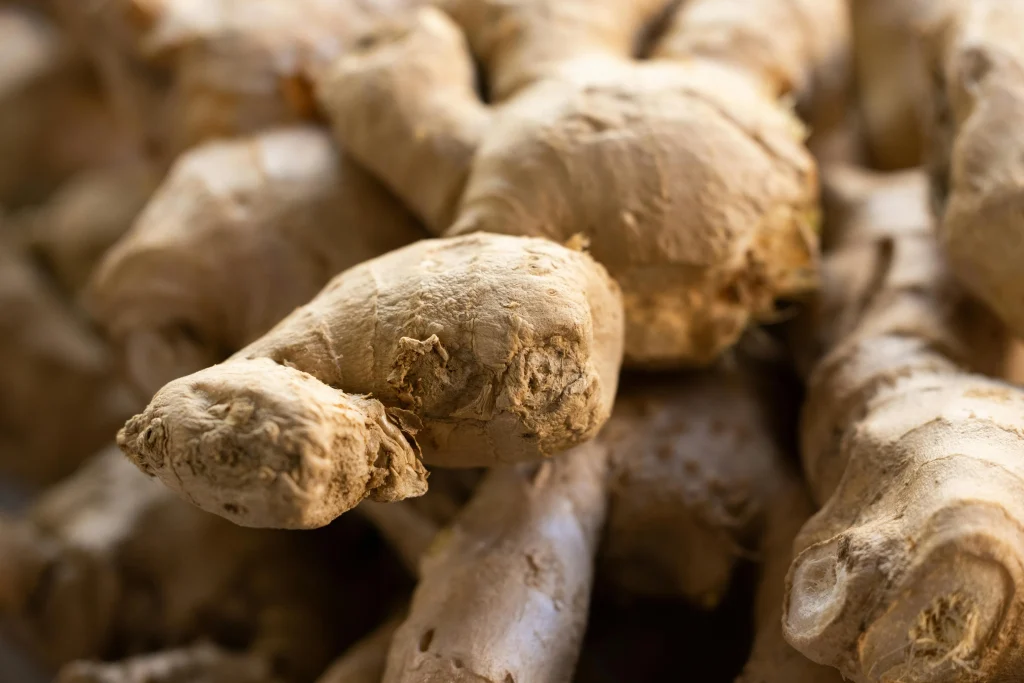
    Firmness is one of the easiest signs. Fresh ginger should feel solid and slightly heavy for its size, not hollow, shriveled, or overly light. It shouldn’t feel soft or give in easily when pressed.

    Skin condition also matters. Good ginger typically has a relatively smooth surface for its variety, without deep wrinkles or large dry patches. Small marks are normal, but the root should still look moist and lively rather than tired or woody.

    Shape can help with ease of use. Pieces with fewer tight bends are often easier to peel and slice, though shape alone doesn’t determine freshness. In practice, many cooks prefer larger, smoother sections simply because they’re more convenient to handle in everyday cooking.

    how to pick fresh ginger by checking firmness and skin conditionCredit: Engin Akyurt / Pexels

    How does smell help when deciding how to pick fresh ginger?

    Fresh ginger often has a clear, lively aroma, especially if a small cut area is visible or the skin is lightly rubbed. If the smell seems weak, flat, or stale, the ginger may not be at its best. Aroma is important because it often signals how much flavor the root will bring to a dish.

    Food educators often explain that ginger works through both smell and taste. A root with stronger aroma usually offers more of the bright, warming character that cooks want in soups, sauces, and quick meals. This makes smell one of the most useful clues when possible.

    Does texture change how useful fresh ginger will be?

    Yes. Fresher ginger is often easier to cut or grate because it holds moisture better. Older ginger may become more fibrous, which can make preparation less smooth and affect the final feel of the ingredient in a dish. This is one reason texture matters before the root even reaches the pan.

    Cooking teachers often remind home cooks that ease of preparation is part of ingredient quality. If ginger is hard to work with, the cook may use less of it or avoid it altogether. Good texture makes the ingredient more useful across a wider range of meals.

    How should ginger be stored after buying it?

    Storage affects how long ginger keeps its strength and workable texture. Ginger often benefits from conditions that protect it from drying out too quickly while still keeping it stable. Fresh ingredient specialists often explain that poor storage can make a good root seem old in a short time.

    It also helps to buy an amount that matches likely use. A smaller, fresher piece that gets used across a few meals is often more practical than buying too much and letting it lose quality. For home cooks, this can reduce waste and make the ingredient easier to keep on hand.

    Once cut, ginger may need a little more care because the exposed surface can dry more quickly. Using cut pieces soon often helps preserve the brighter flavor that fresh ginger is valued for in the first place.

    How can cooking with ginger reduce waste?

    Ginger is flexible enough to appear in many types of meals. One root can support rice bowls, soups, sauces, quick vegetable dishes, warm drinks, and simple marinades or dressings. This makes it easier to build several meals around one ingredient rather than buying it for only one recipe.

    Meal planning educators often recommend thinking of ginger as a reusable flavor tool. Because it is usually used in smaller amounts, it can stretch across the week well when a cook has two or three likely meal ideas in mind.

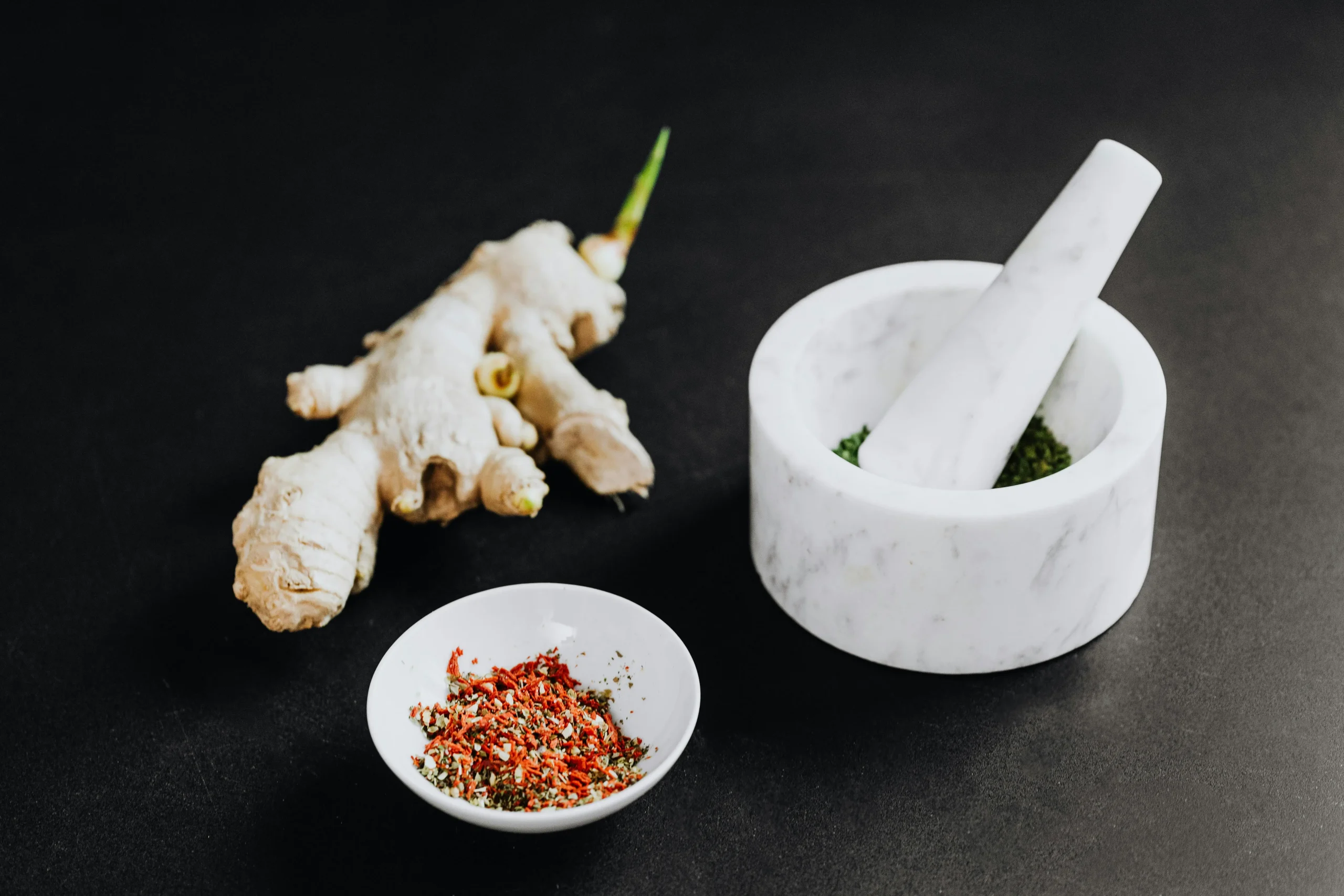
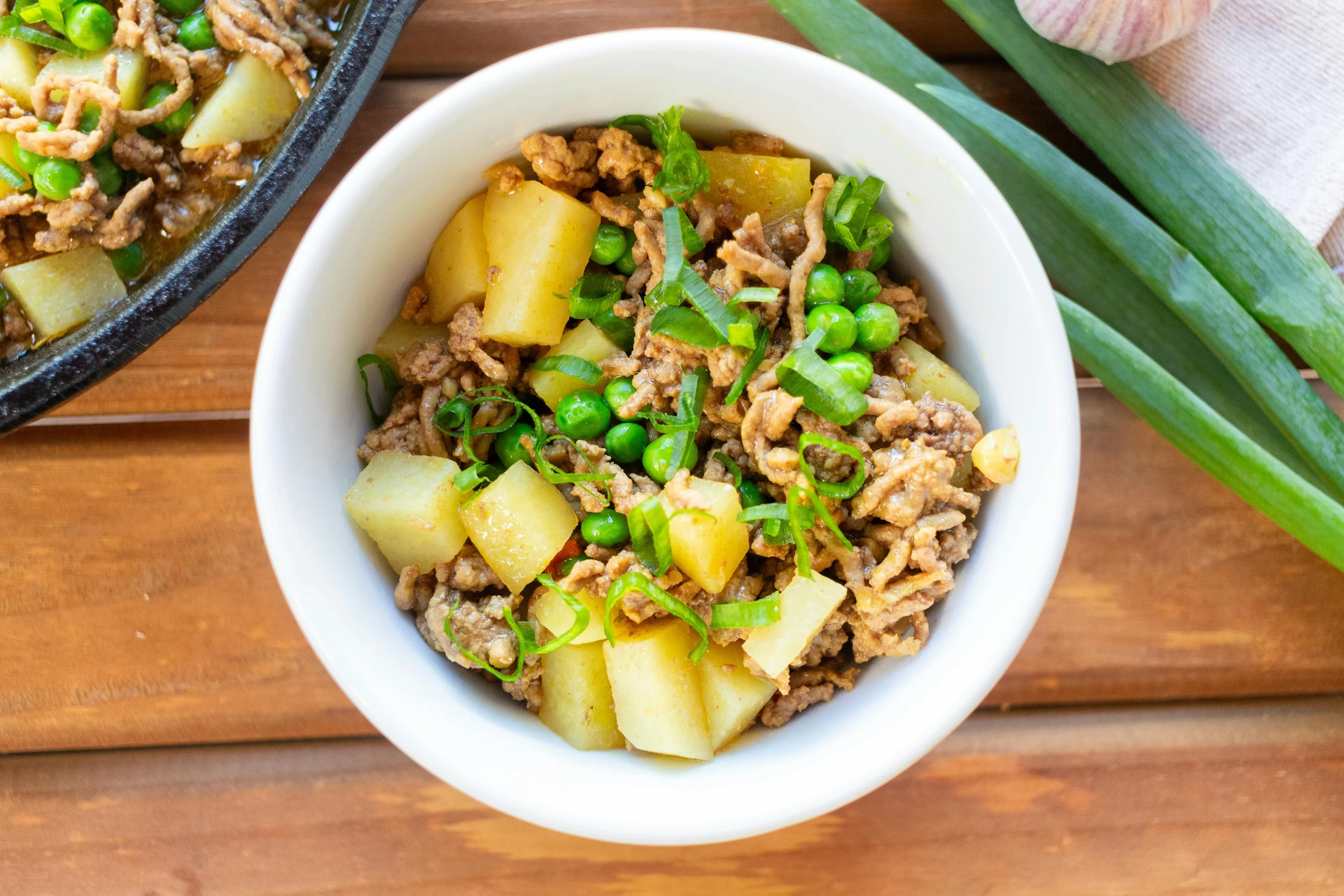
    cooking with ginger after learning how to pick fresh gingerCredit: Engin Akyurt  / Pexels

    When should ginger be added during cooking?

    Timing changes how ginger behaves. When added early, it often becomes softer and more blended into the dish. When added later, it may taste brighter and more noticeable. Cooking instructors often explain that the right moment depends on whether ginger should form part of the background flavor or stand out more clearly.

    For home cooks, this means fresh ginger offers more options. Better ginger can be used in both long and short cooking methods without losing its usefulness. That flexibility is one reason it remains such a valuable ingredient in everyday kitchens.

    How to pick fresh ginger without overbuying

    The most practical habit is to choose a piece that matches likely meals. A home cook who uses ginger often may need a larger root, while another may do better with a smaller piece that stays fresher through the week. Buying with a rough plan usually works better than buying extra without a clear use.

    Fresh ingredients are easiest to manage when they are tied to real kitchen routines. A piece of good ginger can support several dishes and still be easier to use well than a larger amount that dries out before it is needed.

    Frequently Asked Questions

    Q: What is the easiest sign of fresh ginger?
    A: Fresh ginger usually feels firm and looks less shriveled than older ginger. It should not feel soft, hollow, or very dry on the outside.

    Q: Does fresh ginger always need to be peeled?
    A: Not always. That depends on the dish, the age of the ginger, and how it will be used. Younger ginger is often easier to use with less peeling.

    Q: Why does older ginger feel harder to use?
    A: Older ginger often becomes drier and more fibrous. This can make it harder to slice, grate, and cook with smoothly.

    Q: Can fresh ginger improve simple meals?
    A: Yes. Ginger can add brightness, warmth, and aroma to many soups, bowls, sauces, and vegetable dishes even in small amounts.

    Key Takeaway

    Learning how to pick fresh ginger helps home cooks get cleaner flavor, better aroma, and easier preparation from a small but powerful ingredient. Firmness, skin condition, scent, and proper storage all influence how useful ginger will be in the kitchen. Because ginger can support many simple meals, choosing it well also helps reduce waste. For everyday cooking, a fresh piece of ginger can do much more than its size suggests.


    [INTERNAL LINKING SUGGESTIONS]

    • How to Choose Fresh Garlic for Better Flavor in Everyday Cooking
    • 8 Stir-Fry Mistakes That Can Leave Dinner Watery or Bland
    • 7 Rice Bowl Meals That Make Busy Weeknights Easier
  • 7 Sheet Pan Meals That Keep Weeknight Cooking Easier

    7 Sheet Pan Meals That Keep Weeknight Cooking Easier

    Sheet pan meals work well because they simplify dinner into a single process with fewer dishes, less hands-on effort, and easier cleanup. With just one tray, a hot oven, and a small set of well-chosen ingredients, it’s possible to create a complete meal without much last-minute stress. For busy home cooks, this makes sheet pan cooking one of the most practical approaches for everyday dinners.

    Meal planning educators often recommend tray-based meals because they reduce decision fatigue. Instead of managing multiple pots and steps, the cook can focus on timing, cut size, and overall balance on one pan. Food educators also point out that oven meals are easier to repeat since the structure stays the same even when the ingredients change.

    Why do sheet pan meals work so well for easy meals?

    Easy meals usually rely more on a simple structure than a strict recipe. Sheet pan cooking follows that idea closely. A combination of vegetables, a protein or plant-based option, and a few seasonings can go into the oven together, letting heat do most of the work. This keeps weeknight cooking manageable without making meals feel repetitive.

    Home cooking teachers often note that oven meals also keep the kitchen less cluttered. With everything on one tray, there are fewer pans to monitor and fewer dishes to clean afterward. That convenience matters just as much as flavor on busy nights.

    1. Chicken and vegetable sheet pan meals are easy to repeat

    Chicken and vegetables are one of the most common sheet pan combinations because they’re straightforward and adaptable. The vegetables can change with the season, and the seasoning can shift without altering the basic method. This makes it easy to reuse the same approach in different ways.

    Cooking instructors often explain that success comes from matching ingredients with similar cooking times or adjusting how they’re cut so everything finishes together. When done well, the tray feels balanced rather than rushed.

    2. Sausage and vegetable trays can make weeknight dinners practical

    Sausage-based sheet pan meals are popular because they bring built-in flavor and pair easily with ingredients like potatoes, onions, and peppers. This reduces the need for complex sauces or long ingredient lists, keeping the process simple while still delivering a satisfying result.

    Food writers often point out that easy meals become more realistic when the ingredients themselves provide flavor. That’s a big reason this style of tray meal remains a go-to option for everyday cooking.

    3. Sheet pan meals with potatoes can feel more complete

    Adding potatoes to a tray often makes the meal feel more filling and complete. They act as the hearty base that supports both vegetables and protein. The main challenge is timing, since potatoes need enough heat and space to roast properly rather than steam.

    Cooking educators often suggest cutting potatoes thoughtfully and giving them good contact with the pan. When roasted well, they add both texture and substance without requiring an extra pot or pan.

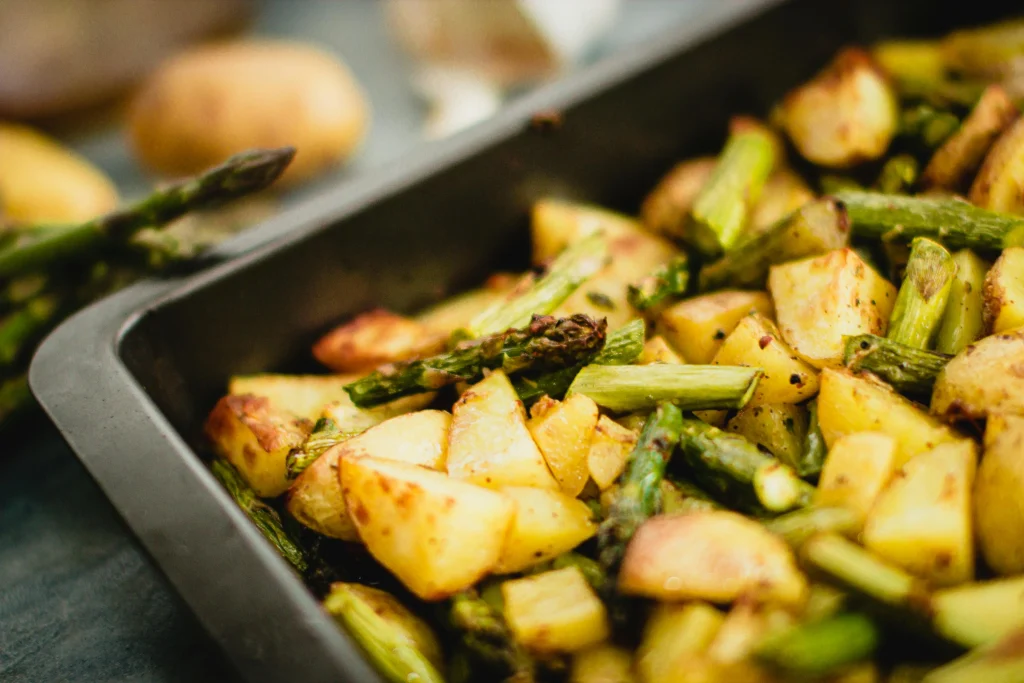
    sheet pan meals with potatoes and vegetables for easy dinnersCredit: locrifa/ Pexels

    4. Fish and vegetable trays can keep oven meals lighter

    Not every tray dinner needs to feel heavy. Fish with vegetables can create lighter sheet pan meals that still feel balanced and practical. The main difference is that fish often cooks faster than dense vegetables, so timing and placement need more attention.

    Food educators often explain that lighter oven meals work best when ingredients are chosen with cooking speed in mind. Vegetables may need a head start, while more delicate items are added later. This staged approach helps the meal finish more evenly.

    5. Plant-based sheet pan meals are useful for simple dinners

    Plant-based tray meals can be built around vegetables, beans, tofu, or other practical ingredients that roast well. These meals are often appealing because they use flexible pantry and produce combinations rather than one narrow recipe. They also fit easily into meal prep because roasted ingredients can be reused later.

    Meal planning educators often encourage this style of cooking because it allows a cook to build dinner from what is already in the kitchen. That flexibility is one reason sheet pan meals continue to work well for busy households.

    6. Ingredient spacing matters more than many cooks expect

    One of the biggest reasons tray dinners fail is crowding. When ingredients are packed too tightly, they release moisture and begin to steam instead of roast. This can leave vegetables soft and pale instead of browned and more flavorful.

    Cooking teachers often recommend using a larger tray or splitting ingredients across two pans when needed. Giving the food enough room is one of the easiest ways to improve texture without changing any ingredients.

    7. A final finishing touch can improve sheet pan meals quickly

    Even simple oven meals often benefit from something fresh at the end. Herbs, citrus, yogurt, a light sauce, or cracked pepper can add contrast to ingredients that have spent time in dry oven heat. These additions help the tray feel brighter and more complete.

    Food professionals often explain that roasting builds depth but can soften freshness. A small final layer of flavor can therefore help easy meals feel more balanced without adding much extra work.

    sheet pan meals finished with herbs and sauce for better balance
    Credit:
    Max Bonda / Pexels

    How can home cooks make sheet pan meals easier to repeat?

    The most practical method is to remember a simple pattern: one main ingredient, one or two vegetables, one hearty component if needed, and one finishing touch. This keeps the meal flexible while still giving the tray enough structure. It also allows ingredients to shift with the season or what is already in the kitchen.

    Meal planning experts often recommend repeating formats rather than exact meals. Sheet pan cooking follows that advice well because it supports variety without forcing the cook to start from scratch every time.

    Frequently Asked Questions

    Q: What makes sheet pan meals useful for weeknights?
    A: Sheet pan meals are useful because they combine simple cooking, less cleanup, and a flexible structure. They allow the oven to do most of the work while the cook manages fewer moving parts.

    Q: Why do sheet pan meals sometimes turn soggy?
    A: This often happens when the tray is overcrowded or the ingredients release too much moisture. More space on the pan usually helps ingredients roast better.

    Q: Can sheet pan meals work with leftovers?
    A: Some roasted ingredients can be reused, but the tray is most often built from raw or partially prepared ingredients. Leftover roasted vegetables can still support later meals such as bowls or salads.

    Q: Do sheet pan meals always need a sauce?
    A: No. Some work well with only herbs, citrus, or light seasoning at the end. The finishing element should support the tray, not weigh it down.

    Key Takeaway

    Sheet pan meals make weeknight cooking easier because they combine a simple format, less cleanup, and flexible ingredient choices. The best results usually come from matched timing, enough pan space, and a small finishing touch at the end. These meals work well because structure matters more than a fixed recipe. For busy home cooks, tray dinners remain one of the most practical easy meal formats to repeat.


    [INTERNAL LINKING SUGGESTIONS]

    • A Simple Guide to Roasting Potatoes With Better Crisp Edges
    • 7 Roasted Vegetable Mistakes That Can Ruin Flavor and Texture
    • How to Pick Fresh Lemons for Better Flavor in Everyday Cooking
  • How to Choose Fresh Garlic for Better Flavor in Everyday Cooking

    How to Choose Fresh Garlic for Better Flavor in Everyday Cooking

    Knowing how to choose fresh garlic can quietly improve everyday cooking. Garlic is usually added in small amounts, but it plays a major role in shaping the flavor of soups, sauces, roasted vegetables, rice dishes, pasta, and many simple meals. When the garlic is fresh, it tends to taste cleaner, smell stronger, and cook more predictably.

    Fresh ingredient educators often explain that garlic quality matters because it forms part of the flavor base rather than acting as a finishing touch. If the bulb is too dry, damaged, heavily sprouted, or already losing strength, the whole dish can feel less balanced. For home cooks, choosing better garlic can make meals more consistent without adding any extra effort.

    Why does how to choose fresh garlic matter so much?

    Garlic is often one of the first ingredients to go into a pan or pot. That means its quality can influence everything that follows. Fresh garlic brings a clearer aroma and more reliable flavor, while older garlic may taste dull, bitter, or uneven.

    Cooking instructors often point out that ingredient quality matters most in simple dishes. Garlic stands out in this way because it’s used so often in basic recipes where each component has a noticeable role. Better garlic can make a simple soup, pasta, grain bowl, or vegetable dish feel more complete.

    What should home cooks look for when learning how to choose fresh garlic?

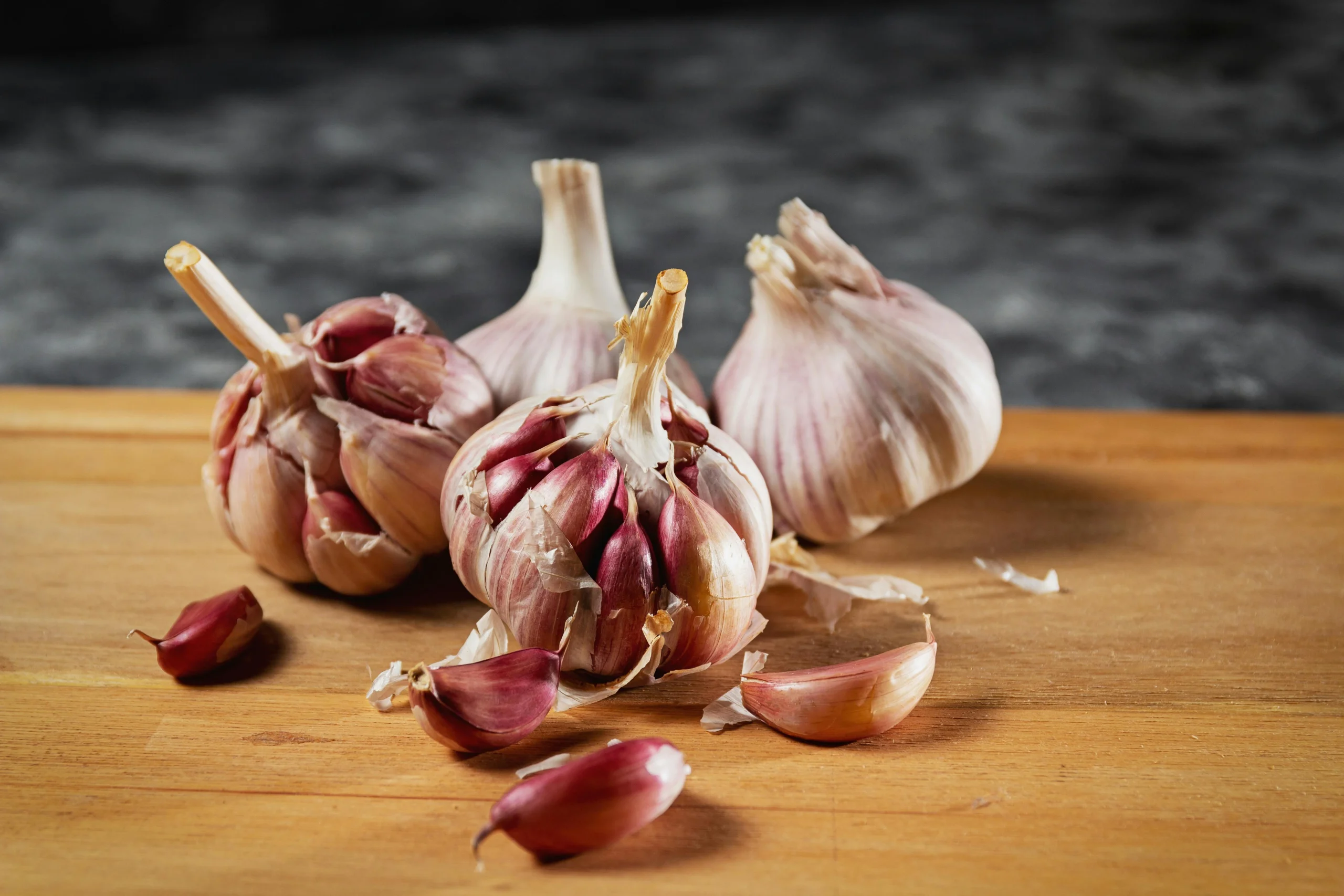
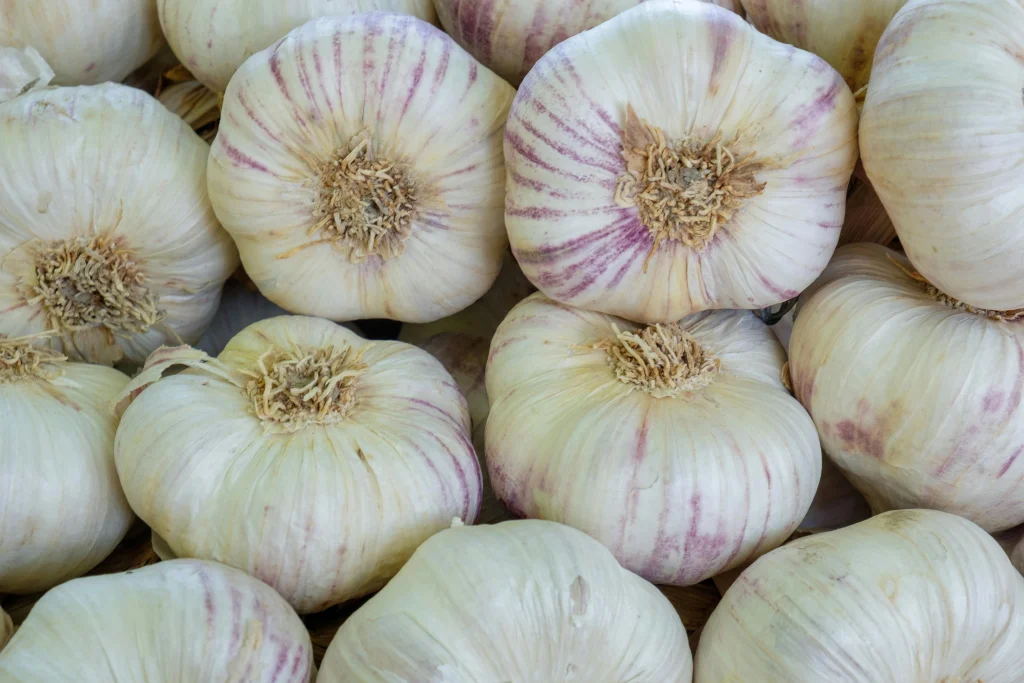
    A good garlic bulb should feel firm and dry on the outside, not hollow or soft. It should feel solid for its size, with cloves packed tightly beneath the skin. If the bulb feels unusually light, loose, or brittle, it may be older and less useful.

    The outer skin also matters. Fresh garlic typically has papery layers that are dry but still intact. If the skin is peeling away too much, heavily damaged, or exposing the cloves, the garlic may already be losing quality. Fresh ingredient specialists often recommend choosing bulbs that still feel protected.

    Soft spots are another warning sign. Garlic should not feel damp or compressed in certain areas. If it gives too easily under pressure, it may already be declining. Firmness is usually one of the clearest indicators of freshness.

    how to choose fresh garlic by checking firmness and bulb condition

    Credit: Detlef Hansmann  / Pexels

    Does sprouting affect how to choose fresh garlic?

    Garlic that has started to sprout isn’t always unusable, but it usually indicates age. A small green shoot inside the clove often means the bulb has been stored for a while and may no longer have the same balanced flavor as fresher garlic. In some dishes, the difference may be subtle, but in simpler recipes it can stand out more.

    Food educators often explain that sprouting changes how garlic is best used. Older cloves can still work in longer-cooked dishes, but fresh garlic is usually the better choice when you want a clean, strong flavor—especially when garlic plays a central role rather than blending into the background.

    How does smell help when deciding how to choose fresh garlic?

    Whole garlic bulbs don’t release a strong aroma until they’re cut, but there are still signs to notice. A light, clean garlic scent is a good indicator, while a stale or unpleasant smell may suggest the bulb is past its best.

    Cooking teachers often remind home cooks that garlic should smell fresh and clear, not sour or damp. Since garlic contributes so much to aroma as well as taste, its scent is an important part of judging quality.

    How should garlic be stored after buying it?

    Proper storage helps garlic last longer and stay useful. It generally keeps best in a dry, stable environment that isn’t too warm. These conditions help slow sprouting and prevent the cloves from softening too quickly. Fresh ingredient specialists often recommend treating garlic more like a pantry item than something that needs moisture.

    It also helps to buy only what you’ll use within a reasonable time. A few fresh bulbs usually give better results than storing a large quantity until quality declines. This approach reduces waste and keeps the ingredient more reliable.

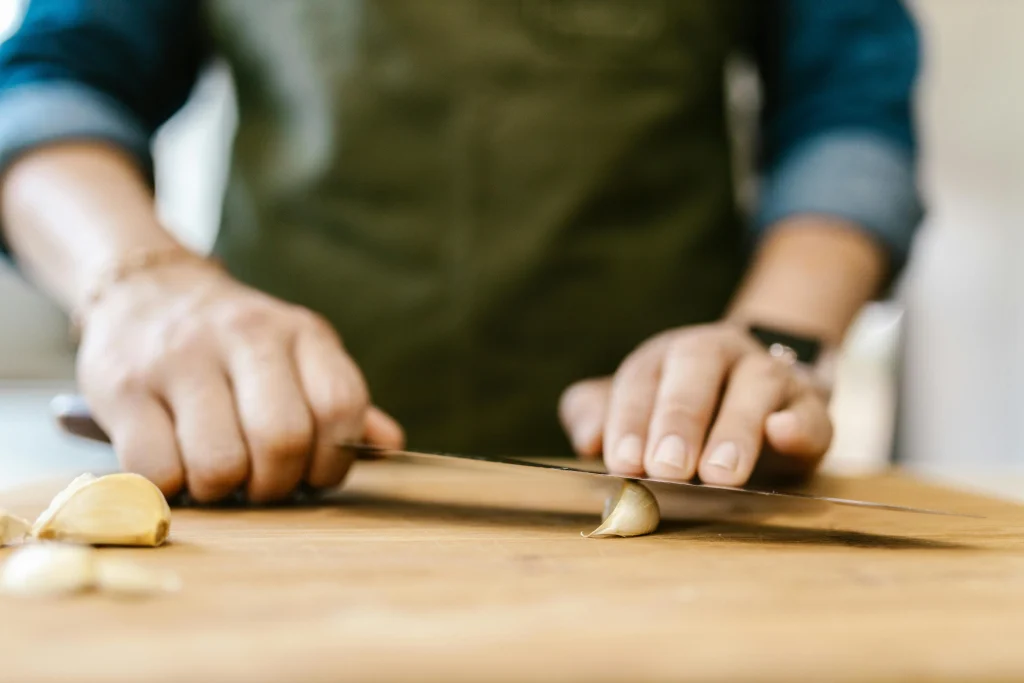
    Once a bulb is broken apart, the individual cloves are less protected. Using them sooner rather than later helps preserve both texture and flavor.

    How can cooking with garlic reduce waste?

    Garlic is easy to use across a wide range of meals, which makes it a practical ingredient for everyday cooking. A single bulb can be used in soups, pasta, roasted vegetables, rice dishes, and simple dressings over several days.

    Meal planning educators often encourage this kind of flexibility. Using one ingredient across multiple meals helps reduce waste and makes cooking more efficient. Garlic works especially well in this role because even small amounts can add noticeable flavor without requiring a large supply.

    cooking with garlic after learning how to choose fresh garlicCredit:  RDNE Stock / Pexels

    When should garlic be added during cooking?

    Timing can change how garlic behaves. Garlic added early can soften and become more mellow, while garlic added later often stays sharper and more noticeable. Cooking instructors often explain that the right timing depends on the role garlic should play in the final dish.

    For home cooks, this means freshness matters even more. Better garlic gives more options because it can perform well whether it is used in a gentle flavor base or a brighter finishing stage in simple recipes.

    How to choose fresh garlic without overbuying

    The most practical habit is to match the amount of garlic to likely meals. A home cook who uses garlic often may choose several bulbs, while another may do better with one or two fresher bulbs used steadily. Buying with a rough plan usually gives better results than stocking up without a clear use in mind.

    Fresh ingredients work best when they are selected for real kitchen use, not just out of habit. A few good garlic bulbs can support many dishes and reduce waste more effectively than a larger amount that sits too long and loses quality.

    Frequently Asked Questions

    Q: What is the easiest sign of fresh garlic?
    A: A fresh garlic bulb usually feels firm, solid, and dry on the outside. It should not feel soft, damp, or unusually light for its size.

    Q: Is sprouted garlic always bad?
    A: Not always, but it often suggests the garlic is older. Fresher garlic is usually preferred when flavor needs to be clean and strong.

    Q: Should garlic bulbs be bought loose or in larger amounts?
    A: That depends on how often garlic is used. Many home cooks do better buying an amount they can use while the bulbs still feel firm and fresh.

    Q: Can fresh garlic really change a simple dish?
    A: Yes. Garlic often forms part of the flavor base, so better garlic can make soups, pasta, rice dishes, and vegetables taste more balanced.

    Key Takeaway

    Learning how to choose fresh garlic helps home cooks build stronger flavor from the very start of a dish. Firm bulbs, healthy outer skin, limited sprouting, and proper storage all support better garlic quality. Because garlic appears in so many simple meals, better selection can improve many recipes across the week. For everyday cooking, a few good bulbs are often more useful than a large supply of aging garlic.


    [INTERNAL LINKING SUGGESTIONS]

    • How to Pick Fresh Lemons for Better Flavor in Everyday Cooking
    • How to Sauté Onions for Better Flavor in Everyday Cooking
    • 8 Cooking Tips That Can Help Pasta Sauce Taste More Balanced
  • 7 Food Facts About Potatoes That Many Home Cooks Misunderstand

    7 Food Facts About Potatoes That Many Home Cooks Misunderstand

    Many food facts about potatoes are easy to overlook because they’re such a familiar part of everyday cooking. They show up in roasted dishes, soups, mashed sides, salads, and quick skillet meals. Because they’re used so often, many home cooks rely on habit without thinking much about how potatoes actually behave. In reality, small details like variety, moisture, storage, and heat can shape the final texture more than expected.

    Food educators often point out that potatoes may seem simple, but they can produce very different results depending on how they’re handled. Some varieties keep their shape, while others soften and break down more easily. Understanding a few basic facts can help home cooks get more consistent results and choose the right approach for each dish.

    1. Not all potatoes behave the same way in cooking

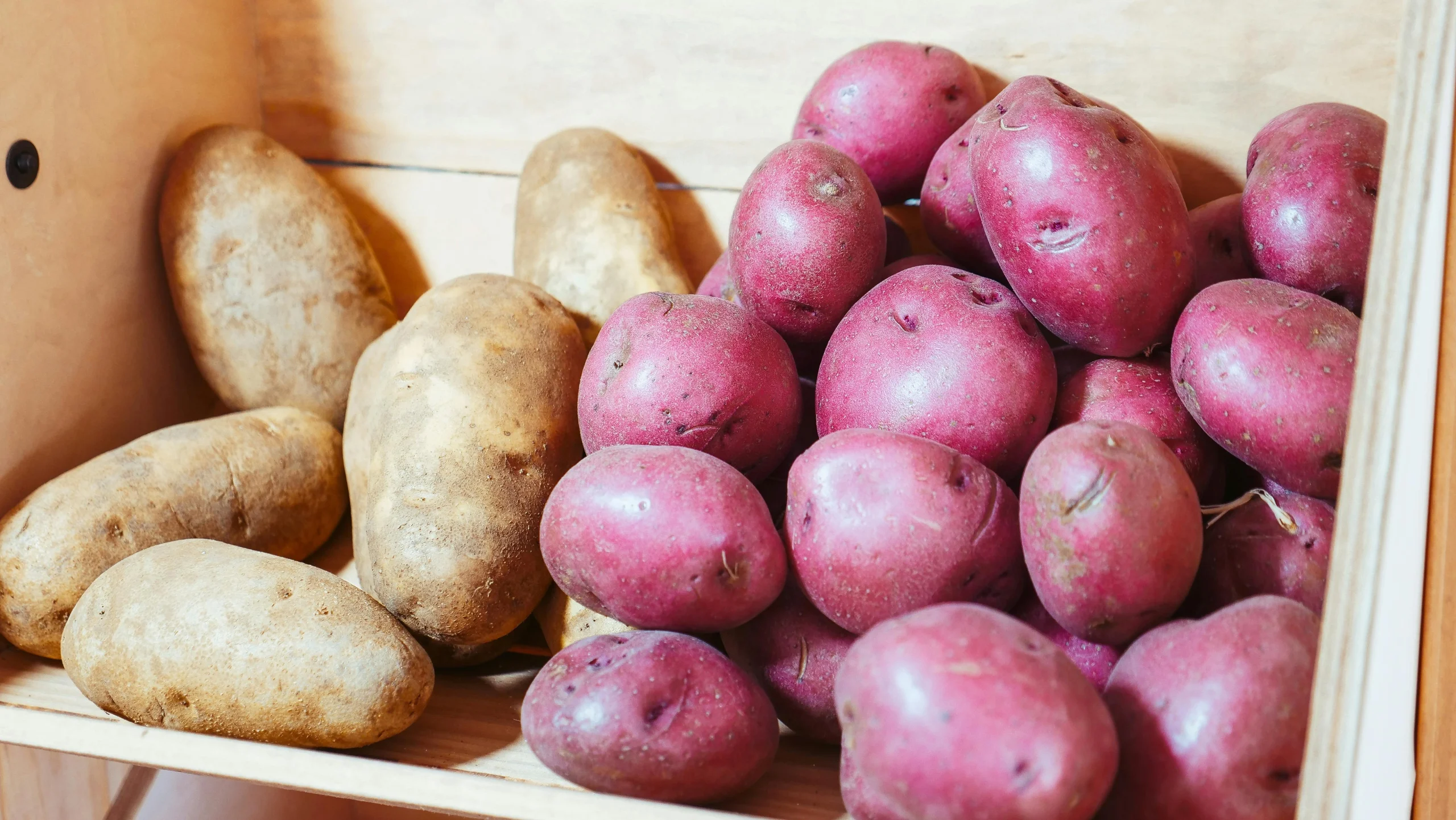
    One of the most important things to know is that different types of potatoes cook differently. Some stay firm and are better suited for roasting, salads, or dishes where structure matters. Others soften more easily and work better for mashing, soups, or fillings.

    Cooking instructors often remind home cooks that choosing the right potato is part of the recipe itself. If the type doesn’t match the goal, the texture may feel off even when the cooking method is correct.

    2. Potatoes turn brown after cutting for a simple reason

    It’s common for cut potatoes to darken when left out, and this often causes concern. In most cases, it’s simply a reaction to air exposure rather than a sign that the potato has spoiled right away.

    Food science educators explain that this type of surface change happens with many fruits and vegetables. With potatoes, it mostly affects appearance at first, but it can still matter in dishes where color is important. That’s why many cooks cut potatoes just before cooking or keep them in water if there’s a delay.

    3. Moisture affects texture more than many cooks realize

    Potatoes contain a high amount of water, and that moisture plays a big role in how they cook. Excess surface moisture can slow browning and lead to softer results, especially when roasting or frying.

    Cooking teachers often explain that crisp edges depend on reducing that extra moisture first. If the surface stays damp, the oven or pan has to work harder before browning can begin. Drying potatoes well before cooking can make a noticeable difference in texture.

    food facts about potatoes include how moisture affects roasting texture

    Credit:  Sergej / Pexels

    4. Storage conditions change potato quality over time

    Potatoes don’t stay exactly the same after they come home from the store. Light, warmth, and time can all affect their condition. When stored poorly, they may sprout, soften, or lose the texture that works best in cooking.

    Fresh ingredient specialists often point out that potatoes keep better in stable conditions that don’t encourage moisture buildup or early sprouting. Good storage helps maintain quality, while poor storage can make even a good batch harder to use well in the kitchen.

    5. A waxy or floury texture changes how potatoes should be used

    Many home cooks don’t think about texture categories, but potatoes generally fall into a few broad types. Firmer, waxy potatoes tend to hold their shape, while more floury potatoes break down more easily.

    Food educators often describe this as one of the most practical potato facts because it directly connects to cooking results. Waxy potatoes work well in salads or soups where structure matters, while floury ones are better for mash or dishes that benefit from a softer texture.

    6. Overcooking does not affect all potato dishes in the same way

    Overcooking doesn’t have the same impact in every dish. In mashed potatoes, extra softness may still work well. In roasted dishes or potato salads, that same softness can make the result feel too loose or uneven.

    Cooking instructors often suggest thinking about the final use first. A potato that works perfectly in a soup may not be right for roasting, and one ideal for mash may not hold up in a structured side dish.

    7. Potatoes work well because they carry other flavors so easily

    Potatoes are sometimes described as plain, but that mild flavor is actually one of their biggest strengths. They absorb herbs, spices, sauces, and aromatics easily without overpowering the dish.

    Meal planning educators often view potatoes as a flexible base rather than a simple side. Their ability to adapt to different flavors makes them useful in a wide range of meals, from light herb-based dishes to richer roasted combinations. For home cooks, that versatility is one of the most valuable things to understand about them.

    food facts about potatoes include their ability to carry herbs and seasoning

    Credit:  Majkel Berger / Pexels

    Why do people misunderstand potatoes so easily?

    Potatoes are common, affordable, and widely used, so many people treat them as interchangeable. A method that works once may be repeated across every potato dish, even when the cooking goal changes. This creates confusion because potatoes respond very differently depending on type, moisture, and heat.

    Food educators often encourage home cooks to think about potatoes by texture and purpose rather than as one fixed ingredient. Once that shift happens, roasting, mashing, boiling, and storing potatoes often become much easier to understand.

    Frequently Asked Questions

    Q: Why do cut potatoes turn brown?
    A: Cut potatoes can darken when exposed to air. This is usually a surface reaction and not an immediate sign that the potato is unusable.

    Q: Do all potatoes roast the same way?
    A: No. Different potatoes have different textures, and some hold their shape or brown more effectively than others depending on the dish.

    Q: Why is drying potatoes important before roasting?
    A: Drying reduces extra surface moisture, which helps the potatoes brown better and develop stronger outer texture in the oven.

    Q: Are potatoes only useful as side dishes?
    A: No. Potatoes can act as a meal base, a soup ingredient, a salad ingredient, or a key part of many complete dishes.

    Key Takeaway

    These food facts about potatoes show that type, moisture, storage, and texture all affect how potatoes behave in the kitchen. Potatoes may look simple, but small choices can change whether they roast well, mash smoothly, or hold their shape. Understanding a few basic facts makes them easier to use with confidence. For everyday home cooks, that knowledge can improve many meals without making cooking more complicated.


    [INTERNAL LINKING SUGGESTIONS]

    • A Simple Guide to Roasting Potatoes With Better Crisp Edges
    • 7 Rice Bowl Meals That Make Busy Weeknights Easier
    • How to Steam Vegetables So They Stay Bright and Tender
  • 8 Cooking Tips That Can Help Roasted Vegetables Taste Better

    8 Cooking Tips That Can Help Roasted Vegetables Taste Better

    Strong cooking tips for roasted vegetables can turn simple ingredients into meals that feel more complete, flavorful, and satisfying without much extra effort. Roasting is often seen as one of the easiest methods, but vegetables can still come out soft, pale, uneven, or dry when small details are overlooked. A few practical habits can make a noticeable difference in how the oven performs.

    Cooking instructors often explain that good roasted vegetables rely on direct heat, dry surfaces, and enough space on the tray. Food educators also point out that balance matters just as much as browning. The goal is vegetables that are well-developed in flavor while still holding their shape and texture.

    Why do cooking tips for roasted vegetables matter so much?

    Roasting can seem simple because everything goes into the oven and cooks on its own. But the results depend heavily on how the vegetables are prepared. If they are too wet, unevenly cut, or crowded together, the final dish can feel flat or underwhelming.

    Home cooking teachers often remind beginners that roasting is not only about time. It’s about managing moisture, spacing, and how heat interacts with the surface of the food. These details often determine whether the tray comes out deeply flavorful or just lightly cooked.

    1. Dry surfaces lead to better roasted vegetables

    One of the most important tips is to dry vegetables thoroughly before roasting. Any surface moisture slows down browning and encourages steaming instead. This is why vegetables can stay pale even after spending a long time in the oven.

    Food science educators explain that moisture must evaporate before browning can begin. When vegetables are properly dried, the oven can move more quickly toward the texture and color most cooks are aiming for.

    2. Cut size changes everything

    Uneven cutting leads to uneven cooking. Smaller pieces may burn or dry out before larger ones are tender, creating a mix of textures that doesn’t feel balanced.

    Cooking teachers often suggest considering both size and density when cutting. Firmer vegetables may benefit from smaller pieces, while softer ones can be cut larger. This helps different ingredients finish cooking at roughly the same time.

    3. Give vegetables enough space on the pan

    Crowding is one of the most common reasons roasted vegetables don’t turn out well. When pieces are too close together, they trap steam and prevent proper browning. The result is often softer and less flavorful.

    Many roasting tips emphasize using a larger tray or dividing vegetables between two trays if needed. This simple adjustment can improve texture immediately without changing anything else in the recipe.

    cooking tips for roasted vegetables include proper spacing on the panCredit: Sebastian Coman / Pexels

    4. Use enough oil, but not too much

    Oil plays an important role in roasting. It helps vegetables brown more evenly and allows seasonings to stick. Too little oil can leave the tray dry and patchy, while too much can make everything feel heavy. The goal is a light, even coating rather than excess.

    Cooking educators often emphasize balance here. Vegetables should look lightly coated, not drenched. This allows the heat to work on the surface properly without weighing the ingredients down.

    5. Match the tray to the vegetable mix

    Different vegetables roast at different speeds. Dense options like carrots or potatoes usually need more time than softer ones like zucchini or mushrooms. When everything goes into the oven at once without planning, some pieces may overcook while others are still underdone.

    Food educators often suggest grouping vegetables with similar cooking times or adding quicker-cooking ingredients later. This helps the tray finish more evenly and keeps the texture balanced.

    6. Turn vegetables at the right time

    Turning vegetables during roasting can help more sides brown and make better contact with the heat. However, moving them too early can interrupt the initial browning process. Letting them sit undisturbed for a while usually leads to better color and texture.

    Cooking instructors often describe roasting as a mix of patience and timing. The vegetables need time to develop in the oven, followed by one well-timed turn to improve overall browning.

    7. Season in layers for better flavor

    Seasoning at the start is important, but many roasted vegetables benefit from a second layer of flavor at the end. Fresh herbs, a squeeze of citrus, a spoon of yogurt-based sauce, or a touch of pepper can brighten the dish after roasting.

    Food writers often point out that roasting builds depth but can soften freshness. A final addition helps bring back contrast and makes the vegetables feel more complete.

    8. Use roasted vegetables in meals, not only as side dishes

    Roasted vegetables don’t have to stay on the side of the plate. They can easily be used in grain bowls, pasta, soups, wraps, or quick lunches. This makes the effort more useful and helps reduce waste over the week.

    Meal planning educators often recommend roasting a bit extra on purpose. One tray can serve dinner and still be used in one or two additional meals later, making roasting a practical and flexible approach.

    How can home cooks improve roasted vegetables without making them complicated?

    The easiest way to get better results is to stick to a few consistent habits: dry the vegetables well, cut them evenly, give them enough space, use a moderate amount of oil and seasoning, and finish with something fresh.

    Food educators often remind cooks that good roasting starts before the tray goes into the oven. When the preparation is right, the final result usually takes care of itself.

    Frequently Asked Questions

    Q: Why do roasted vegetables sometimes come out soft instead of browned?
    A: This often happens because of extra moisture, crowding, or not enough oven heat. These factors encourage steaming and slow browning.

    Q: Should all vegetables be roasted together?
    A: Not always. Different vegetables often need different roasting times, so grouping similar ones or adding some later can improve the result.

    Q: Is oil necessary for roasted vegetables?
    A: In many cases, yes. A light coating of oil helps browning and supports more even seasoning across the tray.

    Q: Can roasted vegetables be used the next day?
    A: Yes. They often work well in bowls, pasta dishes, soups, and quick lunches, which makes roasting useful for meal planning.

    Key Takeaway

    These cooking tips for roasted vegetables show that good oven results come from a few simple choices before and during cooking. Drying, spacing, even cutting, careful oil use, and a fresh finish can all improve flavor and texture. Roasted vegetables also become more useful when they are planned as part of several meals, not just one tray. For home cooks, these habits can make everyday vegetable cooking much more reliable.


    [INTERNAL LINKING SUGGESTIONS]

    • 7 Roasted Vegetable Mistakes That Can Ruin Flavor and Texture
    • A Simple Guide to Roasting Potatoes With Better Crisp Edges
    • 7 Sheet Pan Meals That Keep Weeknight Cooking Easier
  • How to Cook Lentils So They Stay Tender but Not Mushy

    How to Cook Lentils So They Stay Tender but Not Mushy

    Learning how to cook lentils is one of the most useful kitchen skills for everyday meals. Lentils work well in soups, grain bowls, warm salads, simple sides, and one-pot dishes. They cook faster than many other dried legumes and fit both light and more filling meals. For home cooks, that makes them affordable, flexible, and easy to use regularly.

    Cooking instructors often explain that lentils become straightforward once you understand their texture. The main challenge is that they can go from firm to overly soft faster than expected. Food educators also point out that different types of lentils behave differently, so paying attention to variety, timing, and how they’ll be used can quickly improve results.

    Why does learning how to cook lentils matter in cooking basics?

    Lentils are often a base ingredient, so their texture affects the entire dish. If they remain too firm, the meal can feel incomplete. If they become too soft, the dish may lose structure and contrast. That’s why even a simple pot of lentils depends more on timing than many people realize.

    Home cooking teachers often suggest starting with the final use in mind. Lentils for soup can be softer, while lentils for salads or grain bowls are usually better when they hold their shape. Thinking this way helps avoid trying to reach one “perfect” texture for every recipe.

    What should home cooks know before learning how to cook lentils?

    Lentils come in several varieties, and they don’t all cook the same way. Some stay firm and separate, while others break down more quickly. This difference matters because it affects whether the final dish feels structured or more blended.

    Food educators also recommend checking lentils before cooking. Like many dried legumes, they can occasionally contain small stones or damaged pieces, so a quick inspection helps avoid problems. Rinsing them is also useful for removing any dust from storage and handling.

    This preparation step is simple but important. As with many basic cooking methods, good results often begin before the pot is even on the heat.

    how to cook lentils by rinsing them before boilingCredit:  Olga Lioncat / Pexels

    How to cook lentils step by step

    Start by rinsing the lentils and giving them a quick check for any debris. Place them in a pot with enough liquid to allow even cooking. Bring the pot to a boil, then lower the heat so the lentils cook at a gentle simmer rather than a rapid boil. This steadier heat helps maintain better texture and gives more control over the result.

    As they cook, lentils absorb liquid and begin to soften. Cooking teachers often recommend checking them early instead of relying only on timing. Since different types cook differently, tasting is the most reliable way to judge doneness.

    Once the lentils reach the desired texture, remove them from the heat. Letting them continue to cook unattended can quickly push them past the ideal point, especially in dishes where they should remain intact.

    Why is simmering better than boiling hard?

    A hard boil can cause lentils to break apart too quickly, softening the outside before the inside reaches a balanced texture. A gentle simmer keeps the pot active without being too aggressive, which helps maintain shape and consistency.

    Food educators often explain that controlling heat is just as important as measuring liquid. While a strong boil may seem faster, it often reduces control and leads to less consistent results. A simmer gives a more even finish, especially for dishes like salads or grain bowls.

    How does seasoning affect lentils during cooking?

    Seasoning plays a role in how lentils develop flavor, but timing matters. Some cooks prefer to keep the cooking liquid simple and adjust flavors at the end, while others add mild seasoning or aromatics during cooking to build depth early on.

    Cooking instructors often suggest thinking in layers. A lightly seasoned base can make the lentils more rounded, while fresh herbs, citrus, or other finishing elements can add brightness at the end. This approach helps avoid a flat or one-dimensional result.

    What common mistakes affect lentil texture?

    One common mistake is not checking the lentils early enough. They can look similar in the pot even as their texture changes quickly. Another issue is using too strong a boil, which can break them down too much. Ignoring the final use of the dish can also lead to problems, since not all lentils should be cooked to the same level of softness.

    Food educators often remind home cooks that lentils are simple but not entirely hands-off. Taking a moment to taste and adjust during cooking can prevent most texture issues before they affect the entire dish.

    How can cooked lentils be used in simple meals?

    Cooked lentils are easy to use in a wide range of meals. They work well in soups, grain bowls, salads, warm vegetable dishes, and basic meal prep. They can be served as a side or used as a base that carries other flavors effectively.

    Meal planning educators often recommend lentils because one batch can stretch across several meals. Preparing them once and using them in different ways throughout the week makes them a practical choice for busy kitchens.

    how to cook lentils for use in grain bowls and simple meals
    Credit:
    Suki Lee / Pexels

    Should lentils always be cooked until very soft?

    No. The best finish depends on the meal. Lentils for soups may be softer, while lentils for salads or bowls may be better when they still hold shape. Cooking teachers often remind beginners that texture should match purpose rather than one fixed rule.

    This makes lentil cooking more flexible than many people expect. Once home cooks begin matching texture to dish, lentils often become easier to work with and more useful across the week.

    Frequently Asked Questions

    Q: Do lentils need to be soaked before cooking?
    A: Lentils are often cooked without soaking, though they still benefit from rinsing and checking before they go into the pot.

    Q: Why do lentils sometimes turn mushy?
    A: Lentils often turn mushy when they cook too long or boil too hard. Different varieties also soften at different speeds.

    Q: Can lentils be used for meal prep?
    A: Yes. Cooked lentils can support soups, bowls, salads, and other simple meals across several days when handled properly.

    Q: Is tasting the best way to know if lentils are done?
    A: In many cases, yes. Tasting helps match the texture to the final dish more accurately than relying only on the clock.

    Key Takeaway

    Learning how to cook lentils helps home cooks build simple meals that are practical, flexible, and easier to repeat. The best results usually come from rinsing first, simmering gently, and matching the final texture to the dish. Lentils do not need to be complicated, but they do benefit from attention near the end of cooking. For everyday kitchens, that small attention can make them much more reliable.


    [INTERNAL LINKING SUGGESTIONS]

    • A Simple Guide to Cooking Rice Without Guesswork
    • 7 Rice Bowl Meals That Make Busy Weeknights Easier
    • How to Steam Vegetables So They Stay Bright and Tender