Learning how to choose fresh carrots can improve many everyday meals because carrots are used in so many different ways. They appear in soups, salads, grain bowls, roasted trays, lunch plates, and simple side dishes. When carrots are fresh, they usually taste sweeter, feel firmer, and hold their texture better whether they are eaten raw or cooked.
Fresh ingredient educators often explain that carrots are easy to overlook because they seem dependable in almost any kitchen. But poor carrots can become limp, dry, woody, or less flavorful than home cooks expect. For everyday meals, learning how to choose better carrots can make a noticeable difference without adding any extra work at the stove.
Why does how to choose fresh carrots matter so much?
Carrots often play more than one role in a dish. They may add sweetness to a soup base, crunch to a salad, color to a grain bowl, or body to a roasted tray. When the carrots are fresh, they usually bring better texture and cleaner flavor to all of those uses. When they are tired or drying out, the meal can feel weaker even if the rest of the ingredients are fine.
Cooking instructors often note that carrots are one of those ingredients that can look acceptable on the outside while still losing quality over time. That is why a quick check for freshness at the store can help prevent disappointment later in the kitchen.
What should home cooks look for when learning how to choose fresh carrots?
Firmness is one of the easiest first signs. Fresh carrots should usually feel solid and crisp rather than bendy, rubbery, or soft. A carrot that feels strong in the hand is often more likely to keep good texture in both raw and cooked dishes.
Surface condition matters too. The carrot should usually look smooth enough for its type and not heavily dried out, cracked, or shriveled. Small natural marks are common, but the overall surface should still look lively rather than tired. Fresh ingredient specialists often recommend avoiding carrots with clear signs of dehydration because that often affects both texture and flavor.
Size can also matter depending on the meal. Very large carrots may still be useful, but some can become more fibrous or woody in the center. Smaller or medium carrots often feel more flexible for everyday cooking, especially when the goal is balanced texture instead of only volume.
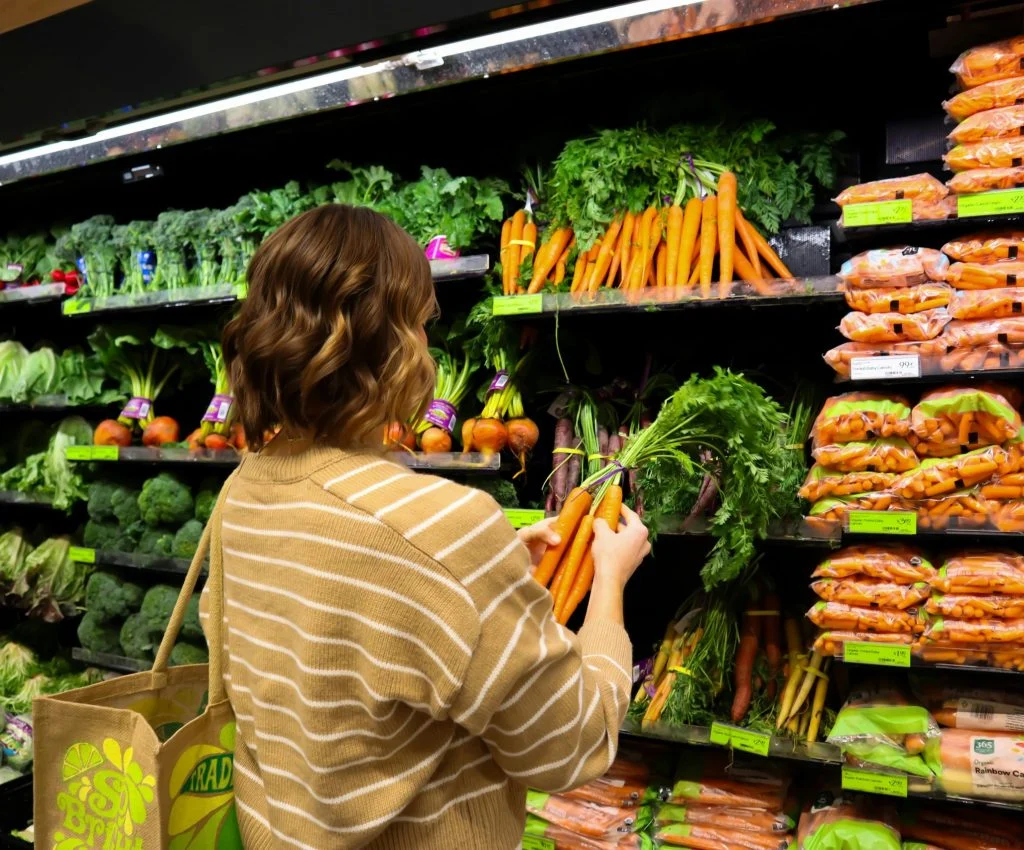
Do carrot tops affect how to choose fresh carrots?
When carrots are sold with their tops attached, the greens can offer clues about freshness. Bright, lively tops often suggest the carrots were handled more recently, while dry or heavily wilted tops may suggest the bunch has been sitting longer. This is not the only clue to use, but it can still help when deciding between bunches.
Food educators often explain that tops should be read together with the carrot itself. A healthy-looking top does not automatically guarantee perfect carrot texture, but it can support the idea that the bunch is fresher overall.
How does carrot texture change with age?
As carrots lose freshness, they often lose water and begin to feel less crisp. This can make them seem softer and less clean in bite, especially when used raw. In some cooked dishes that change may matter a little less, but texture still affects how the ingredient behaves in the pan, oven, or soup pot.
Fresh ingredient specialists often remind home cooks that carrots are usually valued for more than sweetness alone. Their firm texture is one of the main reasons they work so well in so many meals. Once that begins to fade, the ingredient may become less useful across several cooking styles.
How should carrots be stored after buying them?
Storage affects how long carrots stay crisp and useful. Carrots generally do best when protected from drying out too quickly. Fresh ingredient experts often recommend checking them soon after bringing them home, especially if the bunch includes tops or if any carrots already seem slightly dry.
It also helps to buy an amount that matches likely meals. A realistic amount can support soups, bowls, salads, and sides over several days without sitting too long and losing quality. This is one of the easiest ways to reduce waste while keeping the ingredient useful.
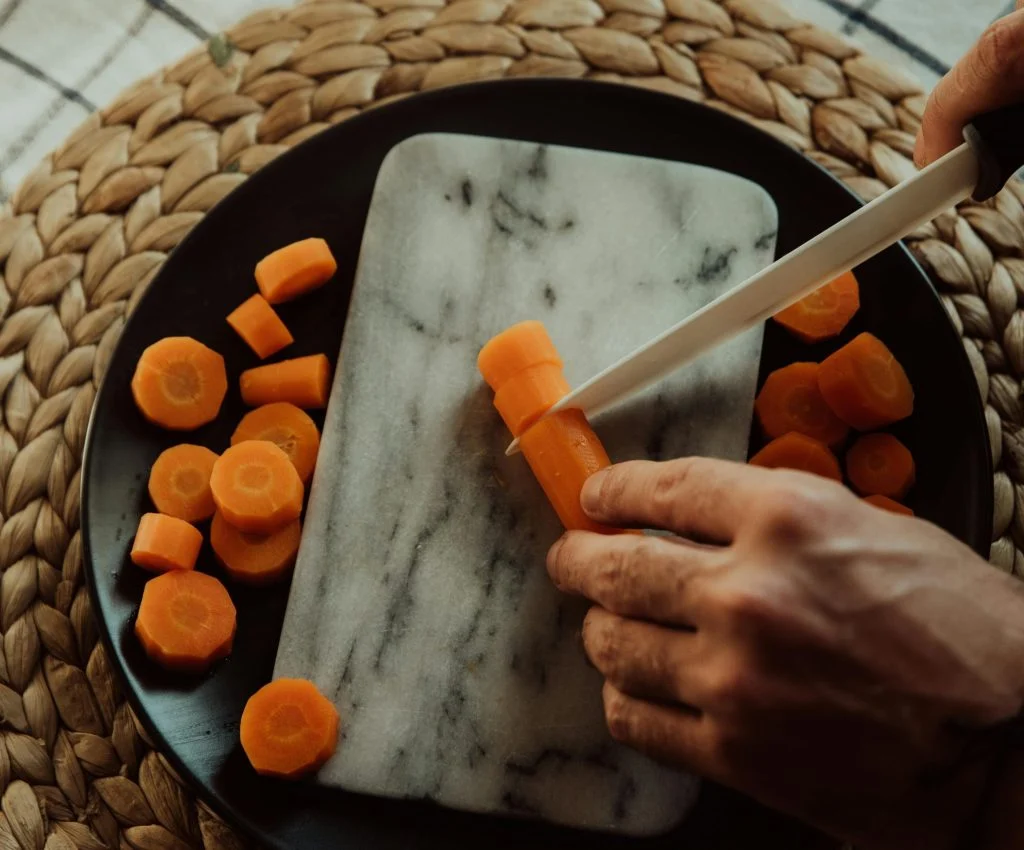
Once carrots are peeled or cut, they may lose moisture faster than when whole. That is why many home cooks prepare them closer to cooking or serving time when possible, especially in meals where crispness matters.
How can cooking with carrots reduce waste?
Carrots are especially practical because they move easily across different types of meals. One batch may be used raw in salads, roasted in a dinner tray, simmered into soup, or added to a grain bowl later in the week. This flexibility makes it easier to buy them with confidence and use them fully.
Meal planning educators often recommend ingredients that work in both cooked and raw meals because they stretch more naturally across a week of home cooking. Carrots are a strong example because they adapt well without requiring totally different methods each time.
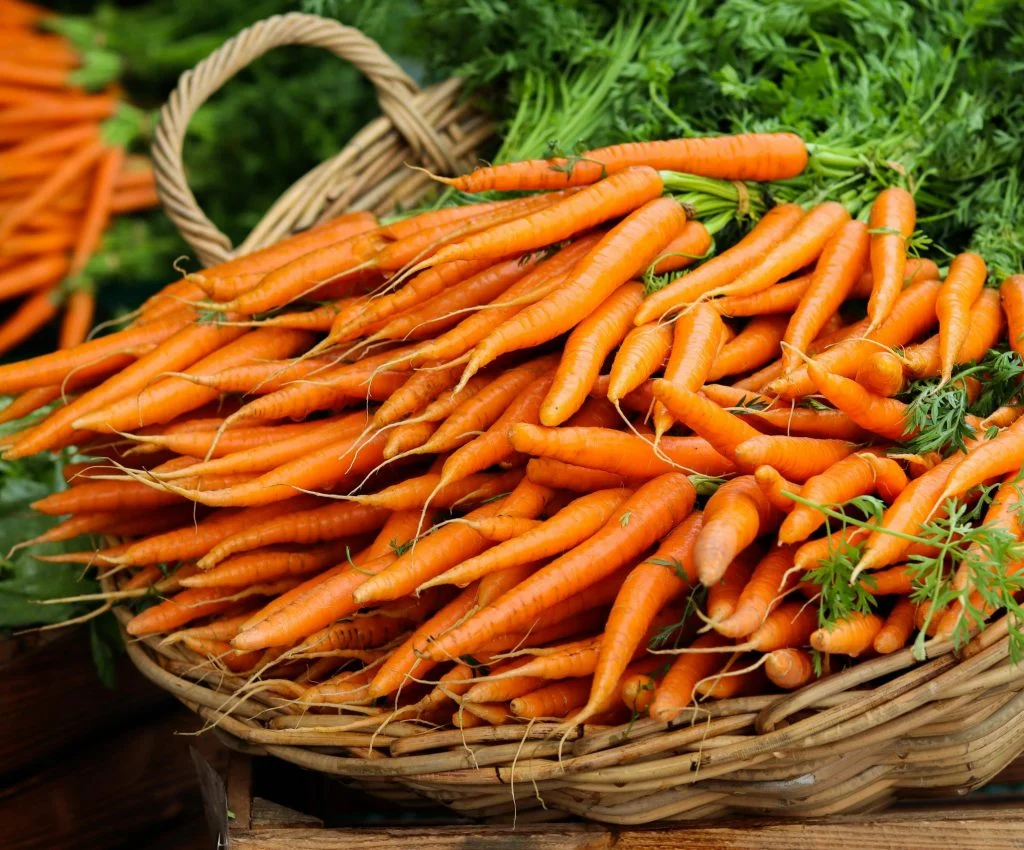
When should carrots be added during cooking?
Timing depends on the dish and the size of the carrot pieces. Carrots often need more time than softer vegetables, which is why they are usually added early in soups, sautéed bases, or roasted trays. In raw dishes, their role is different because they are valued for crispness rather than softening.
Cooking teachers often explain that better carrots give home cooks more options. A fresher carrot can stay crisp in a salad, soften evenly in a soup, or roast well in the oven. That flexibility is one reason fresh carrot quality matters from the beginning.
How to choose fresh carrots without overbuying
The most practical shopping habit is to connect carrots to two or three likely meals before buying them. A cook may plan them for soup, a roasted side, and a grain bowl, for example. This makes it more likely the carrots will be used while still firm and useful.
Fresh ingredients are easiest to manage when they are tied to real kitchen use. A smaller amount of good carrots often serves the meal plan better than buying too many and watching them dry out before they are needed.
Frequently Asked Questions
Q: What is the easiest sign of a fresh carrot?
A: A fresh carrot usually feels firm and crisp rather than bendy or rubbery. A healthy outer surface is another useful sign.
Q: Are very large carrots always worse?
A: Not always, but some larger carrots can become more fibrous or woody in the center. The best choice depends on the meal and the carrot’s overall condition.
Q: Do carrot tops matter when shopping?
A: They can help. Lively green tops may suggest better freshness, while very wilted tops can suggest the bunch has been sitting longer.
Q: Can carrots work in both raw and cooked meals?
A: Yes. Carrots are useful in salads, soups, roasted dishes, grain bowls, and many other meals, which makes them easy to use across the week.
Key Takeaway
Learning how to choose fresh carrots helps home cooks get better texture, cleaner flavor, and more value from one of the most useful everyday vegetables. Firmness, surface condition, size, and storage all affect how well carrots perform in raw and cooked meals. Because carrots work across so many dishes, selecting them well can reduce waste and improve many recipes. For everyday cooking, a good carrot is much more valuable than it may first seem.