
Salad dressing mistakes are easy to make because dressing often seems like the smallest part of the meal. The greens, vegetables, grains, or toppings usually get more attention. But even a well-built salad can still feel flat, watery, heavy, or uneven if the dressing is not balanced properly. For home cooks, a few small mistakes in the dressing can change the whole bowl.
Cooking instructors often explain that dressing is what connects a salad. Food educators also note that a good dressing does more than add moisture. It helps sharpen the flavor, support the ingredients, and give the whole meal a clearer direction. That is why simple salads often depend on good dressing more than many people first realize.
Why do salad dressing mistakes happen so often?
Many home cooks think dressing should come together quickly from whatever is nearby, and sometimes that works. But when balance is ignored, the result may feel too sharp, too oily, too weak, or too heavy. Because salad ingredients are often fresh and delicate, these problems are easy to notice right away.
Home cooking teachers often say that dressing should match the salad instead of dominating it. A better dressing is not always the strongest one. It is usually the one that helps the rest of the bowl taste clearer and more complete.
1. Using too much dressing is one of the most common salad dressing mistakes
Too much dressing can weigh down a salad very quickly. Leaves may lose their freshness, crisp ingredients can soften too fast, and the bowl may start feeling heavy instead of bright. Even a good dressing can weaken the meal when it is used without enough restraint.
Food educators often remind home cooks that the goal is to coat the salad lightly, not drown it. A little dressing can often do much more than people expect when it is distributed well.
2. Salad dressing mistakes often begin when the balance is too sharp
A dressing that leans too heavily toward acidity can make the whole salad feel harsh instead of fresh. This often happens when the dressing has brightness but not enough support from the rest of its ingredients. The result may seem lively at first and then tiring after a few bites.
Cooking instructors often explain that freshness and sharpness are not the same thing. A better dressing usually feels bright without becoming aggressive. That balance helps the whole bowl stay easier to enjoy.
3. A dressing can also feel too heavy for the salad it is meant to support
Some salads work best with a lighter dressing, especially when the ingredients are tender or already rich in texture. A dressing that is too thick or too heavy can blur the character of the vegetables and make the whole meal feel less fresh. This is one reason dressing should match the bowl rather than follow one fixed style every time.
Food writers often explain that delicate salads usually need support more than weight. The dressing should help the ingredients come together without taking over the whole plate.

4. Not matching the dressing to the ingredients can leave the salad uneven
A grain-heavy salad, a leafy salad, and a vegetable-forward salad often do not need the same kind of dressing. If the dressing does not suit the ingredients, the bowl may feel disconnected even if all the parts taste fine on their own. Matching the dressing to the structure of the salad often makes a noticeable difference.
Cooking teachers often encourage home cooks to think about what the salad needs. Some bowls need more brightness, some need more softness, and some need only a very light coating to work well. Purpose matters here more than habit.
5. Dressing too early can weaken texture
Many salads lose their best texture when they are dressed too far ahead of serving time. Leaves can soften, vegetables can release moisture, and the whole bowl may feel more tired by the time it reaches the table. This is especially true in salads built around fresher or crisp ingredients.
Fresh ingredient specialists often explain that timing is part of dressing, not something separate from it. A good dressing used at the wrong moment can still weaken the meal.
6. Forgetting seasoning can leave dressing tasting unfinished
A dressing may have acidity and oil, yet still feel flat if the seasoning is not balanced. In that case, the salad may seem close to good without ever feeling fully complete. Since dressing often carries flavor to every part of the bowl, that unfinished feeling spreads through the whole salad very quickly.
Food educators often note that dressing should not taste like one strong ingredient standing alone. It should feel settled enough to support the whole bowl in a more even way.
7. Ignoring texture in the dressing can make the meal feel one-note
Some dressings are very smooth, and that can work well in the right bowl. But when the salad already leans very soft, the dressing may need something that helps the whole meal feel more lively. This does not always mean changing the dressing completely. It may simply mean thinking about how it interacts with the textures already in the salad.
Cooking instructors often explain that dressing is part of texture as well as flavor. The final bowl should feel balanced in the mouth, not only taste balanced on the tongue.
8. Skipping a final taste is one of the easiest salad dressing mistakes to fix
Some home cooks mix the dressing and immediately pour it onto the salad without tasting it first. That can leave the bowl at the mercy of whatever balance happened by chance. A very small adjustment before serving can often make a much bigger difference than people expect.
Food writers often remind cooks that dressing is one of the easiest parts of a meal to improve at the last minute. A quick final taste often helps prevent the whole salad from feeling weak, too sharp, or too heavy.
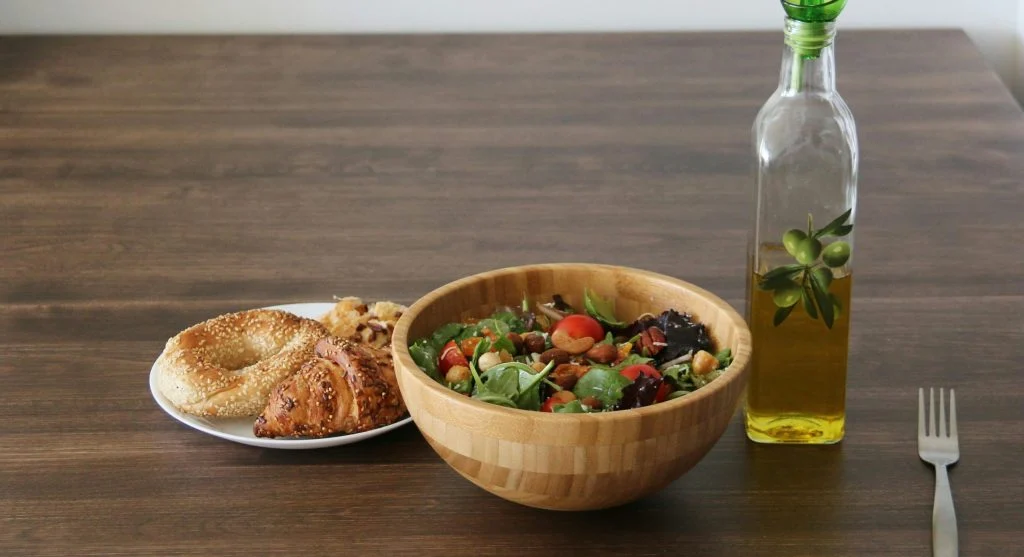
How can home cooks avoid salad dressing mistakes more easily?
The simplest method is to think about dressing as part of the structure of the salad, not only as a final extra. Use enough to support the ingredients, match it to the bowl, taste it before serving, and dress the salad close to the right moment. These habits do not make salad harder. They simply make it much more reliable.
Food educators often remind cooks that better salads usually come from clearer balance, not from more ingredients. A simple dressing used well often improves the whole meal more than a complicated dressing used without care.
Frequently Asked Questions
Q: Why do some salads taste flat even with dressing?
A: The dressing may be too weak, too heavy, poorly timed, or not balanced well enough to support the ingredients in the bowl.
Q: Should salad always be dressed right before serving?
A: In many cases, yes. Dressing too early can soften greens and weaken texture, especially in fresher salads.
Q: Can too much dressing ruin a good salad?
A: Yes. Too much dressing can make a salad feel heavy, soften the ingredients too quickly, and hide the freshness of the bowl.
Q: Why is tasting the dressing before serving important?
A: A final taste helps the cook correct balance before the dressing reaches the whole salad. Small changes at that stage can improve the entire meal.
Key Takeaway
Salad dressing mistakes often come from poor balance, too much dressing, weak timing, or not matching the dressing to the ingredients in the bowl. Because dressing connects the whole salad, these small issues can affect the meal more than many home cooks realize. Better dressing usually comes from restraint, a quick final taste, and clearer support for the ingredients already there. For fresh everyday meals, that small improvement can make a very big difference.