Credit: Nadja M / Pexels
4. Think about the bowl in layers, not just parts
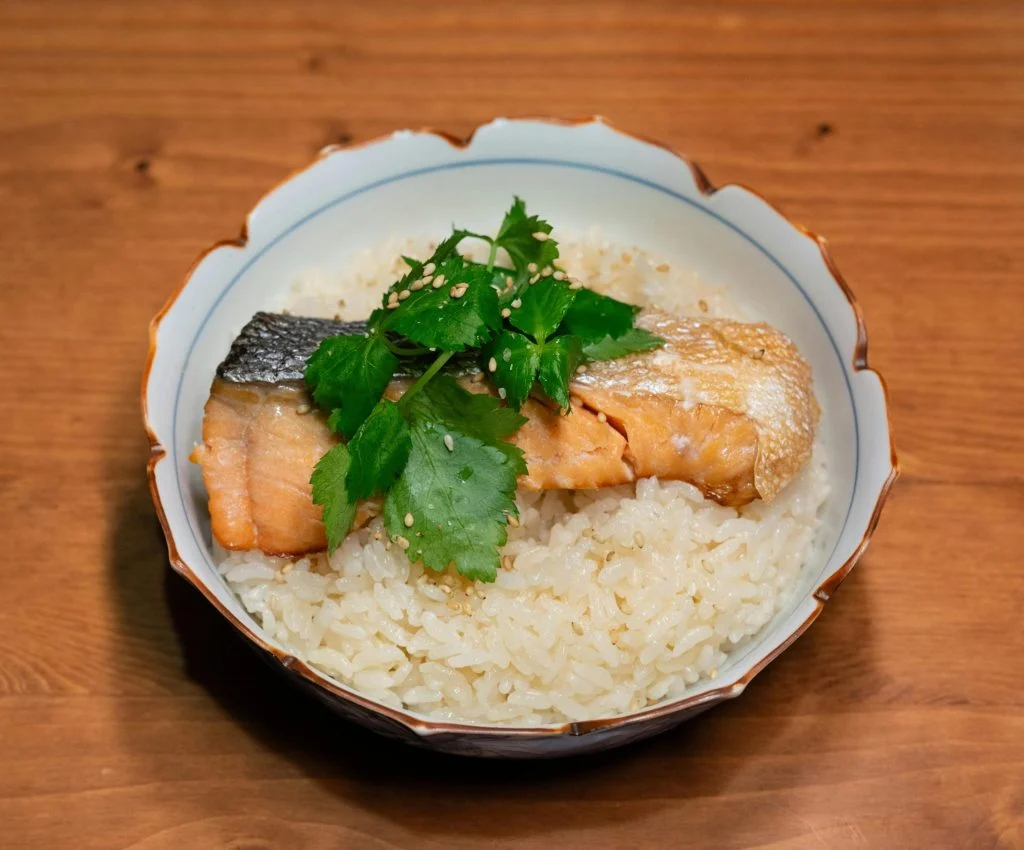
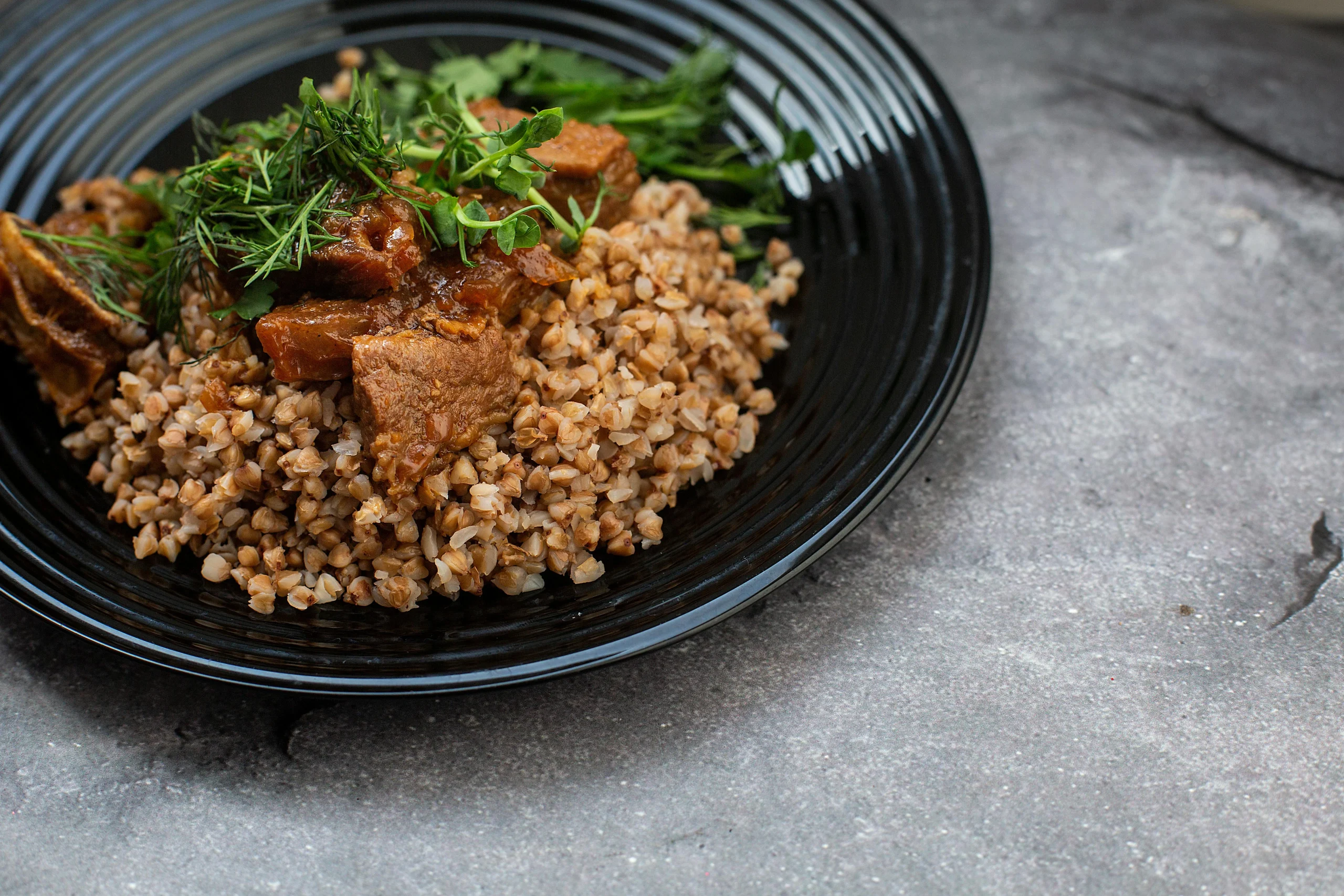
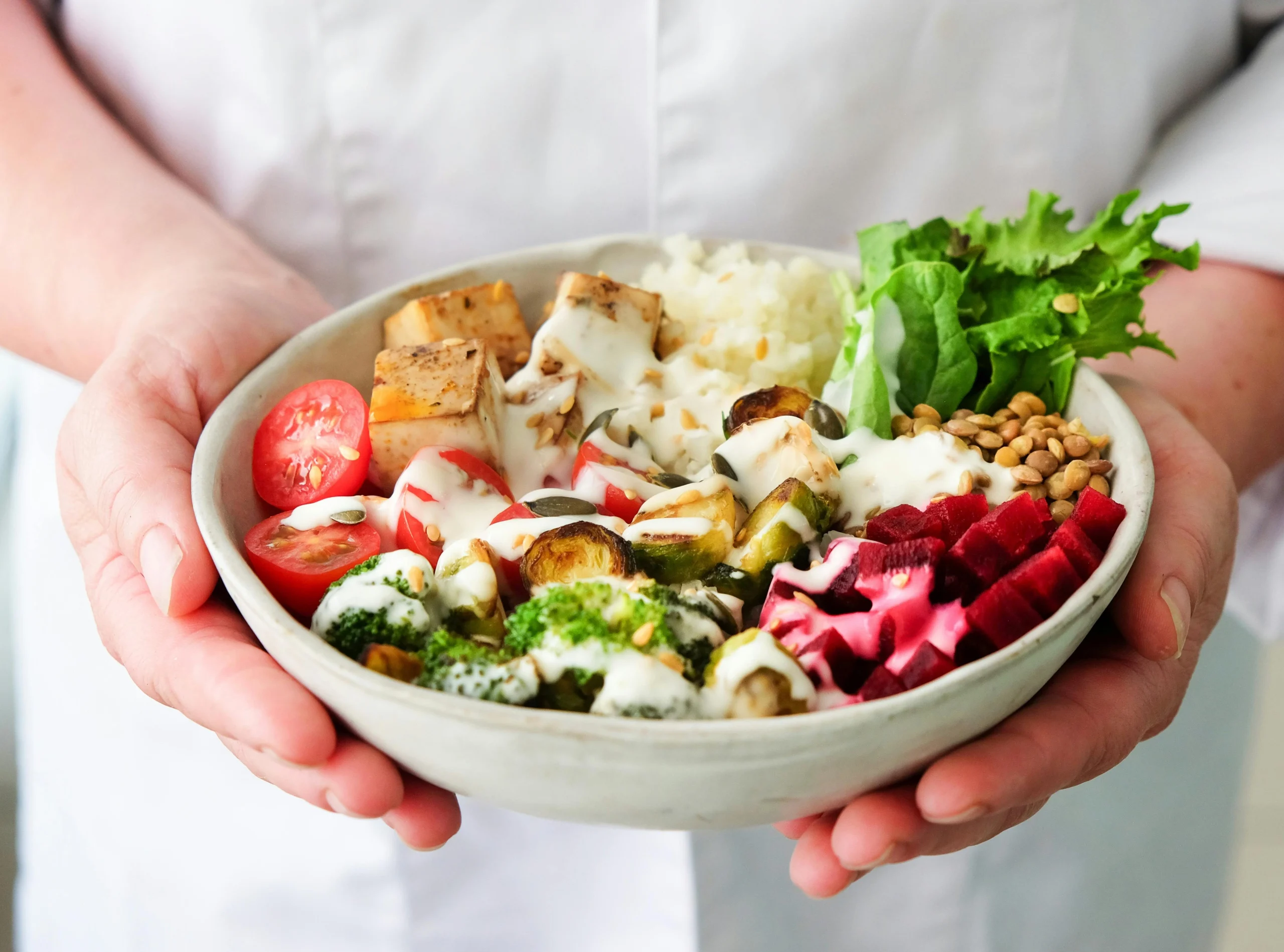
Many home cooks build grain bowls by placing ingredients side by side and leaving them separate. That can look appealing, but the flavors may still feel disconnected. A stronger bowl usually includes something that ties everything together, such as a dressing, herbs, or seasoning that runs through the whole dish.
Meal planning experts often describe bowl meals as layered rather than divided. This doesn’t mean everything has to be mixed at once. It simply means there should be at least one shared element that brings the ingredients together and makes the bowl feel like a complete meal instead of a mix of leftovers.
5. Use something fresh at the end
Fresh finishing elements are one of the most effective grain bowl tips because they can quickly lift the entire dish. Herbs, citrus, yogurt, or a light sauce can brighten a bowl that feels too plain or too heavy. Even a small addition can make a noticeable difference.
Food educators often explain that grain bowls benefit from a fresh finish because many of the main components are cooked ahead of time. That final touch helps the meal feel more vibrant and less like something stored.
6. Do not forget temperature contrast
A bowl that is entirely hot can feel heavy, while one that is entirely cold may feel less satisfying in certain situations. Combining warm grains with cool herbs, room-temperature vegetables, or a chilled topping can create a more balanced and enjoyable meal. This flexibility is one reason grain bowls work well year-round.
Cooking teachers often point out that temperature plays a role in both texture and flavor, even if it’s not always considered directly. A bit of contrast can make the bowl feel more dynamic and complete.
7. Keep the sauce balanced, not overwhelming
Sauce can help bring a grain bowl together, but too much can overwhelm the dish and hide the textures of the grains and vegetables. It’s often better to use just enough sauce to connect the ingredients without turning everything into one uniform mixture. This keeps the bowl balanced and allows each component to stand out.
Food writers often note that sauces work best when they support the dish rather than dominate it. A lighter touch is usually more effective, especially when the bowl already includes bold or well-seasoned elements.
8. Build grain bowls with repeatable patterns
One of the most practical grain bowl tips is to rely on a repeatable structure rather than a fixed recipe. A base grain, a vegetable, a protein or bean, a fresh element, and a finishing layer are often all you need. This approach keeps things simple and makes it easier to work with what you already have.
Meal planning educators often recommend repeatable patterns because they reduce effort while still allowing variety. Grain bowls fit this approach well, as they can easily adapt to different seasons, pantry items, and leftovers.
Credit: Rodolfo Quirós / Pexels
How can home cooks improve grain bowls without making them complicated?
The easiest method is to remember a few steady rules: choose a grain with the right texture, add contrast, use something fresh, and keep the sauce controlled. These steps do not make bowl meals harder. They simply make the ingredients work together more clearly.
Food educators often remind home cooks that better bowls come from balance, not from larger ingredient lists. A small number of thoughtful parts usually creates a stronger result than a crowded bowl with no clear structure.
Frequently Asked Questions
Q: What makes grain bowls taste more balanced?
A: Balanced grain bowls often combine different textures, a fresh finishing element, and a controlled amount of sauce. Contrast is usually just as important as the ingredients themselves.
Q: Do grain bowls always need a sauce?
A: Not always, but many bowls benefit from a light finishing element that ties the ingredients together. This can be a dressing, yogurt, herbs, or citrus rather than a heavy sauce.
Q: Why do some grain bowls feel heavy?
A: Bowls often feel heavy when everything is soft, roasted, warm, and seasoned in the same way. Fresh or crisp ingredients can help correct that balance.
Q: Are grain bowls good for meal prep?
A: Yes. Grain bowls work well for meal prep because the parts can be prepared ahead and combined in different ways throughout the week.
Key Takeaway
These cooking tips for grain bowls show that better bowls depend on balance, not just on having many ingredients. The strongest grain bowls combine the right base, texture contrast, fresh finishing touches, and a sauce that supports rather than overwhelms. Repeatable patterns also make these meals easier to build during busy weeks. For home cooks, a few clear habits can turn simple bowl meals into much more satisfying ones.
[INTERNAL LINKING SUGGESTIONS]
- A Simple Guide to Cooking Quinoa for Better Texture and Flavor
- 7 Rice Bowl Meals That Make Busy Weeknights Easier
- How to Cook Lentils So They Stay Tender but Not Mushy