Learning how to boil eggs is one of the most useful cooking basics for everyday meals. Boiled eggs can move into breakfast plates, grain bowls, salads, simple lunches, and quick snacks with very little extra work. Even so, the texture can go wrong easily. Eggs may turn too soft, too firm, hard to peel, or less balanced than home cooks expect if timing and cooling are not handled with care.
Cooking instructors often explain that boiled eggs are simple but not random. The final result depends on heat, timing, and what happens after the eggs come out of the pot. Food educators also note that the best boiled egg is not the same for every meal. A softer center may suit one dish, while a firmer egg may be better for another.
Why does how to boil eggs matter in cooking basics?
Eggs are used so often that many home cooks rely on memory rather than method. That can work sometimes, but not always. Even a small timing change can affect whether the yolk stays soft, partly set, or fully firm. Because eggs cook quickly, they leave less room for guesswork than many people assume.
Home cooking teachers often remind beginners that boiling eggs is really about control. The goal is not just to cook the egg until it is safe and solid. The goal is to get the exact texture that suits the meal. That is why timing matters more than many cooks first realize.
What should home cooks know before learning how to boil eggs?
Egg size can affect timing. Larger eggs may need slightly more time, while smaller eggs may cook a little faster. Starting temperature can also play a role, since eggs taken straight from a very cold space may behave differently from eggs that have rested briefly before cooking.
Food educators often explain that the final use should guide the method. Eggs for toast, salads, or grain bowls may need different textures. Thinking about the end result before the water even heats up makes the process easier to manage.
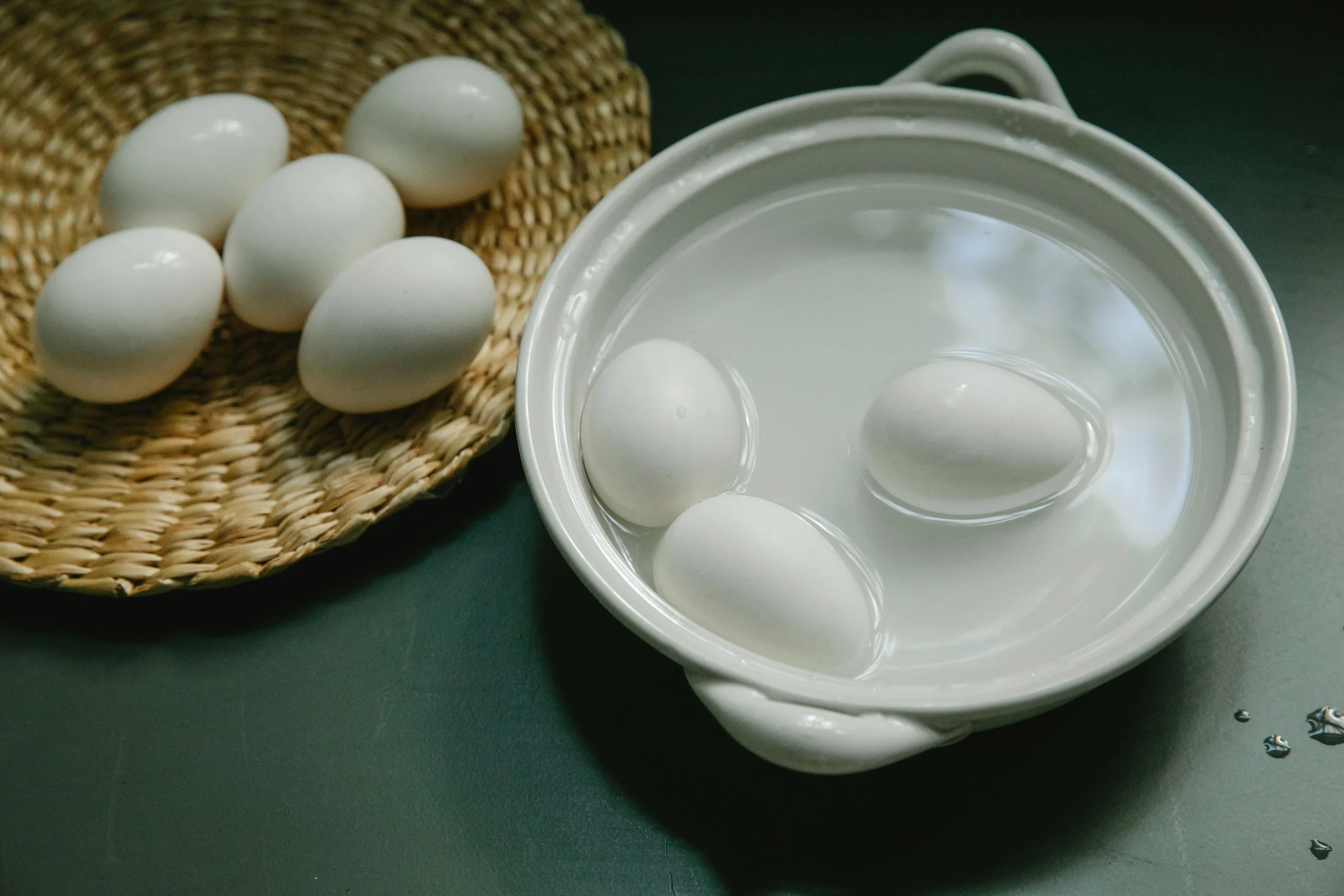
It also helps to use a pot that holds the eggs comfortably without overcrowding them. A setup that feels calm and stable usually supports better results than one where the eggs knock around too much or sit in too little water.
Credit: Klaus Nielsen / Plexes
How to boil eggs step by step
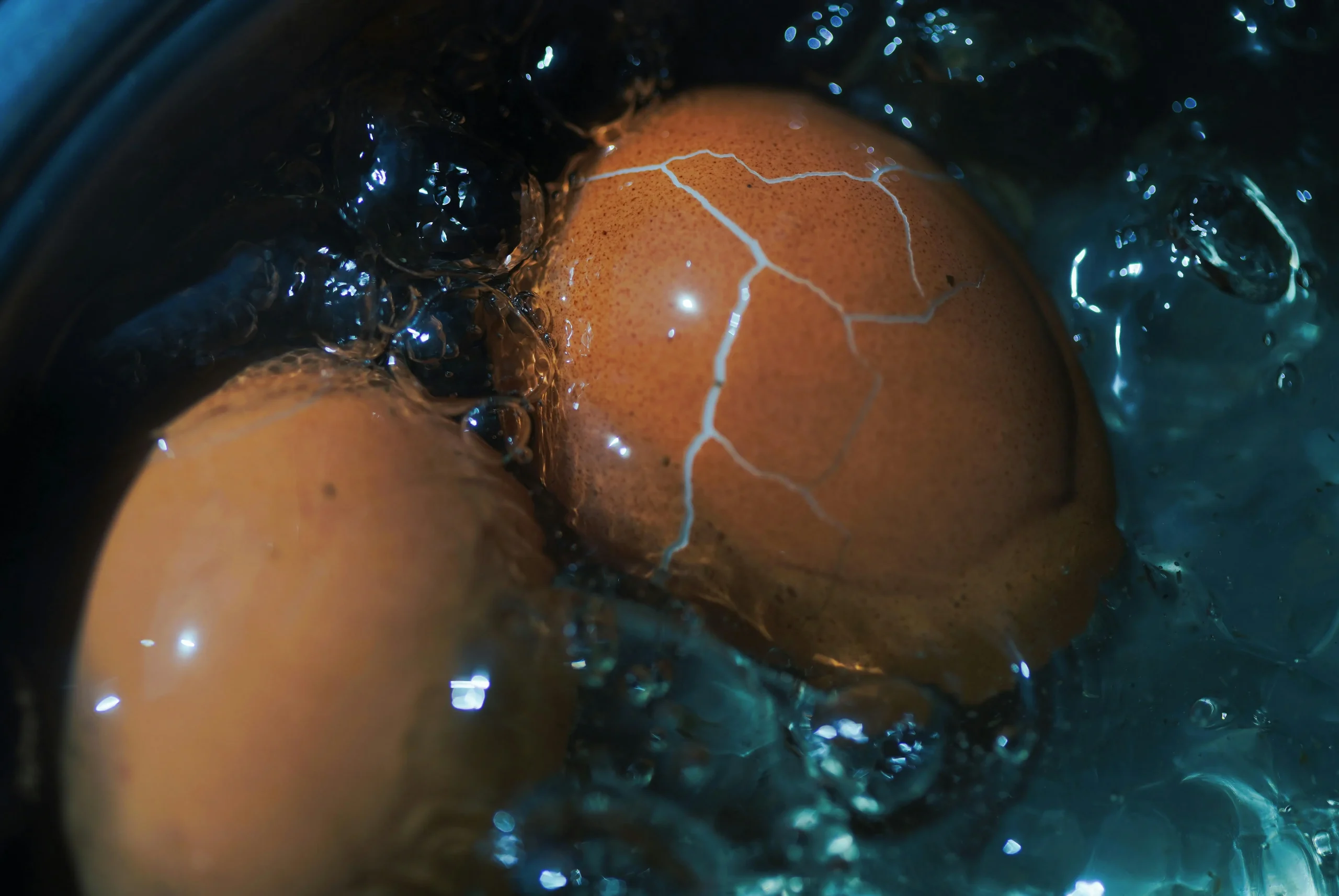
Start by placing the eggs in a pot and covering them with enough water. The pot should not feel crowded, and the water should sit clearly above the eggs. Bring the water up to heat in a controlled way rather than letting the pot become rough and chaotic from the start.
Once the eggs begin cooking, timing becomes the main tool. Different times create different centers. Some home cooks prefer slightly softer yolks, while others want fully firm eggs for slicing or storing. Cooking teachers often recommend using a timer instead of guessing, since the texture can change fast in the last stage.
After the eggs are done, they should be cooled rather than left sitting in hot water. This helps slow the cooking and gives the home cook better control over the final texture. It is one of the simplest steps in the process, yet it often makes a large difference.
Why does cooling matter after learning how to boil eggs?
Cooling helps stop the eggs from continuing to cook in their own heat. Without that step, the center may keep firming up after the pot is removed from the stove. This is one reason eggs that seemed right at first can become firmer than expected by the time they are peeled.
Food educators often explain that cooling is part of the method, not an extra detail. It protects the result the cook worked for during the timed stage. It may also help with peeling in some cases, especially when the eggs are meant to be handled soon after cooking.
What common mistakes affect boiled eggs?
One common mistake is relying only on visual signs instead of timing. Another is leaving eggs in hot water after the main cooking is finished. Some home cooks also try to force one exact method onto every egg size and every meal, which can make the results feel inconsistent over time.
Cooking instructors often note that rough boiling can also affect the overall experience. A more controlled process usually feels easier and more repeatable. Simple kitchen methods often work best when the pot stays calm and the steps stay clear.
How does texture change the best way to use boiled eggs?
Softer boiled eggs may work well in toast meals, bowls, or dishes where a richer center is part of the appeal. Firmer eggs are often better for slicing into salads, storing for later use, or adding to packed lunches. This is why the best boiled egg is not one single texture for every situation.
Home cooking teachers often encourage cooks to think in terms of use rather than perfection. An egg that feels too soft for one meal may be right for another. Matching the texture to the purpose is what makes the method more useful in everyday cooking.
Can boiled eggs help with simple meal planning?
Yes, they often can. Boiled eggs are practical because they move easily into several kinds of meals without requiring much extra preparation later. They can sit beside grains, vegetables, toast, or simple salads and quickly make a meal feel more complete.
Meal planning educators often support ingredients that can shift across several meals. Boiled eggs fit that pattern well because they are easy to portion, easy to pair with other foods, and useful for both quick meals and planned lunches.
Frequently Asked Questions
Q: What is the most important part of learning how to boil eggs?
A: Timing is one of the most important parts because it shapes the final texture. Cooling the eggs afterward also helps protect that result.
Q: Why do boiled eggs sometimes become firmer after cooking?
A: Eggs can continue cooking from their own heat if they are left in hot water too long. Cooling helps stop that process more effectively.
Q: Do all boiled eggs need the same cooking time?
A: Not always. Egg size and the texture the cook wants can both affect the best timing for the final result.
Q: Are boiled eggs useful for meal prep?
A: Yes. Boiled eggs can be added to bowls, salads, lunches, and simple snacks, which makes them practical for everyday planning.
Key Takeaway
Learning how to boil eggs gives home cooks one of the most practical cooking basics for everyday meals. The best results usually come from a calm setup, careful timing, and a cooling step that protects the final texture. Boiled eggs are most useful when the texture matches the meal they are meant to support. For simple lunches, bowls, and quick dinners, this small skill can go a long way.
[INTERNAL LINKING SUGGESTIONS]
- 7 Food Facts About Eggs That Many Home Cooks Get Wrong
- 7 Egg Toast Meals That Make Quick Dinners Feel More Complete
- 8 Cooking Tips That Can Help Grain Bowls Taste More Balanced