Useful cooking tips for soup bowls can help very simple meals feel fuller, more balanced, and much more satisfying. Soup is often treated as one of the easiest things to make because ingredients go into one pot and cook together. But even easy soups can still feel thin, flat, overly soft, or incomplete when the broth, texture, and finishing steps are not handled with care. For home cooks, a few practical habits can make soup bowls much stronger without making them more complicated.
Food educators often explain that a good soup bowl depends on more than liquid alone. It also depends on what is floating in that liquid, how the ingredients hold their shape, and whether the bowl has enough contrast to stay interesting from first spoon to last. That is why simple soups often improve through structure rather than through a longer ingredient list.
Why do cooking tips for soup bowls matter so much?
Soup bowls seem forgiving because they can absorb small changes during cooking. But that flexibility can hide problems until serving. A broth that seems fine in the pot may still feel weak in the bowl. Vegetables may soften too far. A meal that looked complete on the stove may still feel like it needs something more once it reaches the table.
Home cooking teachers often explain that soup is strongest when the bowl has a clear balance between broth, texture, and finishing flavor. This is what keeps a simple meal from feeling like only hot liquid with scattered ingredients.
1. Start with a broth or base that can carry the bowl
One of the most important cooking tips for soup bowls is to begin with a broth or liquid base that has enough flavor to support the rest of the ingredients. If the base is weak, the bowl may still taste thin even after vegetables, grains, or noodles are added. Soup often feels complete only when the liquid itself already makes sense.
Cooking instructors often remind home cooks that broth is not just the background. It shapes every bite. A bowl with a better base usually needs fewer last-minute corrections later.
2. Keep all the ingredients from becoming too soft
One common reason soups feel dull is that every ingredient ends up at the same very soft texture. This can make the bowl seem heavy or repetitive. Even in a gentle soup, some contrast helps. A slightly firmer vegetable, a grain with a little body, or a final topping can keep the bowl more lively.
Food writers often point out that texture is part of flavor in soup just as much as in salads or grain bowls. A soup that has a little variation often feels more satisfying than one where everything blends into the same softness.
3. Add ingredients in the order they actually need
Not all soup ingredients cook at the same speed. Some vegetables need more time, while others soften quickly and should be added later. If everything goes in at once without a plan, the final bowl may feel uneven or overcooked in places. This is one of the easiest soup problems to prevent with a little attention.
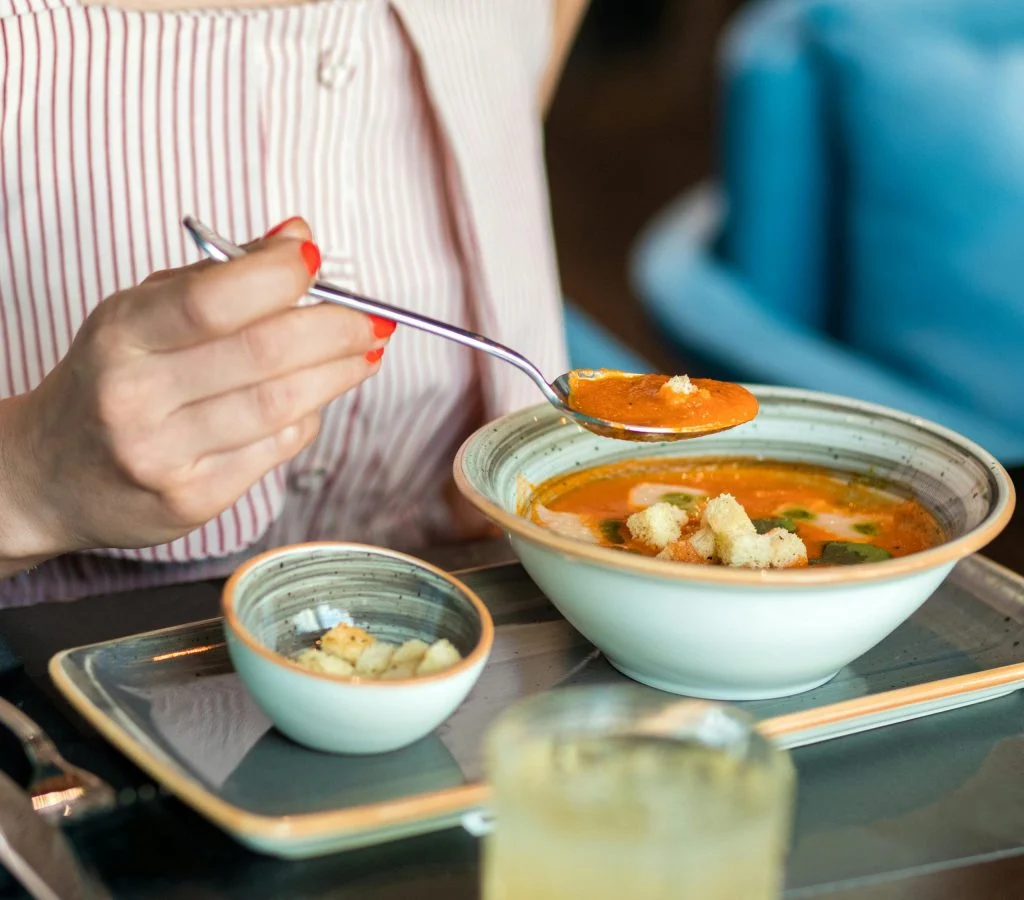
Cooking teachers often explain that better soup comes from timing rather than rushing. A pot feels more balanced when ingredients enter at the stage that helps them keep their best texture.
Credit: Farhad Ibrahimzade / Pexels
4. Think about what will make the soup feel like a meal
Some soups taste good but still feel incomplete because the bowl lacks a stronger element that gives it more staying power. Depending on the soup style, that could be beans, grains, noodles, eggs, or a more substantial vegetable. A soup does not need to be heavy, but it often needs one clear source of body to feel like a full meal.
Meal planning educators often recommend this approach because it helps simple soups work for lunch or dinner instead of only acting as a side. A small adjustment in substance can change how practical the bowl feels.
5. Use seasoning in layers, not only at the end
Soup develops over time, which means seasoning often works best in layers rather than as one final correction. If the bowl is only seasoned at the end, the result may feel abrupt instead of settled. Tasting during cooking helps the flavors come together more naturally and makes the final adjustments easier.
Food educators often explain that soup is one of the clearest examples of how gradual seasoning improves balance. This does not mean adding something every minute. It means paying attention as the bowl develops instead of waiting for a last-second rescue.
6. Save one fresh note for the final bowl
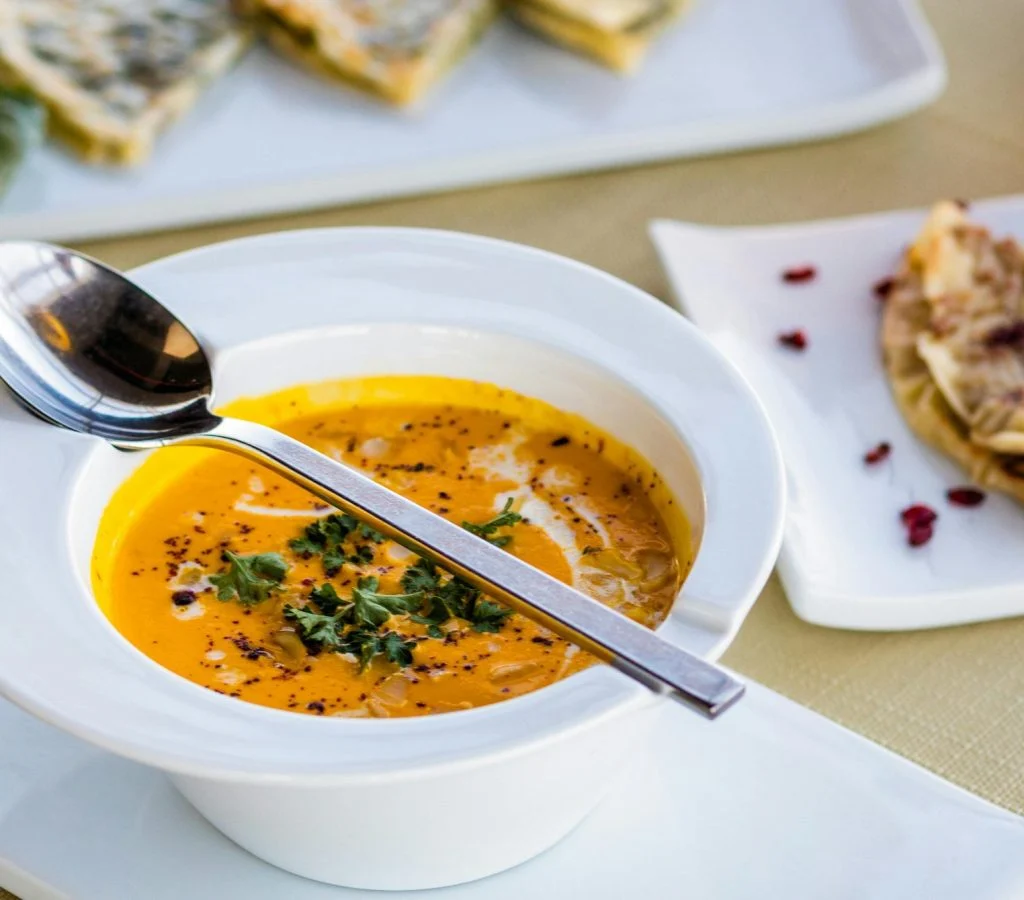
Many soups benefit from one ingredient added close to serving time. This could be herbs, citrus, pepper, yogurt, or another simple finishing touch. A fresh note helps wake up the bowl after the longer cooking stage and can make a soup feel more complete without changing its basic style.
Fresh ingredient specialists often note that this final contrast matters because many soup ingredients soften deeply during cooking. A fresher top layer helps the bowl feel more alive at the table.
7. Watch the proportion of broth to ingredients
A soup bowl that is mostly liquid may feel too thin, while a bowl with too many solids can start feeling more like a stew or mixed dish. The right proportion depends on the soup style, but balance still matters. A good bowl usually gives enough broth for spoonfuls to feel connected without losing the rest of the ingredients.
Cooking instructors often remind home cooks that broth and solids should support one another rather than compete. This is one of the easiest ways to improve how complete a soup feels once served.
8. Build soup bowls with a repeatable pattern
One of the smartest cooking tips for soup bowls is to repeat a simple structure rather than chase a new method every time. A balanced base, one main body ingredient, one or two supporting vegetables, and one fresh finish are often enough. This makes soups easier to build from what is already available in the kitchen.
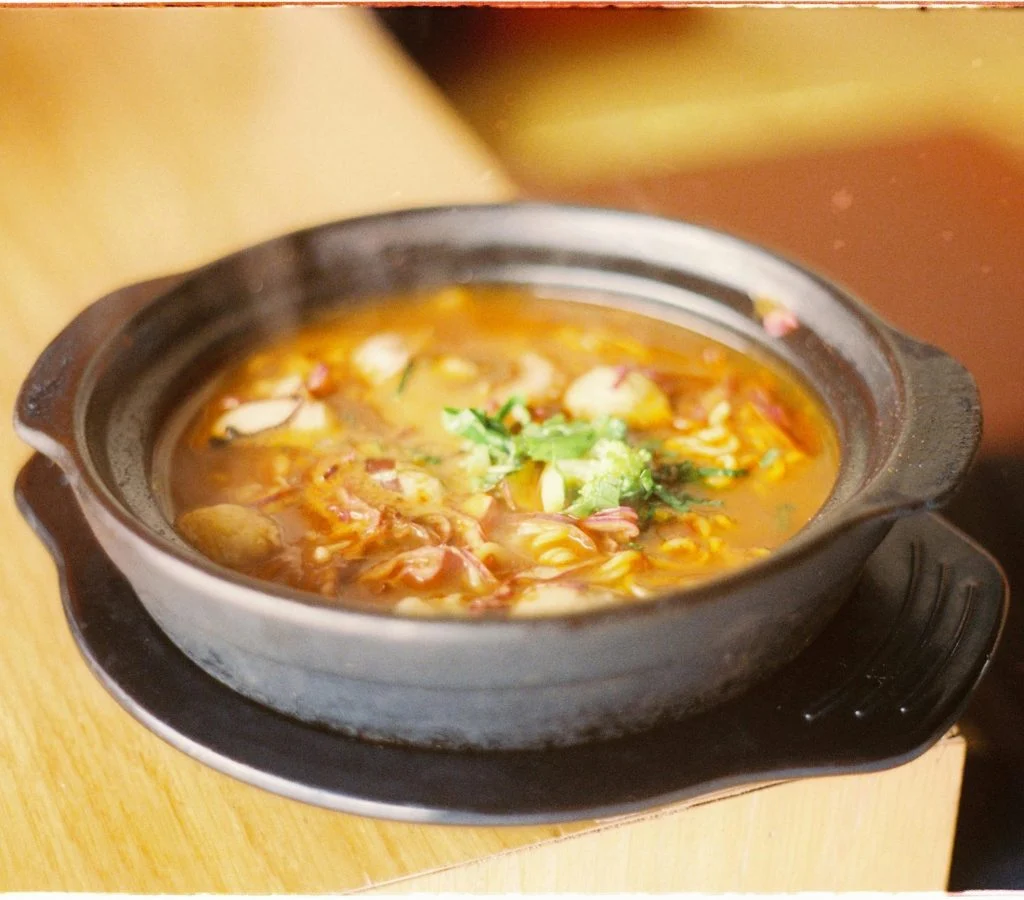
Meal planning experts often support repeatable meal patterns because they reduce waste and lower dinner stress. Soup fits that pattern especially well because the format can stay stable while the ingredients change through the week or season.
Credit: Nguyen Huy / Pexels
How can home cooks improve soup bowls without making them complicated?
The simplest method is to focus on the bowl rather than only the pot. Use a flavorful base, add ingredients in the right order, keep some texture in the bowl, and finish with something fresh. These habits do not make soup harder. They simply make the final meal feel more complete.
Food educators often remind cooks that better soups usually come from balance, not from larger ingredient lists. A bowl with clear structure often feels stronger than one with too many parts and no direction.
Frequently Asked Questions
Q: What makes a soup bowl taste more balanced?
A: A balanced soup bowl usually has a flavorful broth, ingredients added at the right times, some texture contrast, and a fresh finishing element.
Q: Why do some soups feel boring even when they are full of ingredients?
A: Soups often feel boring when everything becomes too soft or when the broth itself is not strong enough to carry the bowl. Texture and broth quality both matter.
Q: Do all soup bowls need a finishing touch?
A: Not always, but many improve with one fresh final note such as herbs, citrus, or another light topping that adds contrast.
Q: Can soup bowls work for meal prep?
A: Yes. Soup bowls are often excellent for meal prep, especially when the main structure is solid and fresh toppings are added closer to serving time.
Key Takeaway
These cooking tips for soup bowls show that stronger soups depend on more than liquid alone. A flavorful base, better timing, enough texture, and one fresh final touch can all make a simple bowl feel much more balanced. Repeating a useful soup pattern also makes everyday cooking easier and more reliable. For home cooks, a few small choices can turn basic soups into much better meals.