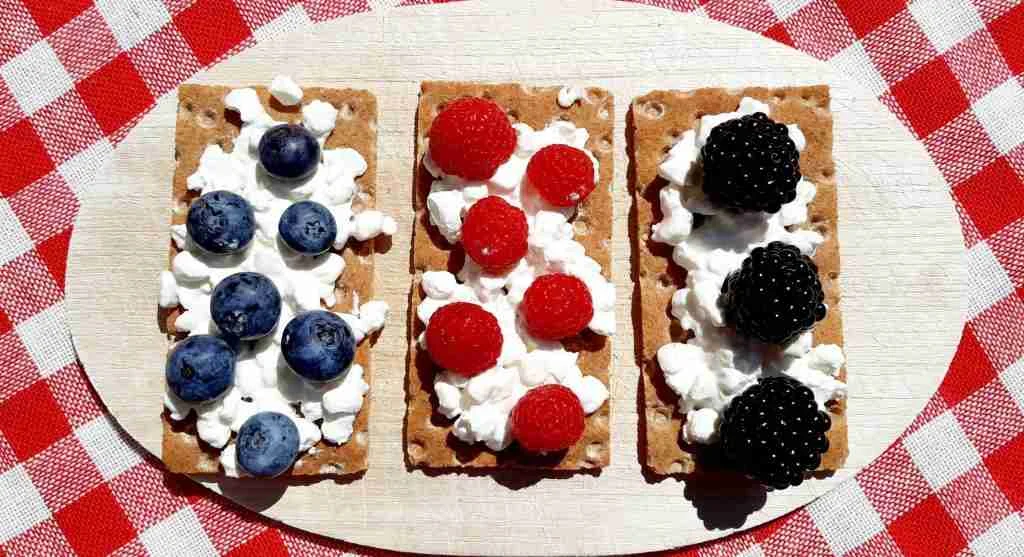
At first glance, toast and crackers may seem interchangeable. Both are bread-based, both offer crunch, and both are easy to use in quick lunches or light dinners. But they affect cottage cheese very differently. Warm toast often makes the whole plate feel steadier, warmer, and more meal-like. Crackers often keep the food in a lighter, more snack-like space. Neither one is wrong. They simply create different kinds of eating experiences.
Why does the base matter so much with cottage cheese?
Cottage cheese is soft, cool, and mild. Those qualities make it flexible, but they also mean it depends heavily on what surrounds it. On its own, it can feel more like a component than a full meal. The base under it or beside it helps decide whether the final plate feels substantial, crisp, refreshing, or temporary.
Cooking educators often explain that soft foods need a partner with enough structure to shape the meal. That structure can come from grains, toast, vegetables, or other ingredients, but without it, the plate may feel incomplete even when it is technically filling enough.
What warm toast does differently
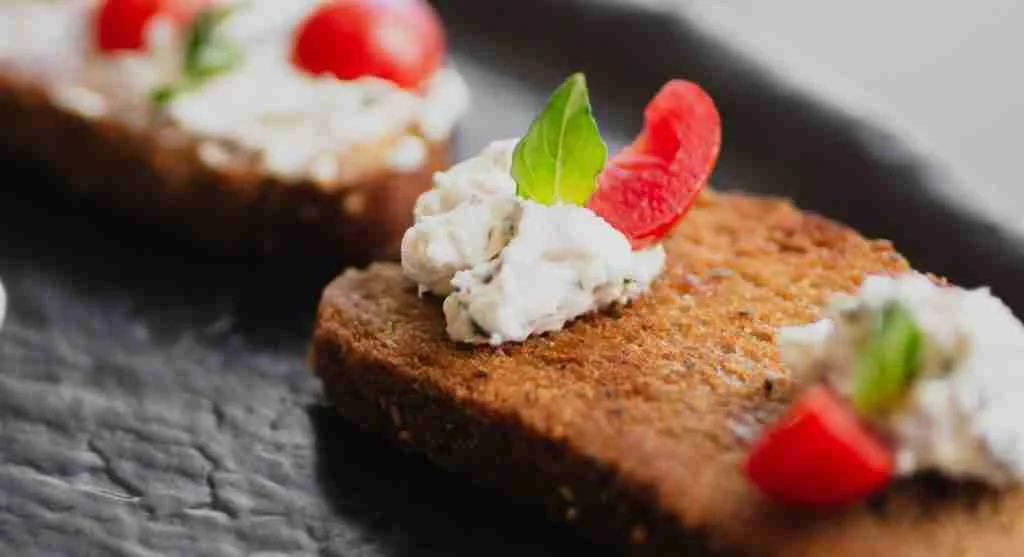
Warm toast changes cottage cheese in several ways at once. It adds heat, it adds firmness, and it gives the food a clearer base that feels more intentional than a scattered group of small crackers. The warmth matters because it changes the overall mood of the meal. The cottage cheese still feels cool, but now that coolness lands against something warm and grounded rather than beside something dry and separate.
Food writers often point out that mixed temperatures can make a simple meal feel more developed. With cottage cheese, warm toast creates that effect almost immediately. The meal seems calmer, more centered, and easier to read as breakfast, lunch, or even a light dinner.
What crackers do especially well
Crackers are useful because they bring crispness quickly and with very little effort. They work well when the goal is a snack plate, a very light lunch, or something that can be assembled in seconds. They can also create repeated small bites, which some people enjoy because it makes the eating pace feel lighter and more casual.
Home cooking teachers often explain that crackers are best when the meal is meant to stay flexible and small. They add texture, but they usually do not create the same sense of one complete plate that toast does. They are more likely to feel like an accompaniment than like a foundation.
Why toast often feels more like a meal
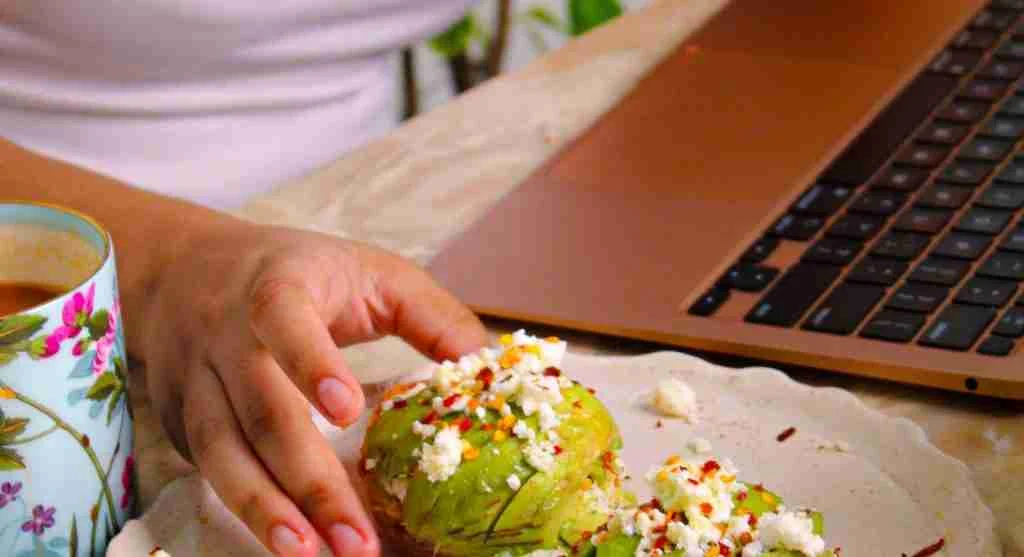
Toast creates a single strong platform. Instead of eating around several small pieces, the eater sees one composed base with toppings or one clear bite pattern. That structure matters psychologically as much as physically. It makes the food seem more assembled and more planned, even if the ingredients are the same.
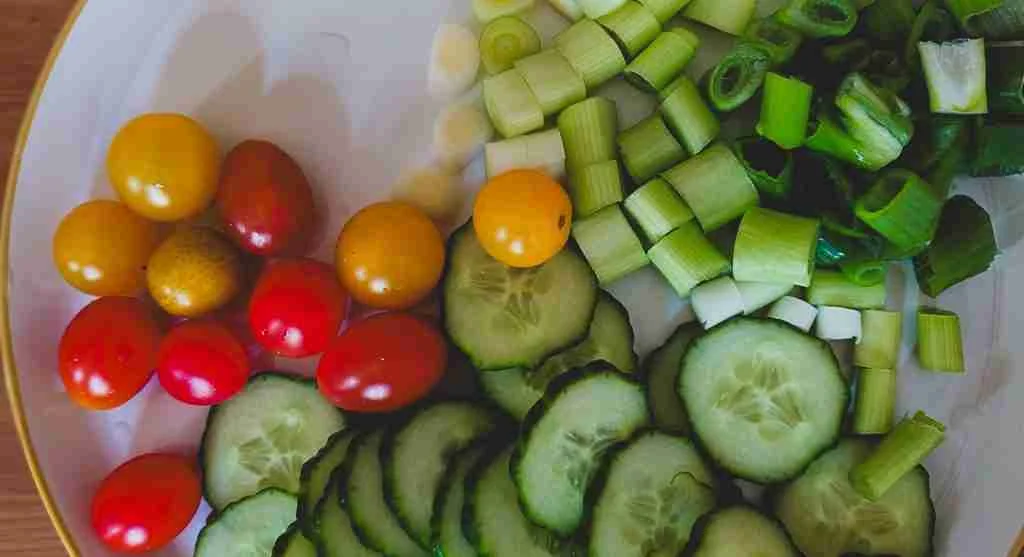
Fresh ingredient specialists often note that meals feel more complete when the base can hold toppings in a way that looks deliberate. Cottage cheese on warm toast can easily be paired with herbs, tomatoes, cucumbers, beans, eggs, or greens, and the whole plate still keeps a center. Crackers usually break that center into smaller, looser bites.
How temperature changes the experience
Temperature is one of the clearest reasons warm toast changes cottage cheese so much. Cottage cheese stays cool and soft, while toast adds warmth and a firmer bite. That contrast creates more interest right away. The meal no longer feels like only cold dairy with something crunchy on the side. It feels like a composed plate with a warm foundation and a cool topping.
Food educators often explain that temperature contrast can make simple meals more satisfying because it slows down repetition. Every bite feels a little more layered. This is one reason toast often works better when the goal is a more complete meal rather than a quick snack.
Why crackers often keep the plate in snack territory
Crackers are broken into many separate pieces, and that changes how the meal is experienced. The eater often assembles each bite individually or alternates between crackers and cottage cheese instead of moving through one connected plate. This style can be convenient, but it also keeps the food feeling more informal and less settled.
Meal planning educators often describe crackers as excellent support ingredients but weaker anchors. They help with crunch, but they do not usually give the meal the kind of body or shape that toast provides in one move.
When crackers are actually the better choice
Crackers may be the stronger choice when the meal is intentionally small, portable, or meant to stay light and snack-like. They also work well in lunch boxes, quick plates, and situations where the cottage cheese is only one part of a larger spread. In those cases, the goal is not to create one warm central item. The goal is to build several easy bites.
Cooking instructors often remind home cooks that better does not always mean heavier or more meal-like. Sometimes the right choice is the one that fits the role of the food most clearly. Crackers often win in flexibility even when toast wins in structure.
When warm toast is clearly the stronger choice
Warm toast usually works better when the plate needs to feel like lunch, breakfast, or a light dinner rather than a snack. It also tends to support more toppings more gracefully. Herbs, cucumbers, tomatoes, eggs, beans, and soft vegetables all sit more naturally on toast than they do around a pile of crackers. This makes the whole meal easier to organize and easier to enjoy as one idea.
Food writers often note that warm toast turns soft foods into meals because it gives them a place to belong. Cottage cheese especially benefits from that because it already has enough protein and softness. What it often lacks is structure, and toast provides it.
How can home cooks decide which one the meal needs?
The easiest question is this: should the food feel like a real plate or a quick nibble? If it needs to feel more complete, warm toast often helps more. If it only needs to stay crisp, light, and flexible, crackers may be enough. Thinking of the choice this way makes the decision much easier than asking which one is better in general.
Cooking educators often encourage home cooks to choose support ingredients by role instead of habit. That kind of thinking makes simple meals smarter without making them harder.
Frequently Asked Questions
Q: Is warm toast always better than crackers with cottage cheese?
A: Not always. Warm toast often feels more like a full meal, while crackers may work better for lighter, snack-style plates or portable lunches.
Q: Why does warm toast make cottage cheese feel more complete?
A: It adds warmth, structure, and a clear foundation, which helps the meal feel more organized and satisfying.
Q: When are crackers the better choice?
A: Crackers are often better when the meal is meant to stay small, flexible, or easy to assemble bite by bite.
Q: Can both toast and crackers work with the same toppings?
A: Sometimes, but warm toast usually handles more toppings more naturally and keeps the plate feeling more like one complete meal.
Key Takeaway
Warm toast vs crackers with cottage cheese is really a question of what kind of meal the plate is trying to become. Warm toast adds structure, temperature contrast, and a stronger sense of one complete dish. Crackers add crunch and flexibility but often keep the food in lighter, snack-like territory. Knowing that difference helps home cooks build smarter meals from very ordinary ingredients. In everyday cooking, that small choice can change the whole plate.