Many food facts about broccoli are easy to miss because broccoli is such a common part of everyday cooking. It appears in soups, pasta dishes, grain bowls, steamed sides, roasted trays, and simple lunch plates. Because it is so familiar, many home cooks treat broccoli as a very basic vegetable instead of noticing how freshness, stem quality, cooking time, and texture can change the whole meal. Those details matter more than many people expect.
Food educators often explain that broccoli is one of the clearest examples of how vegetable texture shapes a dish. When broccoli is fresh and cooked with care, it can taste clean, balanced, and satisfying. When it is tired or overcooked, the same vegetable can feel soft, dull, or less appealing. For home cooks, understanding a few clear broccoli facts can improve many simple meals right away.
1. Not all parts of broccoli behave the same way
One of the most useful food facts about broccoli is that the florets and the stem do not cook in exactly the same way. Florets often soften faster, while the stem usually needs more time or a different cut to feel equally tender. This is why one broccoli dish can feel perfectly balanced in one bite and slightly uneven in another.
Cooking instructors often remind home cooks that broccoli is not just the top of the head. The stem is part of the ingredient too. Once the tougher outer layer is handled well, the stem can be very useful in soups, bowls, stir-ins, and simple side dishes.
2. Freshness affects texture more than many people realize
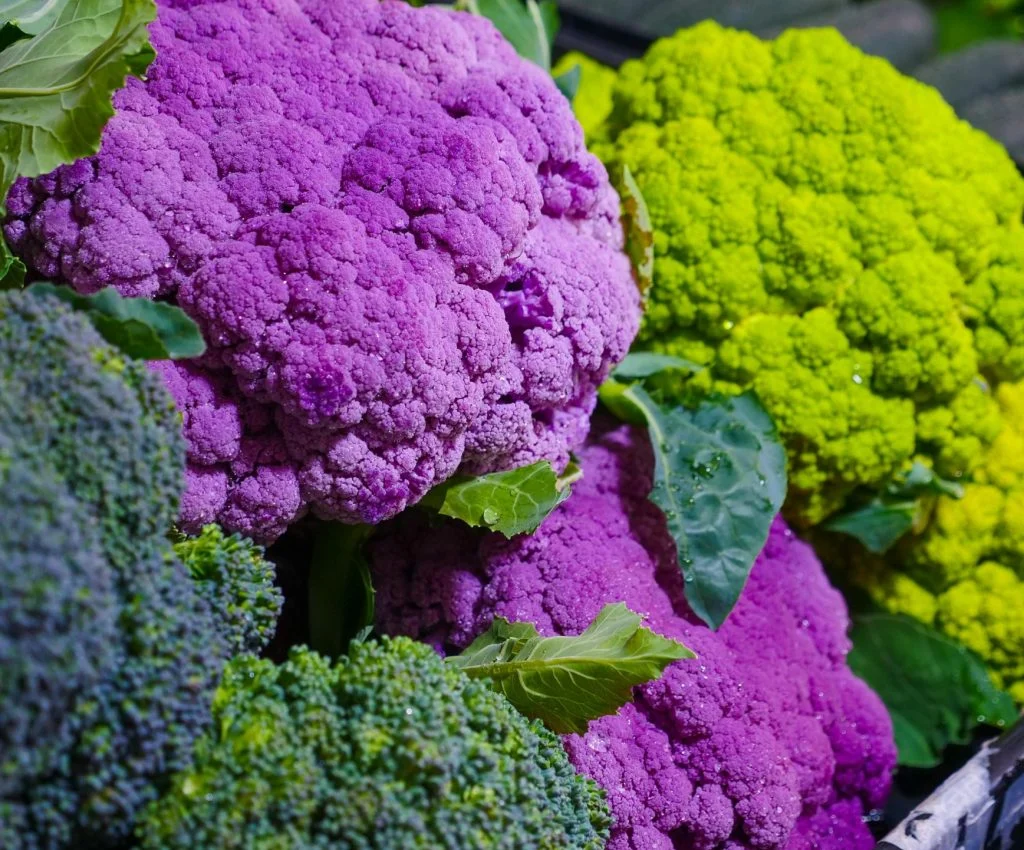
Fresh broccoli usually feels firmer and cooks more evenly than broccoli that has already started to fade. Tight florets and a strong stem often suggest the vegetable still has enough structure to roast, steam, or sauté well. Older broccoli may soften too quickly or lose the cleaner texture that makes it useful in simple meals.
Fresh ingredient educators often explain that broccoli is one of those vegetables that can still look usable even after some of its best texture has already faded. This is one reason paying attention to floret condition and stem firmness matters so much at the store.
3. Broccoli is often overcooked because people wait for softness instead of balance
Many home cooks judge broccoli only by whether it has become soft enough to chew easily. But broccoli is usually strongest when it stays tender without losing all of its structure. Once it cooks too far, the florets can become overly soft and the whole dish may feel less fresh.
Food educators often explain that broccoli does not need to be raw-crisp to be good, but it also does not need to collapse to be properly cooked. The strongest results often come from aiming for balance instead of maximum softness.
4. Broccoli works differently in steaming and roasting
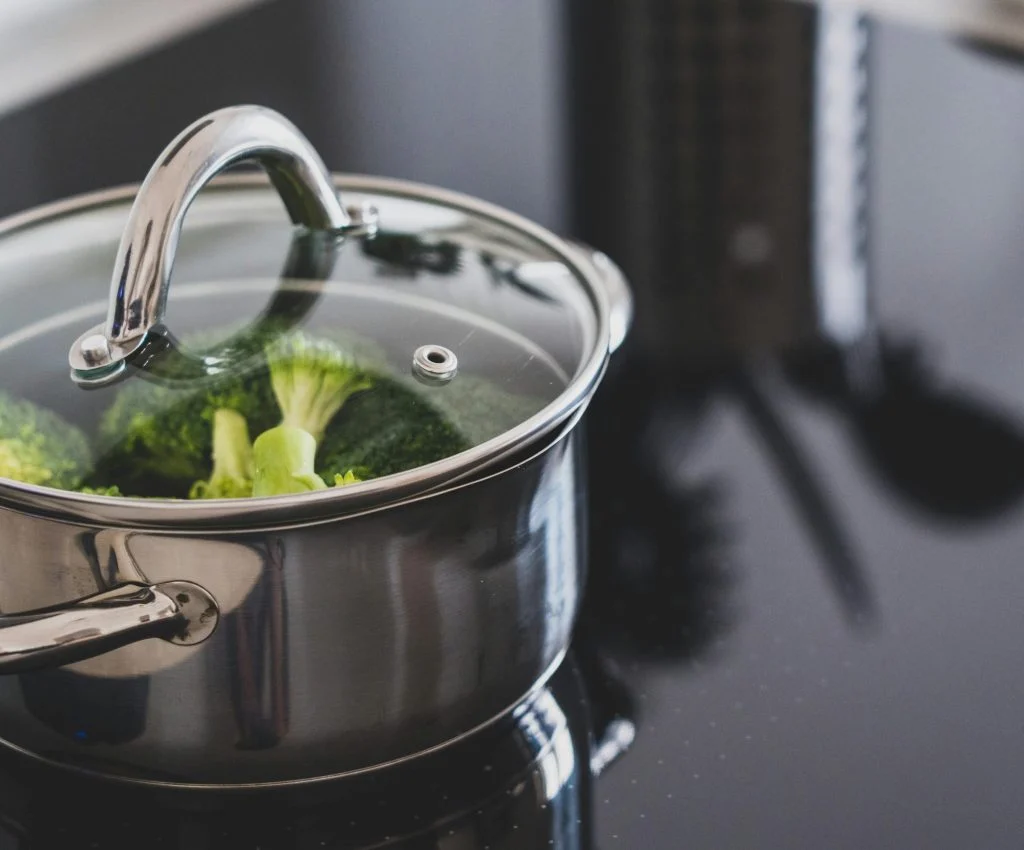
Steamed broccoli often keeps a cleaner, brighter character, while roasted broccoli usually develops deeper flavor and firmer edges. This does not mean one method is always better than the other. It means the cooking style should match the meal the broccoli is meant to support.
Cooking teachers often explain that steamed broccoli can work especially well in lighter meals, while roasted broccoli may feel stronger in grain bowls, pasta dishes, or meals that need more depth. The same head of broccoli can therefore behave like two different ingredients depending on the method used.
5. Yellowing florets are a bigger clue than many home cooks think
Some people assume slight yellowing is only a cosmetic issue, but it often suggests the broccoli is moving past its best stage. It may still be usable, yet it may not bring the same freshness or texture to the dish. In meals where broccoli needs to stay clear and noticeable, this can matter a lot.
Fresh ingredient specialists often note that florets are usually one of the easiest visual signs of broccoli condition. A tight, green head usually offers more confidence than one that already looks like it is opening and fading.
6. Storage affects broccoli quickly
Broccoli can lose freshness faster than many sturdier vegetables. A head that seems fine when purchased may start losing its best texture if it sits too long or is handled without much care. This is one reason broccoli sometimes disappoints even when the shopper felt good about it at first.
Food writers often explain that broccoli works best when it is bought with a rough plan. Because it is so flexible, that plan does not need to be complicated. It simply helps the cook use the vegetable while it is still close to its best point.
7. Broccoli is useful because it can support many kinds of meals without taking over
One of the strongest broccoli facts is that it can fit many meal styles without forcing the dish in only one direction. It can act as a side, a bowl ingredient, a pasta addition, or part of a soup without becoming difficult to pair. Its flavor is clear enough to matter but mild enough to work with many other ingredients.
Meal planning educators often describe broccoli as a practical support ingredient because it adds structure and color while staying easy to combine with grains, eggs, sauces, and lighter proteins. That flexibility is one reason it remains such a common choice in everyday home kitchens.
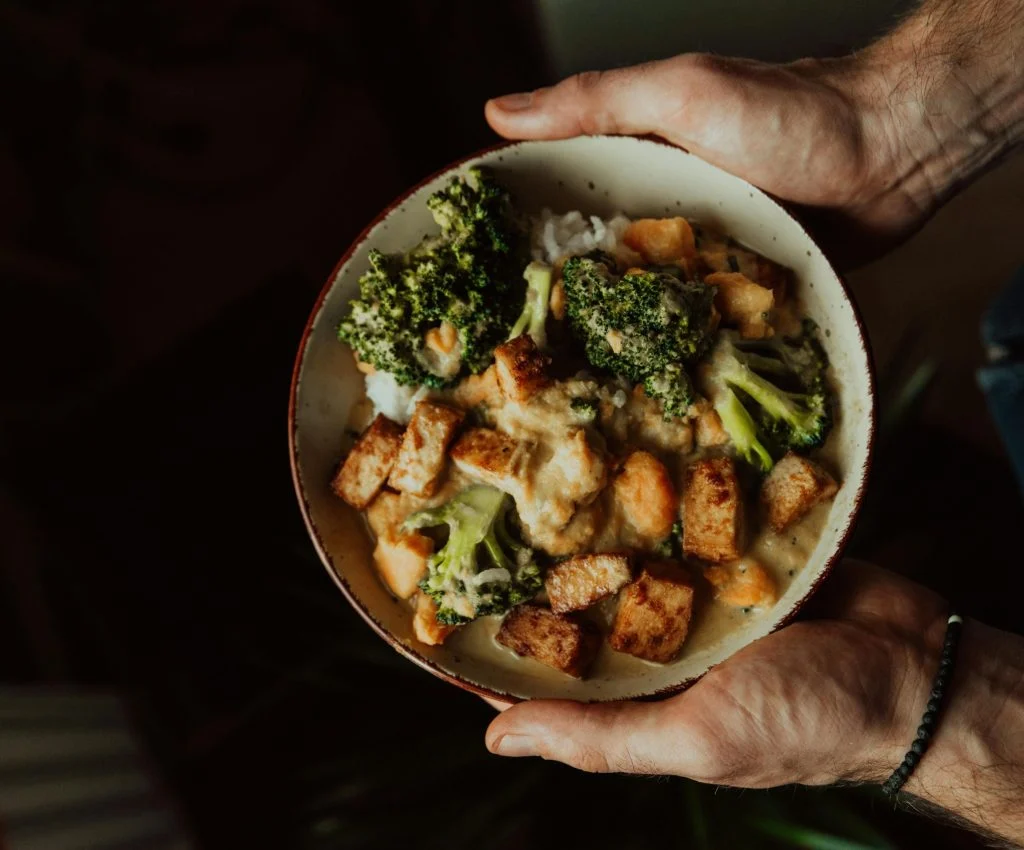
Why does broccoli confuse home cooks so often?
Broccoli is common enough that many people stop thinking about it carefully. It is treated like a simple vegetable that will take care of itself in the pan or pot. But freshness, stem size, floret condition, and cooking time all affect how useful it will be once dinner is served.
Food educators often encourage home cooks to think of broccoli as an ingredient with more than one texture and more than one best use. Once that shift happens, broccoli becomes easier to cook with more purpose and more consistent results.
Frequently Asked Questions
Q: Do broccoli florets and stems cook at the same speed?
A: Not usually. Florets often soften faster, while stems may need more time or smaller cuts to become equally tender.
Q: Why does broccoli sometimes turn too soft so quickly?
A: Broccoli often turns too soft when it is cooked past the point of balance. Older broccoli may also lose structure more quickly than fresher broccoli.
Q: Is roasted broccoli always better than steamed broccoli?
A: No. Roasting and steaming create different results. Roasted broccoli often brings deeper flavor, while steamed broccoli can feel lighter and cleaner in certain meals.
Q: Can the broccoli stem really be used in cooking?
A: Yes. The stem is often useful once the tougher outside is handled properly. It can work well in soups, bowls, stir-ins, and side dishes.
Key Takeaway
These food facts about broccoli show that freshness, stem quality, floret condition, and cooking method all affect how broccoli behaves in everyday meals. Broccoli may seem simple, but its texture can shift quickly depending on how it is handled. Understanding those changes helps home cooks get better results from steaming, roasting, soups, bowls, and side dishes. For everyday cooking, better broccoli knowledge often leads to much stronger meals.