
Cooking educators often explain that simple dinners are rarely improved by piling on more ingredients without a plan. They are improved by giving each ingredient a clear role. In a baked potato dinner, the potato provides body and warmth. The rest of the meal should then help with texture, freshness, and a more defined finish. Once that pattern becomes clear, potato dinners become much easier to repeat without becoming dull.
Why do baked potato dinners sometimes feel unfinished?
A baked potato already brings comfort and steadiness, but it also leans soft and mild. If the toppings move in the same direction, the whole meal can feel heavy or one-note. Soft potato with soft toppings and nothing fresh on top may still be filling, yet it may not feel especially satisfying. The issue is usually not flavor alone. It is that the dinner lacks enough contrast to stay interesting.
Home cooking teachers often say that potato meals improve most when the cook asks what the potato is missing rather than only what can be added. Sometimes it needs a topping with more bite. Sometimes it needs something cool or bright. Sometimes it only needs a sharper final detail that keeps the meal from feeling too settled.
Start by deciding whether the potato is the whole plate or only the center of it
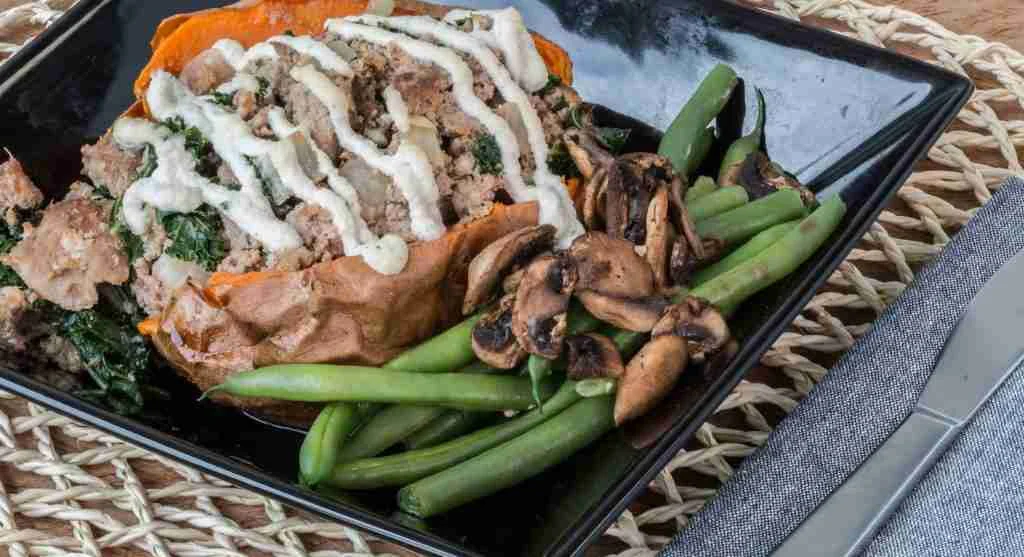
Some baked potato dinners are meant to carry the entire meal from one plate. Others work better when the potato is the center supported by a lighter side, greens, or vegetables. That distinction matters because it affects how much body the toppings need to provide. If the potato must carry the whole dinner, the toppings should do more than decorate. They need to help create a real meal.
Food educators often explain that this decision makes everything easier. Once the cook knows whether the potato is the full dinner or the anchor of a larger one, the rest of the meal becomes easier to balance.
Use one topping that brings real substance
A baked potato often feels more complete when one topping adds enough body to make the meal more than starch and garnish. Beans, lentils, eggs, yogurt-based toppings, cottage cheese, roasted vegetables, or another practical ingredient can all do this in different ways. The point is not to overload the potato. It is to make sure the dinner has something that feels like a meal rather than only a side dish stretched further.
Meal planning educators often recommend this step because it changes the dinner immediately. The potato stops being a base waiting for help and becomes part of a complete plate with a clearer structure.
Do not let every topping be soft
One of the most common problems with baked potato dinners is that every part of the plate ends up soft. The potato is soft, the topping is soft, and even the sauce or dairy element is soft. That can make dinner feel comforting at first but repetitive very quickly. A better potato dinner usually includes one element with more bite.
Crisp vegetables, seeds, herbs, greens, or another ingredient with more defined texture can help stop the meal from sinking into one repeated feeling. This does not need to be dramatic. Even a small contrast can make a noticeable difference.
Freshness matters more than extra richness
Because baked potatoes already feel warm and grounding, many dinners improve more from freshness than from more richness. It is tempting to keep adding heavier toppings because the potato seems plain, but that can make the meal feel weighed down rather than better. Greens, herbs, citrus, cucumber, or another lighter finishing ingredient often does more for the dinner than another creamy topping would.
Fresh ingredient specialists often note that potatoes respond especially well to ingredients that brighten rather than blanket them. This is one reason simple fresh toppings can make the whole dinner feel much more awake.
Think about the skin as part of the meal
In baked potato dinners, the skin is not just the wrapper around the filling. It affects texture, structure, and the overall feel of the meal. A potato dinner often becomes much more satisfying when the potato keeps enough outer structure to support the toppings and provide contrast to the softer center. This makes the whole plate feel more intentional and easier to eat.
Cooking instructors often explain that structure matters even in very simple meals. When the potato itself holds together well, the rest of the dinner has something stronger to build on.
A cool finishing element can change the whole plate
Warm potato with one cooler topping often feels more balanced than a plate where every ingredient is hot and soft. A spoonful of yogurt sauce, chopped herbs, crisp vegetables, or another cooler layer can help the dinner feel more dynamic with very little extra effort. This is especially useful in meals built mostly from pantry ingredients or leftovers.
Food writers often point out that mixed temperatures help simple dinners feel more thought through. In a baked potato meal, that contrast can make the plate seem fresher and more complete.
Keep the toppings connected, not crowded
Another common mistake is trying to put too many unrelated toppings on the potato at once. The meal may look generous, but it can also become messy and less satisfying if every topping seems to be doing a different job with no clear direction. A better baked potato dinner usually uses fewer toppings with clearer roles.
Cooking educators often remind home cooks that a strong meal is not always the fullest one. It is often the one where the ingredients understand one another. The same rule works very well with potato dinners.
Finish the dinner with one signal that it is done
The strongest baked potato dinners often have one final element that tells the eater the meal is complete. This might be herbs, pepper, citrus, seeds, or a light sauce depending on the style of the plate. It does not need to be complicated. It only needs to make the meal feel intentional instead of like toppings dropped on a potato at the last minute.
Home cooking teachers often say that simple meals become memorable through small finishing choices. In potato dinners, that final touch often matters more than many people expect.
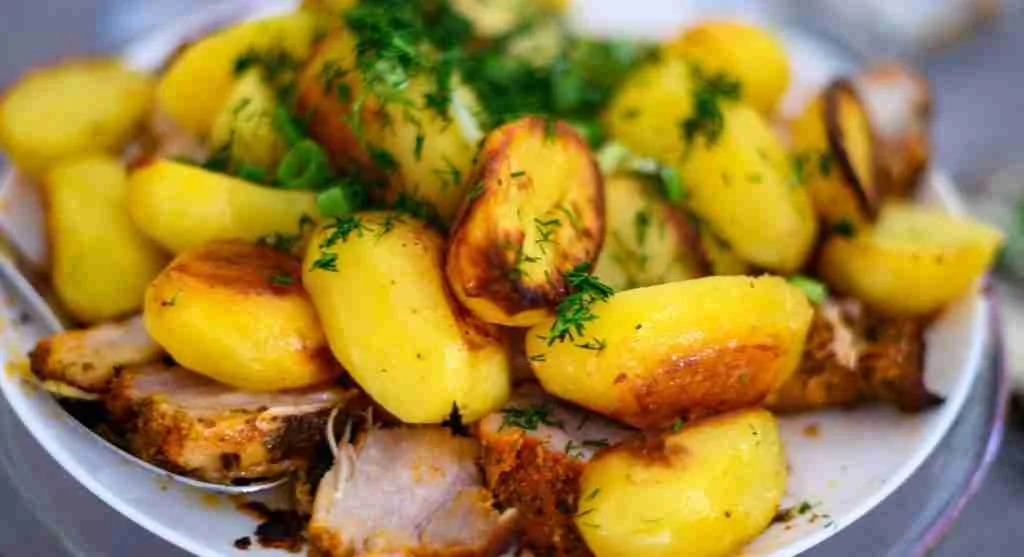
How can home cooks build better baked potato dinners without making them harder?
The easiest method is to treat the potato as the warm anchor of the meal, then build around it with one substantial topping, one contrasting texture, and one fresh or bright finishing element. These steps do not complicate dinner. They simply help the meal feel more complete and less repetitive.
Cooking educators often remind home cooks that better simple meals come from clearer roles, not bigger ingredient lists. Baked potato dinners respond especially well to that kind of thoughtful structure.
Frequently Asked Questions
Q: What makes a baked potato feel like a full dinner?
A: A baked potato usually feels like a full dinner when it includes one topping with real substance, one contrasting texture, and a finishing element that adds freshness or clarity.
Q: Do baked potato dinners always need a side dish?
A: Not always, but some work better with a simple supporting side if the potato toppings are kept lighter.
Q: Why do baked potato meals sometimes feel boring?
A: They often feel boring when every topping is soft or heavy and nothing fresh or crisp is added to balance the potato.
Q: Can a baked potato dinner still feel light?
A: Yes. Fresh herbs, greens, yogurt-based toppings, and crisp vegetables can keep the meal balanced without taking away its comfort.
Key Takeaway
Understanding how to build a baked potato dinner is really about balance. The potato brings warmth and body, but the strongest meals also include a topping with substance, a little texture contrast, and one finishing detail that adds freshness. Once those parts work together, a baked potato stops feeling like a backup plan and starts feeling like a smart everyday dinner. In home cooking, that can make one of the simplest ingredients much more useful.