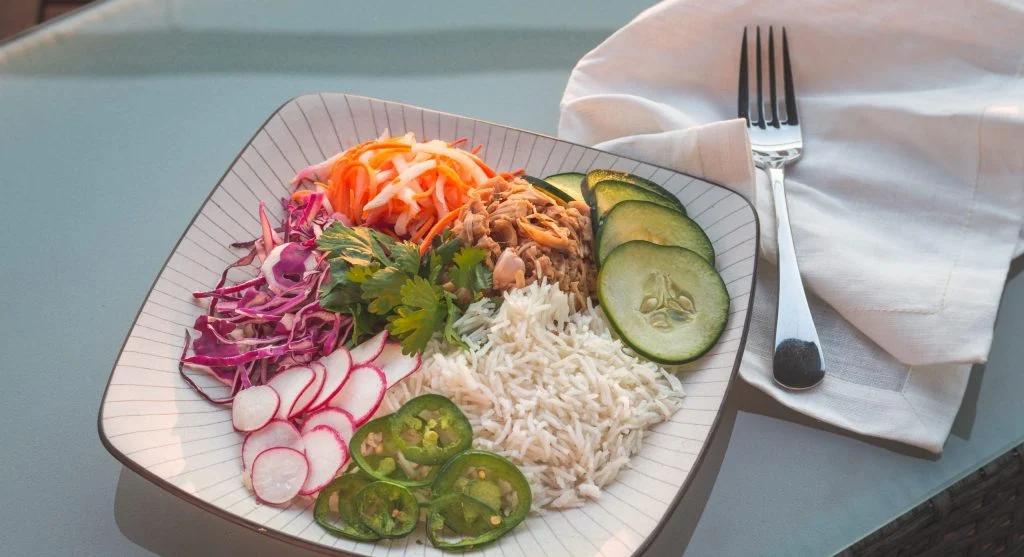
Rice salad mistakes are common because rice salads seem simple to make with practical ingredients already in the kitchen. A bowl of cooked rice, a few vegetables, some herbs, and a basic dressing can look like enough for lunch. But even an easy rice salad can become heavy, soggy, dull, or repetitive when texture, timing, and balance are not handled carefully. For home cooks, a few small mistakes can change the entire meal.
Cooking instructors often explain that rice salads work best when they stay light and fresh while still having enough body to feel satisfying. Food educators also point out that these dishes rely on contrast. A good rice salad usually needs rice with the right texture, one fresh ingredient, one more substantial support ingredient, and a dressing that brings everything together without weighing the bowl down.
Why do rice salad mistakes happen so often?
Rice salads are often made with leftovers or meal-prep ingredients, which makes them convenient but also easy to rush. When everything is prepared ahead of time, the bowl can lose freshness, become too soft, or feel disconnected if the final assembly is not done thoughtfully. A rice salad may look complete in the container but still taste flat by lunchtime.
Home cooking teachers often say that rice salads need just as much structure as hot meals. Serving them cool or at room temperature does not make balance less important. In some ways, it makes that balance even more noticeable.
1. Using rice that is too soft is one of the biggest rice salad mistakes
If the rice is too soft or clumped together, the whole salad can feel heavy before any other ingredient is added. Rice salad usually works best when the grains still hold their shape and stay separate from the dressing and vegetables. Once the rice turns mushy, the bowl can lose its clean texture very quickly.
Cooking educators often remind home cooks that rice for salad should support the bowl instead of collapsing into it. The rice should feel like part of the structure, not just filler.
2. Dressing the salad too early can weaken freshness
Many home cooks dress rice salads far in advance because they think of them as meal-prep food. That can work in some situations, but it can also make vegetables softer and leave the whole bowl less lively by the time it is eaten. A salad that seemed balanced at first may feel tired later.
Food educators often suggest thinking about which parts can be dressed early and which parts should stay fresher until closer to serving time. That small choice can make a real difference in the final texture.
3. Rice salad mistakes often begin when everything has the same texture
A rice salad made only with soft rice, tender vegetables, and a gentle dressing can start to feel repetitive after a few bites. This is why texture contrast matters so much. Crisp vegetables, herbs, seeds, or another firmer ingredient can keep the bowl from becoming too one-note.
Cooking teachers often explain that rice salads improve most when one element adds freshness and another adds bite. Without that contrast, the dish may taste acceptable but still feel unfinished.
4. Ignoring watery ingredients can make the bowl soggy
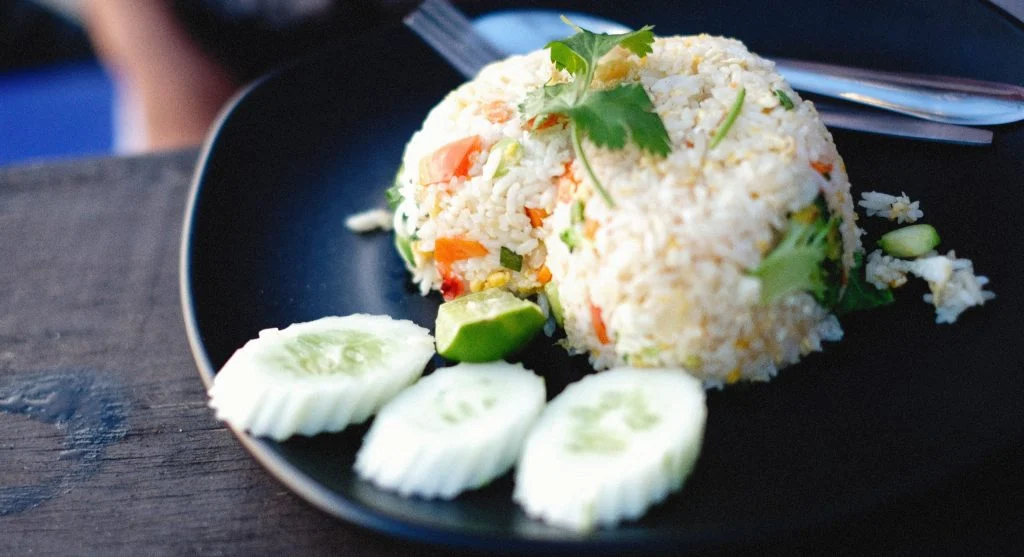
Tomatoes, cucumbers, and other high-moisture ingredients can quickly change the texture of a rice salad if they sit too long after being sliced. Their moisture can loosen the dressing and soften the rice more than intended. By the time the salad is served, the bowl may feel wetter and less balanced.
Fresh ingredient specialists often remind home cooks that timing matters with these ingredients. Even good vegetables can weaken the salad if they are handled without enough care.
5. Forgetting a fresh finish is another common rice salad mistake
Rice salads often need something fresh at the end to keep them from tasting stored or overly settled. Herbs, citrus, greens, or another light finishing element can wake up the bowl and make the flavors feel clearer. Without that contrast, the salad may seem heavier than it really is.
Food writers often explain that meal-prep dishes especially benefit from this kind of final freshness. A small addition can make a prepared lunch feel much more immediate and far less dull.
6. Using too many heavy ingredients can crowd the salad
A rice salad can become overwhelming when too many dense, roasted, or rich ingredients are added without enough lighter contrast. The bowl may still be filling, but it may stop feeling fresh. This often happens when the cook keeps adding ingredients because the salad looks plain, even though what it really needs is balance, not more volume.
Cooking instructors often note that rice salads usually improve more through contrast than through quantity. A few ingredients with different roles often work better than a crowded bowl where everything feels too similar.
7. Skipping seasoning in the rice itself can leave the whole bowl flat
Some home cooks assume the dressing alone will flavor the entire salad. But if the rice itself is completely plain, the bowl may still taste weak even with a good dressing. Rice salads often work better when flavor is layered through the parts instead of relying on one element to do all the work.
Food educators often explain that this does not mean every ingredient needs to be heavily seasoned. It simply means the base should have enough flavor to help the whole salad feel connected.
8. Not matching the rice salad to the meal can make it feel incomplete
Some rice salads are built as sides, while others need to work as full lunches or dinners. If the bowl does not have enough substance for the situation, it may taste fine but still feel incomplete. A rice salad meant for lunch often benefits from one more grounded element, such as beans, eggs, or a stronger vegetable component.
Meal planning educators often recommend deciding early whether the rice salad is a side dish or the main meal. That choice helps the home cook build the bowl with the right balance and staying power.
How can home cooks avoid rice salad mistakes more easily?
The simplest approach is to start with rice that still has structure, add one fresh element, manage watery ingredients carefully, and finish the bowl close to serving time. These habits do not make rice salads harder. They simply help the lunch stay clearer, lighter, and more balanced.
Food educators often remind cooks that rice salads are strongest when the parts feel intentional rather than thrown together only for convenience. A little extra thought at the end can improve the whole meal.
Frequently Asked Questions
Q: Why do rice salads sometimes taste boring?
A: Rice salads often taste boring when the rice is too soft, the textures are too similar, or the bowl lacks a fresh finishing element.
Q: Should rice salads always be dressed right away?
A: Not always. Some parts can be dressed earlier, but many rice salads stay fresher when certain ingredients and final touches are added closer to serving time.
Q: Can watery vegetables really affect rice salads that much?
A: Yes. Ingredients like tomatoes and cucumbers can release moisture that softens the rice and thins the dressing, which changes the whole bowl.
Q: Do rice salads need a substantial ingredient to work as lunch?
A: In many cases, yes. A rice salad meant to be the main meal often feels more complete with beans, eggs, or another grounded ingredient.