
Cooking educators often explain that leftovers improve when they are not asked to do the exact same job twice. Beans that acted as a warm dinner side or part of a stew do not have to return to the table in the same form. They can become the base of a grain bowl, a toast topping, a lunch salad, a mash, or a cool plate with crisp vegetables. Once that shift happens, leftover beans become much more useful.
Why do leftover bean lunches often feel less exciting than they should?
Beans are naturally soft, filling, and steady. Those are good qualities, but they can also make a meal feel heavy if nothing interrupts them. A container of beans reheated and eaten alone may provide plenty of nourishment while still feeling flat. What is usually missing is contrast. The lunch needs something crisp, bright, or fresh enough to change the pace of the meal.
Home cooking teachers often point out that many leftovers fail not because they lack flavor, but because they lack a second texture or a new purpose. Beans respond especially well to that kind of change. They do not need a complicated recipe. They only need a better setting.
Start by deciding whether the beans should stay whole or change form
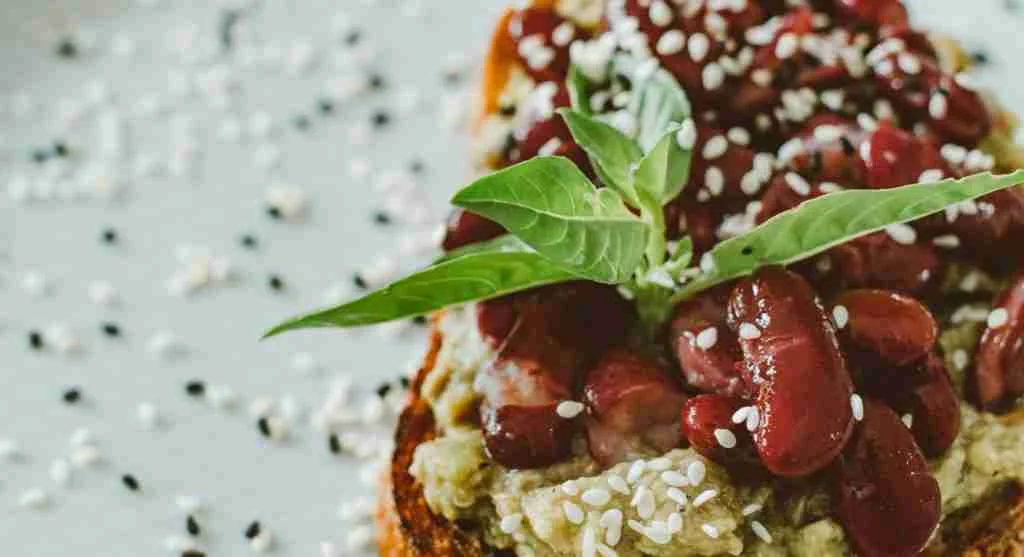
The easiest first decision is whether the beans should remain as they are or become something slightly different. Whole beans can anchor a lunch bowl, a rice plate, or a salad. Mashed beans can work better on toast, in wraps, or as part of a more spreadable lunch. This choice shapes everything that comes next because the meal will feel very different depending on whether the beans stay distinct or become a smoother layer.
Food educators often note that reusing leftovers becomes easier when the cook thinks in forms instead of recipes. The question is not only what the bean dish used to be. The question is what the beans can become now.
Give the lunch one fresh ingredient that belongs to today
One of the quickest ways to improve leftover beans is to pair them with something fresh that was not part of the original meal. This might be cucumbers, herbs, shredded carrots, greens, tomatoes, radishes, or another crisp vegetable. That new ingredient helps the lunch stop tasting like storage and start tasting like a meal assembled on purpose.
Fresh ingredient specialists often describe this as adding a “today layer.” Even a small amount of freshness can make leftovers feel more current and much more enjoyable at midday.
Use something crisp to break the softness
Beans are naturally gentle in texture, so the lunch often improves when one part of it brings real bite. Toasted bread, seeds, crisp vegetables, crackers, or a firmer grain can all help. This does not make the meal more complicated. It simply keeps the lunch from moving through the same softness in every bite.
Cooking instructors often explain that texture is one of the easiest ways to change how a leftover meal feels. A small crunchy element can make a familiar food seem much more thought through.
Let the beans share the meal instead of carrying all of it
Another helpful strategy is to stop asking the beans to be the whole lunch on their own. They often work better when paired with rice, grains, toast, potatoes, or greens. This gives the lunch more shape and makes the beans feel like one useful part of a meal rather than the only thing on the plate.
Meal planning educators often recommend using leftovers this way because it stretches ingredients while still improving the meal. A smaller amount of beans can go much further when the rest of the lunch gives them support.
A cool topping can change warm beans immediately
Warm beans often feel more interesting when something cooler is added just before serving. A yogurt-based topping, herbs, fresh vegetables, or a little citrus can all help. This kind of contrast keeps the lunch from tasting too settled and gives a very ordinary bean dish a fresher direction.
Food writers often point out that mixed temperatures can make leftovers feel more deliberate. Warm beans with a cooler finishing layer often seem more like a rebuilt lunch than a reheated container.
Do not overcomplicate the lunch once the structure is working
When cooks try to rescue leftovers, they sometimes add too many ingredients at once. The lunch becomes crowded without actually becoming better. A stronger approach is to keep the structure simple: beans, one base or support ingredient, one fresh or crisp element, and one finishing touch. That is often enough to make the meal feel complete.
Home cooking teachers often remind people that a better leftover meal is usually edited, not expanded. More ingredients do not always make the lunch smarter. Clearer roles usually do.
Think about whether the lunch should be spoonable, stackable, or tossable
Some bean lunches work best in bowls that can be eaten with a spoon. Others make more sense on toast, in wraps, or as chopped salads. Thinking in these categories can help the cook choose the right texture for the beans and the right support ingredients. A spoonable lunch might welcome rice and greens. A stackable lunch might need toast and sliced vegetables. A tossable lunch may work better with chopped herbs and a light dressing.
Cooking educators often explain that this kind of thinking removes stress because it gives leftovers a direction. Once the lunch format is clear, the ingredient choices become much easier.
Finish the meal so it tastes rebuilt, not repeated
The last step matters more than many home cooks expect. Herbs, citrus, pepper, seeds, or another simple garnish can make the lunch feel intentionally rebuilt. This final detail does not need to be large. It only needs to create a small signal that the meal belongs to today and not only to yesterday.
Food educators often say that leftovers become more appealing when they receive one fresh decision at the end. For bean lunches, that finishing moment can make a surprisingly big difference.
Frequently Asked Questions
Q: What is the easiest way to improve leftover beans for lunch?
A: Pair them with one fresh ingredient, one contrasting texture, and a simple base or support such as rice, toast, or greens.
Q: Should leftover beans always be reheated for lunch?
A: Not always. Some lunches work well with warm beans, while others can use beans at room temperature if the rest of the meal is balanced well.
Q: Why do leftover bean meals sometimes feel boring?
A: They often feel boring when every part of the meal is soft and familiar, with nothing fresh or crisp to change the rhythm of the dish.
Q: Can leftover beans work in more than bowls?
A: Yes. They can work on toast, in wraps, as spreads, in salads, or alongside grains and vegetables in many easy lunch formats.
Key Takeaway
Understanding how to use leftover beans for lunch is really about changing their role and their setting. Beans become much more useful when they are paired with freshness, texture contrast, and a meal format that suits them better than a simple reheated repeat. A base, a crisp element, and one finishing touch are often enough to make them feel new again. In everyday cooking, that can turn one container of leftovers into several stronger lunches.