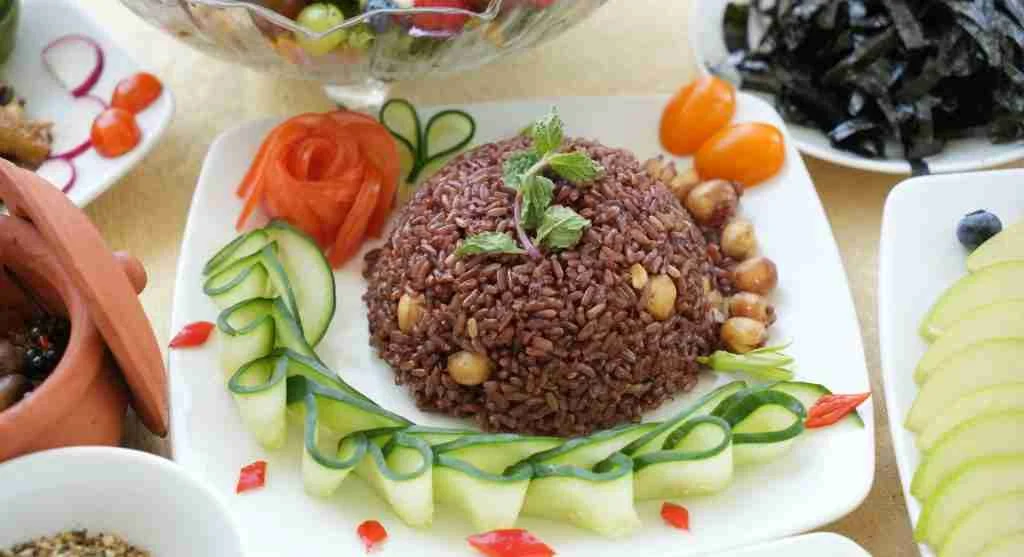
Herbs change a rice salad in a very different way. Instead of soaking the grains further, they brighten the bowl and add a fresher feeling to every bite. This matters because cold rice salads can easily become too settled, especially after resting in the refrigerator. Once that happens, more dressing may not fix the real problem. A fresh herb element often gets much closer to what the meal is missing.
Why cold rice salads lose energy so easily
Rice salads are practical, affordable, and easy to prepare ahead, which is why they show up so often in lunch planning and simple dinners. But rice also has a way of absorbing moisture and becoming more compact over time. As the bowl sits, the grains can begin tasting more muted, and the vegetables or beans in the salad may soften into the same general texture.
Food educators often explain that this is why rice salads need contrast more than many people first realize. Without contrast, the meal may still look complete but feel less satisfying than expected. Once a rice salad begins losing that contrast, the whole bowl can taste heavier even when the ingredient list has not really changed.
What extra dressing usually does to a cold rice salad
Extra dressing can sometimes help if the salad is truly dry. But in many cases, it only adds more weight. The grains become more coated, the vegetables lose more crispness, and the bowl starts feeling more blended than structured. This is especially true in rice salads that already sat for a few hours and have already absorbed some of the original dressing.
Cooking teachers often note that dressing is very good at connecting ingredients, but it is not always good at bringing back freshness. If the salad is already connected and only feels dull, more dressing may solve the wrong problem.
Why herbs make a different kind of correction
Herbs do not work by adding more moisture to the bowl. They work by changing how fresh the bowl feels. A handful of chopped herbs can make a rice salad seem brighter and more active without disturbing its basic structure. This is especially useful when the grains already have enough seasoning and the real missing piece is a fresher top note.
Fresh ingredient specialists often describe herbs as “lift ingredients.” They do not make the rice salad richer or more coated. They make the bowl feel more open and alive, which can be exactly what a chilled grain-based meal needs.
How herbs affect texture without really changing texture
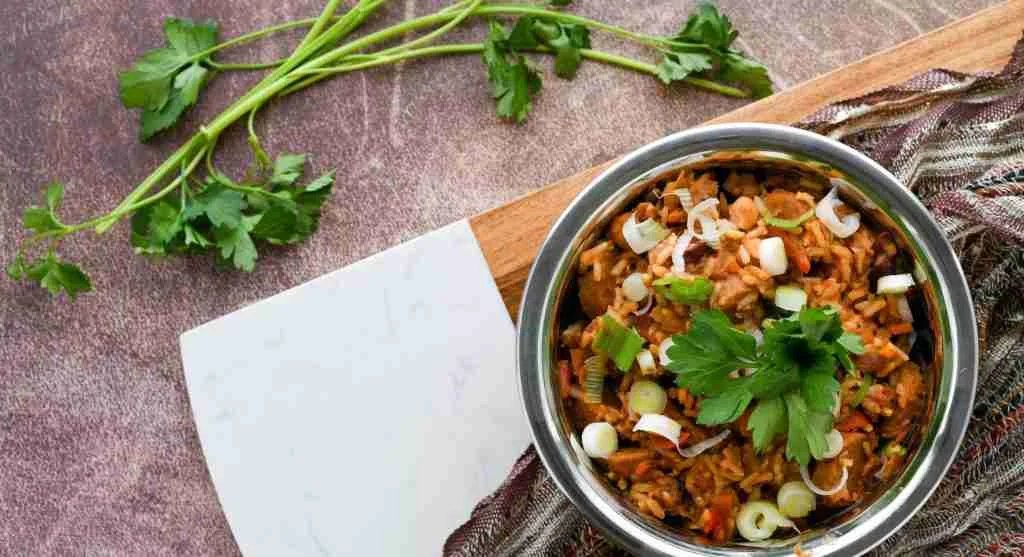
This may seem strange at first, but herbs can make a bowl feel texturally lighter even when they are not crunchy in the usual sense. They break up the repetition of the rice and create a fresher eating rhythm. The grains may still be soft, but the meal no longer feels as if every bite is moving in the same direction.
Food writers often point out that perceived texture is not only about crispness. It is also about interruption. Herbs interrupt softness in a useful way. They do not need to be crunchy to stop the bowl from feeling too uniform.
When extra dressing really is the right answer
There are still times when the bowl genuinely needs more dressing. If the rice salad feels dry, the grains are not carrying flavor well, or the ingredients do not seem connected at all, a little more dressing may be appropriate. But this works best when done with care. The dressing should support the bowl, not drown it.
Home cooking teachers often explain that the smartest move is to decide first whether the salad needs moisture or freshness. That one question usually makes the answer much clearer. If it needs moisture, dressing can help. If it needs freshness, herbs often do more.
Why this matters even more in meal-prep salads
Cold rice salads are often built ahead of time, which makes them very useful but also gives them more time to lose brightness. A salad prepared for lunch the next day may taste more muted than it did when first mixed. This is one reason herbs are so powerful in meal prep. They can be added closer to serving time and restore some freshness without disrupting the rest of the bowl.
Meal planning educators often recommend leaving some of the finishing ingredients separate until the meal is about to be eaten. In rice salads, herbs are one of the best examples of why that advice works so well.
What kinds of rice salads benefit most from herbs?
Rice salads with beans, cucumbers, peppers, greens, yogurt-based elements, or other practical lunch ingredients often respond especially well to herbs because those bowls already have enough body. They do not need more richness. They need more balance. Herbs give them that balance with very little effort.
Salads built around heavier roasted vegetables or grain-and-bean combinations also benefit because herbs stop the bowl from leaning too far toward earthy, dense flavors. In those cases, the herbs act almost like a reset button for the meal.
Why herbs also make the bowl feel newer
One of the hidden strengths of fresh herbs is that they can make prepared food feel less like leftovers. Even a rice salad that has been resting overnight can seem more immediate once chopped herbs are added just before serving. This is not only about flavor. It is also about perception. The bowl starts feeling current again.
Cooking instructors often explain that small fresh ingredients help bridge the gap between storage and serving. In a rice salad, that bridge can make a very noticeable difference.
How can home cooks know which one the salad needs?
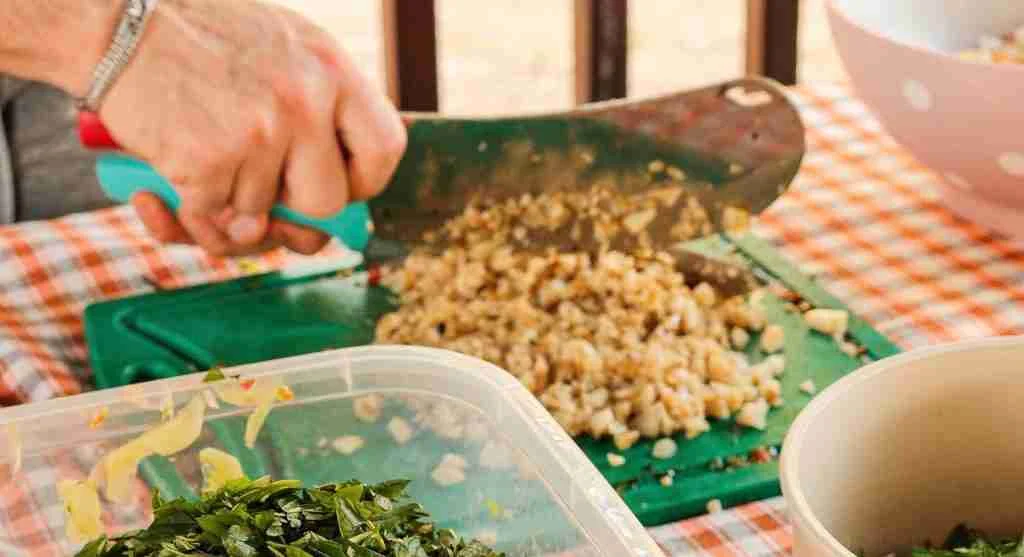
The easiest test is to ask whether the salad feels dry or only dull. If it feels dry and disconnected, a little more dressing may help. If it already feels coated enough and only seems sleepy, herbs are often the better solution. In many cases, the bowl may need both, but only in small amounts and not at the same stage.
Food educators often encourage home cooks to taste with a question in mind instead of making the same correction every time. That habit leads to smarter and more balanced meals, especially with grain-based lunches.
Frequently Asked Questions
Q: Do herbs really improve rice salad more than dressing?
A: In many cases, yes. If the bowl already has enough moisture, herbs often do more by bringing freshness and balance instead of extra heaviness.
Q: When does a rice salad actually need more dressing?
A: It usually needs more dressing when the grains feel dry, the ingredients do not seem connected, or the bowl lacks enough flavor distribution.
Q: Why do herbs make a cold salad feel lighter?
A: Herbs brighten the bowl and break up the repetition of soft grains, which makes the salad feel fresher and more active.
Q: Are herbs especially useful in meal-prep rice salads?
A: Yes. They can be added closer to serving time, which helps restore freshness to a salad that has been resting in the refrigerator.
Key Takeaway
Herbs vs extra dressing in rice salad is really a question of what the bowl is missing. More dressing helps when the salad is dry and disconnected. Fresh herbs help when the salad is already coated but needs brightness, freshness, and a lighter feel. Knowing that difference helps home cooks fix grain-based meals more accurately. In simple everyday lunches, that small choice can change the whole bowl.