Learning how to use frozen vegetables well is one of the most useful cooking basics for busy home kitchens. Frozen vegetables are practical, affordable, easy to store, and ready to support soups, skillets, rice dishes, pasta meals, and side dishes without extra washing or chopping. But even though they save time, they can still weaken a meal when they are added in the wrong way. A quick dinner that should feel easy can suddenly become watery, too soft, or oddly flat.
Cooking instructors often explain that frozen vegetables are not lower-value ingredients. They are simply ingredients that behave differently from fresh ones. Because they carry more surface moisture and often cook faster once heated, they need better timing and better heat choices. Once home cooks understand that difference, frozen vegetables become much easier to use with confidence.
Why does how to use frozen vegetables matter in everyday cooking?
Many home cooks rely on frozen vegetables as backup ingredients, which makes them incredibly useful on busy days. But backup ingredients can easily be treated without enough attention. This is often why a skillet dinner turns soggy or why a simple rice bowl feels weaker than expected. The problem is usually not the vegetable itself. It is the way it was handled once it reached the pan or pot.
Food educators often note that frozen vegetables are strongest when the cook chooses a role for them before the meal begins. Some meals want the vegetables to soften into the dish. Others need them to hold more shape and stay clearer. That choice affects the whole cooking method.
What should home cooks know before using frozen vegetables?
Frozen vegetables often release moisture quickly as they heat, and that changes how they behave compared with fresh produce. In some dishes, this extra moisture is helpful. Soups, broths, and softer mixed dishes can absorb it without much trouble. In other meals, especially skillets, rice dishes, or pasta pans, that same moisture can blur texture and weaken flavor if it is not managed properly.
It also helps to remember that many frozen vegetables are already cut and portioned for convenience. That means they may cook faster than expected. Food educators often remind home cooks that frozen vegetables do not need the exact same treatment as a whole fresh vegetable that has just been chopped in the kitchen.
How to use frozen vegetables in pans without making them soggy
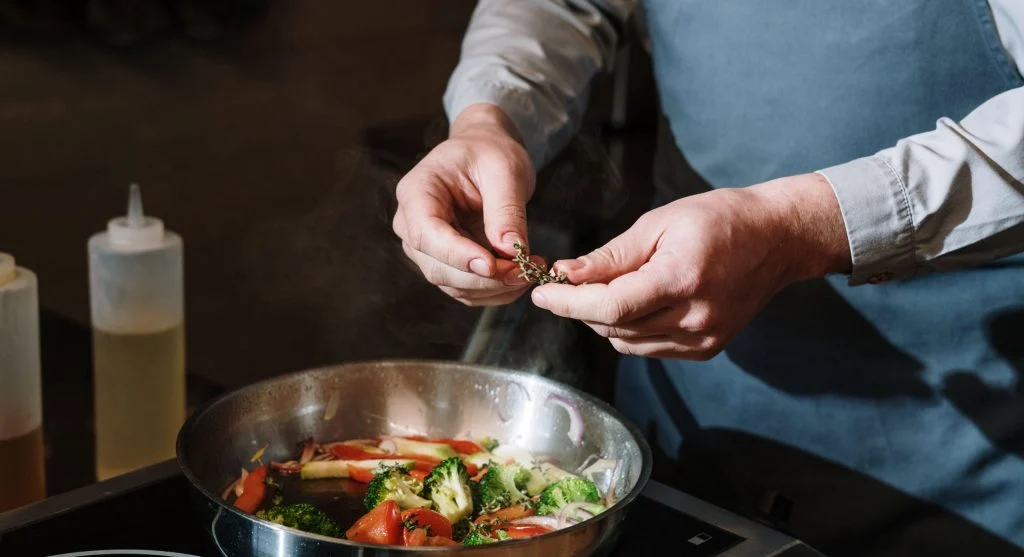
One of the most useful lessons is that frozen vegetables often need space and heat more than constant stirring. If they are crowded into a pan too quickly, the moisture they release can gather faster than it can cook away. This often leads to softness instead of the clearer texture the meal needs.
Cooking teachers often explain that the pan should be working for the vegetables, not against them. A stronger pan setup helps frozen vegetables rejoin the meal with more texture and less of the “straight from the freezer” feeling that some quick dinners develop.
Why meal type should guide how frozen vegetables are used
Not every dish needs the same result from its vegetables. A soup may welcome softness and blended texture, while a grain bowl or skillet may need vegetables that stay more distinct. This is why the question is not only “Can frozen vegetables be used here?” but also “What does this meal need them to do?”
Home cooking teachers often say that ingredient behavior should match meal purpose. Frozen peas folded into warm rice near the end may work beautifully because the dish only needs a gentle pop of color and sweetness. Frozen broccoli in a skillet dinner may need more direct handling if the goal is to keep the pieces more noticeable.
When should frozen vegetables be added to soups and broths?
In soups, frozen vegetables are often easiest to use because the dish can absorb their moisture naturally. But timing still matters. If they are added too early, the vegetables may lose too much texture and disappear into the broth. If they are added too late, the bowl may not feel settled enough. The strongest soups usually add frozen vegetables at the stage where they can soften without vanishing.
Food writers often explain that frozen vegetables are especially good in soups because they simplify the ingredient list and lower prep time. The key is not treating them like an afterthought. Even in broth-based meals, they still need a role in the final texture of the bowl.
How can frozen vegetables help with meal prep?
Frozen vegetables are especially useful in meal prep because they reduce waste and can be pulled into meals only when needed. This means the cook does not have to worry about fresh produce declining before it gets used. A bag of frozen vegetables can support rice dishes, pasta meals, soups, and quick side dishes across the week without much planning.
Meal planning educators often recommend keeping two or three frozen vegetables around that work in very different ways. One might suit soups, one might fit skillet meals, and one might be best for rice or grain dishes. This gives the kitchen more flexibility without forcing the cook to start from zero every night.
Why seasoning matters even more with frozen vegetables
Because frozen vegetables are often used in quick meals, seasoning can sometimes be handled too late or too lightly. The result is a dish that feels technically complete but not very satisfying. A better approach is to think about how the vegetables will carry flavor once they join the pan, pot, or bowl.
Cooking instructors often explain that convenient ingredients still need guidance. Frozen vegetables are excellent at saving time, but they do not automatically make the meal taste finished. The rest of the dish still needs enough structure, freshness, and seasoning to support them properly.
What common mistakes make frozen vegetables disappointing?
One common mistake is adding too many at once to a small pan and trapping more moisture than the meal can handle. Another is stirring too often before the vegetables have had a chance to heat through properly. Some home cooks also use them in dishes that needed a fresher finishing contrast but never add one. In those cases, the problem is not the frozen vegetable. It is the missing balance around it.
Food educators often remind cooks that frozen vegetables are tools, not shortcuts to flavor by themselves. They work best when the meal still includes thought about texture, timing, and what the plate or bowl needs at the end.
How can home cooks make frozen vegetables feel fresher?
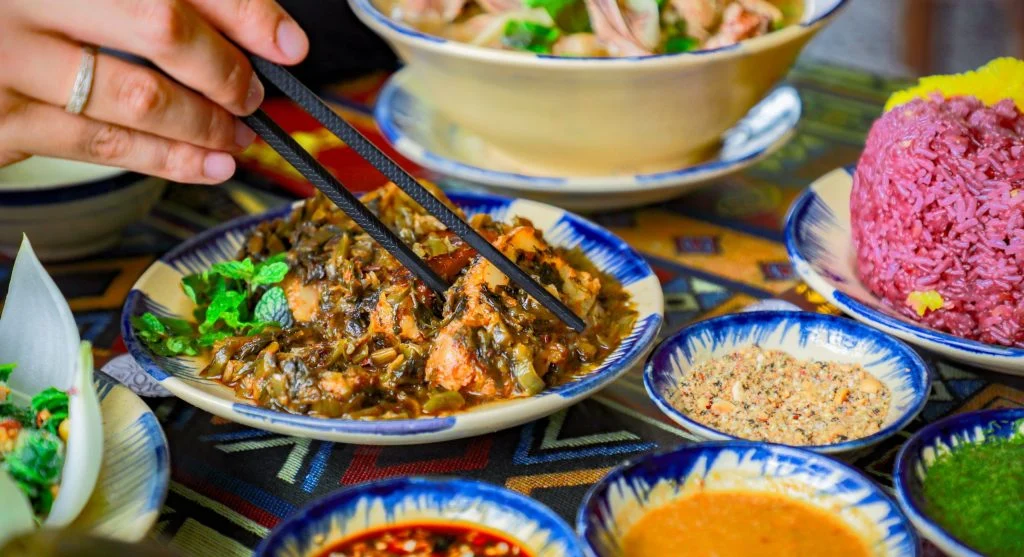
The easiest method is to pair them with one final fresh element. Herbs, citrus, greens, yogurt-based finishes, or crisp vegetables added later can help the meal feel more immediate and less freezer-driven. This matters especially in simple dinners where the frozen vegetables are doing a lot of the practical work.
Cooking teachers often note that freshness at the end can change how the whole meal is perceived. A pan built mostly from convenience ingredients can still taste smart and balanced if it finishes with something lively enough to wake it up.
Frequently Asked Questions
Q: Are frozen vegetables good for everyday meals?
A: Yes. They are practical, affordable, and useful across many dishes, especially when they are matched to the right meal and handled with the right heat and timing.
Q: Why do frozen vegetables sometimes turn watery?
A: They often release moisture quickly as they heat. If they are crowded or stirred without enough space and heat, that moisture can build up in the dish.
Q: Should frozen vegetables be used the same way as fresh vegetables?
A: Not always. Frozen vegetables often need different timing and a clearer plan for texture because they behave differently once heated.
Q: Can frozen vegetables work in meal prep?
A: Yes. They are especially useful for meal prep because they reduce waste and can be used only when needed in soups, rice dishes, pasta meals, and more.
Key Takeaway
Learning how to use frozen vegetables helps home cooks build faster meals without sacrificing texture and balance. The best results usually come from choosing the right role for the vegetables, using enough heat and space, and finishing the meal with something fresh. Frozen vegetables are not second-choice ingredients. They are simply ingredients that need a smarter method. In everyday cooking, that difference can improve the whole meal.