A useful guide to no-cook pantry plates can help home cooks turn ordinary shelf and refrigerator ingredients into meals that feel more complete than a random snack spread. On busy days, many people grab whatever is easiest and end up with a meal that feels scattered, too light, or oddly repetitive. A better pantry plate does not require cooking. It usually just needs a clearer structure.
Cooking educators often explain that easy meals work best when they still include balance, contrast, and enough substance to feel intentional. Pantry plates are a strong example. They can be built from crackers, bread, beans, yogurt, vegetables, fruit, cheese, nuts, dips, or leftovers that do not need reheating. When those pieces are chosen with purpose, the plate can feel practical, fresh, and satisfying without ever turning on the stove.
Why Are No-Cook Pantry Plates Useful in Everyday Cooking?
Some days do not leave much space for a full recipe. A no-cook meal can be helpful after grocery shopping, during hot weather, on low-energy evenings, or when the kitchen already feels too busy. Pantry plates work because they lower the effort without making the meal feel careless.
Home cooking teachers often describe these meals as “assembly meals” rather than recipes. That idea matters because assembly still involves decisions. The difference between a weak plate and a strong one usually comes from the roles each ingredient plays once it reaches the table.
What Should a Good No-Cook Pantry Plate Include?
At its simplest, a balanced pantry plate usually needs four parts: one ingredient with body, one ingredient with freshness, one ingredient with texture contrast, and one ingredient that ties the plate together. The body might come from beans, yogurt, eggs, cheese, or another substantial item. Freshness often comes from vegetables or fruit. Texture may come from toast, crackers, nuts, or crisp vegetables. The final connecting element may be a dip, a light dressing, or a simple seasoning finish.
Food educators often remind cooks that these meals feel strongest when the plate does not lean entirely soft, dry, or bland. Once a few different roles are clearly represented, the meal usually becomes much more satisfying without needing more food.
Start With One Steady Anchor Instead of Many Small Snacks
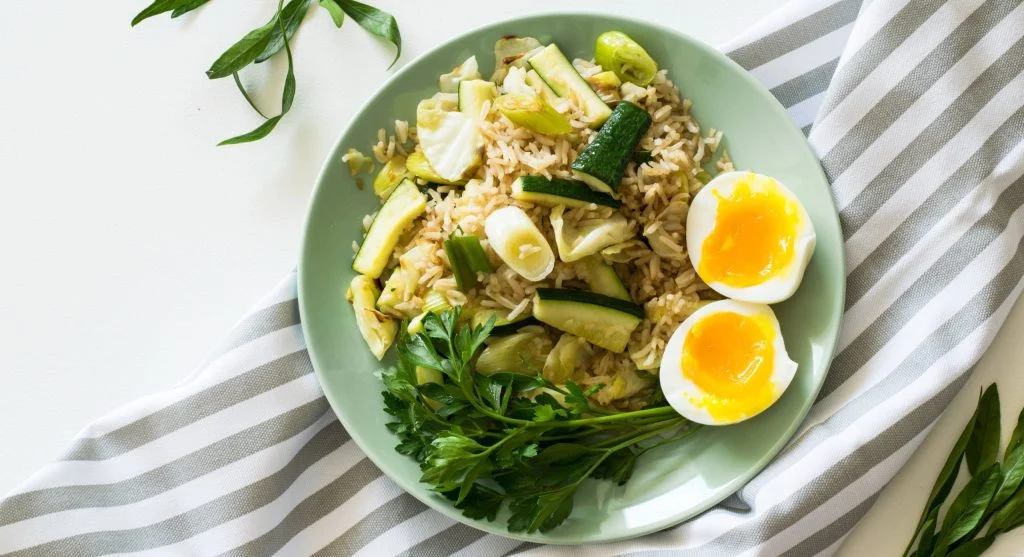
One of the easiest ways to improve a pantry plate is to stop thinking in scattered pieces and begin with one central ingredient. This anchor gives the plate direction. It might be a bowl of seasoned beans, a spoonable yogurt mixture, cottage cheese, sliced boiled eggs, tuna, hummus, or another practical option already in the kitchen.
Without that anchor, the plate can drift into snack territory very quickly. There may be plenty to nibble on, yet the meal still may not feel complete. A central item helps everything else make sense around it.
Add Produce That Wakes Up the Plate
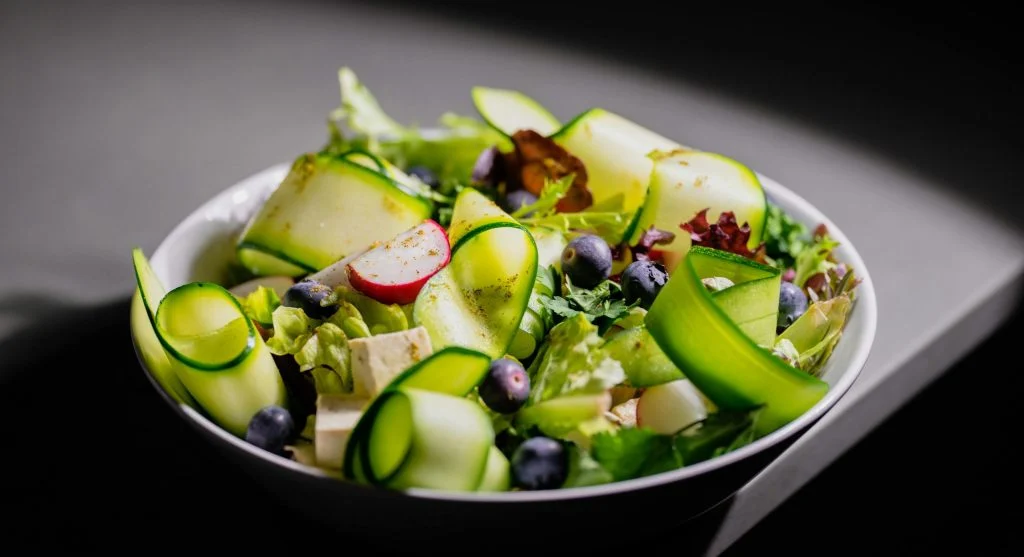
No-cook meals often become dull when they rely too heavily on packaged or shelf-stable items alone. A fresh ingredient can change that immediately. Cucumbers, carrots, tomatoes, greens, bell peppers, apples, radishes, or grapes all work because they bring water, bite, and a cleaner feel to the plate.
Fresh ingredient specialists often note that raw produce gives no-cook meals a sense of immediacy. Even if most of the plate came from the pantry, something fresh tells the eater that the meal belongs to today, not only to storage shelves and containers.
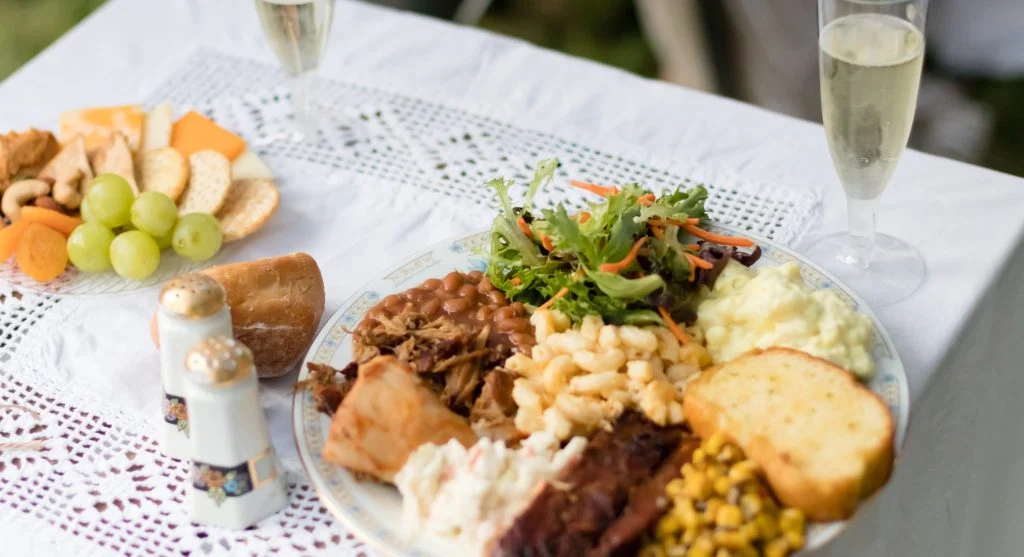
Think About Texture Before Flavor Gets All the Attention
Many no-cook meals fall flat because everything on the plate feels too similar. Soft beans, soft cheese, soft fruit, and soft bread can make the meal feel dull even if the flavors are pleasant. Texture is what keeps the plate interesting from beginning to end.
A better plate usually includes something crisp, something creamy, and something more substantial to chew. Crackers, toasted bread, nuts, sturdy vegetables, or crisp fruit slices can all help. This contrast often improves the meal more than adding another sauce or another packaged item.
Use Dips and Spreads as Connectors, Not as Clutter
Dips and spreads are one of the easiest ways to give a pantry plate more direction, but too many can make the meal feel busy instead of balanced. A single dip or spread that works across several ingredients often does more for the plate than three small extras competing for attention.
Cooking instructors often explain that a pantry plate benefits from one “bridge” ingredient. Hummus, yogurt sauce, bean spread, or another simple option can help connect vegetables, crackers, and the main anchor without making the meal feel overloaded.
Give the Plate One Ingredient With Enough Staying Power
Some no-cook meals look appealing but fade quickly because they do not include one ingredient with enough body. This is especially important if the plate is meant to replace lunch or dinner rather than simply hold off hunger for a short time. Beans, eggs, yogurt, cheese, tuna, lentils, or another more grounded option can help the meal feel complete.
Meal planning educators often suggest asking one simple question: would this plate still feel like a meal without the crackers or fruit? If the answer is no, the plate may need one stronger central ingredient before it reaches the table.
Keep the Plate Small Enough to Feel Clear
A common mistake with no-cook meals is overbuilding them. Once everything available in the pantry and refrigerator gets added, the plate can start to feel messy rather than satisfying. A smaller number of ingredients with clearer roles usually makes the meal stronger.
Food writers often note that visual clutter can affect appetite and satisfaction too. A plate with five clear parts often feels more appealing than one with ten small pieces and no real center. Simplicity can make the meal feel more confident.
Finishing Touches Matter More Than They Seem
Because pantry plates do not rely on cooking aromas or hot textures, the final seasoning can matter a great deal. Pepper, herbs, citrus, olive oil, seeds, or a little flaky salt can help sharpen the meal and make the whole plate feel more deliberate. These are small details, but they often create the difference between “assembled” and “actually good.”
Cooking teachers often say that no-cook meals need a final thought. A quick finishing step signals that the plate was built with intention rather than gathered at random.
How Can No-Cook Pantry Plates Reduce Waste?
These meals are especially useful because they can absorb small amounts of ingredients that might otherwise be forgotten. Half a cucumber, a few spoonfuls of yogurt, a handful of crackers, part of a can of beans, or some leftover herbs can all become part of a meal with a clear purpose. This makes pantry plates one of the easiest low-waste meal formats in everyday cooking.
Food educators often recommend keeping a mental template for meals like this. Once the cook understands the pattern, the exact ingredients can change from day to day without the plate losing its structure.
Frequently Asked Questions
Q: What makes a no-cook pantry plate feel like a real meal?
A: A pantry plate feels more like a real meal when it includes one central ingredient with body, something fresh, some texture contrast, and a simple finishing or connecting element.
Q: Do pantry plates always need crackers or bread?
A: Not always. They often help with texture, but a plate can also work with nuts, crisp vegetables, fruit, or other ingredients that bring structure and bite.
Q: Why do some no-cook meals feel unsatisfying?
A: They often feel unsatisfying when they lack one ingredient with enough staying power or when every part of the plate has the same texture.
Q: Can pantry plates work for dinner, not just snacks?
A: Yes. When built with enough body and balance, pantry plates can work very well as lunch or dinner on busy or low-energy days.