Learning how to choose fresh herbs for cooking can improve everyday meals more than many home cooks expect. Herbs are often treated like a small finishing extra, something scattered over the top just before serving. But in practice, herbs can change the direction of a meal. They can make a soft bowl feel fresher, give a soup a sharper ending, or help a simple lunch taste more intentional without adding another heavy ingredient.
Fresh ingredient educators often explain that herbs are not all doing the same job. Some herbs are better for lifting a plate at the last moment. Others blend more quietly into a dressing, yogurt sauce, grain bowl, or salad. The key is not only buying herbs that look fresh. It is also understanding when they will stay visible in the meal and when they will fade into the background.
Why do fresh herbs matter so much in simple cooking?
Many everyday meals are built from practical ingredients such as grains, beans, eggs, vegetables, bread, soup, or leftovers. Those meals may already have enough body, but they often need one ingredient that brings movement and clarity. Herbs do that well because they can add freshness without making the dish feel more crowded or more complicated.
Home cooking teachers often describe herbs as “direction ingredients.” They do not always carry the meal by themselves, but they can decide how the meal feels at the end. A rice bowl topped with herbs may feel bright and clean. The same bowl without them may feel heavier and less memorable.
What should home cooks look for when choosing fresh herbs?
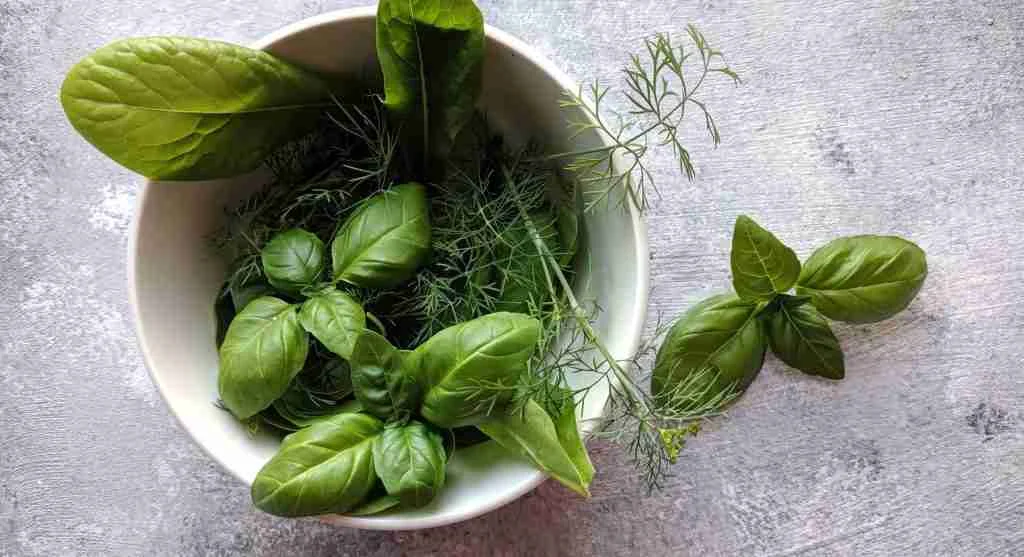
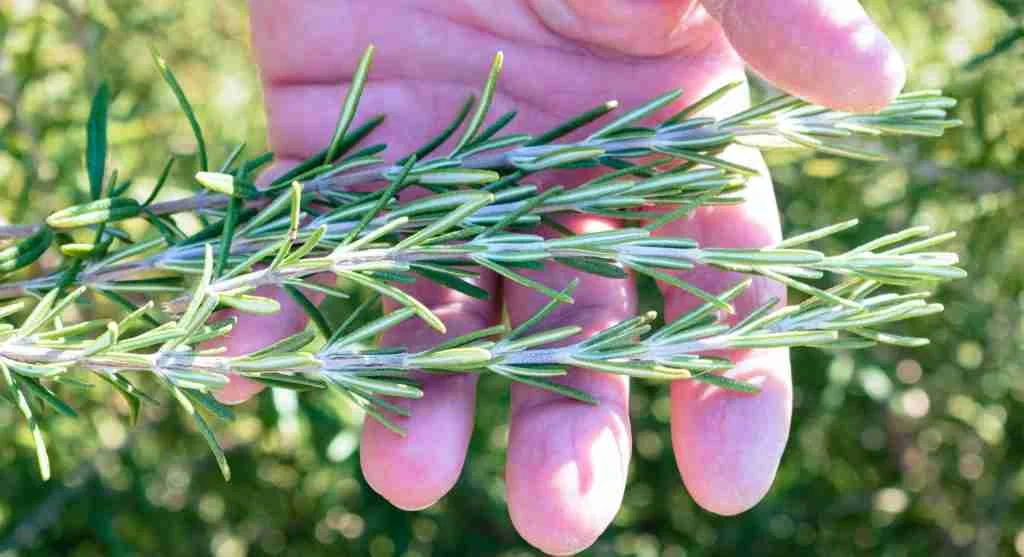
The easiest first sign is leaf condition. Fresh herbs usually look lively, reasonably crisp, and well shaped instead of dark, wet, crushed, or badly wilted. Some herbs are naturally more delicate than others, but the overall bunch should still look active rather than tired.
Stem condition also matters. A fresher bunch often still has stems that look useful instead of overly dry or collapsed. This does not mean every stem should look perfect. It means the bunch should still seem capable of contributing real freshness to the meal.
Food educators often remind home cooks that herbs are one of the quickest ingredients to lose impact after purchase. Because they are valued for brightness and freshness, small declines in condition matter a lot more than they do with sturdier vegetables.
Why do some herbs disappear into food so quickly?
Some herbs fade because the dish around them is too warm, too soft, or too strong in texture for them to stay noticeable. This is why herbs added too early can sometimes stop acting like herbs at all. They may still be present in the dish, but they no longer give the meal the lift the cook expected.
Cooking instructors often explain that this is really a timing issue. If a herb is meant to brighten the finished meal, it usually needs to arrive later. If it is meant to settle into a sauce or base, it can join earlier. The home cook gets better results once those two roles are separated clearly.
Which meals usually benefit most from fresh herbs at the end?
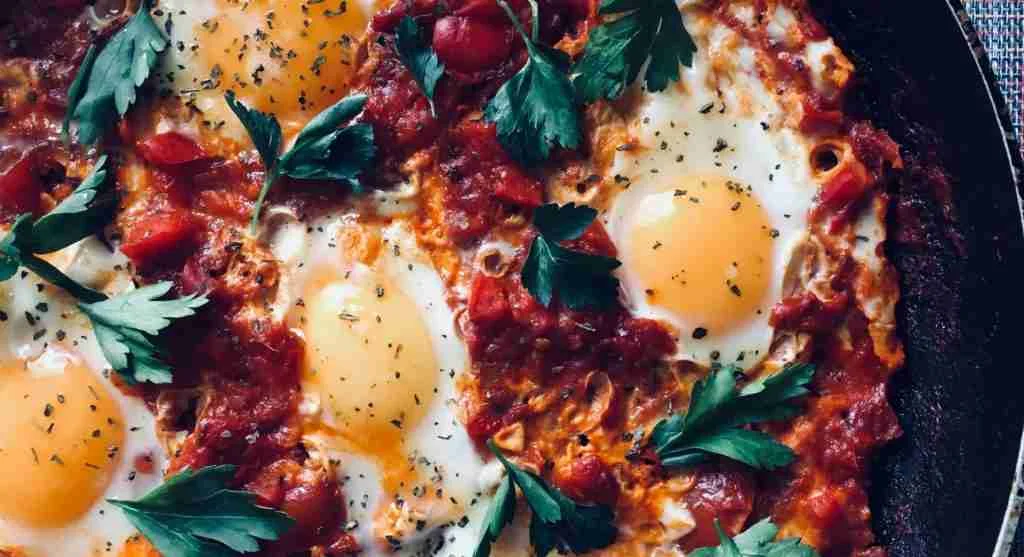
Meals that already lean soft or warm often benefit the most from a fresh herb finish. Soups, egg dishes, grain bowls, rice meals, bean dishes, pasta, yogurt-based plates, and cooked vegetable meals are all good examples. These meals often need one lighter ingredient to stop them from feeling too settled.
Fresh herbs also help no-cook plates and pantry meals feel less static. A plate of beans, crackers, yogurt, and vegetables may look practical, but a small herb finish can make it taste more deliberate. In this way, herbs often do emotional work in the meal as well as flavor work.
When should herbs be mixed in instead of scattered on top?
Some meals are better when herbs are built into the structure rather than saved for the very end. Dressings, bean salads, yogurt sauces, couscous bowls, chopped salads, and grain mixtures often benefit from herbs mixed through so the flavor is distributed more evenly. In those cases, the herb is not acting like a garnish. It becomes part of the body of the dish.
Food writers often note that herbs behave differently depending on whether they are meant to be tasted in small bursts or as part of the full bite. A scattered top layer creates one experience. A mixed-in herb creates another. Neither is automatically better. The choice depends on what the meal still needs.
Why herb size and cutting style matter
Large leaves or rough cuts may give the meal sharper bursts of freshness, while finer cuts often spread the flavor more evenly. This means cutting style can change how noticeable the herb feels. A chopped herb stirred into a salad may blend beautifully, while a more visible leaf scattered over soup can become the thing that wakes the whole bowl up.
Cooking teachers often explain that herbs should be cut with purpose rather than by habit. A large visible finish can make a meal feel lively. A finer cut may be better when the goal is gentle balance rather than contrast.
How should herbs be stored after buying them?
Storage matters because herbs are delicate and lose their best qualities quickly. Better storage often helps preserve their usefulness and makes them easier to stretch across several meals during the week. Since herbs are often used in small amounts, they are also one of the ingredients most likely to be forgotten until they have already declined.
Meal planning educators often recommend buying herbs with at least two meal ideas in mind. One bunch might support a grain bowl one day and a soup or salad the next. That small bit of planning helps reduce waste and makes herbs feel more practical rather than overly fragile.
How can fresh herbs reduce boredom in everyday meals?
One of the easiest ways to keep simple cooking from feeling repetitive is to change the final fresh element. A familiar bowl of rice and vegetables may feel very different depending on the herb used and when it is added. The same leftover meal can feel more awake and more current with only a small handful of fresh green added at the right moment.
Food educators often point out that small fresh ingredients are sometimes more useful than major recipe changes. Herbs are a strong example because they can shift the meal without forcing the cook to buy a long list of new items.
How can home cooks know when herbs will really help?
The simplest question is this: does the meal need more body, or does it need more lift? If it needs more body, herbs alone may not solve the problem. If it already has enough body and only feels a little flat or too soft, herbs often do exactly what the meal needs. Thinking of herbs this way helps home cooks use them with more purpose instead of adding them only from habit.
In many cases, herbs work best when the cook sees them as part of meal balance rather than decoration. Once that shift happens, they become much easier to use well and much less likely to fade into the background.
Frequently Asked Questions
Q: What is the easiest sign that herbs are still fresh?
A: Fresh herbs usually have lively leaves and stems that do not look dark, wet, crushed, or badly wilted.
Q: Why do herbs sometimes seem invisible in the final dish?
A: They often disappear when they are added too early or when the meal around them is too warm, soft, or heavy for them to stay noticeable.
Q: Should herbs always be added at the end?
A: Not always. Some dishes benefit from herbs mixed in, while others improve more when the herbs are saved as a final fresh layer.
Q: Can herbs really make a simple meal taste different?
A: Yes. Even a small amount can change the freshness, balance, and texture of a bowl, soup, salad, or lunch plate.
Key Takeaway
Understanding how to choose fresh herbs for cooking is really about knowing what job the herb needs to do. Some herbs are best when they brighten the very end of a meal, while others work better mixed into the structure of the dish. Freshness, timing, and cutting style all affect whether the herb lifts the plate or disappears into it. In everyday cooking, that small difference can change the entire meal.