Learning how to cook couscous is one of the most practical cooking basics for home cooks who want a quick base for bowls, side dishes, salads, and simple dinners. Couscous is popular because it cooks fast, fits many flavors, and can support vegetables, beans, herbs, and light sauces without much effort. Even so, couscous can still turn clumpy, too wet, too dry, or less useful than expected if the liquid and timing are not handled carefully.
Cooking instructors often explain that couscous is easy, but easy does not mean thoughtless. Food educators also note that the best couscous usually feels light and separate rather than packed down or overly soft. For everyday meals, that texture is what makes couscous so useful across several kinds of dishes in the same week.
Why does how to cook couscous matter in cooking basics?
Couscous is often treated as a grain that can be prepared without much attention because it cooks so quickly. That can lead to rushed measuring, poor timing, or a final texture that does not match the meal. When that happens, the bowl or side dish may feel weaker than it should, even with good toppings.
Home cooking teachers often remind beginners that simple ingredients still need structure. Couscous may cook quickly, but the final texture shapes how well it supports vegetables, beans, herbs, and lighter finishes. A better texture usually makes the whole meal easier to enjoy.
What should home cooks know before learning how to cook couscous?
Couscous changes quickly once the liquid is added, and that is one reason it can feel easy to overdo or underdo the first few times. Too much liquid can make it heavier than intended, while too little can leave it less relaxed and less useful as a meal base. Since couscous often appears in bowls, side dishes, and salads, the cook needs to think about where it is headed before beginning.
Food educators often suggest deciding early whether the couscous will be served warm as a side, used in a salad, or placed under a topping-heavy bowl. That simple decision helps the home cook aim for the right texture instead of hoping the couscous will suit every meal in the same exact way.
It also helps to measure the couscous and the liquid carefully. Because the ingredient works so quickly, small changes can affect the final result more than many people expect.
How to cook couscous step by step
Start by preparing the liquid and making sure the couscous is ready to receive it. Once the liquid is added, the couscous usually needs a short resting stage so it can absorb moisture evenly. This part matters because couscous often looks ready before it has actually settled into its best texture.
As the couscous rests, it softens and takes in the liquid. Cooking teachers often recommend letting that stage happen without rushing to stir too early. Once the couscous has had enough time to settle, it can be fluffed gently so the grains separate and feel lighter.
That final fluffing stage often makes a big difference. It helps the couscous move from a compact mass into a more useful texture for bowls, salads, and side dishes.
Why does liquid balance matter so much when learning how to cook couscous?
Liquid is one of the main reasons couscous turns out light or heavy. Too much can leave the couscous softer and more packed than the meal needs. Too little can leave it less relaxed and harder to fluff well. The goal is not only to make it edible, but to create a texture that fits the dish it is meant to support.
Food educators often explain that couscous for salads usually benefits from a lighter and more separate finish, while couscous for a warmer side dish may welcome a slightly gentler texture. Matching the liquid to the meal often improves the whole result much more than extra toppings later.
Why does resting matter after adding the liquid?
Resting is one of the most important parts of the process because couscous often finishes itself through quiet absorption rather than long cooking. If that stage is cut short, the texture may feel less even and harder to fluff. If the couscous is given enough time, the final bowl usually becomes much easier to handle.
Cooking instructors often note that the rest is not a pause that can be ignored. It is part of the actual method. The better that resting stage goes, the more useful the couscous becomes in the final dish.
What common mistakes affect cooked couscous?
One common mistake is using too much liquid and ending up with couscous that feels heavier than intended. Another is stirring too early and compressing the texture before it has settled properly. Some home cooks also forget to fluff the couscous at the end, which can leave it clumped and less pleasant in bowls or salads.
Food educators often remind beginners that couscous is not difficult, but it still responds to care. A little attention to measuring, resting, and fluffing usually improves the result more than adding more ingredients later.
How can cooked couscous be used in everyday meals?
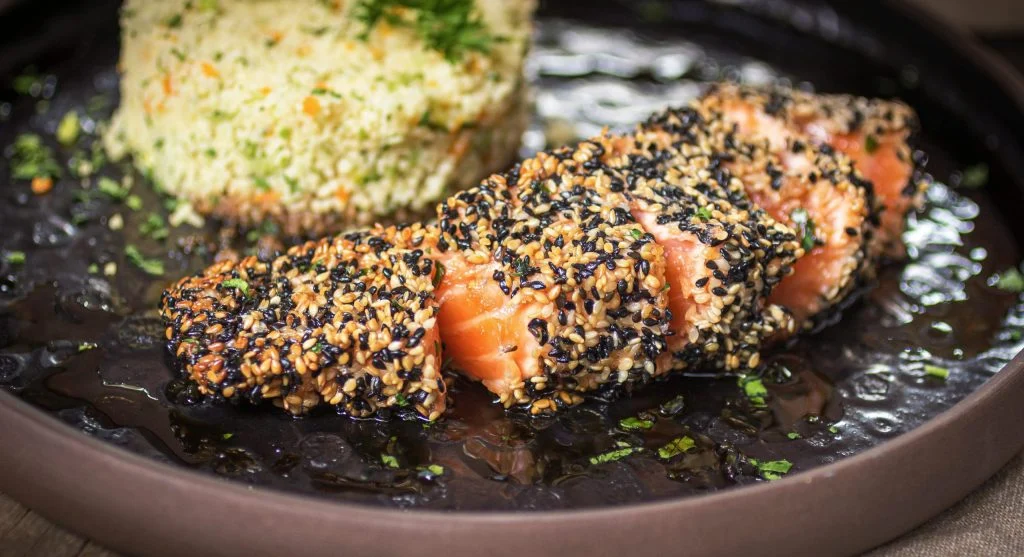
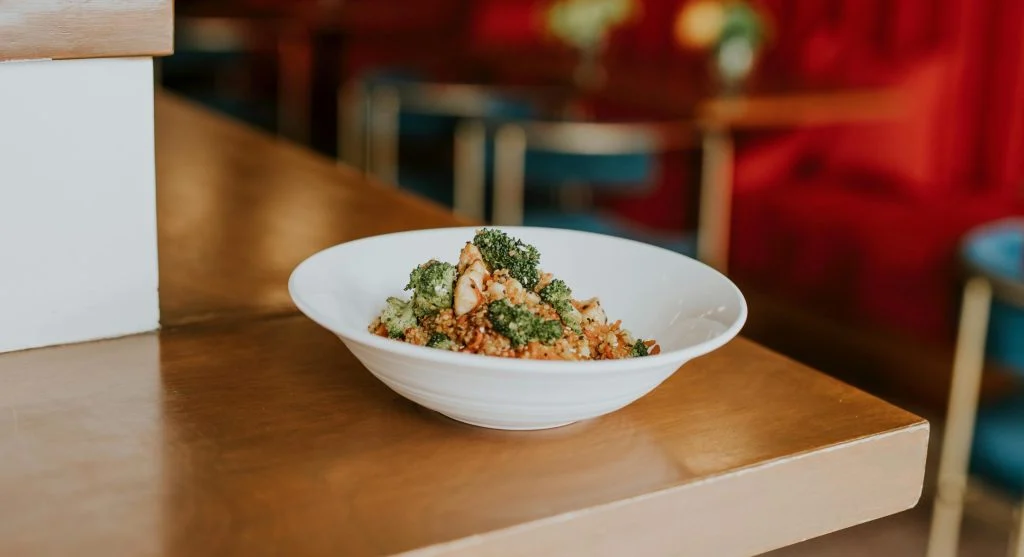
Cooked couscous works well in bowls, salads, side dishes, lunch plates, and meals built around vegetables, beans, herbs, and lighter sauces. Its soft but separate texture can make a meal feel steady without becoming too heavy. This makes couscous especially useful for home cooks who want a quick base that still feels flexible.
Meal planning educators often recommend ingredients that can support more than one kind of meal across the week. Couscous fits that role well because one prepared batch can become a side one day and a lunch bowl the next with very little extra effort.
How can home cooks tell when couscous is ready?
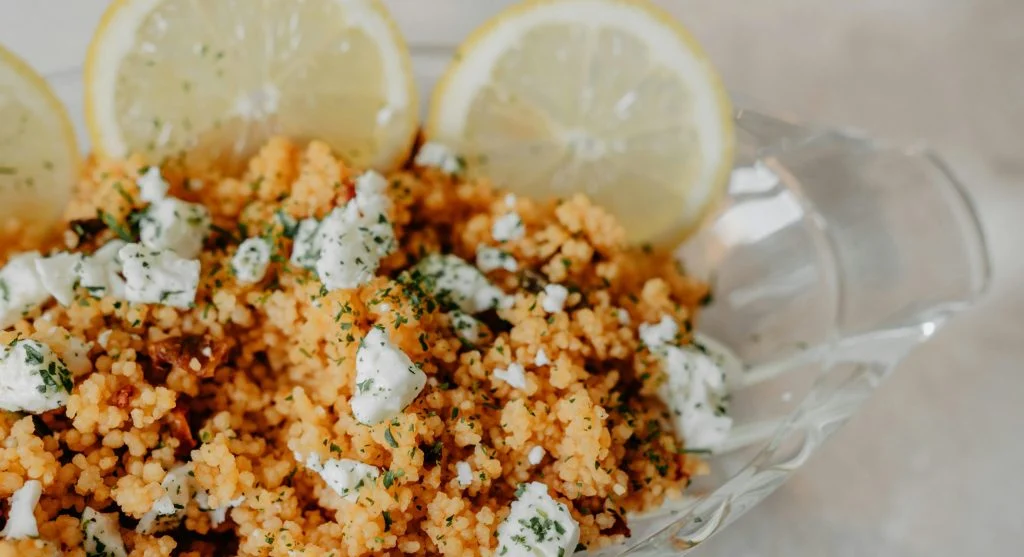
The best guide is texture. Couscous should feel tender and light enough to separate easily while still holding together as a useful base. Since different meals need slightly different finishes, the right point is often the one that matches the final dish rather than one fixed look every time.
Cooking teachers often explain that couscous becomes easier to trust once the home cook stops thinking of it as automatic. The best result usually comes from noticing how the texture suits the meal it is meant to support.
Frequently Asked Questions
Q: What is the most important part of learning how to cook couscous?
A: Texture is one of the most important parts. Couscous should feel light and separate enough to match the final meal, whether that is a salad, side dish, or bowl.
Q: Why does couscous sometimes turn clumpy?
A: Couscous often turns clumpy when it gets too much liquid, is stirred too early, or is not fluffed properly after resting.
Q: Can couscous become too soft?
A: Yes. Couscous can become softer than intended if the liquid balance is too high or if the final texture needed for the meal was not considered from the start.
Q: Is couscous useful for meal prep?
A: Yes. Couscous works very well in bowls, salads, and side dishes, which makes it practical across several meals in the same week.
Key Takeaway
Learning how to cook couscous helps home cooks build more reliable bowls, salads, and side dishes with one of the quickest and most flexible everyday ingredients. The best results usually come from careful liquid balance, enough resting time, and gentle fluffing at the end. Because couscous fits so many kinds of meals, getting the texture right makes a noticeable difference across the week. For everyday cooking basics, it is one of the most practical ingredients to understand well.