Learning how to choose fresh broccoli can improve many everyday meals because broccoli appears in so many practical dishes. It can be roasted, steamed, stirred into pasta, added to grain bowls, folded into soups, or served as a simple side. When broccoli is fresh, it usually cooks more evenly, keeps better texture, and tastes cleaner and more balanced on the plate.
Fresh ingredient educators often explain that broccoli is one of the vegetables where small changes in freshness show up quickly. A strong head of broccoli can feel lively and useful across several meals, while older broccoli may soften too fast, lose color, or develop a less appealing texture. For home cooks, better selection at the start can make weeknight cooking much easier.
Why does how to choose fresh broccoli matter so much?
Broccoli often plays more than one role in a meal. It may add structure to a grain bowl, freshness to a pasta dish, or body to a side plate. When the broccoli is fresh, it usually keeps enough firmness to support those roles. When it is older, the florets may break down too quickly and the stems may become tougher or less useful than expected.
Cooking instructors often note that broccoli is especially noticeable because both its appearance and texture matter. A dull or tired head can make a simple meal feel less fresh right away. This is why choosing better broccoli at the store often matters more than people first assume.
What should home cooks look for when learning how to choose fresh broccoli?
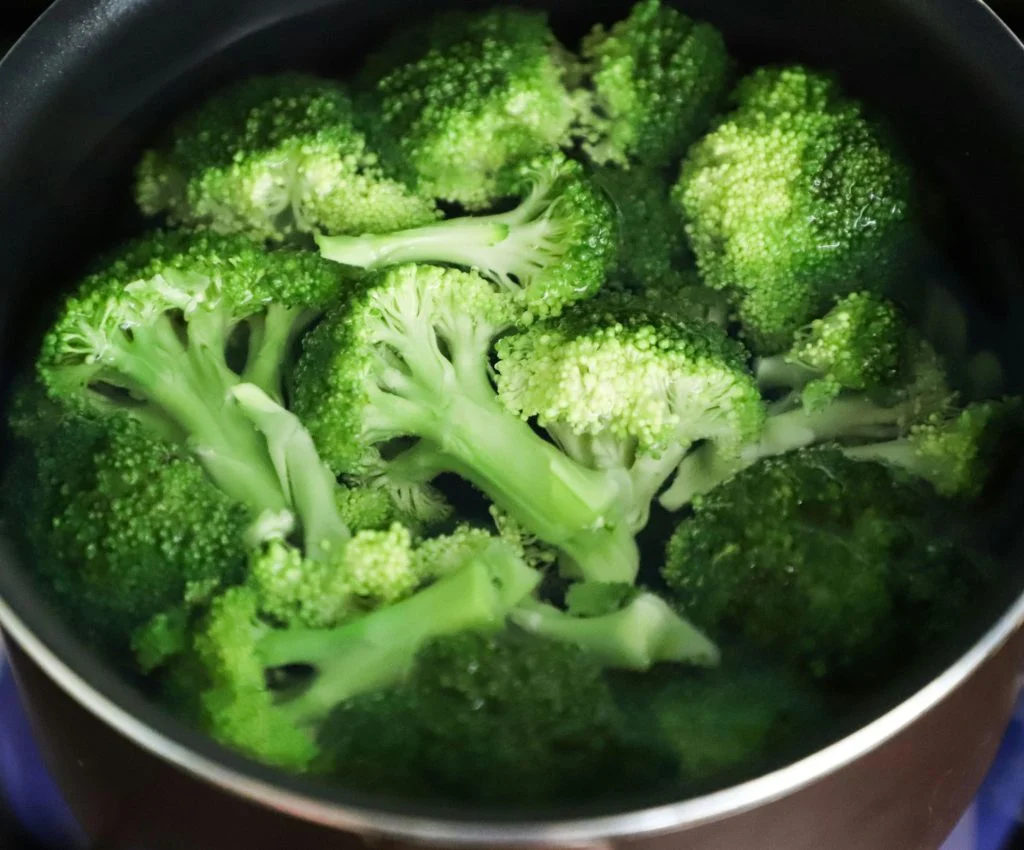
Color is one of the easiest first signs. Fresh broccoli usually looks rich and lively rather than faded, yellowing, or dry. The florets should appear tight enough to feel fresh and not overly open or soft. Small natural variation is normal, but the overall head should still look healthy and strong.
Firmness matters too. A fresh broccoli head should usually feel solid and not floppy in the stem or crown. The stem should not seem dried out or weak, and the florets should stay attached without crumbling too easily. Fresh ingredient specialists often recommend choosing broccoli that still feels sturdy in the hand rather than light or tired.
Size can matter depending on the meal, but freshness is usually more important than size alone. A medium head with strong color and tight florets often serves everyday cooking better than a larger head that already looks like it is losing quality.
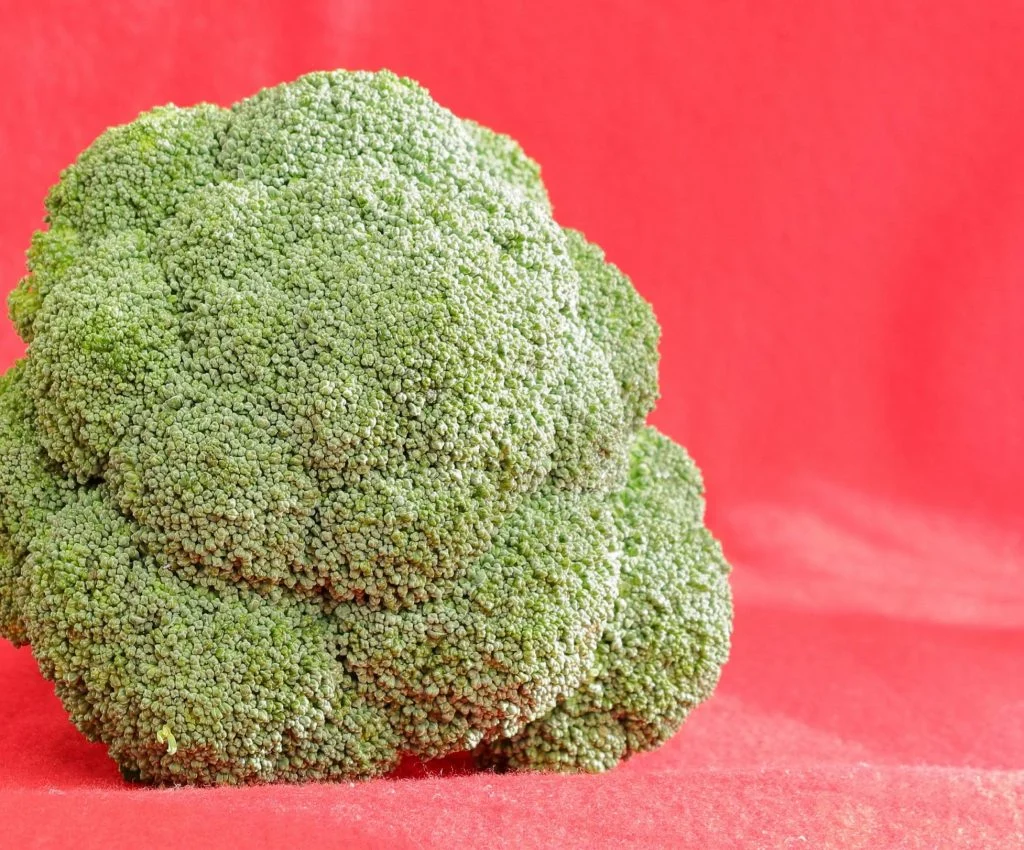
What do broccoli florets reveal about freshness?
The florets are often the clearest visual clue. Fresh broccoli usually has tighter buds that still look compact and lively. If the head is becoming older, the florets may look looser, softer, or begin shifting toward yellow. This often suggests the broccoli will not hold its best texture much longer.
Food educators often explain that broccoli is at its most useful when the florets still feel closely packed. That compact structure usually supports better texture whether the vegetable is steamed, roasted, or added to quick meals later in the week.
Does the stem matter when deciding how to choose fresh broccoli?
Yes. The stem helps show how recently the broccoli was handled and how much moisture it may have lost. A fresher stem often feels firm and looks less dried out. A stem that looks heavily woody, cracked, or tired may suggest the head is already moving past its best point.
Cooking teachers often remind home cooks not to ignore the stem because it is part of the usable vegetable. In many meals, a good stem can be peeled and cooked along with the florets, which adds value and helps reduce waste.
How should broccoli be stored after buying it?
Storage affects broccoli quickly because it can lose freshness faster than sturdier vegetables. Broccoli usually benefits from conditions that protect it from drying out too quickly without trapping too much damaging moisture around the head. Fresh ingredient experts often recommend checking it soon after bringing it home so any early yellowing or softening can be noticed.
It also helps to buy broccoli with a rough plan in mind. Since it works in so many meals, that plan can be very simple. A head may support one dinner, one lunch bowl, and one quick side dish over a few days. This kind of planning often reduces waste while keeping the broccoli in better condition.
Once broccoli is cut, it may lose quality faster than when whole. That is why many home cooks trim it closer to cooking time when possible, especially if the goal is to keep the florets firm and appealing.
How can cooking with broccoli reduce waste?
Broccoli is useful because it moves easily across different meal styles. One head may be steamed beside dinner, roasted into a grain bowl, stirred into pasta, or folded into soup later in the week. This flexibility makes it easier to use fully instead of buying it for only one specific recipe.
Meal planning educators often recommend vegetables that can work in more than one cooking method. Broccoli is a strong example because it adapts well to quick weeknight meals while still feeling distinct in the finished dish. That makes it especially practical in an everyday kitchen.
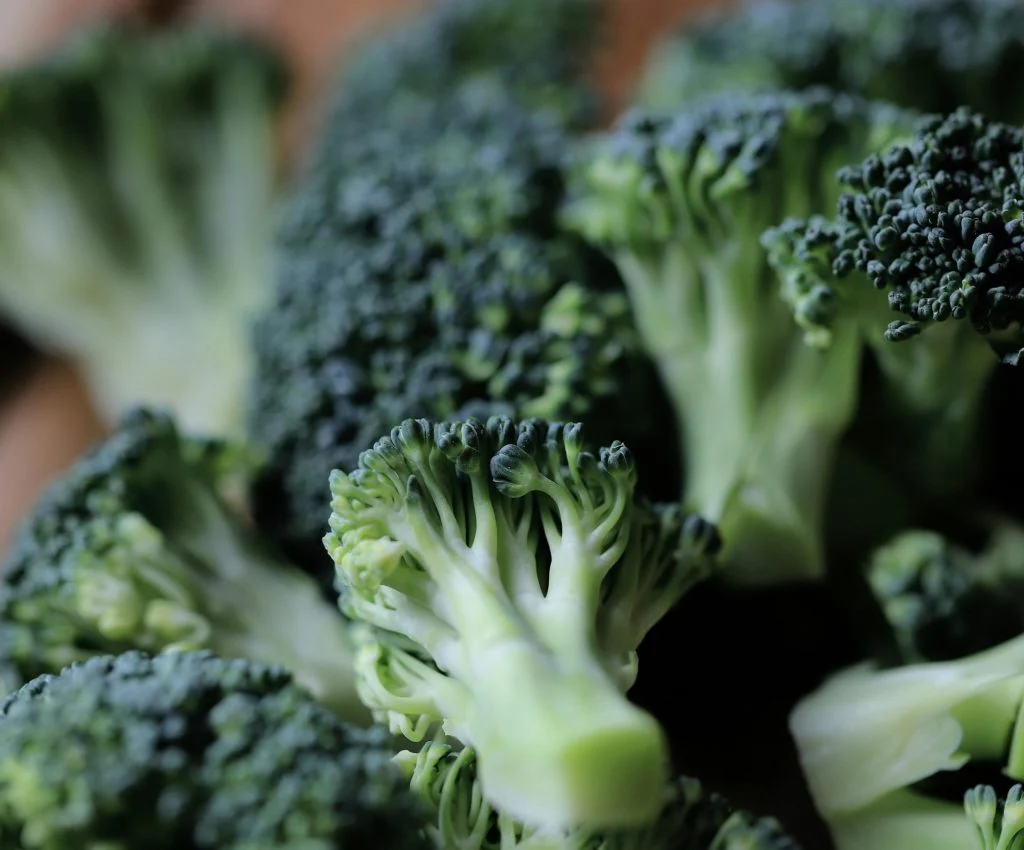
When should broccoli be added during cooking?
Timing depends on the method and the size of the pieces. Broccoli often needs enough time to turn tender but not so much that it loses all of its structure. In quick meals, this can matter a lot because overcooked broccoli may weaken the whole dish. In lighter meals, fresher broccoli often keeps the clearer texture that makes it useful in the first place.
Cooking instructors often explain that better broccoli gives home cooks more control. A fresher head is easier to steam, roast, or stir into meals without the texture slipping too quickly from balanced to overly soft.
How to choose fresh broccoli without overbuying
The most practical shopping habit is to match broccoli to two or three likely meals. A cook may plan it for a pasta dish, a grain bowl, and a simple side, for example. This helps the broccoli get used while it still feels strong and useful instead of sitting too long and losing quality.
Fresh ingredients are easiest to manage when they are connected to real kitchen habits. One good head of broccoli often serves the meal plan better than buying extra and watching it yellow before it can be used well.
Frequently Asked Questions
Q: What is the easiest sign of fresh broccoli?
A: Fresh broccoli usually has rich color, tight florets, and a firm stem. It should not look yellowing, loose, or soft.
Q: Do yellow spots always mean broccoli is bad?
A: Not always, but yellowing often suggests the broccoli is moving past its best stage. It may still be usable, though it may not have the same freshness or texture.
Q: Does the stem matter when shopping for broccoli?
A: Yes. A firm, healthier-looking stem can be a useful sign of freshness and is also part of the vegetable that can often be cooked and used.
Q: Can broccoli work in more than one kind of meal?
A: Yes. Broccoli can be used in pasta dishes, bowls, soups, roasted trays, and side dishes, which makes it practical across the week.
Key Takeaway
Learning how to choose fresh broccoli helps home cooks get better texture, cleaner flavor, and more value from one of the most useful everyday vegetables. Tight florets, strong color, a firm stem, and smart storage all affect how well broccoli will perform in simple meals. Because broccoli works across so many dishes, choosing it well can reduce waste and improve weeknight cooking. For everyday meals, one strong head of broccoli can go a long way.