Fresh ingredient educators often explain that radishes are one of the clearest examples of a vegetable chosen more for effect than for bulk. They do not usually carry the meal on their own. Instead, they sharpen it. That is why freshness matters so much. A crisp, lively radish can wake up soft grains, gentle beans, yogurt-based meals, and egg dishes. A tired radish does far less.
Why does how to choose fresh radishes matter so much?
Radishes are often added to meals that already have enough body but not enough contrast. A grain bowl may feel too soft. A lunch plate may seem too calm. A salad may need a more defined bite. Radishes are useful in all of those situations because they can change the pace of the meal very quickly. But that only works when they still have the freshness and firmness that make them worth adding in the first place.
Cooking instructors often point out that ingredients chosen for crunch must still feel alive before cooking or slicing begins. Radishes are a strong example because they are rarely used to disappear into a dish. They are used to stand out a little. If their best texture is already gone, the meal loses some of the reason for using them at all.
What should home cooks look for when choosing fresh radishes?
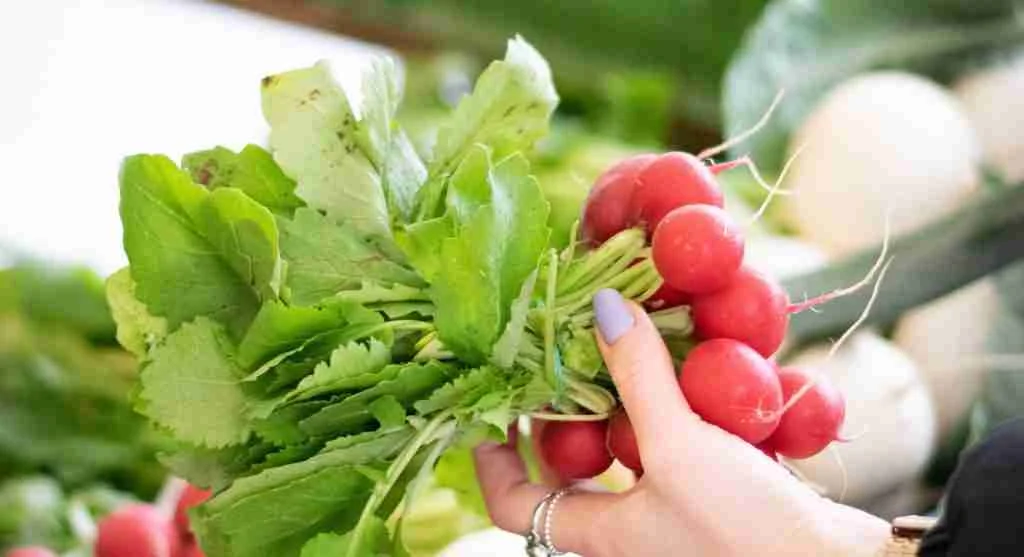
The first thing to notice is firmness. Fresh radishes usually feel tight, solid, and lively rather than soft, hollow, or tired. Since radishes are meant to bring bite and structure, this one quality matters a great deal. A firmer radish usually has a better chance of giving the meal the crispness the cook is expecting.
Surface condition also matters. Fresh radishes often look smooth, clean, and reasonably bright rather than wrinkled or worn. Small marks can happen naturally, but the radish should still look active overall instead of as though it has been sitting too long. Because radishes are such a texture-driven ingredient, even a small decline in quality can change how useful they are.
If the greens are still attached, they can offer clues too. Fresh-looking greens often suggest the radishes were handled more recently, while tired greens can signal that the whole bunch may already be moving away from its best stage.
Why does radish size change the way it behaves in meals?
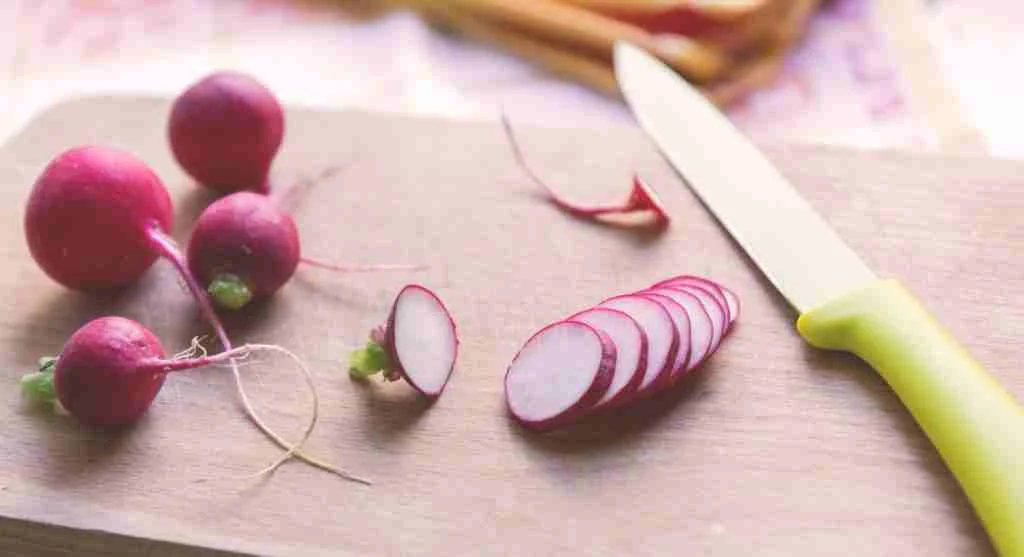
Size can affect both texture and how noticeable the radish feels once it is sliced. Smaller radishes may feel more delicate and easier to scatter through salads or bowls. Larger ones may create a stronger crunch or a more obvious presence, depending on how they are cut. The best choice usually depends on the kind of meal being built rather than size alone.
Food educators often explain that shopping for produce works best when the final use is already in mind. A lunch salad may need one kind of radish. A toast plate or grain bowl may need another. This kind of thinking usually leads to better ingredient choices and less waste later in the week.
How should fresh radishes feel before they are cut?
Fresh radishes should generally feel like they still have tension in them. They should not seem loose or weak in the hand. That inner tightness usually shows up later as better crunch once they are sliced. Because radishes are rarely chosen for softness, their physical feel before cutting tells the cook a lot about whether they are worth buying.
Fresh ingredient specialists often say that radishes should feel ready to interrupt a meal. That may sound unusual, but it fits their role very well. They are there to break up softness, not to blend quietly into it.
How should radishes be stored after buying them?
Storage matters because radishes can lose their best crispness faster than some sturdier vegetables. Better storage helps preserve the bite that makes them useful in the first place. It also makes them easier to stretch across several meals instead of feeling as though they need to be used all at once.
Meal planning educators often recommend buying radishes with at least two uses in mind. One batch might support salads and grain bowls early in the week, then later appear on toast plates or lunch spreads. This kind of planning reduces waste and helps the radishes get used while they still offer real texture.
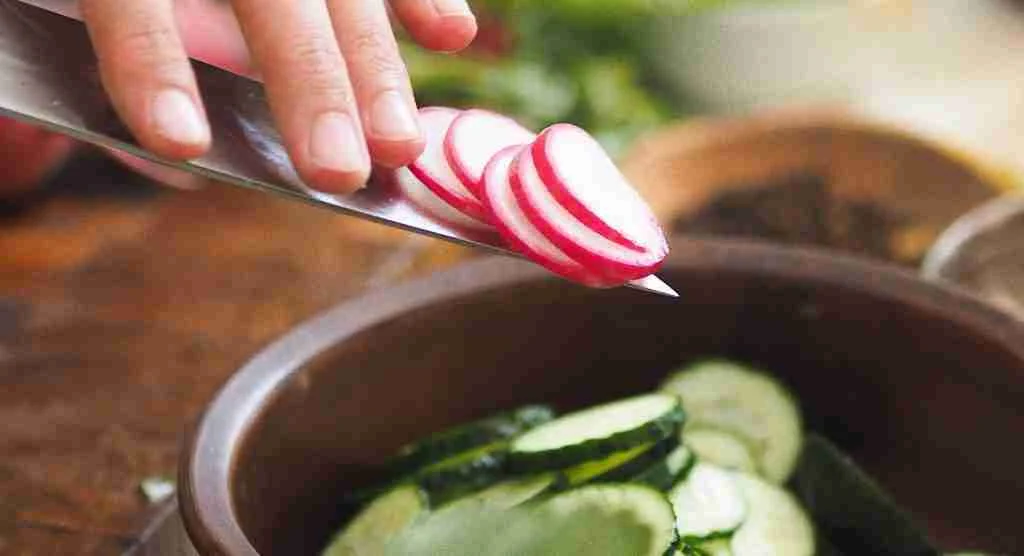
It can also help to wait until closer to serving time before slicing them. This often preserves more of their best crunch and keeps them feeling more like a fresh final touch instead of a prepared ingredient that has been sitting too long.
What kinds of meals benefit most from fresh radishes?
Radishes are especially useful in meals built from softer ingredients. Grain bowls, bean dishes, egg plates, yogurt-based lunches, sandwiches, salads, and toast meals can all benefit from a sharper, crisper vegetable that changes the rhythm of each bite. Radishes often do that with very little effort and in a very small amount.
Home cooking teachers often note that simple meals become more satisfying when one ingredient changes the overall feel instead of only adding more volume. Radishes are a strong example because they bring contrast rather than heaviness.
Why do radishes reduce boredom in everyday meals?
Many practical meals rely on the same soft or warm ingredients again and again. That can make everyday cooking feel repetitive even when the food is good. Radishes help because they bring a different kind of energy. A few slices can make a familiar bowl or plate feel more awake without requiring a whole new recipe or another major grocery trip.
Food writers often point out that freshness is not always about adding a large new ingredient. Sometimes it comes from using a small ingredient with enough bite to change how the whole meal feels. Radishes do that especially well.
How can home cooks avoid wasting radishes?
The easiest method is to buy them with a job already in mind. If the cook already knows they will be used in two or three meals, the radishes are much less likely to sit in the refrigerator until they lose their best texture. A smaller amount of fresher radishes often serves the kitchen better than a large bunch that declines before it gets properly used.
Cooking educators often remind home cooks that waste is not only about throwing food away. It is also about using an ingredient after its best qualities are already gone. With radishes, that best quality is usually the crunch.
Frequently Asked Questions
Q: What is the easiest sign of fresh radishes?
A: Fresh radishes usually feel firm and look smooth and lively rather than soft, wrinkled, or tired.
Q: Do radish greens matter when shopping?
A: Yes. If the greens are still attached, fresher-looking greens can be a useful clue that the radishes were handled more recently.
Q: Why are radishes so helpful in simple meals?
A: They add crunch, brightness, and contrast, which can improve bowls, salads, toast meals, and lunch plates built from softer ingredients.
Q: Should radishes be sliced early or closer to serving time?
A: In many cases, closer to serving time is better because it helps preserve more of their best crispness.
Key Takeaway
Learning how to choose fresh radishes helps home cooks get more crunch, more brightness, and more value from a small but powerful ingredient. Firmness, surface condition, attached greens, and smart storage all affect how well radishes perform in everyday meals. Because they are often used to bring contrast, freshness matters especially much. In practical home cooking, a really good radish can change the whole feel of a simple meal.