Cooking educators often explain that a stronger soup dinner depends less on complexity and more on contrast. A bowl needs enough body to feel like a meal, enough texture to stay interesting, and one final note that keeps it from tasting flat. Once home cooks start thinking that way, even very simple soups become much more useful for everyday dinners.
Why do simple soup dinners sometimes feel incomplete?
Many soups are built well enough to be enjoyable but not well enough to carry a whole meal on their own. A bowl can be warm and comforting and still leave the eater wanting something more. Sometimes it needs a little more structure. Sometimes it needs a fresh contrast. Sometimes it only needs a better final finish instead of more ingredients in the pot.
Home cooking teachers often say that soup becomes dinner when the bowl has enough rhythm. That means not every bite should feel identical, and the meal should not depend on warmth alone to feel satisfying.
1. Let the soup have one clear identity
One of the most useful cooking tips for simple soup dinners is to keep the bowl focused. A soup usually feels stronger when one main idea leads the pot instead of several competing ingredients trying to share the center. This might be a vegetable, a bean, a grain, or a broth style, but the bowl often tastes better when its direction is clear.
Cooking instructors often explain that simple soups work best when the eater can understand them quickly. A more focused soup often feels calmer and more complete than one trying to do too many things at once.
2. Think about what the spoon keeps meeting
Soup is different from many other meals because it is experienced spoon by spoon. If every spoonful feels the same, the dinner can lose interest quickly. A few changes in texture or ingredient size can help the bowl stay more engaging from start to finish.
Food writers often note that soups feel better when some spoonfuls bring more broth, some bring more body, and some catch a fresher topping or a chunk with more texture. This small variation often matters more than adding another seasoning.
3. Soft soups often need one thing that is not soft
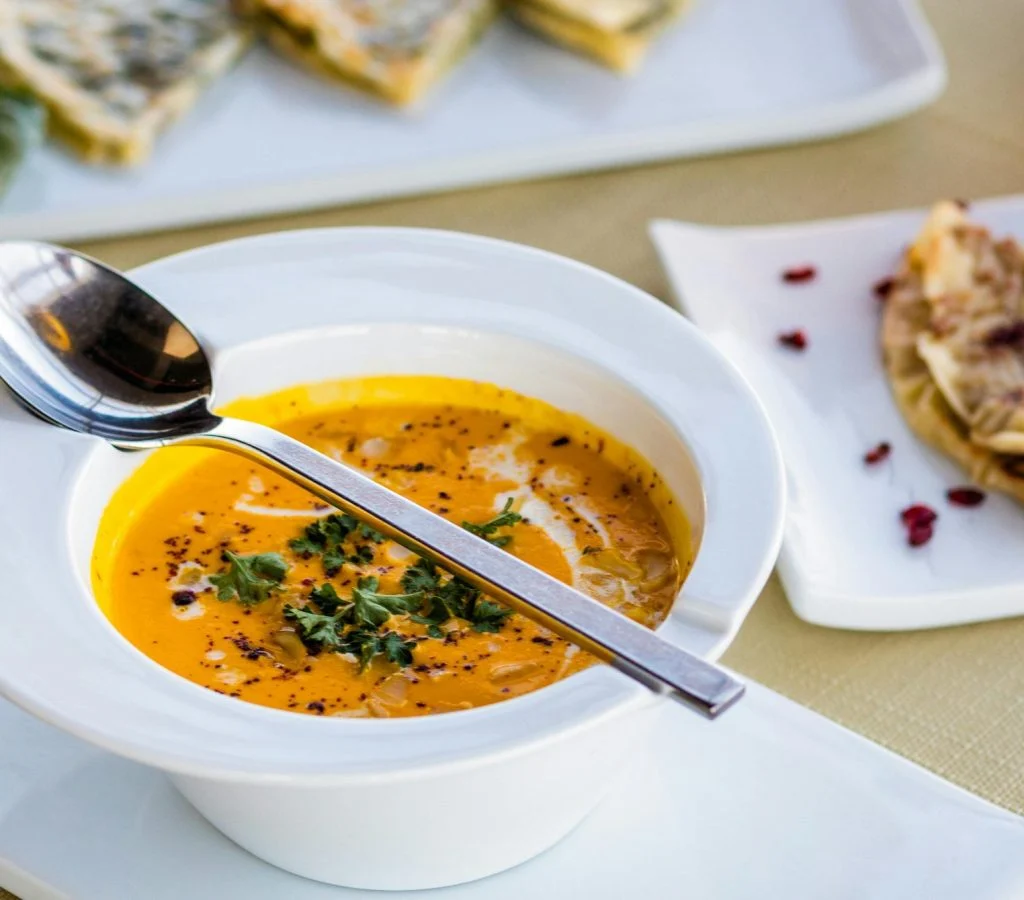
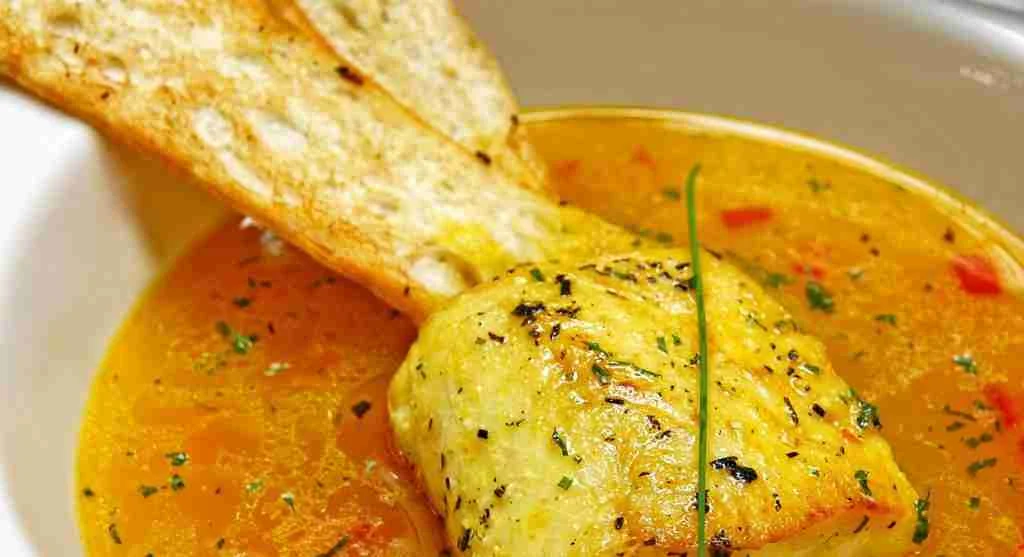
Many soup dinners lean almost entirely into softness. Soft vegetables, soft beans, soft grains, and a smooth broth can taste comforting but still become repetitive. One ingredient with a little more bite can change that. This might be toast, seeds, herbs, crisp vegetables, or another topping that creates more contrast without disrupting the bowl.
Fresh ingredient specialists often explain that contrast is especially important in soup because the base is already so unified. A little interruption can make the whole dinner feel more awake.
4. A small side can matter as much as the soup
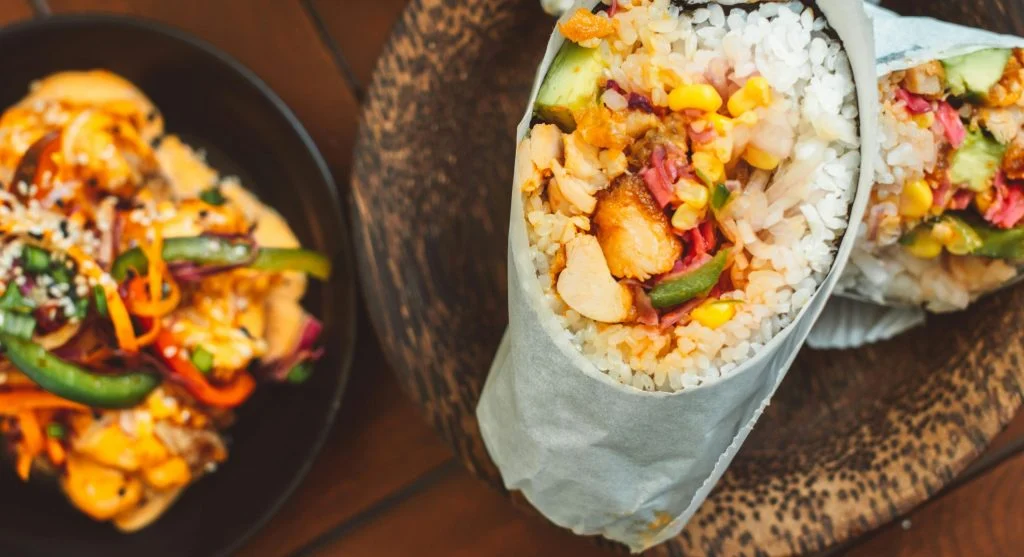
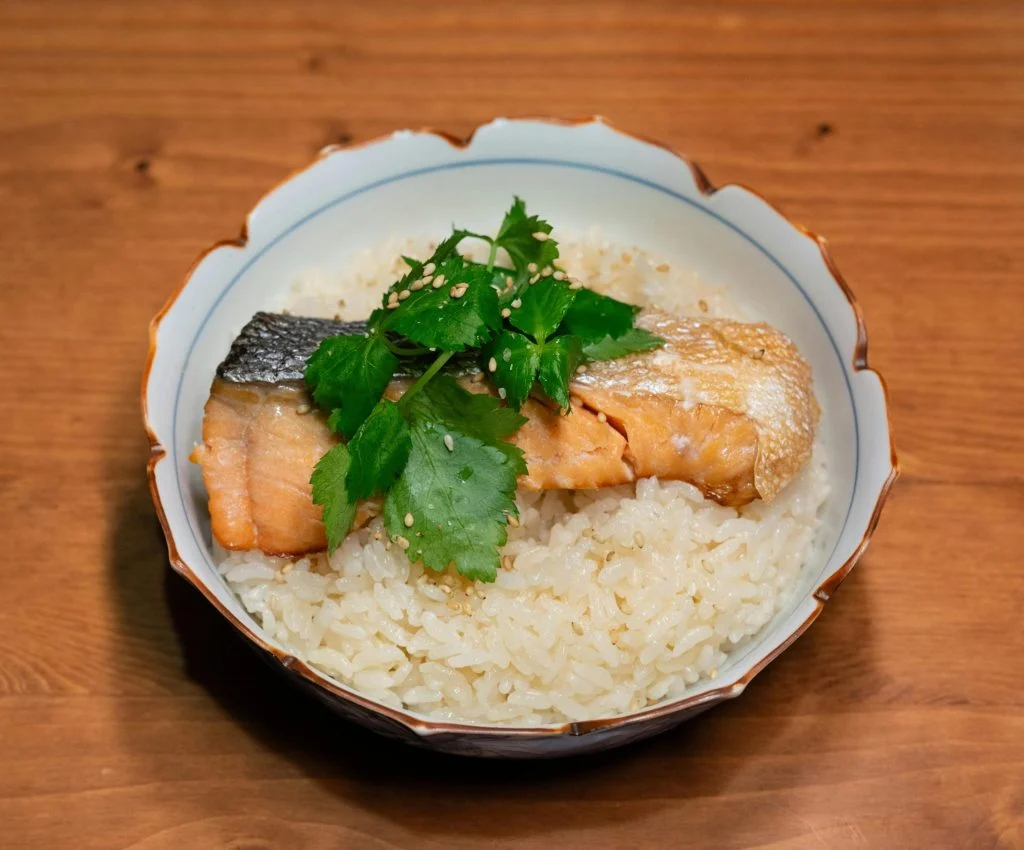
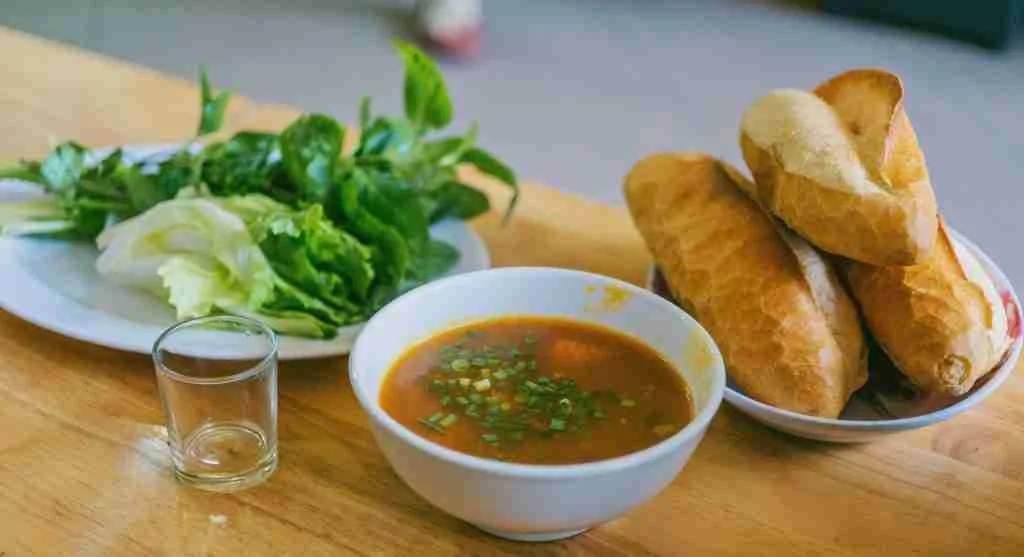
Some soup dinners improve not because the pot changes, but because the bowl is paired with the right support. Bread, toast, grains, or a very simple side can help the meal feel more settled without making it heavy. The key is choosing something that supports the soup instead of competing with it.
Meal planning educators often recommend deciding early whether the soup is the full dinner or the center of a slightly larger meal. That one decision usually prevents the bowl from reaching the table feeling pleasant but incomplete.
5. Freshness at the end can do more than longer cooking
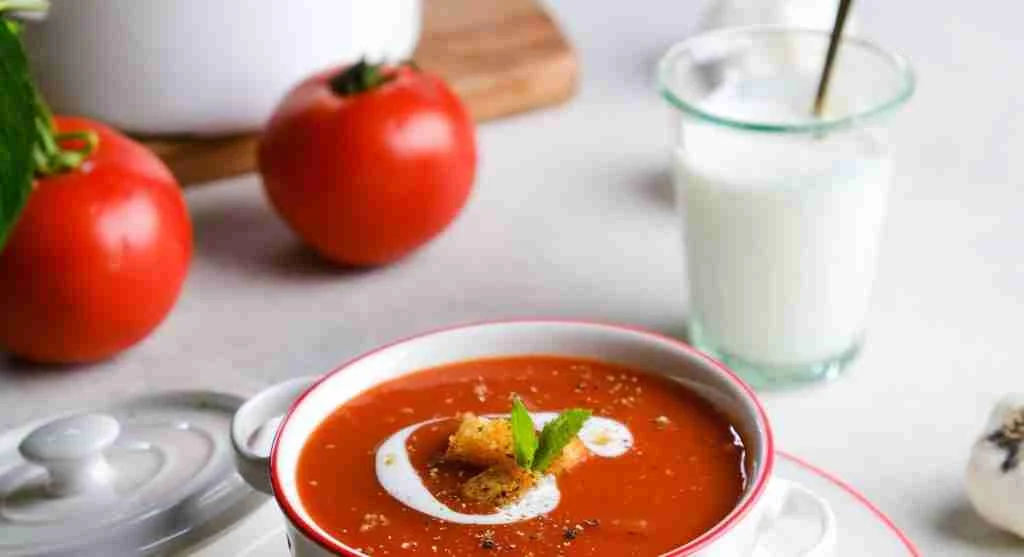
Many home cooks respond to a dull soup by thinking it needed more simmering time. Sometimes it did not. Sometimes it only needed a fresher finish. Herbs, citrus, yogurt, greens, or a little pepper can give the bowl a clearer final note without changing the whole pot.
Cooking teachers often describe this as the “late lift.” The soup may already be cooked well. What it needs is something that wakes it up right before serving.
6. Do not let the broth carry all the work alone
A broth can be flavorful and still not be enough to make dinner feel complete. This happens when the solids in the bowl do not contribute enough texture or body. A stronger soup usually shares the work between the liquid and the ingredients inside it. The broth supports the bowl, but the other parts help make it feel like a full meal.
Food educators often explain that soup dinners are best when the eater notices the whole bowl, not only the liquid. That is what gives the meal more staying power and more interest.
7. Temperature contrast can make soup feel more alive
It may sound unusual, but some soup dinners improve when one element is not the exact same temperature as the bowl. A cool yogurt finish, fresh herbs, or crisp vegetables added at the end can create a more layered experience. This is especially useful in soups that might otherwise feel too even from the first spoonful to the last.
Home cooking teachers often point out that temperature contrast is one of the easiest ways to make a simple bowl feel more deliberate. A tiny cool element can change the pace of the whole dinner.
8. Finish the meal, not just the bowl
The strongest soup dinners often feel complete because the cook thought beyond the pot. The finish matters, but so does the way the bowl arrives at the table. A strong garnish, the right side, and one last detail of freshness can make the whole meal feel planned instead of merely served.
Food writers often say that soup dinners become more memorable when the last step treats the meal like dinner rather than only hot food in a bowl. That final thought often makes a very noticeable difference.
How can home cooks improve soup dinners without making them harder?
The easiest way is to stop asking only whether the soup tastes good and start asking whether the meal feels complete. A clear soup identity, one contrasting texture, one fresh finishing element, and the right support on the side can often do more than adding five more ingredients to the pot.
Cooking educators often remind home cooks that simple dinners usually become stronger through balance, not through complication. Soup is one of the clearest examples of that rule.
Frequently Asked Questions
Q: Why do some soup dinners feel unsatisfying even when the soup tastes good?
A: They often need more texture, more body, or a better finishing contrast to feel like a full meal rather than only a pleasant bowl.
Q: Does every soup dinner need bread or a side?
A: Not always, but many simple soups feel more complete with a small supporting element that adds structure or contrast.
Q: Why does a garnish matter so much in soup?
A: A garnish can add freshness, texture, or brightness, which helps the bowl feel more lively and more finished.
Q: Can a very simple soup still feel like dinner?
A: Yes. A simple soup can feel like dinner when the meal has enough body, contrast, and a thoughtful finish.
Key Takeaway
These cooking tips for simple soup dinners show that better bowls often come from contrast, structure, and finishing choices rather than from bigger recipes. A soup with a clear identity, one ingredient that breaks up softness, and a fresh final note usually feels much more complete. Add the right support on the side, and a simple bowl can become a very satisfying dinner. In everyday cooking, that small shift can make soup much easier to rely on.