Ricotta toast dinners work because they sit in the sweet spot between snack and proper meal. Ricotta brings softness and richness, toast adds structure, and the rest of the plate can move in many directions depending on what is already in the kitchen. With the right toppings, a very simple toast can feel like dinner instead of an emergency backup plan.
Food educators often explain that easy meals do not fail because they are too small. They fail because they are unbalanced. Ricotta toast can solve that problem when it is built with contrast. The creamy base needs something crisp, something fresh, or something warm enough to give the plate more direction. That is why these meals often feel much stronger than their short ingredient lists suggest.
Why do ricotta toast dinners work so well on busy nights?
Many easy dinners become repetitive because they rely on the same bowl or skillet structure every time. Ricotta toast changes the format without demanding much more effort. It uses bread as the base, which creates instant shape, and that makes the toppings feel more intentional from the beginning.
Home cooking teachers often describe toast dinners as “fast assembly meals with real structure.” That idea fits ricotta especially well. It spreads easily, works with both warm and cool toppings, and helps simple vegetables or leftovers feel more complete once they land on the plate.
1. Ricotta and roasted tomatoes create one of the most reliable ricotta toast dinners
This combination works because the ricotta softens the acidity of the tomatoes while the toast keeps the whole meal grounded. Roasted tomatoes add depth instead of only freshness, which makes the dinner feel fuller and more settled than a cold topping alone. A little herb finish can turn the whole plate into something that tastes much more thought through.
Cooking instructors often recommend roasted toppings on ricotta because the contrast between soft cheese and deeper cooked vegetables creates a more complete bite. This is especially helpful when the rest of dinner is built from only two or three ingredients.
2. Greens can make ricotta toast dinners feel lighter without making them smaller
Ricotta is gentle and creamy, so greens often give the plate the freshness it needs. A handful of dressed greens, wilted spinach, or herbs scattered generously over the top can stop the dinner from feeling too soft. This is one of the easiest ways to make the meal feel balanced without adding another heavy component.
Fresh ingredient educators often note that greens do not only add color. They also change the speed of the meal. The plate starts feeling cleaner and more active, which matters a lot in simple dinners built around bread and cheese.
3. Crisp vegetables help ricotta toast stay interesting from first bite to last
Some toast dinners start well but become dull halfway through because every bite feels the same. Crisp vegetables fix that quickly. Cucumbers, radishes, shaved carrots, or thin pepper slices can all add movement to the plate and make the ricotta feel more useful instead of just soft.
Food writers often point out that repetitive texture is one of the main reasons quick meals disappoint. A crunchy topping can often do more for the plate than another sauce or another warm component.
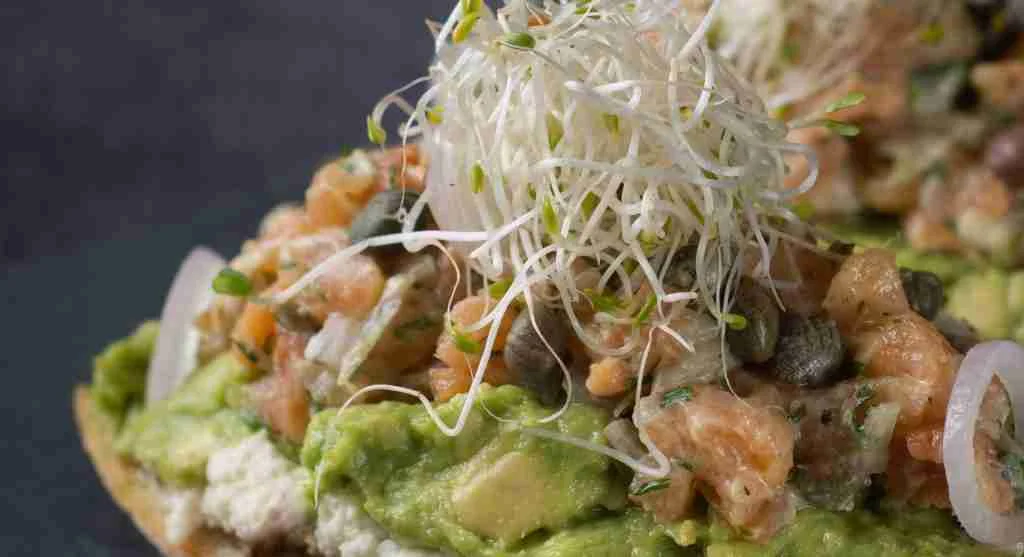
4. Ricotta toast dinners can also work with warm mushrooms or beans
Ricotta does not have to stay on the lighter side of the plate. It can also support a more grounded topping such as mushrooms or beans, especially when dinner needs more substance. In these meals, the ricotta acts almost like a soft bridge between the toast and the topping, helping the whole bite feel more unified.
Meal planning educators often recommend combinations like this because they let the cook move a simple ingredient in two directions at once. The ricotta keeps the toast from feeling dry, while the warm topping gives the meal enough body to feel like dinner.
5. The bread decides more than many people realize
In ricotta toast dinners, the bread is not just a surface. It affects whether the whole meal feels satisfying or flimsy. Bread that is too soft may collapse under the toppings. Bread that is too hard may make the meal tiring to eat. The best result usually comes from toast with enough structure to hold the ricotta well while still staying pleasant under softer ingredients.
Cooking teachers often explain that the bread should support the meal, not fight with it. Since ricotta is creamy and many toppings are tender, the toast often needs to bring just enough strength to hold the whole plate together.
6. A finishing touch can shift the dinner from plain to memorable
Ricotta itself is mild, which gives it flexibility but also means the dinner often needs one final ingredient to sharpen the plate. Pepper, herbs, citrus, seeds, or a small drizzle of something bright can all help. These are not large additions, but they often decide whether the meal feels finished.
Food educators often say that simple meals need one clear final note. In ricotta toast dinners, that final note is especially important because the base is intentionally soft and understated.
7. Ricotta toast dinners are easiest when built from a repeatable pattern
The most useful way to think about these meals is in layers: sturdy toast, ricotta, one main topping, one contrast ingredient, and one finishing detail. This keeps the plate flexible while still giving it enough structure to feel complete. It also helps home cooks use what is already in the kitchen without slipping into the same exact dinner every time.
Meal planning experts often support repeatable meal frameworks because they reduce weekday stress while still allowing variety. Ricotta toast dinners fit that advice well because the same simple pattern can support tomatoes one night, greens the next, and beans or vegetables later in the week.
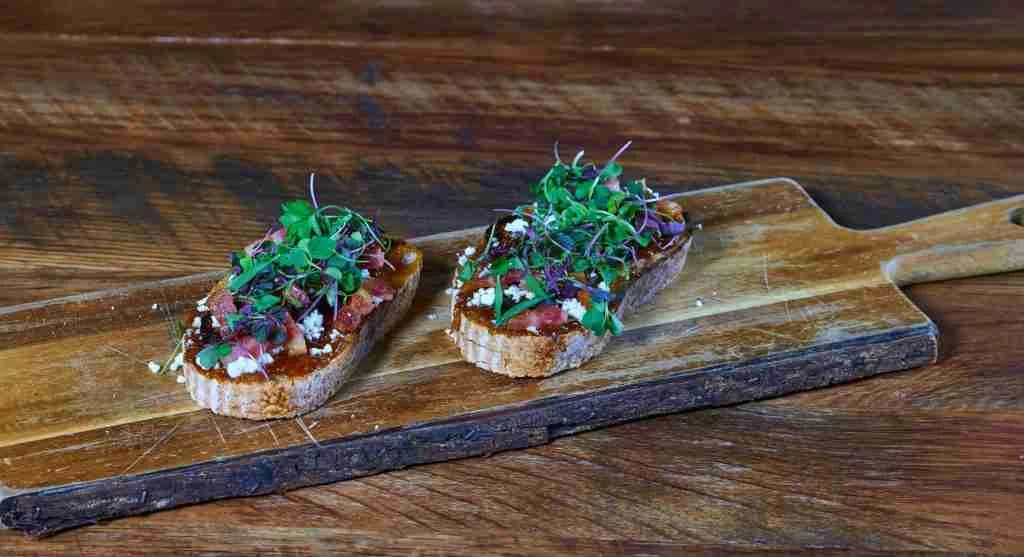
How can home cooks make ricotta toast feel like a real dinner?
The easiest way is to stop treating toast like only a snack base. Once ricotta toast gets one substantial topping, one fresh contrast, and one finishing element, it starts behaving like a full meal. It may still be quick and simple, but it no longer feels incomplete.
Food educators often remind cooks that dinner does not need to be large to feel satisfying. It simply needs enough body, freshness, and texture to hold attention through the whole plate. Ricotta toast can do that very well when built with purpose.
Frequently Asked Questions
Q: What makes ricotta toast dinners useful for busy nights?
A: They are useful because they rely on simple ingredients, assemble quickly, and can be made more balanced with only one or two smart toppings.
Q: Do ricotta toast dinners always have to stay light?
A: No. They can stay light, but they can also become more substantial with toppings such as beans, mushrooms, or roasted vegetables.
Q: Why do some ricotta toast meals feel boring?
A: They often feel boring when every part of the plate is soft and mild. Texture contrast and one clear finishing ingredient usually help a lot.
Q: Can ricotta toast work with leftovers?
A: Yes. Leftover vegetables, greens, and simple warm toppings often work very well over ricotta and toast.
Key Takeaway
Ricotta toast dinners make easy meals more practical because they combine a structured base, a creamy anchor, and enough flexibility to support many different toppings. The strongest versions usually include one fresh or crisp contrast and one finishing touch that helps the meal feel complete. Repeating that pattern keeps dinner quick without making it repetitive. For busy home cooks, ricotta toast is one of the easiest dinner formats to build in a fresh way.