Credit: Jubair Bin Iqbal/ Pexels
4. Rice texture depends on more than water alone
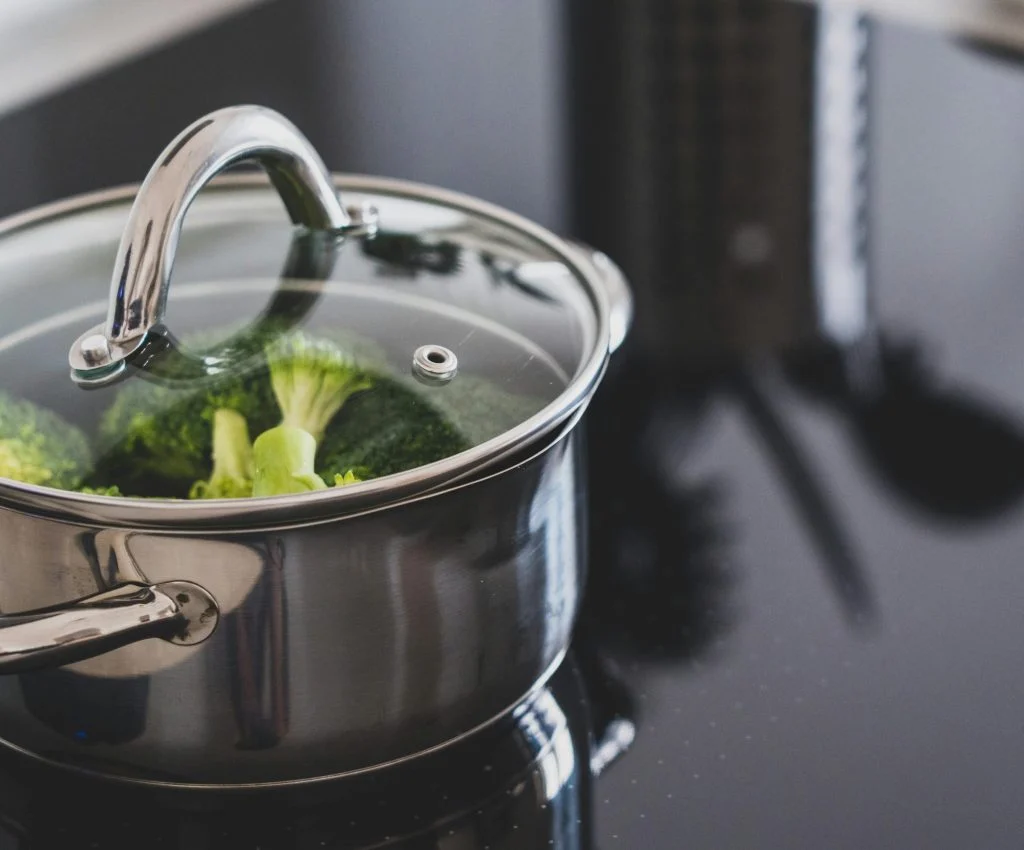
Water matters, but it is not the only factor. Pot shape, lid fit, heat level, and even how often the lid is lifted can affect the final texture. A pot that loses too much steam may leave rice drier than expected, while strong heat can create uneven cooking from bottom to top.
Cooking teachers often explain that rice needs a stable environment. Keeping the lid on and allowing steam to do its work can help grains cook more evenly. This is why constant checking during cooking can sometimes create more problems than it solves.
5. Freshly cooked rice and cooled rice behave differently
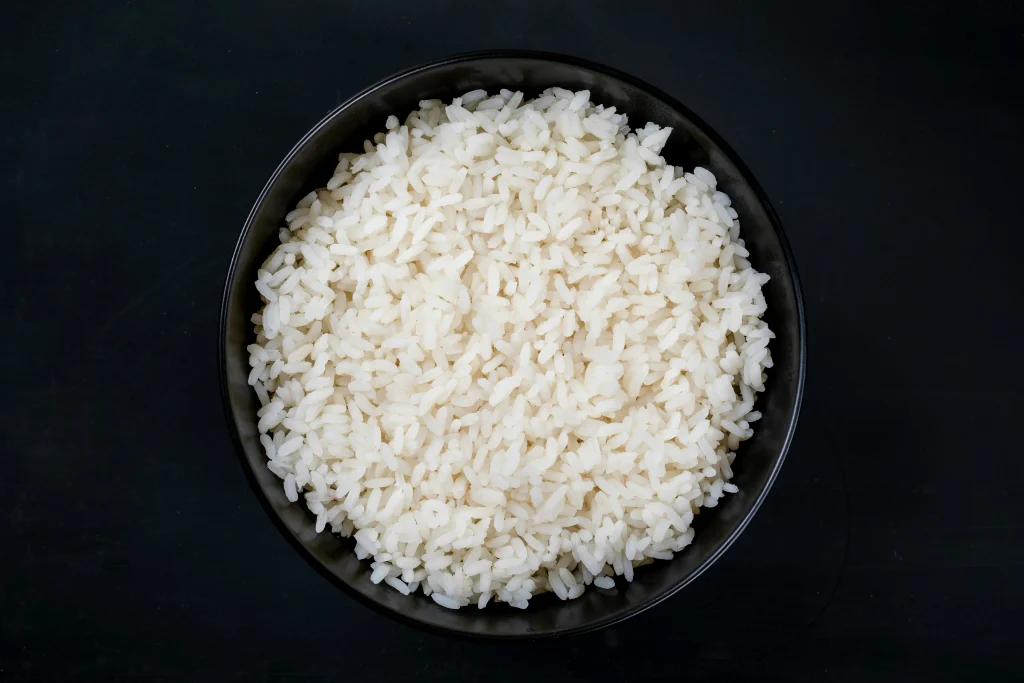
Another overlooked rice fact is that freshly cooked rice and cooled rice are not the same in texture or best use. Fresh rice often feels softer and more delicate, which works well for direct serving. Cooled rice can dry slightly and become firmer, which may help it hold up better in stir-fries or reheated dishes.
Food educators often point out that this change is not necessarily a flaw. It simply means rice can serve different roles depending on when it is used. Understanding that difference helps home cooks match the grain to the meal instead of expecting the same behavior every time.
6. Storage affects quality after cooking
Cooked rice does not stay the same after it leaves the pot. Storage time, cooling, and reheating can all change texture and overall quality. Rice left sitting too long or handled carelessly may lose its best texture faster than expected.
Food safety educators often stress that cooked grains should be handled with care and stored properly. For home cooks, the main lesson is that good rice depends on what happens after cooking as much as what happens during cooking.
7. Rice works as a base because it supports contrast
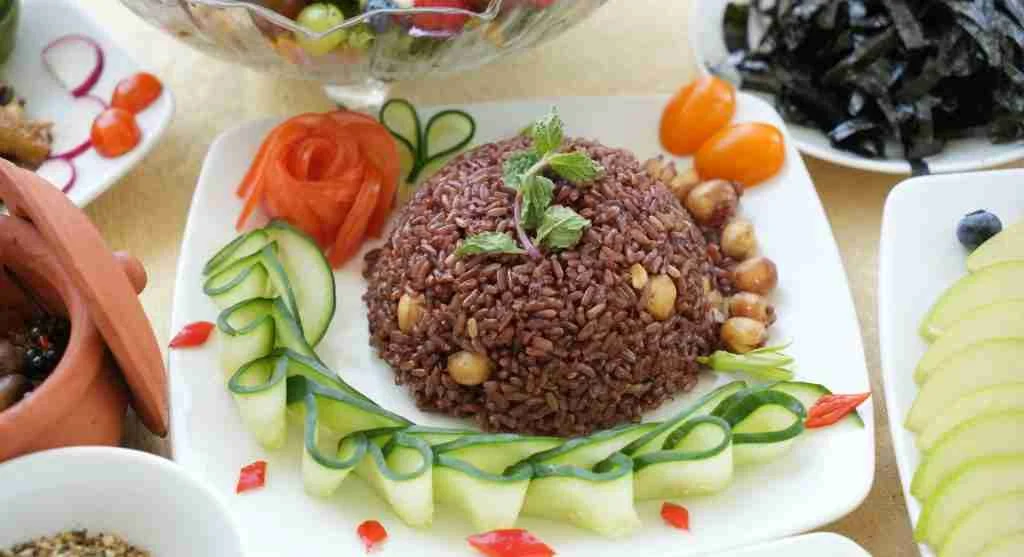
Rice is often treated as plain, but that is part of its strength. Its mild flavor allows vegetables, herbs, sauces, eggs, beans, and many other ingredients to stand out. This makes it useful not only as a side, but as a full meal base.
Meal planning educators often describe rice as one of the most flexible grains in everyday cooking. Because it supports contrast well, it can move from light bowls to hearty dinners without losing its usefulness. That flexibility is one reason it stays central in so many kitchens.
Credit: Suzy Hazelwood / Pexels
Why do people misunderstand rice so easily?
Rice is so familiar that many people stop questioning how it works. A method learned once may be used for years, even when the rice variety or meal type changes. This is common with staple foods because repetition can hide the need for adjustment.
Food educators often encourage home cooks to watch rice more closely as a grain rather than treating it as one fixed ingredient. Texture, moisture, and timing all matter, and learning those small differences can improve many meals without requiring advanced skill.
Frequently Asked Questions
Q: Do all kinds of rice need the same amount of water?
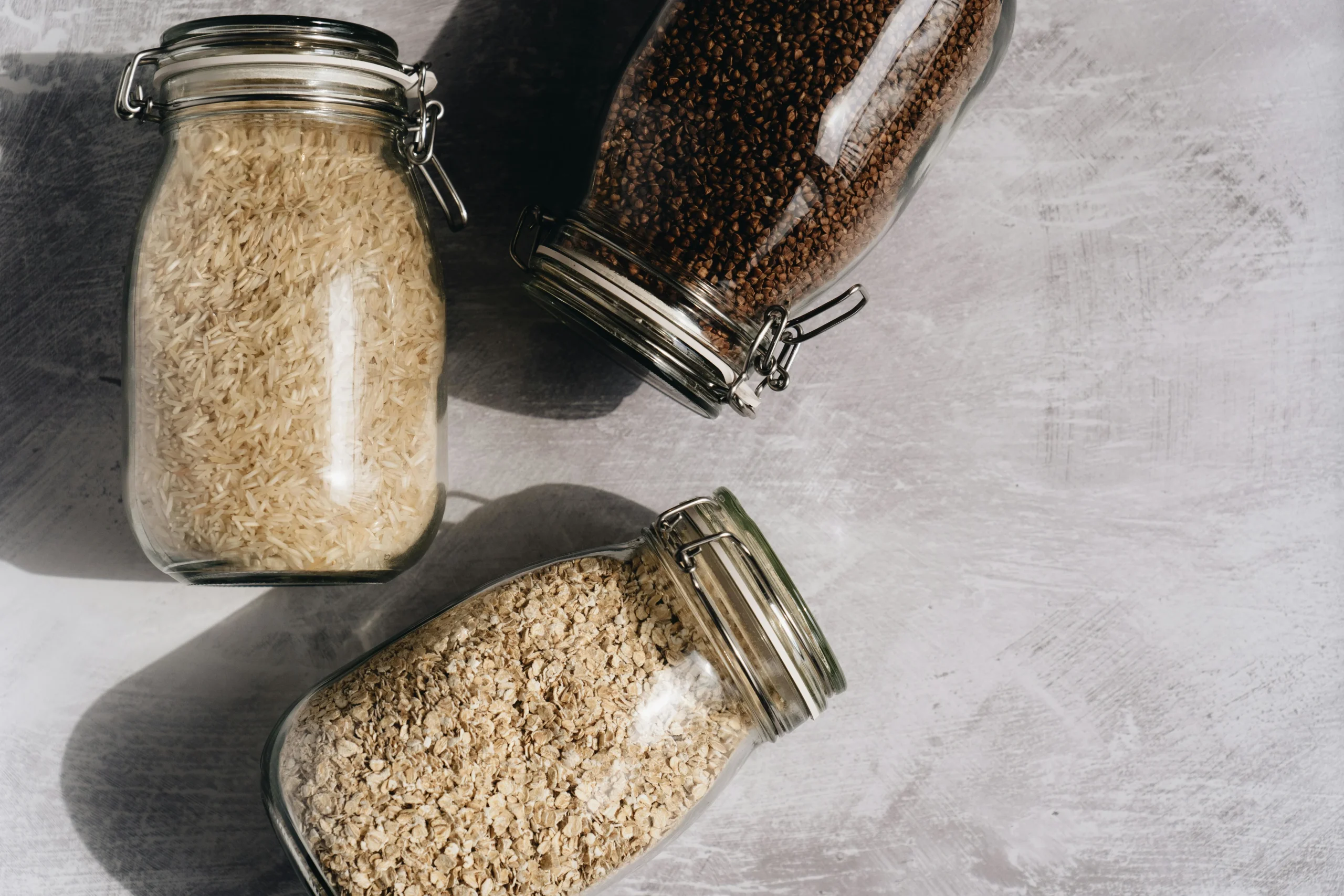
A: No. Different rice types often absorb water differently, so the same method may not work equally well for every variety.
Q: Is rinsing rice always necessary?
A: Not always, but it can change texture by removing some surface starch. Whether it helps depends on the type of dish and the result the cook wants.
Q: Why should rice rest after cooking?
A: Resting allows moisture to settle more evenly through the grains. This can improve texture and reduce uneven wet spots.
Q: Can cooled rice be useful for different dishes?
A: Yes. Cooled rice often becomes firmer, which can make it useful for stir-fries, reheated bowls, and other meals that need more structure.
Key Takeaway
These food facts about rice show that grain type, rinsing, resting, storage, and handling all affect the final result. Rice may look simple, but small choices can shape texture and overall usefulness in everyday meals. Understanding how rice behaves helps home cooks get more consistent results and use it in smarter ways. For a staple ingredient, that knowledge can improve many dishes across the week.
[INTERNAL LINKING SUGGESTIONS]
- A Simple Guide to Cooking Rice Without Guesswork
- 7 Rice Bowl Meals That Make Busy Weeknights Easier
- 8 Stir-Fry Mistakes That Can Leave Dinner Watery or Bland