Useful cooking tips for rice bowls can help simple meals feel more complete without making dinner harder. Rice bowls are popular because they work with leftovers, fresh vegetables, eggs, beans, herbs, and light sauces. But even when the ingredients are good, a bowl can still feel heavy, flat, or uneven if the textures are too similar or the final flavor lacks contrast. For home cooks, a few practical habits can make rice bowls much more satisfying.
Meal planning educators often recommend bowl meals because they are flexible and easy to repeat. Food educators also note that strong bowls usually depend on structure. A balanced rice bowl often combines soft and crisp ingredients, warm and cool elements, and one finishing touch that helps the whole meal feel connected instead of scattered.
Why do cooking tips for rice bowls matter so much?
Rice bowls seem simple because they often start with cooked rice and whatever else is already in the kitchen. That convenience is one of their strengths, but it can also create weak meals when everything in the bowl feels soft, plain, and prepared in the same way. A better bowl usually depends on contrast more than on a larger ingredient list.
Home cooking teachers often explain that bowl meals work best when the cook thinks about the whole eating experience. Rice may be the base, but the final result depends on what lifts that base and gives it enough texture and freshness to stay interesting.
1. Start with rice that fits the final meal
One of the strongest cooking tips for rice bowls is to begin with rice that suits the style of the bowl. Some meals work better with rice that stays fluffy and separate, while others feel stronger with a softer finish. Matching the rice texture to the bowl helps everything else sit more naturally on top of it.
Cooking instructors often remind home cooks that rice is not only filler. It shapes the whole bowl. A rice texture that feels too wet or too dry can affect every other ingredient, even when the toppings are prepared well.
2. Add one ingredient with clear crunch or bite
A rice bowl made entirely of soft ingredients can feel heavier than expected. This is why texture contrast matters so much. Crisp vegetables, seeds, fresh herbs, or another ingredient with a little bite can help the bowl feel more lively and less repetitive.
Food writers often note that texture is part of flavor. A bowl with rice, tender vegetables, and one crisp element usually feels more satisfying than a bowl where everything blends into the same soft texture.
3. Keep the toppings from all leaning in the same direction
Rice bowls often become dull when every topping is roasted, soft, or heavily seasoned in a similar way. Even if each part tastes fine alone, the bowl may still feel one-note. A stronger bowl usually mixes cooking methods or ingredient styles so the meal feels more varied from bite to bite.
Cooking educators often explain that bowl meals improve when one ingredient adds depth, another brings freshness, and another gives contrast. This approach is often more useful than piling on more of the same texture or flavor.
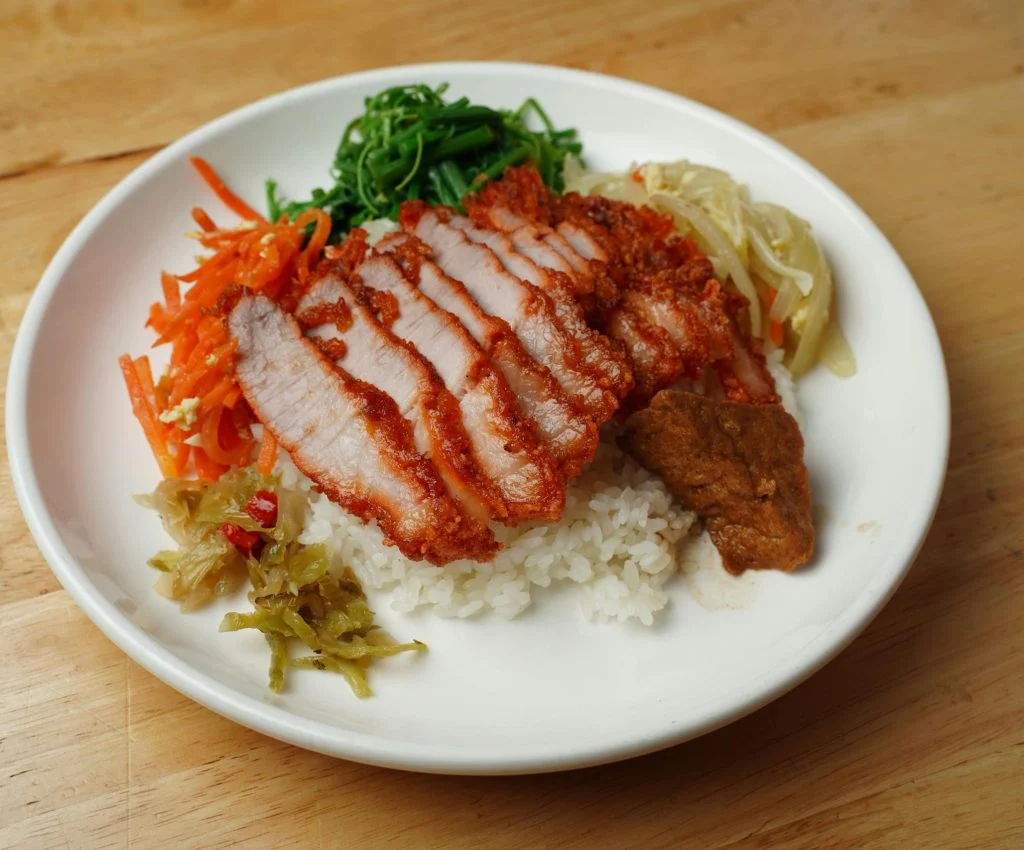
4. Use sauce to connect the bowl, not drown it
Sauce can help tie the rice and toppings together, but too much can make the bowl heavy and blur the texture of each part. A better approach is often to use enough sauce to carry flavor without turning the bowl into one soft mixture. This keeps the ingredients more distinct and the meal more balanced.
Food educators often remind home cooks that bowl sauces should support the meal rather than hide it. A lighter touch often creates a better result than a heavy pour, especially when the bowl already contains flavorful toppings.
5. Add one fresh finishing element near the end
One of the easiest rice bowl tips is to finish the bowl with something fresh. Herbs, citrus, chopped greens, or another light finishing ingredient can sharpen the meal and make it feel less stored or reheated. This matters especially when many of the bowl parts were cooked earlier.
Fresh ingredient specialists often explain that a fresh final note helps restore contrast after a meal has been built from warm or pre-cooked parts. Even a small amount can make the bowl feel much more complete.
6. Think about temperature, not only flavor
A bowl that is entirely hot can feel heavy, while one that is entirely cold may seem less satisfying depending on the meal. Rice bowls often work best when they mix warm rice with cooler toppings or room-temperature elements. This temperature contrast can help the bowl feel more interesting without extra effort.
Cooking teachers often note that temperature is part of texture. It changes how the ingredients are experienced and can make a familiar bowl feel more balanced even when the ingredient list stays simple.
7. Build rice bowls with one clear source of substance
Rice provides the base, but most bowls also benefit from one ingredient that gives the meal more staying power. This could be eggs, beans, lentils, roasted vegetables, or another practical addition. Without that support, a bowl may look complete but still feel less satisfying than expected.
Meal planning educators often encourage home cooks to think about rice bowls as full meals rather than decorated rice. This small shift helps the bowl feel more intentional and improves how well it works for lunch or dinner.
8. Repeat a useful pattern instead of chasing new recipes every time
One of the smartest cooking tips for rice bowls is to repeat a structure rather than a fixed recipe. Rice, one substantial topping, one contrasting ingredient, one fresh finish, and one controlled sauce are often enough. This makes the bowl easier to build from what is already available while still allowing variety.
Meal planning experts often support repeatable meal patterns because they lower stress and reduce waste. Rice bowls fit that idea well because the format stays practical even as the ingredients change from week to week.
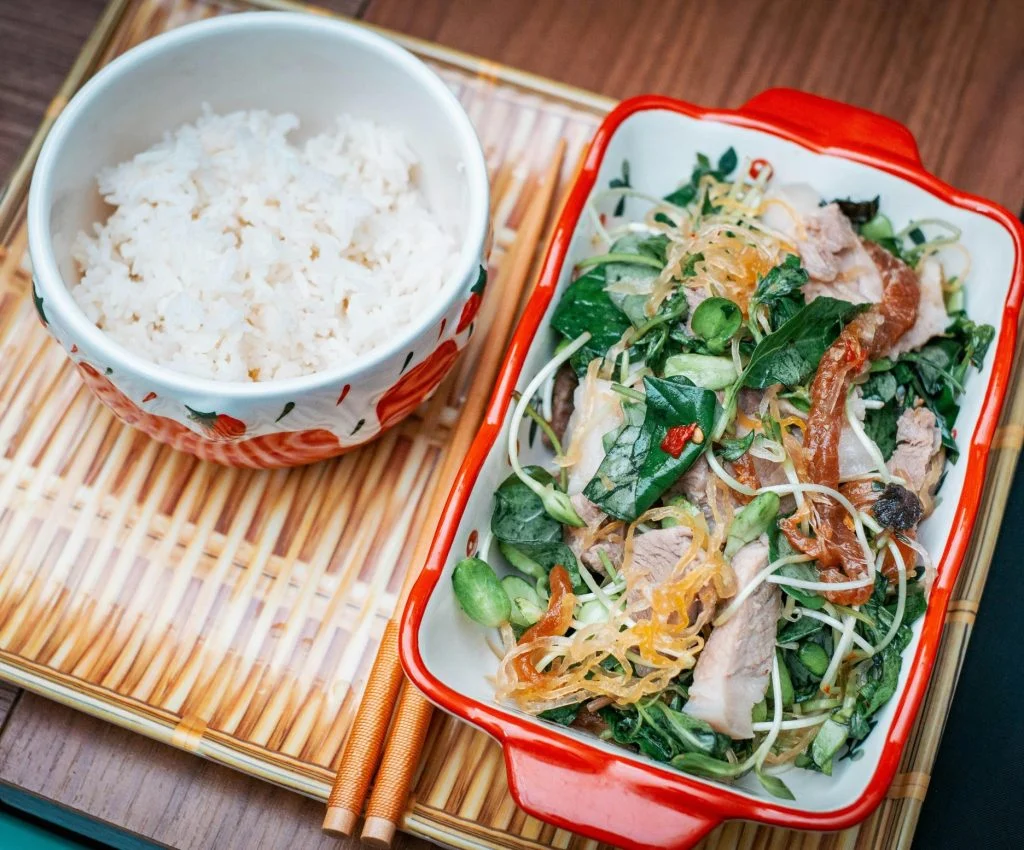
How can home cooks improve rice bowls without making them complicated?
The easiest method is to focus on balance rather than quantity. Choose rice with the right texture, add one crisp or fresh contrast, include one ingredient with more substance, and use sauce carefully. These small habits do not make bowl meals harder. They simply make the ingredients work together more clearly.
Food educators often remind cooks that better bowls come from structure, not from adding more and more toppings. A few thoughtful parts often create a stronger result than a crowded bowl with no clear direction.
Frequently Asked Questions
Q: What makes rice bowls taste more balanced?
A: Balanced rice bowls usually combine soft and crisp textures, one substantial topping, a fresh finishing element, and a sauce used with restraint.
Q: Do rice bowls always need sauce?
A: Not always, but many bowls benefit from a light sauce or finishing ingredient that helps connect the rice and toppings. The key is not using so much that the bowl becomes heavy.
Q: Why do some rice bowls feel boring?
A: Bowls often feel boring when all the toppings have similar texture, temperature, or flavor. A little contrast usually makes a big difference.
Q: Are rice bowls good for meal prep?
A: Yes. Rice bowls work well for meal prep because many of the parts can be prepared ahead and combined in different ways throughout the week.
Key Takeaway
These cooking tips for rice bowls show that a better bowl depends on balance more than on a long ingredient list. Rice texture, topping contrast, one substantial element, and a fresh finish all help simple meals feel more complete. A controlled sauce also keeps the bowl connected without making it heavy. For home cooks, a few steady habits can turn basic rice bowls into much stronger everyday meals.