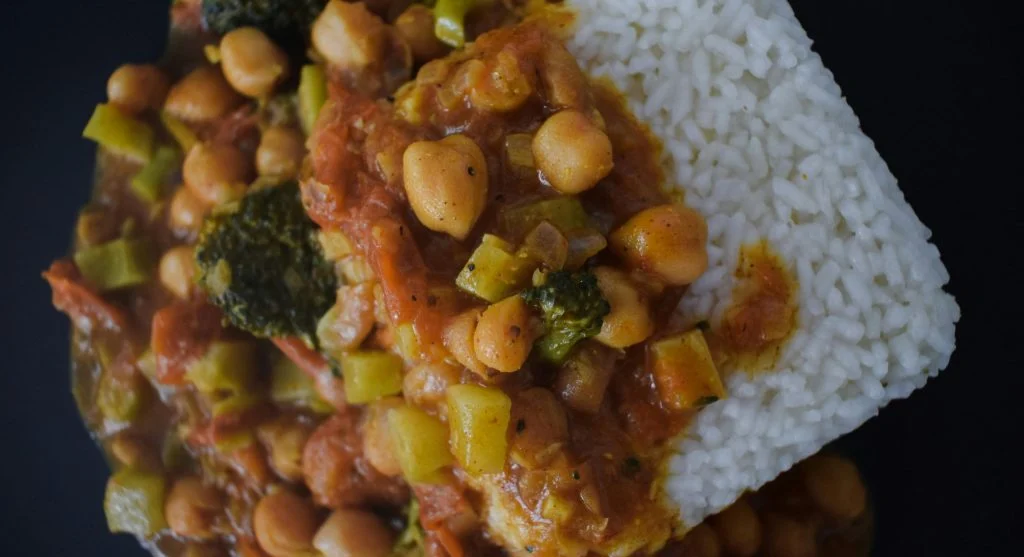
Chickpea rice meals are useful because they turn simple pantry ingredients into dinners that feel more complete without requiring much effort. Rice gives the meal structure, chickpeas add body, and a few vegetables, herbs, or light sauces can shift the bowl in many directions. For home cooks, that makes this combination one of the easiest ways to build a practical meal when time is short and the kitchen needs to stay simple.
Meal planning educators often recommend repeatable meal formats instead of relying on a new recipe every night. Chickpea rice meals fit that idea well because both ingredients are flexible, affordable, and easy to pair with leftovers or fresh produce. Food educators also note that the strongest bowls usually depend on contrast. A soft rice base and chickpea topping work best when the meal also includes something brighter, fresher, or crisp enough to keep the bowl from feeling too heavy.
Why do chickpea rice meals work so well for easy meals?
Easy meals often depend on ingredients that can be prepared ahead of time or assembled quickly from what is already in the kitchen. Rice can often be made earlier, and chickpeas are one of the most practical pantry ingredients for weeknight cooking. Together, they create a filling base that can move toward a lighter meal or a steadier dinner depending on the toppings and finish.
Home cooking teachers often explain that the best quick dinners usually follow a clear structure. Chickpea rice meals do that naturally. There is a base, one ingredient with substance, and room for one or two finishing elements that add freshness or contrast. That simple pattern is what keeps the meal useful without making it repetitive.
1. Herb and lemon chickpea rice meals are among the easiest to repeat
A bowl of rice with chickpeas, herbs, and a light citrus finish works well because it relies on a few common ingredients while still feeling balanced. The rice gives the bowl body, the chickpeas add steadiness, and the herbs and citrus help lift the whole meal. This combination is especially useful on busy nights when dinner needs to come together without a long cooking process.
Cooking instructors often recommend simple bowls like this because they are easy to refresh with small changes. A different herb mix or a slightly different finishing note can keep the meal from feeling repetitive even when the base stays familiar.
2. Chickpea rice meals can help use roasted vegetables well
Roasted vegetables fit naturally into rice and chickpea bowls because they add texture, color, and a deeper flavor to a very practical base. This can help turn leftovers from another meal into something that feels fresh enough for dinner. That is one of the main reasons this format works so well in everyday kitchens.
Meal planning educators often support this kind of reuse because it stretches the value of one cooking session across several meals. Rice and chickpeas create a stable base that makes those vegetables feel intentional instead of simply reheated.
3. A fresh topping can keep chickpea rice meals from feeling too soft
Because both rice and chickpeas lean soft, many bowls improve when one ingredient adds freshness or bite. Herbs, cucumbers, greens, or another lightly crisp topping can quickly change how the bowl feels. This often makes the difference between a meal that seems heavy and one that feels more balanced and lively.
Fresh ingredient educators often remind home cooks that quick meals improve most through contrast rather than through longer ingredient lists. A small fresh topping can do more for the final result than several extra soft ingredients added without much thought.
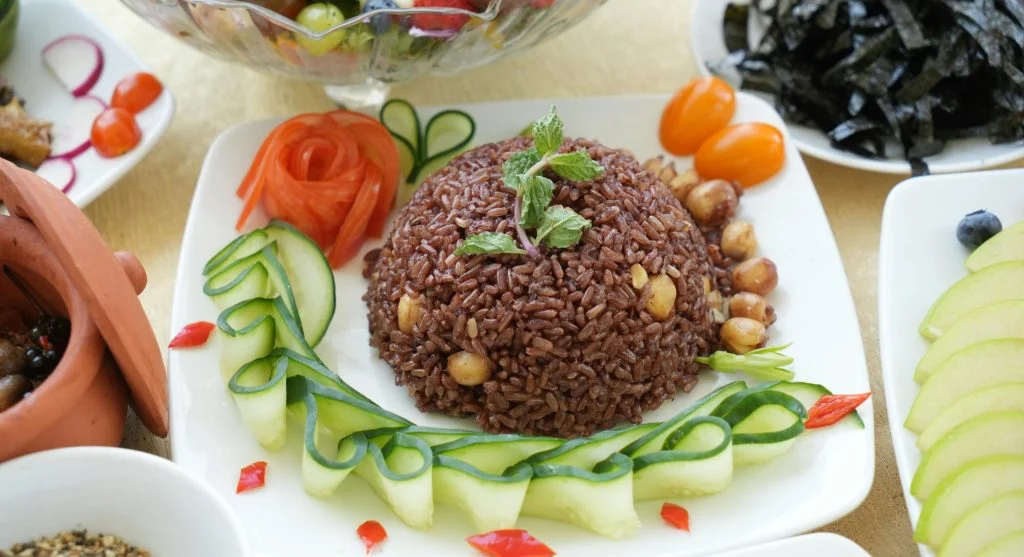
4. Warm spiced chickpea rice bowls can make fast dinners feel fuller
Some chickpea rice meals feel more complete when the chickpeas are warmed with a little seasoning before they reach the bowl. This can help the whole meal feel more like dinner rather than only a lunch bowl. The rice remains the base, but the chickpeas take on a stronger role and make the meal feel more intentional.
Food writers often note that easy meals become more dependable when one ingredient is given a little extra attention. Chickpeas respond especially well to that approach because even a small seasoning change can make the bowl feel much more complete.
5. Yogurt or a light sauce can connect the whole bowl
Chickpea rice meals often benefit from one final ingredient that ties the parts together. This might be a yogurt-based sauce, a lighter dressing, or another simple finish depending on the bowl style. The goal is not to soak the rice, but to give the meal one clear note that helps everything feel more connected.
Food educators often explain that easy meals feel stronger when they have one memorable finish. In a simple bowl of rice and chickpeas, that final note can be what makes dinner feel planned instead of improvised.
6. Chickpea rice meals also work well with greens
Greens can help move this meal away from softness and make the bowl feel fresher without making it harder to prepare. Even a small amount can add color and a cleaner finish beside the rice and chickpeas. This is especially useful when the bowl needs to feel lighter while still staying practical for dinner.
Cooking teachers often explain that bowls improve when at least one ingredient changes the direction of the whole meal. Greens often do that quietly but effectively, which is why they fit so well in this kind of dinner.
7. Chickpea rice meals are easiest when built from a repeatable pattern
The most useful approach is to think in parts: rice, chickpeas, one fresh or crisp ingredient, and one finishing touch. This keeps the meal flexible while still giving it enough structure to feel complete. It also makes it easier to cook from what is already in the kitchen instead of waiting for one exact recipe.
Meal planning experts often recommend repeatable formats because they reduce dinner stress without making meals repetitive. Chickpea rice meals fit that advice well because the same basic method can support many small ingredient changes across the week.
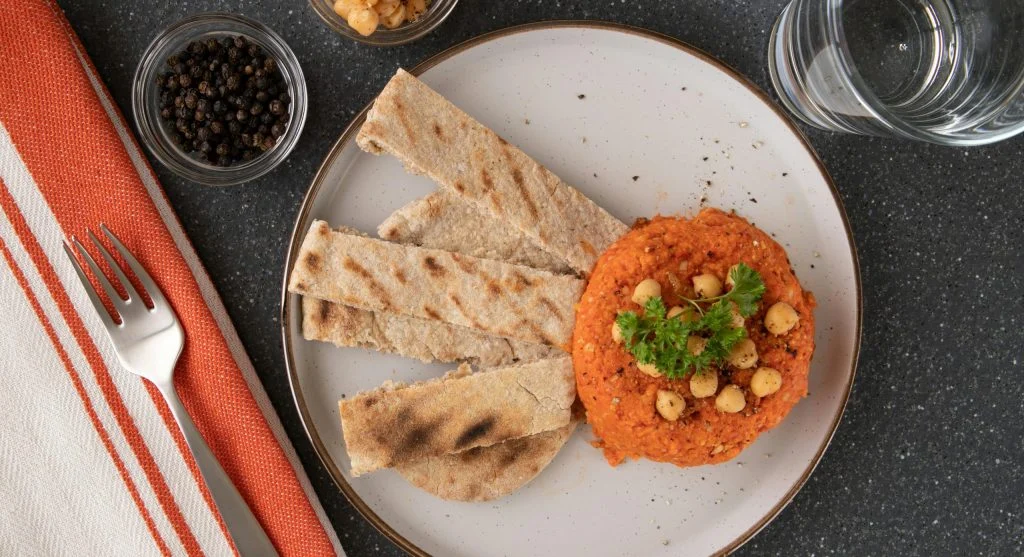
How can home cooks build chickpea rice meals more easily?
The simplest method is to start with cooked rice, add chickpeas with enough flavor and body, then choose one ingredient that brings freshness or texture. A small finishing element can then help connect everything. This keeps the meal easy without letting it feel random or unfinished.
Food educators often remind cooks that quick meals do not need to be large to feel complete. Chickpea rice meals work best when the few ingredients involved clearly support one another instead of trying to do too much at once.
Frequently Asked Questions
Q: What makes chickpea rice meals useful for quick dinners?
A: Chickpea rice meals are useful because they rely on simple pantry ingredients and a clear structure. They come together quickly while still feeling balanced and satisfying.
Q: Can chickpea rice meals work with leftovers?
A: Yes. Roasted vegetables, greens, herbs, and simple sauces often work very well in rice and chickpea bowls. This helps turn prepared ingredients into a new meal without much extra effort.
Q: Do chickpea rice meals always need a sauce?
A: Not always, but many bowls benefit from a light finishing ingredient that helps connect the rice and chickpeas. The key is using it with restraint so the bowl stays balanced.
Q: Why do some chickpea rice bowls feel boring?
A: They often feel boring when everything is too soft or when the bowl lacks a fresh contrasting ingredient. Texture and one simple finishing touch usually help a lot.
Key Takeaway
Chickpea rice meals make easy dinners more practical because they combine a familiar base, a flexible pantry ingredient, and plenty of room for fresh toppings or light finishing flavors. The strongest bowls usually include one crisp or bright ingredient and one finishing touch that gives the meal balance without adding much work. Repeating that pattern keeps dinner easy while still allowing variety. For busy home cooks, rice and chickpeas remain one of the most reliable meal combinations to build around.