Learning how to build a cold noodle bowl is one of the most useful cooking skills for warm days, low-energy evenings, and quick lunches that still need to feel like real meals. Cold noodle bowls are practical because they can be assembled from simple ingredients, leftovers, fresh vegetables, and a small amount of sauce without asking for a long cooking process. But they can also go wrong quickly. A bowl that should feel fresh and lively can end up sticky, heavy, watery, or strangely flat.
Why do cold noodle bowls often seem easier than they really are?
Cold noodle bowls look simple because the ingredient list is usually familiar. Noodles, vegetables, herbs, and a sauce do not sound complicated. But easy ingredients do not always create an easy result. Once the noodles cool, their texture changes. Once the vegetables sit in the bowl, they begin affecting moisture. Once the sauce is added, the balance of the whole meal shifts very quickly.
Home cooking teachers often say that cold noodle bowls reward planning more than effort. The bowl does not need many ingredients, but it does need the right relationships between those ingredients. That is what turns it from a quick lunch into a meal worth repeating.
Start by deciding what role the noodles should play
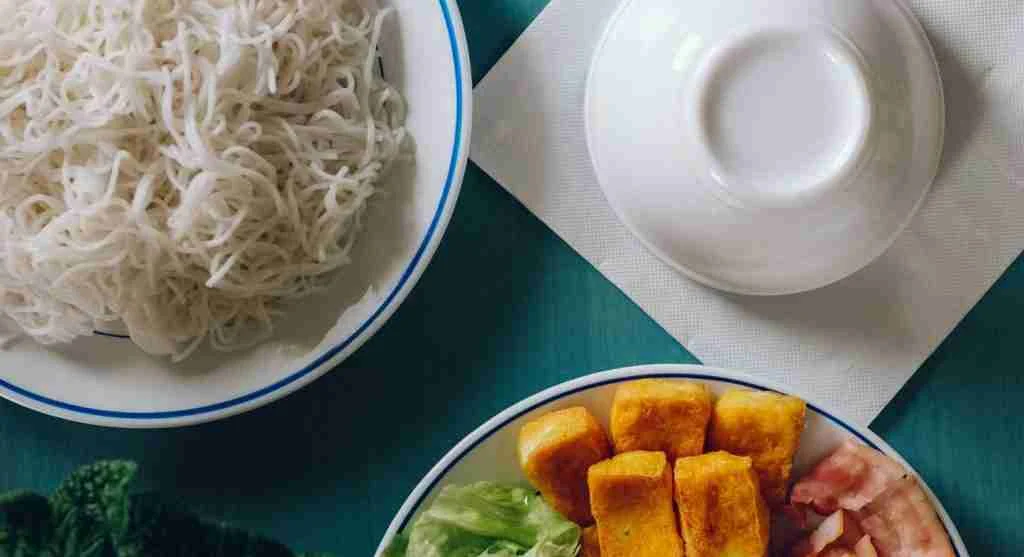
Some noodle bowls are meant to feel light and fresh, while others need enough body to carry lunch or dinner on their own. This matters because the noodles are not only filling space. They set the tone of the entire bowl. If the noodles dominate too much, the meal may feel dense. If they are too light for the toppings, the bowl may feel scattered instead of complete.
Food educators often explain that the noodle base should support the rest of the meal rather than fight with it. That usually means paying attention to texture and not treating the noodles like a neutral background that will sort itself out later.
Why noodle texture matters more in a cold bowl
Warm noodles often feel forgiving. Cold noodles do not. Once chilled or cooled, they can stick together, lose their best texture, or start behaving more like one compact mass than a useful meal base. This is one reason cold noodle bowls are often disappointing. The rest of the bowl may be good, but the noodles no longer feel lively enough to support it.
Cooking instructors often note that cold noodle bowls are strongest when the noodles still feel separate enough to catch the sauce and interact well with the toppings. If the base has already become clumped or dull, the whole bowl becomes harder to rescue later.
Use vegetables that bring real contrast
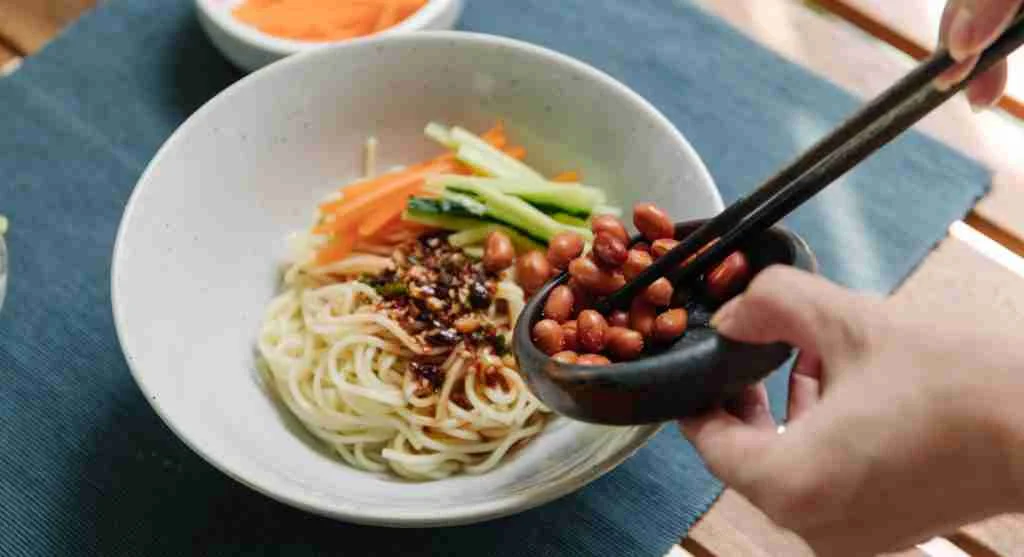
Cold noodle bowls often need vegetables that do more than add color. They need to add movement. Cucumbers, peppers, carrots, radishes, greens, or herbs can all help because they interrupt the smoothness of the noodles and make the bowl feel more active. This is especially important in cold meals, where texture often matters as much as flavor.
Fresh ingredient specialists often explain that crisp vegetables give the bowl energy. Without them, the meal may seem too soft from beginning to end. That is why a small amount of the right fresh ingredient can change the whole experience.
Think of the sauce as a connector, not the star
It is tempting to fix a weak noodle bowl by adding more sauce, but that often makes the meal heavier rather than better. A strong sauce should help the noodles, vegetables, and toppings work together. It should not bury the bowl under too much coating. In many cold meals, a lighter and more controlled sauce creates a better result than a larger amount of a rich one.
Food writers often point out that cold noodle bowls feel best when the sauce gives direction without turning everything into one texture. The goal is balance, not saturation.
One ingredient should give the bowl more staying power
A cold noodle bowl can look complete while still feeling too light once the meal is finished. This is where one more substantial ingredient often helps. Beans, eggs, tofu, yogurt-based toppings, or another simple support ingredient can make the bowl feel more useful as a real lunch or dinner. The noodles provide structure, but they may still need help carrying the meal.
Meal planning educators often recommend this step especially for midday meals. A bowl that includes one ingredient with more staying power often feels much more satisfying without becoming heavier in the wrong way.
Fresh herbs are often the difference between good and forgettable
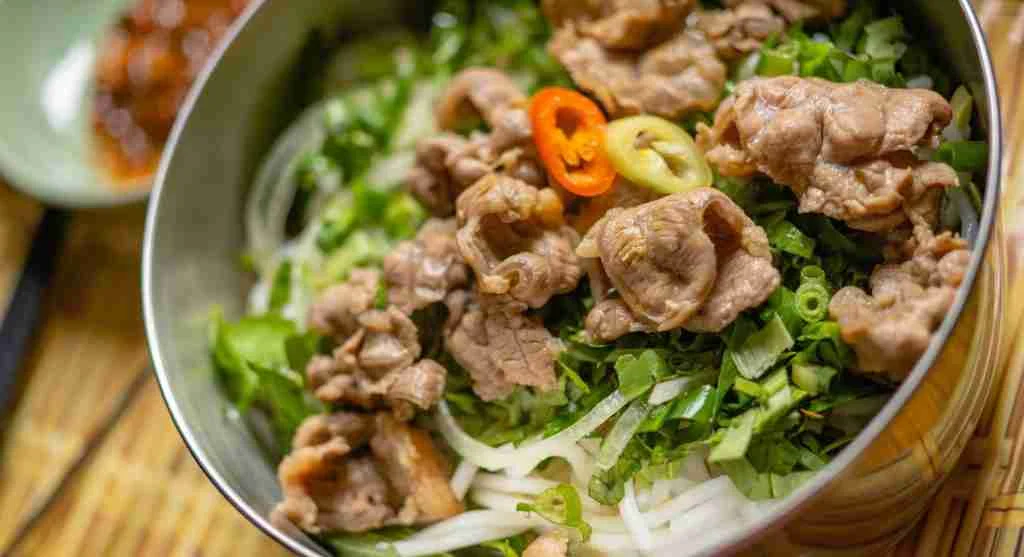
Cold noodle bowls benefit from freshness at the very end because chilled meals can lose some of their excitement if everything has been sitting together too long. Herbs can sharpen the bowl, lift the noodles, and keep the whole meal from tasting stored. This matters especially when the bowl was partially assembled ahead of time.
Cooking teachers often describe herbs as a “final wake-up layer.” Even a small amount can help a cold noodle bowl feel more present and less like something pulled straight from a container.
Keep wet ingredients under control
Watery vegetables can quickly change the balance of a noodle bowl, especially once the noodles and sauce are already in place. This does not mean such ingredients should be avoided. It means they should be handled thoughtfully so they do not quietly thin the bowl or make the noodles less clear in texture.
Home cooking educators often explain that moisture control is one of the hidden skills in chilled meals. In a warm skillet, extra moisture can cook away. In a cold bowl, it often stays right where it landed.
Finish with one detail that makes the meal feel complete
Cold noodle bowls often need a final detail that tells the eater the meal is finished rather than only assembled. This might be herbs, seeds, citrus, pepper, or another small touch that sharpens the bowl. It does not need to be complicated. It only needs to make the whole thing feel more intentional.
Food writers often say that quick meals still need a final thought. In cold noodle bowls, that final thought is often what separates a serviceable lunch from a meal that actually feels satisfying.
How can home cooks make cold noodle bowls better without making them complicated?
The easiest approach is to focus on roles. Let the noodles provide structure, let the vegetables bring contrast, use the sauce with restraint, and include one ingredient that gives the meal enough body to count as lunch or dinner. Once that pattern becomes familiar, cold noodle bowls become much easier to repeat well.
Cooking educators often remind home cooks that balance matters more than variety. A bowl with fewer ingredients that each do something useful often feels better than a crowded bowl with no clear direction.
Frequently Asked Questions
Q: What makes a cold noodle bowl feel complete?
A: A cold noodle bowl usually feels complete when it has noodles with good texture, vegetables for contrast, a controlled sauce, and one ingredient with enough body to make it a real meal.
Q: Why do cold noodle bowls sometimes feel sticky or heavy?
A: This often happens when the noodles clump together, the sauce is too heavy, or the bowl lacks enough fresh ingredients to balance the base.
Q: Do cold noodle bowls always need protein?
A: Not always, but many feel more satisfying with beans, eggs, tofu, or another simple ingredient that adds more staying power.
Q: Why are herbs so helpful in cold noodle bowls?
A: Herbs bring freshness and brightness, which helps chilled noodle meals taste more lively and less flat
Key Takeaway
Understanding how to build a cold noodle bowl is really about structure, contrast, and restraint. The best versions use noodles that still feel lively, vegetables that add freshness, a sauce that connects without overwhelming, and one finishing element that sharpens the whole meal. Once those roles are clear, cold noodle bowls become much easier to repeat well. In everyday cooking, that can turn a quick chilled lunch into a much smarter meal.