Fresh ingredient educators often explain that green beans are one of the best vegetables for teaching cooks to notice texture before cooking even begins. A strong green bean can stay lively in the pan and on the plate. A tired one can quickly turn limp or dull. For everyday home cooking, that difference matters because green beans are often chosen to bring exactly the kind of bite and freshness that soft meals need.
Why does how to choose fresh green beans matter so much?
Green beans are often used in dishes where texture is the reason they are there in the first place. They may need to keep some snap in a bowl, bring freshness to a potato or grain plate, or support a quick skillet dinner without disappearing into softness. If the beans are already weak before cooking starts, the whole meal can lose some of its shape and contrast.
Cooking instructors often note that green beans are one of the clearest examples of a vegetable chosen for structure as much as flavor. This is why freshness matters so much. A better bean does not only taste fresher. It behaves differently in the pan and gives the meal more control.
What should home cooks look for when choosing fresh green beans?
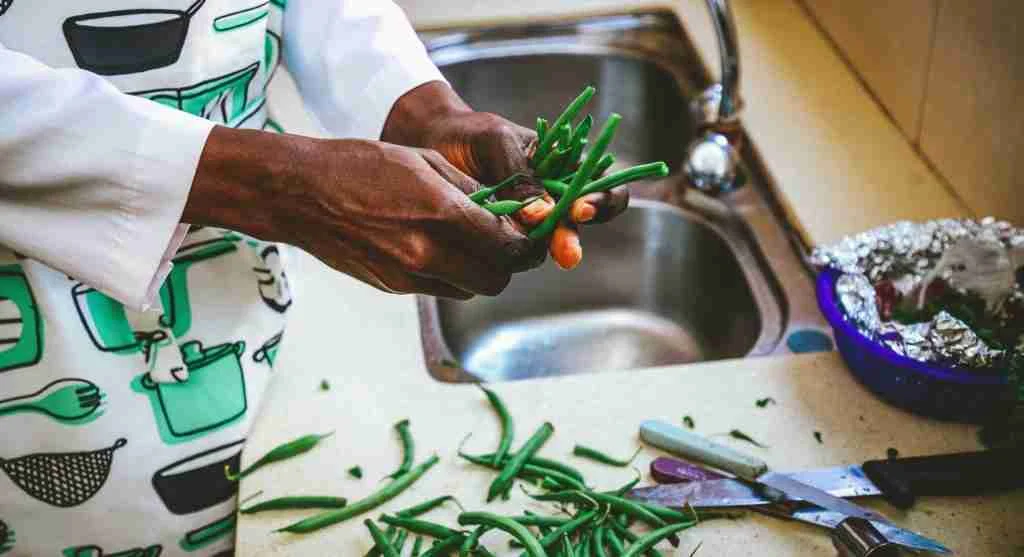
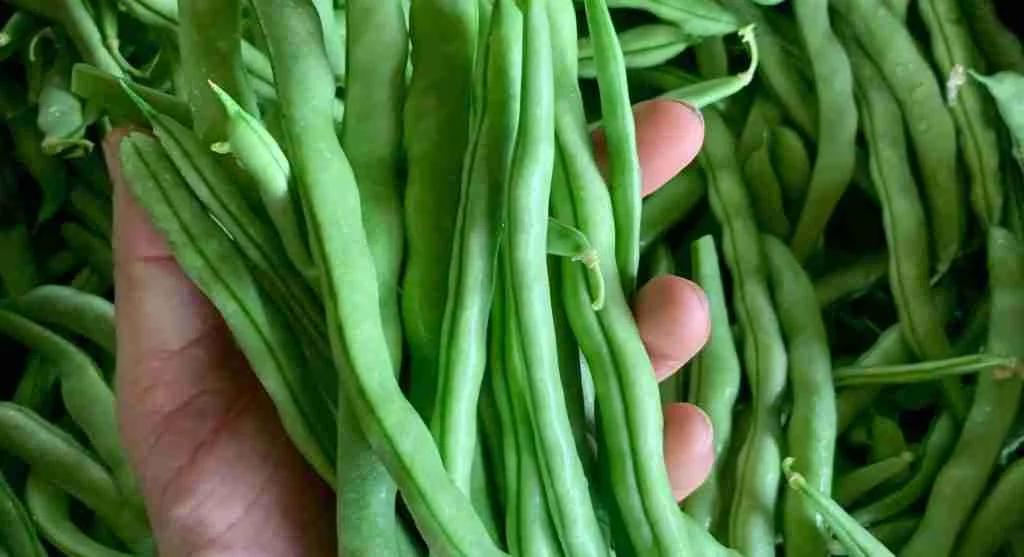
The first thing to notice is firmness. Fresh green beans usually look and feel crisp rather than limp, wrinkled, or tired. They should seem lively, with a surface that still looks smooth and reasonably tight instead of soft and worn down. This is often the easiest sign that the beans are still in a useful stage for cooking.
Color matters too. Fresh green beans usually look clear and lively in color rather than faded or patchy. Small natural variation can happen, but the overall bunch or pile should still look fresh enough to support a meal with real texture. If the beans already seem dull, they may not perform as well in quick cooking.
The ends can also offer clues. Beans that look badly dried out at the tips may already be moving away from their best stage. This does not always mean they are unusable, but it often means they are less likely to give the cleaner bite many cooks want.
Why does flexibility matter in fresh green beans?
One helpful way to judge green beans is to notice whether they still seem springy and alive instead of slack. Fresh beans often have a cleaner, firmer feel, while older ones may bend with less structure. That change matters because it usually shows up in cooking too. Beans with stronger texture before cooking are often better at keeping some bite afterward.
Food educators often explain that vegetables chosen for snap should still feel as though they have some energy in them. This is especially true for green beans, which are often meant to stay distinct even after being heated.
How does size affect how to choose fresh green beans?
Size can influence the final texture, but freshness still matters more than size alone. Thinner beans may cook more quickly and feel more delicate, while thicker beans may bring a sturdier bite to certain dishes. The better choice depends on the meal. What matters most is that the beans look healthy and active for their size rather than dull or limp.
Cooking teachers often recommend shopping with the final dish in mind. A quick skillet meal may call for one style of bean, while a warm side or salad may welcome another. That small bit of planning often leads to better texture later and less frustration in the pan.
How should green beans be stored after buying them?
Storage affects how long green beans stay useful because they can lose their best texture faster than many sturdier vegetables. Better storage often helps keep their freshness and makes them easier to use over several meals. Fresh ingredient experts often recommend checking them soon after bringing them home so any weak beans can be noticed before the whole batch declines further.
It also helps to buy green beans with at least one or two likely meals in mind. One batch might support a skillet dinner one day and a grain bowl or warm side later. That kind of planning reduces waste and helps the beans get used while they still offer the texture that made them worth buying in the first place.
Many home cooks also wait to trim or prepare the beans until closer to cooking time. This can help preserve some of their best freshness and keep them feeling more useful when the meal is finally built.
What kinds of meals benefit most from fresh green beans?
Green beans are especially useful in meals that already lean soft or heavy. They can wake up potatoes, grains, beans, eggs, or simple pasta dishes by adding a clearer vegetable texture. They also work well in lighter side dishes where freshness matters more than richness. This flexibility is one reason they are such practical everyday ingredients.
Meal planning educators often recommend vegetables that can move between a main meal and a side dish without much extra work. Green beans fit that idea well because they can stay simple and still make the meal feel more deliberate.
When should green beans be added during cooking?
Timing depends on the dish, but green beans often work best when they are cooked long enough to lose rawness while still keeping enough bite to matter. If they go too far, they may stop giving the meal the fresh structure they were meant to provide. This is one reason freshness before cooking is so important. Better beans give the cook more control over the final texture.
Cooking instructors often explain that green beans are strongest when the cook knows what role they are meant to play. A warm salad may want one texture. A skillet dinner may want another. Thinking that through early often makes the final meal much easier to balance.
How can choosing better green beans reduce waste?
Better produce choices often lead to better kitchen use. When green beans are bought in stronger condition, they are easier to fit into more meals and less likely to get abandoned because they already seem weak. A smaller amount of good beans often serves a home kitchen better than buying more and watching them decline before there is a plan for them.
Food writers often note that waste is not only about what gets thrown away. It is also about ingredients that never get the chance to be used at their best. Choosing fresher green beans helps avoid that problem from the beginning.
Frequently Asked Questions
Q: What is the easiest sign of fresh green beans?
A: Fresh green beans usually look firm, lively, and crisp rather than limp, dull, or wrinkled.
Q: Does green bean size matter when shopping?
A: Size can matter depending on the dish, but freshness usually matters more than size alone. Both thinner and thicker beans can work well if they are in strong condition.
Q: Why do some green beans cook better than others?
A: Fresher beans usually keep a better bite and clearer texture, while older beans may turn soft more quickly.
Q: Can green beans work in more than side dishes?
A: Yes. Green beans can support skillet meals, bowls, warm salads, soups, lunch plates, and many other everyday meals.
Key Takeaway
Learning how to choose fresh green beans helps home cooks get better texture, stronger freshness, and more value from one of the most practical everyday vegetables. Firmness, color, flexibility, and smart storage all affect how well green beans perform in simple meals. Because they work across many styles of cooking, selecting them well can reduce waste and improve everyday dishes. For meals that need a little more structure and freshness, good green beans can make a very noticeable difference.