This matters more than many home cooks realize because simple meals often succeed or fail on texture rather than on ingredients alone. A bowl, wrap, salad, or toast plate can feel more balanced with one form of carrot and less balanced with the other. Once that difference becomes clear, carrots stop being just a healthy extra and start becoming a more useful tool in building better meals.
Why cutting style changes how a vegetable behaves
The shape of an ingredient affects how it meets the rest of the dish. Large pieces hold more identity. Smaller pieces blend in more easily. With carrots, this difference is especially noticeable because the vegetable is naturally crisp, slightly sweet, and firm enough to either stand out or quietly spread through a meal depending on how it is prepared.
Cooking teachers often explain that cutting is not only about appearance. It is also about deciding the role the ingredient should play. A sliced carrot can act like a topping, while a shredded carrot often acts more like a supporting layer.
What sliced carrots do especially well
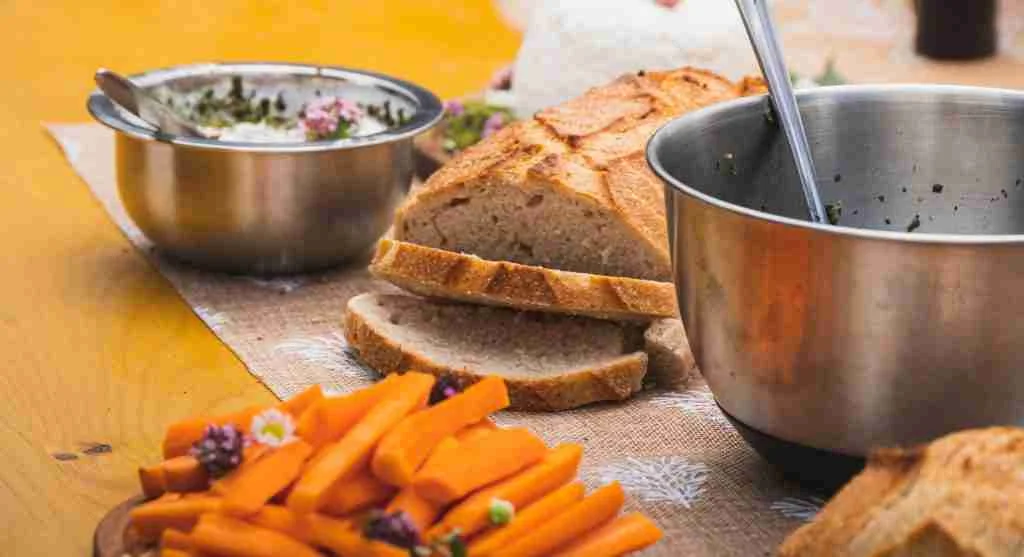
Sliced carrots usually keep more structure in a dish. They stay visible, hold their crunch longer, and make their presence known in a more direct way. This makes them useful in grain bowls, lunch plates, side salads, and wraps where the cook wants a crisp vegetable that can still stand apart from softer ingredients.
Food educators often note that slices bring order to a meal because they create clear bites. The eater can notice the carrot as its own element. This is helpful when a plate already has many soft ingredients and needs one firmer, clearer shape.
What shredded carrots do differently
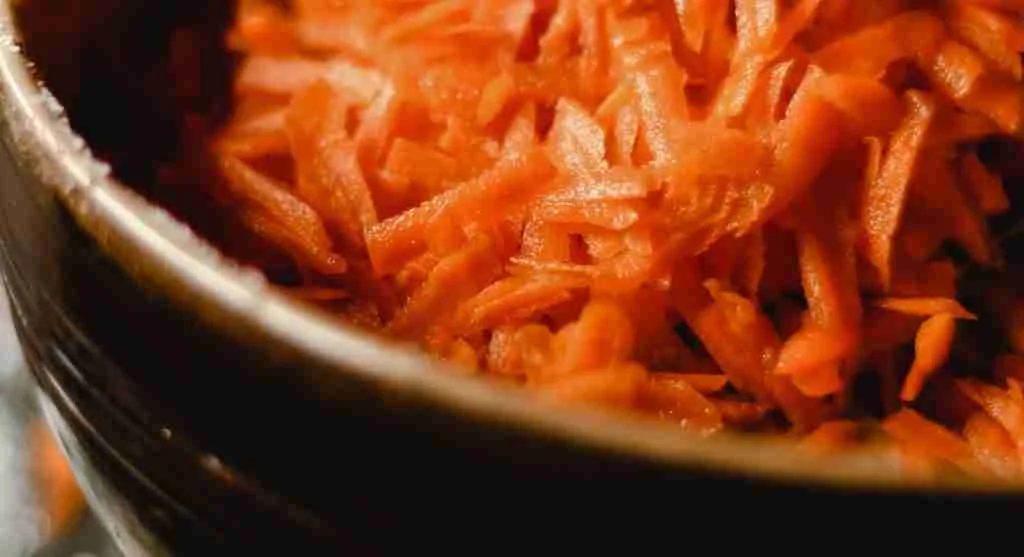
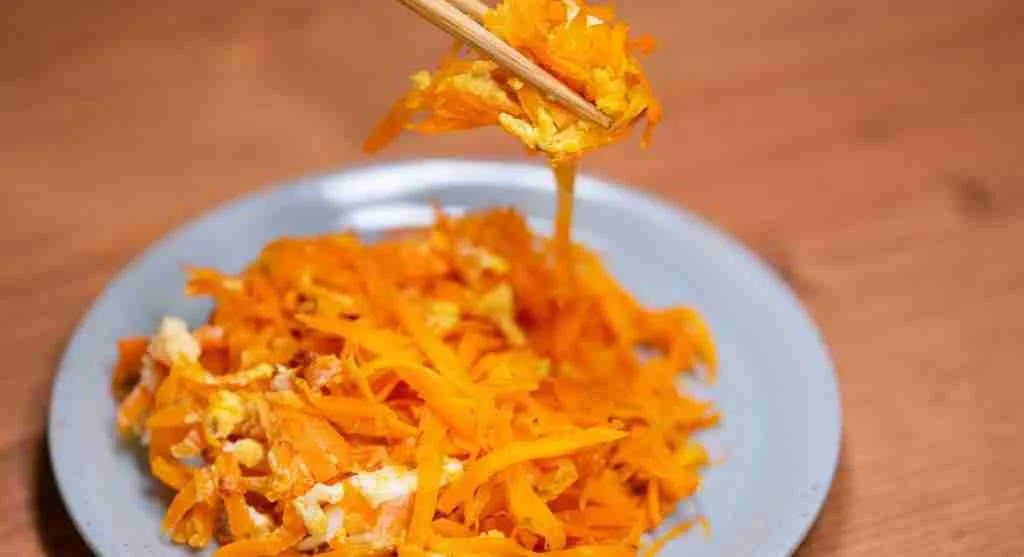
Shredded carrots spread through a meal much more easily. They mix into dressings, salads, wraps, and grain mixtures without demanding much space. This makes them helpful when the cook wants carrots to contribute freshness and color without creating larger interruptions in the texture of the dish.
Shredded carrots often work well in meals that need soft contrast rather than firm contrast. They are not as strong at creating sharp bites, but they are very good at making the whole meal feel more alive and less heavy. This is why they often appear in bowls and salads that need more lift rather than more crunch.
Why shredded carrots often seem sweeter
Many people notice that shredded carrots can seem slightly sweeter than sliced carrots in the same dish. Part of this comes from how they spread through the meal. Because there are more small pieces across more bites, the sweetness may feel more evenly distributed. The carrot stops acting like a single crisp piece and starts acting like a flavor woven through the bowl.
This does not necessarily mean the carrot itself has changed. It means the way the eater experiences it has changed. Food writers often point out that distribution affects perception as much as flavor does, and carrots are a clear example of that idea.
Why sliced carrots often make meals feel fresher
A sliced carrot usually keeps more snap and separation, which can make a meal feel cleaner and more structured. In simple lunches, that sharper texture often brings freshness without needing another special ingredient. This is especially useful in meals built from grains, beans, yogurt sauces, eggs, or roasted vegetables that already lean soft or warm.
Fresh ingredient specialists often describe sliced vegetables as “visible freshness.” They do not disappear into the dish. They announce themselves in each bite, which can help a meal feel more energetic and more balanced.
Which kind works better in wraps and sandwiches?
In wraps and sandwiches, shredded carrots often fit more easily because they spread out without breaking the structure of the filling. They settle into soft ingredients and make the interior feel lighter. Sliced carrots can still work, but they often create bigger interruptions in the bite, which may or may not be what the meal needs.
Home cooking teachers often explain that wraps usually benefit from ingredients that layer well rather than ingredients that fight for space. This is one reason shredded carrots are so common in quick lunch builds. They add freshness without making the wrap harder to close or eat.
Which kind works better in bowls and composed plates?
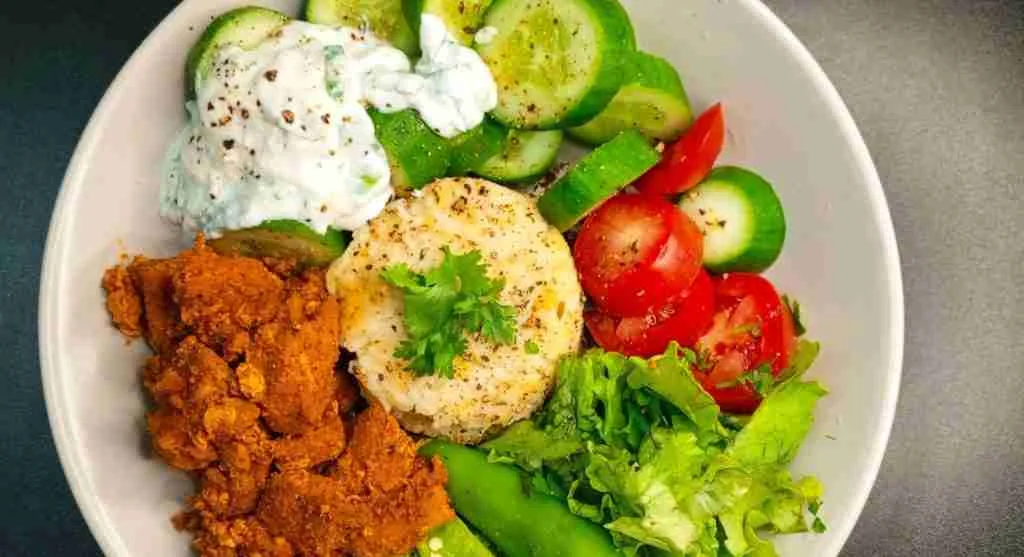
Bowls and composed plates often benefit more from sliced carrots because the carrot can keep its own identity and create stronger contrast against softer grains or beans. On a plate where ingredients are meant to stay more distinct, slices usually do more work. They can act almost like a fresh topping rather than a background ingredient.
Meal planning educators often note that bowls are strongest when each ingredient has a clear role. Sliced carrots are better at playing a visible role, while shredded carrots are better at blending through the structure of the meal.
Why moisture changes too
Shredded carrots often release themselves into a dish more quickly, which can slightly change how dressings, yogurt-based sauces, or grain mixtures feel. Sliced carrots tend to keep their moisture more within each piece. This is one reason shredded carrots often make a salad feel more integrated, while sliced carrots keep more separation between ingredients.
This difference can be useful. A meal that feels too dry may benefit from shredded carrots. A meal that already has enough softness may be stronger with slices that hold themselves together more clearly.
How can home cooks decide which cut to use?
The simplest question is this: should the carrot blend in or stand out? If the meal needs a carrot that spreads freshness through every bite, shredding often works better. If the meal needs a vegetable that creates more visible crunch and shape, slicing is usually the stronger choice.
Cooking instructors often encourage home cooks to think less about the vegetable in isolation and more about what the whole meal still needs. That shift makes ingredient choices feel much smarter, even in very simple dishes.
Frequently Asked Questions
Q: Are shredded carrots healthier than sliced carrots?
A: They are the same vegetable. The main difference is how they affect texture, moisture, and how the carrot is experienced in the meal.
Q: Why do shredded carrots seem softer in salads?
A: They spread more quickly through the bowl and mix more easily with dressing and other ingredients, so they feel less separate and more integrated.
Q: When are sliced carrots the better choice?
A: Sliced carrots are often better when the meal needs visible crunch, stronger shape, and a more distinct fresh element.
Q: Can both types be used in the same kind of meal?
A: Yes. The choice depends on whether the cook wants the carrots to blend into the dish or stand out more clearly.
Key Takeaway
Shredded carrots vs sliced carrots is really a question of role. Shredded carrots blend through a meal and quietly change its texture and freshness. Sliced carrots stand out more and give the plate stronger structure and clearer crunch. Knowing that difference helps home cooks use the same ingredient in much smarter ways. In everyday meals, the cut can matter almost as much as the vegetable itself.