Which vegetables work well in a guide to blanching vegetables?
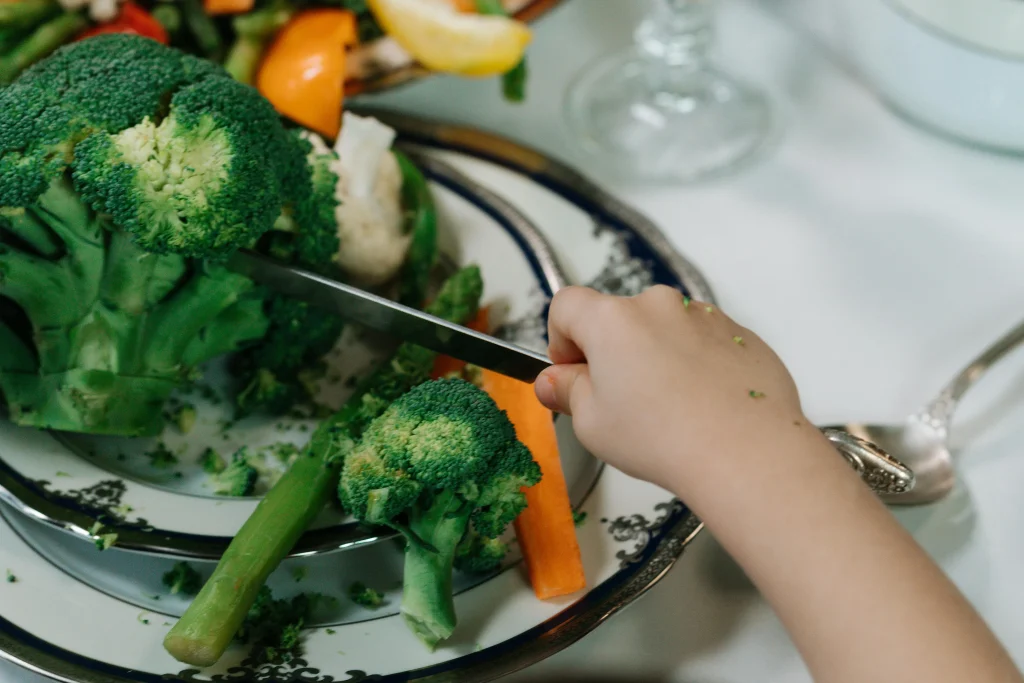
Many green vegetables respond especially well to blanching. A brief exposure to heat can brighten their color while keeping some of their natural structure intact. Green beans, broccoli, peas, asparagus, and leafy greens are common choices. Other vegetables can also be blanched, but the timing and purpose may vary depending on their texture and how they’ll be used.
Fresh ingredient educators often point out that denser vegetables usually need a bit more time than delicate greens. For that reason, it’s often easier to blanch similar vegetables together rather than mixing different types in one batch. Grouping by texture and density helps keep timing more predictable and results more consistent.
How should vegetables be prepared before blanching?
Preparation should be done before the water even comes to a boil. Vegetables should be washed, trimmed, and cut into fairly even pieces so they cook at the same rate. Uneven sizes can lead to mixed results, with some pieces staying too firm while others soften too much.
Kitchen educators often suggest setting up both the boiling pot and a bowl of cold water ahead of time. Blanching happens quickly, so having everything ready allows the vegetables to move smoothly from one step to the next. A little preparation upfront helps the process stay simple and controlled.
Why is the cold-water step so important?
The cooling step is what stops the cooking process. Without it, the heat inside the vegetables continues to soften them even after they’ve been removed from the pot. This can quickly lead to overcooking, especially with more delicate vegetables.
Food science educators often explain that this is what separates blanching from basic boiling. The short heat exposure starts the process, but the quick cooling helps preserve the texture and color you’re aiming for.
How can blanched vegetables be used later?
Blanched vegetables are versatile and easy to use in a variety of dishes. They work well in salads, quick sautés, stir-fries, soups, and grain bowls. Since they’re already partially cooked, they usually need less time in the final dish, which can make meal prep faster and more flexible.
Meal planning educators often recommend blanching vegetables ahead of time when preparing for the week. This allows them to be used across multiple meals, turning a simple technique into a practical time-saving habit.
What common mistakes affect blanching?
One of the most common mistakes is leaving vegetables in boiling water too long. Another is skipping the cooling step and assuming that removing them from the pot is enough. Overcrowding the pot can also affect results, as too many vegetables at once can lower the water temperature and lead to uneven cooking.
Cooking teachers often suggest working in smaller batches if needed. This helps maintain consistent heat and gives each piece a better chance to cook evenly. Like many simple techniques, blanching works best when it’s done with a bit of care rather than rushed.
How can home cooks make blanching feel easier?
A simple way to think about blanching is in three steps: prepare first, boil briefly, then cool quickly. Seeing it as a short prep step rather than full cooking makes it easier to understand and apply.
Food educators often remind beginners that blanching is about control. It gives vegetables a small head start, helping with color, texture, and timing later on. For everyday cooking, that can make meals easier to manage without adding much extra effort.