Learning how to steam vegetables is one of the most useful cooking basics for everyday meals. Steaming can keep vegetables tender, colorful, and lighter than some other cooking methods. It also works well for simple side dishes, grain bowls, quick lunches, and meal prep. For home cooks, the method is practical because it depends more on timing and attention than on complicated ingredients.
Cooking instructors often explain that steaming is not only about softness. Good steamed vegetables should still have shape, clean flavor, and a texture that feels lively rather than dull. Food educators also note that steaming can highlight the natural taste of vegetables, which means timing matters even more than many people expect.
Why does how to steam vegetables matter in cooking basics?
Steaming is often treated as a simple backup method, but it can shape the quality of a meal in important ways. Vegetables that are steamed too long may lose their color, become waterlogged, and taste flat. Vegetables that are steamed carefully can stay brighter and work better in bowls, side dishes, and lighter dinners.
Home cooking teachers often describe steaming as a method that rewards restraint. The goal is usually to cook vegetables just enough. This helps preserve texture and keeps them from turning limp before they even reach the plate.
What equipment works best for how to steam vegetables?
A pot with a lid and a steaming basket is one of the easiest setups. The main idea is to keep the vegetables above the water rather than sitting in it. Steam should do the cooking, while the water below creates the heat and moisture needed for the process.
Cooking educators often remind beginners that the water level matters. If the water touches the vegetables directly, the result may move closer to boiling than steaming. That can change the texture and sometimes weaken the clean flavor many home cooks want from steamed vegetables.
A fitted lid is also useful because it traps steam and keeps the heat more stable. Without a good lid, steam escapes too quickly and the cooking process becomes less even. This can make timing harder to judge, especially with tender vegetables.
Credit: Ahimsa – OM / Pexels
How to steam vegetables step by step
Start by washing and cutting the vegetables into pieces that are close in size. Similar sizing helps them cook more evenly. Bring the water below the basket to a steady simmer, then add the vegetables and cover the pot. The lid should stay on most of the time so the steam can do its work efficiently.
As the vegetables cook, color and texture begin to change. Greens may brighten quickly, while denser vegetables usually take longer. Cooking teachers often recommend checking the vegetables before assuming they need more time. A fork or knife can help test tenderness, but the goal is usually not complete softness.
Once the vegetables reach the desired texture, they should be removed promptly. Leaving them in the covered setup after the heat is off can continue the cooking and push them past their best point. This is one of the easiest ways to lose both color and texture without noticing it right away.
How does vegetable type affect steaming time?
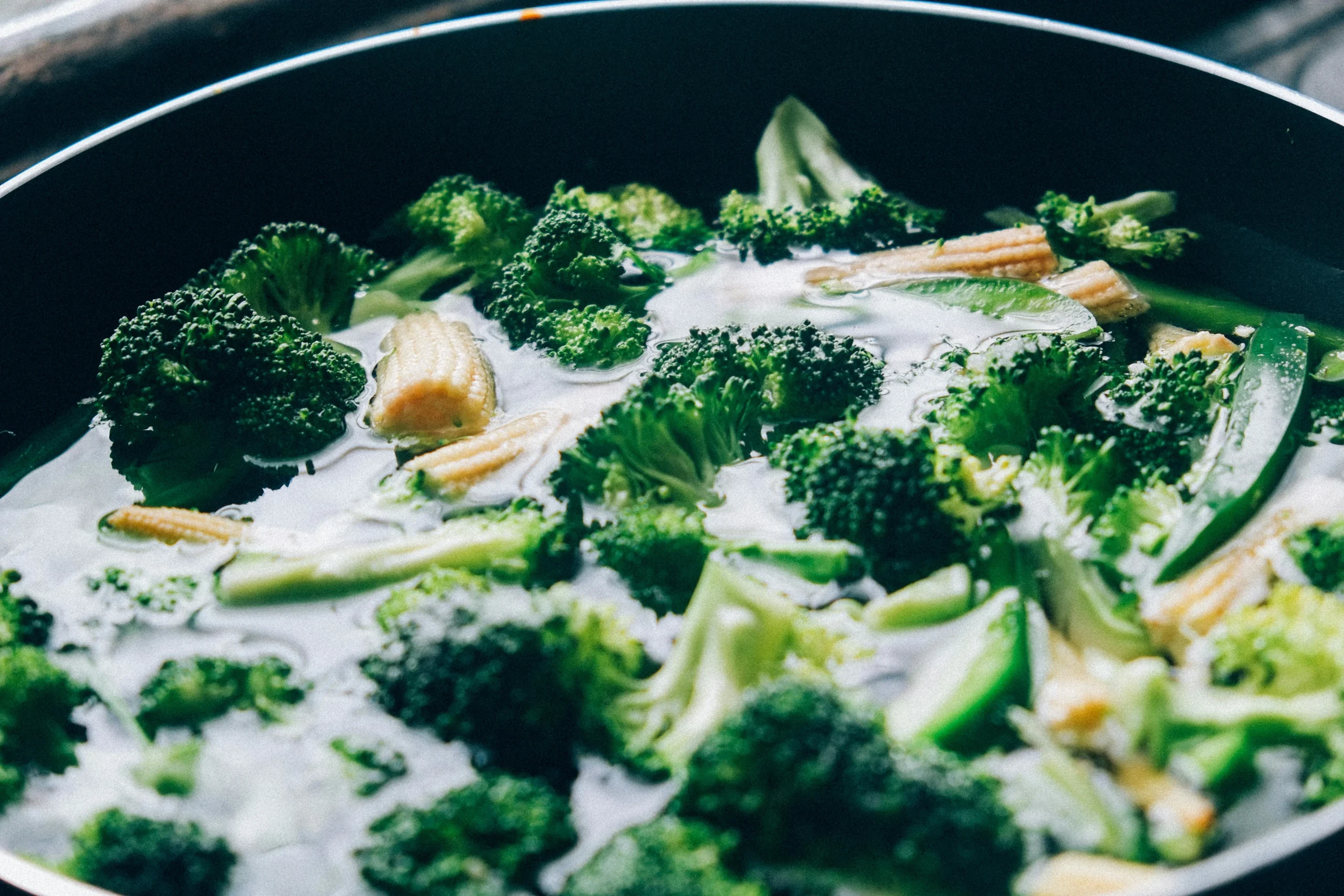
Not all vegetables respond to steam in the same way. Tender vegetables such as spinach, green beans, peas, or broccoli florets may need only a short time. Denser vegetables like carrots or thicker pieces of cauliflower often need longer. This is why home cooks often get better results by grouping vegetables with similar texture and density.
Food educators often explain that mixed vegetable steaming can work well if the cooking order is planned. Faster-cooking vegetables may need to be added later, while slower ones can get a head start. This keeps the final dish more balanced and reduces the chance that one vegetable becomes too soft while another stays too firm.
What common mistakes affect steamed vegetables?
One common mistake is using too much water. Steaming depends on water below the vegetables, not around them. Another issue is crowding the basket. If the vegetables are packed too tightly, steam may not move evenly and some areas may cook faster than others.
Overcooking is another frequent problem. Because vegetables can look harmless while steaming, it is easy to give them too much time. Food instructors often warn that a minute or two can make a big difference, especially with tender vegetables that move quickly from crisp-tender to limp.
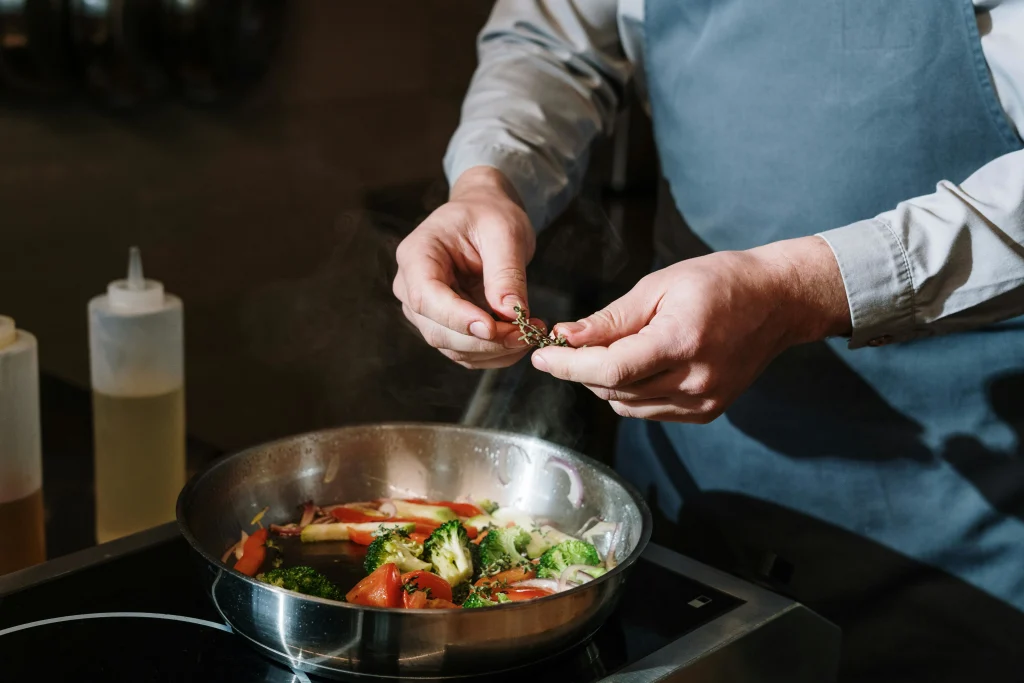
Skipping the finishing step can also weaken the result. Steamed vegetables often benefit from a small final touch such as herbs, citrus, or a modest seasoning. Without that, they may taste plain even when the texture is correct.
Should steamed vegetables be finished after cooking?
Yes, in many cases they should. Steaming gives vegetables a gentle base, but the final flavor often improves with a small finish. A little seasoning, fresh herbs, citrus juice, or a light sauce can help the vegetables feel more complete without making them heavy.
Cooking professionals often describe steamed vegetables as a flexible base rather than a finished idea. This means the method provides texture and structure, while the final additions shape the overall direction of the dish. For home cooks, this can make steaming feel much more useful across different meals.
How can home cooks use steamed vegetables in more than one meal?
Steamed vegetables are easy to move into rice bowls, simple pasta dishes, soups, and quick lunches. They can also work as side dishes beside grains or eggs. Meal planning educators often recommend steaming vegetables that can be used in more than one way because it spreads effort across multiple meals.
This flexibility also helps reduce waste. A batch of steamed vegetables does not need to stay in one form. They can be served warm the first day, then folded into another dish later if handled well and used in time. That makes steaming practical for busy kitchens.
Credit: cottonbro studio / Pexels
Frequently Asked Questions
Q: What is the biggest mistake when learning how to steam vegetables?
A: Overcooking is one of the biggest mistakes. It can cause vegetables to lose color, texture, and freshness very quickly.
Q: Should vegetables touch the water while steaming?
A: No. In most steaming setups, the vegetables should sit above the water so the steam does the cooking instead of direct boiling water.
Q: Can different vegetables be steamed together?
A: Yes, but it helps to group vegetables with similar cooking times. Tender vegetables may need less time than denser ones.
Q: Do steamed vegetables need seasoning after cooking?
A: Often they do. A small finishing touch such as herbs, citrus, or light seasoning can make them taste more balanced and complete.
Key Takeaway
Learning how to steam vegetables helps home cooks keep meals lighter, brighter, and more practical. The best results usually come from proper setup, careful timing, and removing the vegetables as soon as they reach the right texture. A simple finishing touch can also make steamed vegetables feel more complete. For everyday cooking, steaming is one of the most useful basics to learn well.
[INTERNAL LINKING SUGGESTIONS]
- How to Sauté Onions for Better Flavor in Everyday Cooking
- 7 Roasted Vegetable Mistakes That Can Ruin Flavor and Texture
- 7 Rice Bowl Meals That Make Busy Weeknights Easier