
Learning how to pick fresh lemons can make a noticeable difference in everyday cooking. Even though lemons are often used in small amounts, they can quickly brighten soups, pasta, salads, grain bowls, roasted vegetables, and simple sauces. When the fruit is fresh, the juice tastes cleaner, the zest has a stronger aroma, and the final dish feels more balanced.
Fresh ingredient educators often explain that citrus is one of the easiest ways to sharpen flavor without adding heaviness. Still, not every lemon delivers the same result. Factors like texture, weight, skin condition, and storage all affect how useful the fruit will be once you bring it home.
Why Does Knowing How to Pick Fresh Lemons Matter So Much?
Lemons are often used as finishing ingredients, which means their flavor stands out immediately. A dry lemon with little juice or weak aroma can leave a dish tasting flat, even if everything else is done well. A fresh lemon, on the other hand, can lift simple food with very little effort.
Cooking instructors often point out that ingredient quality matters most when it’s not hidden. Since lemon juice and zest are usually added at the end, their freshness has a direct impact on the final taste.
What Should Home Cooks Look For When Learning How to Pick Fresh Lemons?
Weight is one of the most practical indicators. A lemon that feels heavy for its size is more likely to be full of juice, while a lighter one may be drier. It’s not a perfect rule, but it’s a reliable starting point when choosing fruit.
The skin is another important clue. Fresh lemons usually look bright and smooth rather than dull, wrinkled, or dry. Minor surface marks are normal, but deep soft spots can signal that the fruit is starting to lose quality. Fresh ingredient specialists often suggest choosing lemons with clean, healthy-looking skin.
Texture also helps guide the choice. A good lemon should feel firm but still have a slight give. If it feels overly soft in certain areas, it may be past its best. If it feels very hard and rigid, it may not have much juice inside.

Credit: Jack Sparrow / pexels
How Does Smell Help When Deciding How to Pick Fresh Lemons?
Smell is one of the quickest ways to judge freshness. A good lemon usually gives off a clean, bright citrus scent, especially when the skin is rubbed lightly. If the aroma feels faint or dull, the fruit may already be past its peak.
Food educators often explain that scent reflects the quality of the oils in the peel. This matters most when using zest, since aroma plays a big role in flavor. A fragrant lemon can noticeably improve dressings, pasta finishes, baked goods, and simple savory dishes.
Does the Look of the Peel Affect How Useful the Lemon Will Be?
Yes—especially when zest is part of the recipe. A smooth, healthy-looking peel provides better zest, since that outer layer is where the most aromatic oils are found. Lemons with deep damage, heavy drying, or rough skin may not offer the same quality.
Culinary instructors often point out that juice and zest serve different purposes. Juice brings acidity, while zest adds depth and fragrance. A lemon with a good peel can therefore be more valuable in the kitchen than one chosen only for its size or color.
How Should Lemons Be Stored After Buying Them?
Storage affects how long lemons stay fresh and how easy they are to use. Keeping them at room temperature works well if they’ll be used soon, but for longer storage, a cooler environment helps preserve quality.
Fresh ingredient specialists often recommend checking lemons regularly after purchase. If they start to soften, it’s best to use them quickly before they decline further. This is especially helpful when buying several lemons for use across multiple meals.
It also helps to buy only what you can use within a reasonable time. A smaller number of fresh lemons with a clear plan is often more practical than storing too many for too long.
How Can Cooking With Lemons Reduce Food Waste?
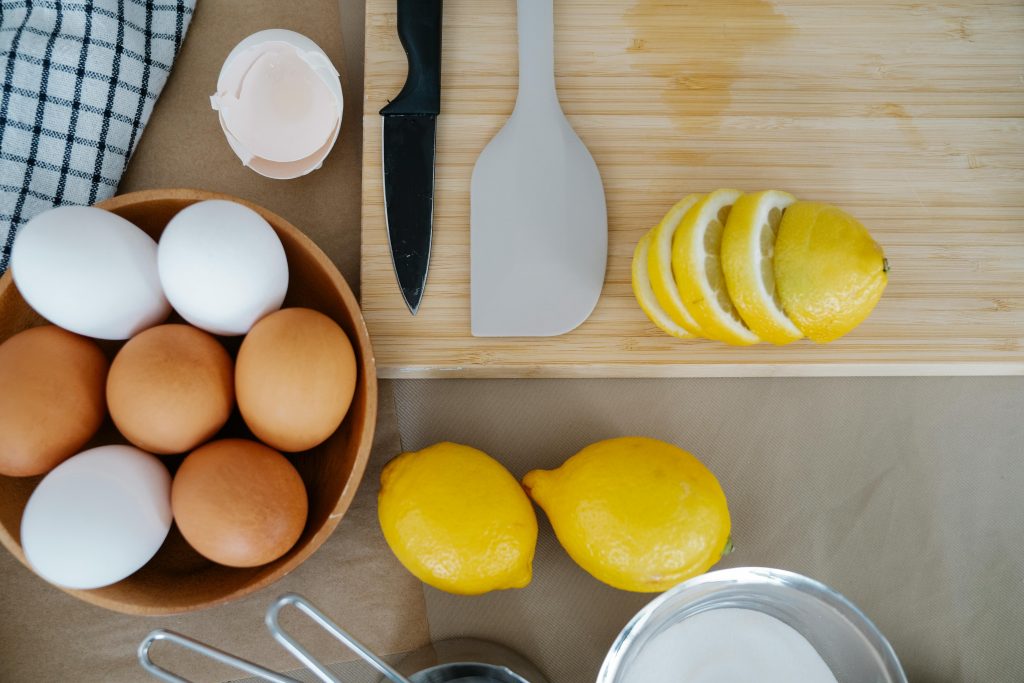
Lemons are useful because nearly every part can be used. The juice works well in dressings, soups, sauces, and grain dishes, while the zest adds brightness to pasta, roasted vegetables, yogurt-based sauces, and baked goods.
Meal planning educators often suggest thinking across meals. One lemon can contribute to several dishes over a few days—a dressing one day, a soup the next, and a grain bowl later on. Using both juice and zest helps get the most value from each fruit while reducing waste.
Credit: Felicity Tai / pexels
When Should Lemons Be Added During Cooking?
Timing can make a big difference in how lemons affect a dish. In many cases, lemon juice is best added near the end of cooking so its fresh, bright flavor stays noticeable. Zest is also often used at the end or during finishing stages, especially when the goal is to keep the citrus aroma clear and lively.
Cooking teachers often explain that extended heat can soften or dull some of the sharper citrus notes. For home cooks, this means a small amount added late can sometimes have more impact than a larger amount added earlier. Paying attention to timing helps lemons work more effectively, even in simple meals.
How to Pick Fresh Lemons Without Overbuying
A practical approach is to buy lemons based on actual meal plans rather than habit. If only one or two dishes need them, it usually makes more sense to purchase a small amount instead of stocking up.
Fresh ingredients tend to work best when they have a clear purpose. A couple of well-chosen lemons can support several meals when used thoughtfully. Buying more than needed, on the other hand, often leads to unused fruit and unnecessary waste.
Frequently Asked Questions
Q: What is the easiest way to tell if a lemon is fresh?
A: A fresh lemon often feels heavy for its size and has firm, healthy-looking skin. A clean citrus smell can also be a useful sign.
Q: Are softer lemons always bad?
A: Not always, but very soft areas can suggest the fruit is past its best. Slight softness may simply mean it should be used soon.
Q: Does peel quality matter if only the juice is needed?
A: It matters less for juice alone, but healthy skin still often suggests better overall freshness. If zest will be used, peel quality becomes much more important.
Q: Can lemons improve simple meals that do not seem citrus-based?
A: Yes. Lemon can brighten soups, roasted vegetables, grains, pasta, and salads even when it is not the main flavor.
Key Takeaway
[INTERNAL LINKING SUGGESTIONS]
- How to Choose Fresh Herbs for Better Flavor in Everyday Cooking
- 6 Summer Tomato Recipes That Keep Cooking Simple and Fresh
- 8 Cooking Tips That Can Help Soups Taste More Balanced