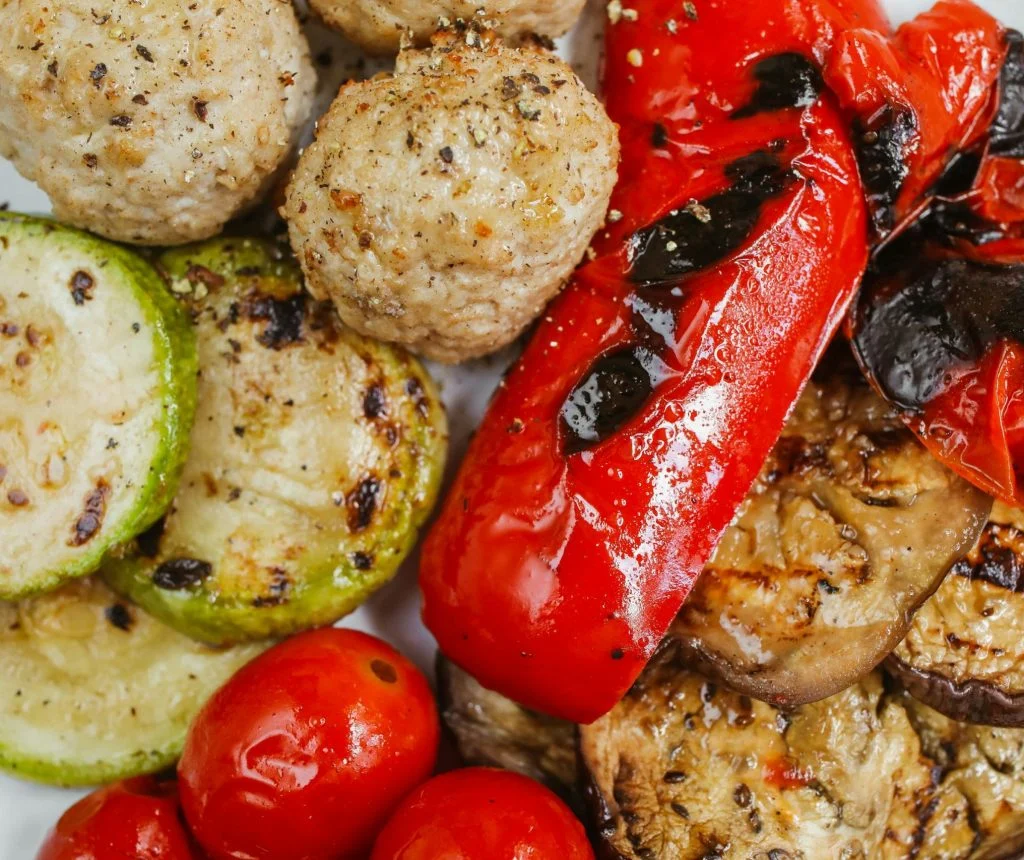
Roasted vegetable mistakes are common because roasting often looks like one of the easiest kitchen methods. Vegetables go onto a tray, into the oven, and seem almost ready to take care of themselves. But even simple roasted vegetables can turn soft, pale, dry, crowded, or uneven when timing, tray space, and ingredient handling are not managed well. For home cooks, a few small mistakes can change the whole dinner.
Cooking instructors often explain that roasting is not only about putting vegetables under heat. It is also about encouraging good texture, better color, and deeper flavor without losing the identity of the ingredient. Food educators also note that roasted vegetables are often used in bowls, sides, soups, and pasta dishes, so the final texture matters more than many people first expect.
Why do roasted vegetable mistakes happen so often?
Roasting feels simple because the oven does much of the work. That convenience is one of its strengths, but it can also make home cooks less attentive to small details. If the tray is crowded, the cuts are uneven, or the vegetables are pulled too early or too late, the final result may feel weaker than expected even with good ingredients.
Home cooking teachers often say that roasting rewards good setup more than complicated technique. A thoughtful tray often produces stronger vegetables than a rushed tray with more ingredients and less planning.
1. Crowding the tray is one of the biggest roasted vegetable mistakes
When too many vegetables are pressed together, they often trap moisture instead of roasting with better color and texture. The result can feel softer and less lively than the cook intended. Even a well-heated oven cannot always fix a tray that never had enough room to begin with.
Food educators often remind home cooks that roasted vegetables need space if the goal is stronger texture. If the tray is packed too tightly, the vegetables may move toward steaming instead of roasting.
2. Cutting vegetables in very uneven sizes can create a weak result
If some pieces are tiny while others are much larger, they rarely finish roasting in a balanced way. Smaller pieces may dry out or darken too quickly, while larger ones stay firmer than intended. This can make the tray feel inconsistent even when the overall flavor is acceptable.
Cooking instructors often explain that even cuts are not only about appearance. They help vegetables roast at a more similar rate, which makes the whole tray easier to control from start to finish.
3. Roasted vegetable mistakes often begin when watery vegetables are handled like dry ones
Some vegetables naturally release more moisture than others. If high-moisture vegetables are roasted without much thought, they can soften the tray and reduce the deeper texture the cook wanted. This does not mean watery vegetables should be avoided. It means they often need more careful handling or pairing.
Fresh ingredient educators often note that different vegetables respond differently to roasting. A tray becomes stronger when the cook thinks about those differences rather than treating every vegetable exactly the same way.
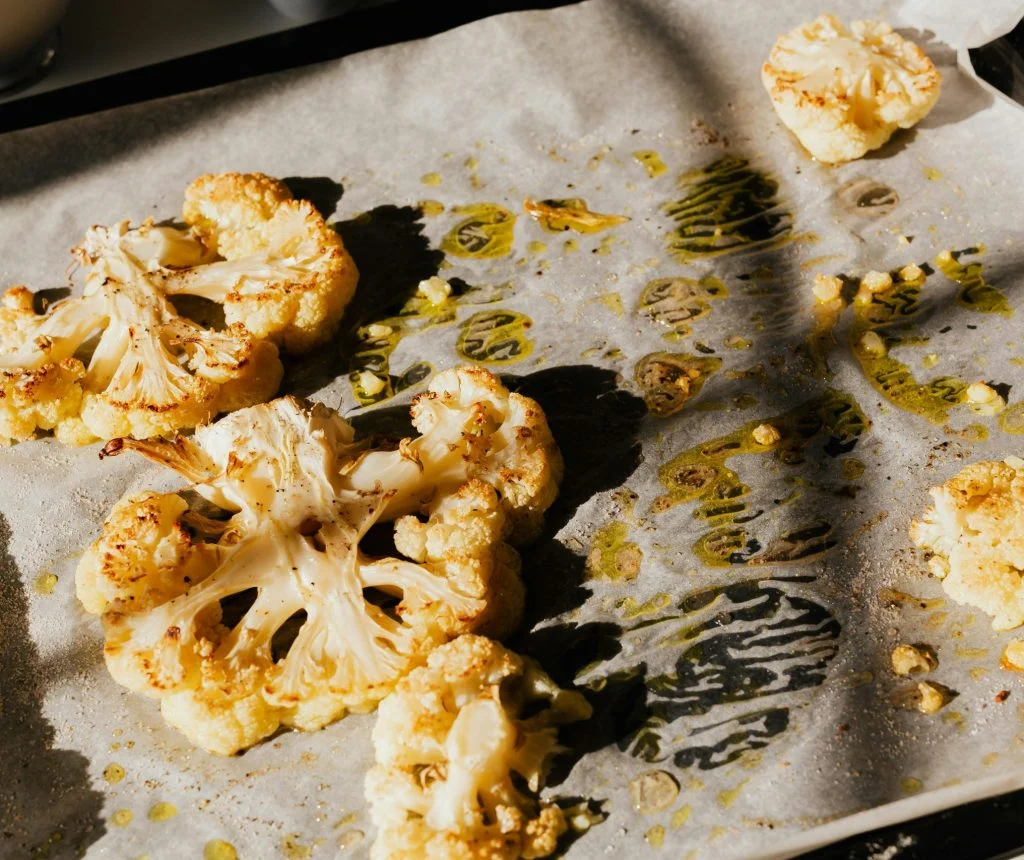
4. Pulling vegetables too early can leave flavor underdeveloped
Some home cooks remove vegetables from the oven as soon as they are technically cooked through. But vegetables often need enough time to develop stronger color and deeper flavor. If they come out too soon, the tray may taste flatter and less complete than expected.
Cooking teachers often explain that roasting is partly about developing character, not only softening the food. The vegetables should usually feel ready both in texture and in flavor.
5. Leaving vegetables in too long can make them dry instead of better
Longer roasting is not always the answer. Some vegetables improve with time, but others move past their best point and start drying out or becoming too dark in an unpleasant way. This is one reason roasted vegetables sometimes taste tired rather than rich.
Food writers often explain that better roasting depends on stopping at the point where flavor and texture meet well. Once that point is missed, the tray may feel less balanced even if the vegetables still look impressive at first glance.
6. Forgetting that seasoning affects roasting is another common mistake
Roasted vegetables often need more than heat to feel complete. If seasoning is too light or handled without attention, the tray may still seem dull even when the vegetables have good color. The opposite problem can happen too, when heavy seasoning hides the natural flavor instead of supporting it.
Cooking instructors often remind home cooks that roasted vegetables should still taste like themselves. Seasoning works best when it helps the vegetable become clearer rather than covering it completely.
7. Using the same roasting approach for every vegetable can weaken dinner
Some vegetables benefit from stronger browning, while others are at their best when they stay a little firmer or lighter. If every vegetable is roasted in the same way without thinking about its texture, the tray may feel less thoughtful and less balanced. Roasting works best when the ingredient itself still guides the method.
Food educators often encourage home cooks to think about purpose as well as method. Vegetables meant for a bowl, soup, or side dish may need different roasting outcomes even if they start on the same tray.
8. Skipping a fresh finish can leave the whole tray feeling heavy
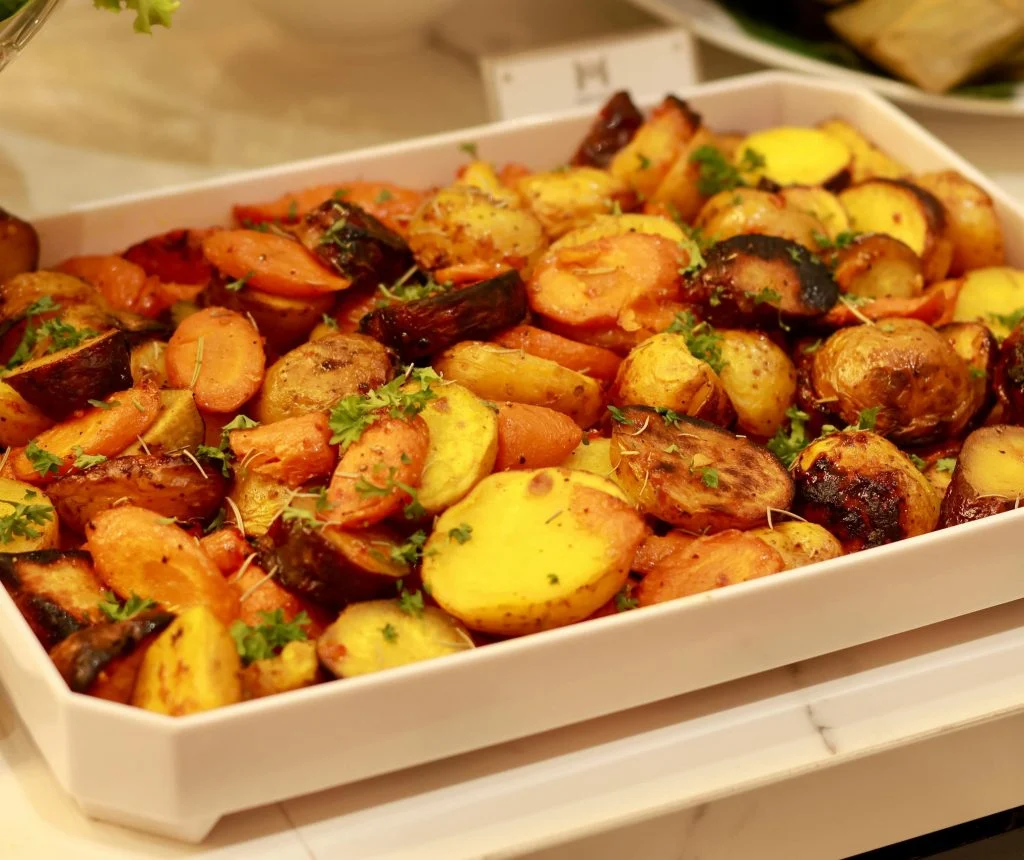
Roasted vegetables often benefit from one final element that adds contrast after all the oven heat. Herbs, citrus, yogurt, or another simple fresh finish can help the tray feel brighter and more complete. Without that final touch, dinner may seem softer and heavier than it really needs to be.
Fresh ingredient specialists often note that this last step matters because roasting naturally brings warmth and softness. A little freshness at the end helps bring the whole meal back into balance.
How can home cooks avoid roasted vegetable mistakes more easily?
The simplest approach is to cut vegetables more evenly, give them real space on the tray, think about moisture, and stop roasting when texture and flavor both feel right. A small fresh finish can then sharpen the whole result. These habits do not make roasting harder. They simply make the vegetables more reliable and more useful across many meals.
Food educators often remind cooks that better roasted vegetables usually come from setup and attention rather than from complicated ingredients. A calmer, better-planned tray often creates a much stronger dinner.
Frequently Asked Questions
Q: Why do roasted vegetables sometimes turn soft instead of browned?
A: This often happens when the tray is crowded or when watery vegetables release too much moisture without enough space to roast properly.
Q: Do vegetables need to be cut evenly before roasting?
A: In most cases, yes. More even cuts help the vegetables roast at a similar rate and reduce the chance of some drying out while others stay underdone.
Q: Can roasted vegetables still feel boring even when they look good?
A: Yes. A tray may still feel flat if it lacks good seasoning, clear texture, or one fresh finishing touch to balance the deeper roasted flavor.
Q: Why does a fresh finish help roasted vegetables?
A: Roasting adds warmth and softness, so a fresh finish such as herbs or citrus can help bring contrast and make the whole meal feel more balanced.
Key Takeaway
Roasted vegetable mistakes often come from crowding the tray, uneven cuts, ignoring moisture, or roasting without enough attention to timing and finishing. Because roasted vegetables appear in so many simple meals, these small issues can affect dinner more than many home cooks realize. Better roasting usually comes from better setup, clearer texture goals, and one fresh final touch. For everyday cooking, that can turn a basic tray into a much stronger meal.