
Learning how to cook lentils is one of the most useful cooking basics for everyday home meals. Lentils work well in soups, grain bowls, salads, side dishes, and simple lunch plates because they are practical, affordable, and easy to pair with vegetables, grains, herbs, and lighter sauces. Even so, lentils can still turn mushy, too firm, or uneven if timing and liquid are not handled with care.
Cooking instructors often explain that lentils are simple but not identical in every form. Food educators also note that the best lentil texture depends on the meal. Lentils meant for soup may be softer than lentils meant for a salad or grain bowl. For home cooks, understanding that difference can make the whole process much easier to manage.
Why does how to cook lentils matter in cooking basics?
Lentils are often treated as easy enough to cook without much thought, but that can lead to uneven results. A pot that goes too far may become soft and broken down, while a pot stopped too soon may feel firmer than the meal needs. Since lentils are used in many different kinds of dishes, texture matters more than many people first expect.
Home cooking teachers often remind beginners that lentils should be cooked for purpose, not only until they seem done in a general way. A softer finish can suit one dish very well, while a firmer finish may be much better in another. Matching the texture to the final meal is what makes lentils so useful.
What should home cooks know before learning how to cook lentils?
Not all lentils behave exactly the same way. Some hold their shape more easily, while others soften faster and become more tender in the pot. This is one reason home cooks can get very different results even when using a similar basic method. Knowing what kind of dish the lentils are meant for is often more helpful than trying to follow one single finish every time.
Food educators often suggest deciding whether the lentils will go into soup, a bowl, a side dish, or a salad before cooking begins. That decision shapes how soft or firm the final result should be. Once the goal is clear, it becomes easier to judge the pot as it cooks.
It also helps to check the lentils before cooking and rinse them well. Since lentils are small and practical pantry ingredients, they are easy to prepare, but a calm start still helps the final result feel more reliable.
How to cook lentils step by step
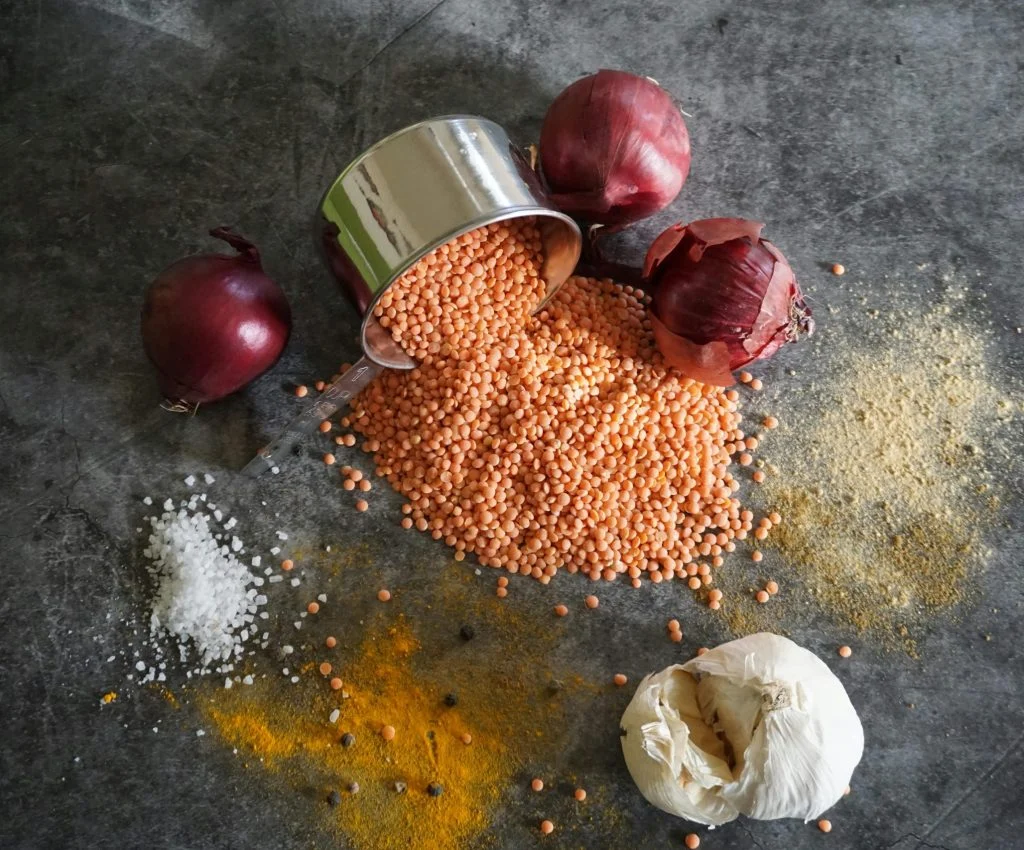
Start by rinsing the lentils and placing them in a pot with enough liquid to let them soften evenly. Bring the pot up to heat and then lower it to a steady simmer rather than a hard boil. This calmer cooking helps the lentils soften in a more controlled way.
As the lentils cook, they begin absorbing liquid and changing texture. Cooking teachers often recommend checking them as they near readiness instead of relying only on the clock. Since lentils can move from balanced to too soft fairly quickly near the end, tasting the texture is often the most useful guide.
Once the lentils reach the stage that fits the meal, they should be removed from the heat or drained if needed. In some dishes, they may also benefit from a short rest so the final texture settles a little more evenly before they are mixed with other ingredients.
Why does liquid balance matter so much when learning how to cook lentils?
Liquid is one of the main factors that shapes lentil texture. Too little can leave the lentils firmer than intended or uneven in the pot. Too much may not always ruin the lentils, but it can make the final handling less clear, especially when the goal is a more structured result for salads or bowls.
Food educators often explain that the right liquid balance depends partly on the dish. Lentils meant for soup can tolerate a softer and looser finish more easily, while lentils meant for salads usually benefit from enough structure to stay separate and distinct.
How does simmering affect lentil texture?
A rough boil can make lentils break down faster and can make the cook feel less in control of the final result. Lentils usually benefit from a steady simmer that allows them to soften more gently. This is especially useful when the goal is lentils that stay intact rather than turning overly soft.
Cooking instructors often note that calmer heat gives the cook more time to catch the right texture. This matters because lentils are often valued for how they hold a dish together without disappearing into it.
What common mistakes affect cooked lentils?
One common mistake is cooking all lentils as though they should end with the same texture. Another is ignoring the final use of the lentils and only checking whether they have softened in a general way. Some home cooks also leave lentils on the heat too long after they are nearly ready, which can turn a good pot into a softer one than intended.
Food educators often remind beginners that lentils are not difficult, but they do respond to attention. Tasting as they cook and thinking about the final meal are often the easiest ways to improve results without making the method more complicated.
How can cooked lentils be used in everyday meals?
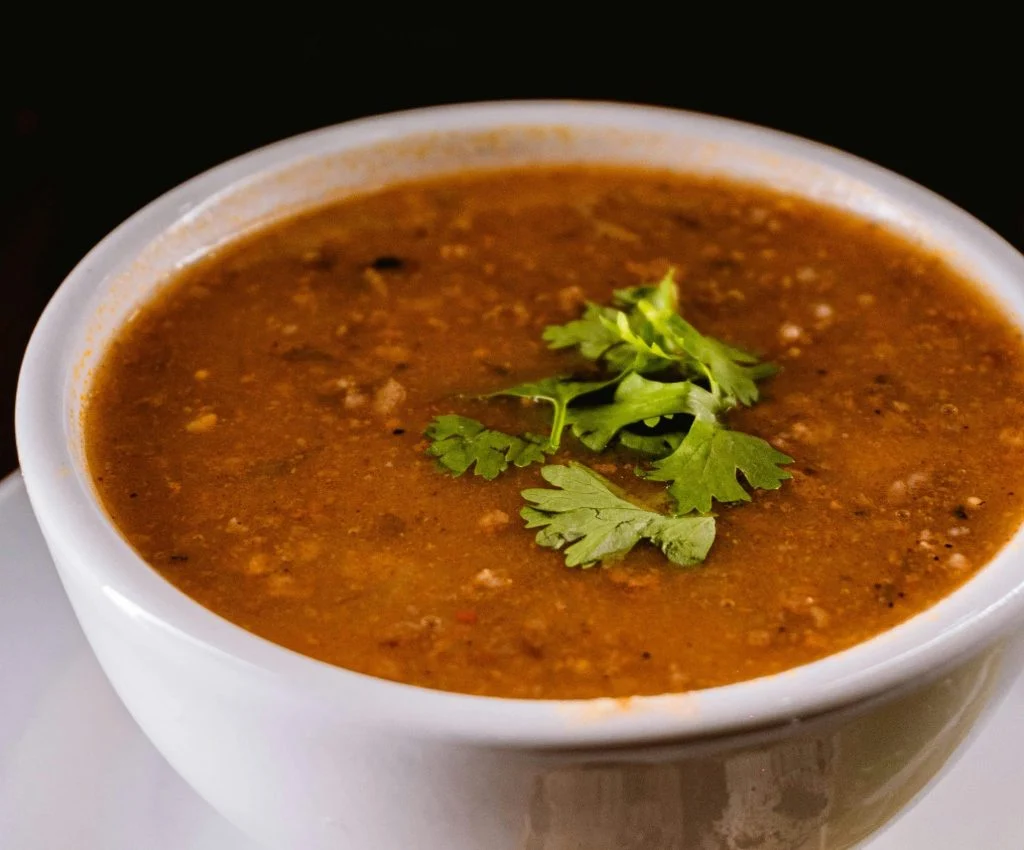
Cooked lentils work well in soups, grain bowls, salads, side dishes, and warm vegetable meals. They can support herbs, yogurt-based finishes, vinaigrettes, grains, and roasted vegetables with very little extra effort. This makes lentils one of the most flexible ingredients in a practical home kitchen.
Meal planning educators often recommend lentils because a single cooked batch can support more than one meal across the week. The same lentils may go into soup one day and into a lunch bowl or salad the next. That flexibility makes them especially useful for simple meal planning.
How can home cooks tell when lentils are ready?
The best guide is texture rather than time alone. Lentils should feel tender enough to suit the meal while still holding the degree of shape the dish needs. Since some dishes benefit from softer lentils and others do not, tasting is often more useful than searching for one universal finish.
Cooking teachers often explain that lentils become easier to cook well once the home cook stops expecting one single ideal result. The right texture is the one that supports the meal in front of it.
Frequently Asked Questions
Q: What is the most important part of learning how to cook lentils?
A: Texture is one of the most important parts. Lentils should be cooked to match the final dish, whether that means softer for soup or firmer for salads and bowls.
Q: Why do lentils sometimes turn mushy?
A: Lentils often turn mushy when they cook longer than the dish needs or when their final use was not considered before cooking began.
Q: Can lentils stay too firm?
A: Yes. Lentils may stay too firm when they need a little more time, steadier simmering, or enough liquid to soften properly.
Q: Are lentils good for meal prep?
A: Yes. Lentils work well in soups, bowls, salads, and side dishes, which makes them practical across several meals in the same week.
Key Takeaway
Learning how to cook lentils helps home cooks make more reliable soups, bowls, salads, and side dishes with one of the most practical everyday ingredients. The best results usually come from matching the lentil texture to the final meal, using steady simmering, and checking the pot as it cooks instead of relying only on time. Lentils are especially valuable because they can support many meals across the week. For everyday cooking basics, they are one of the most useful ingredients to understand well.