Many food facts about tomatoes are easy to miss because tomatoes are used so often that they can seem simple. They appear in salads, sandwiches, pasta dishes, grain bowls, soups, and quick sauces. Because they are familiar, many home cooks rely on habit instead of thinking about how ripeness, moisture, texture, and storage shape the final result. Those small details can change a meal more than people expect.
Food educators often explain that tomatoes are one of the clearest examples of how ingredient quality affects everyday cooking. A strong tomato can make a simple dish feel bright and complete, while a weak one can leave the same meal tasting watery or dull. For home cooks, understanding a few clear tomato facts can improve many dishes right away.
1. Not all tomatoes are best for the same type of meal
One of the most useful food facts about tomatoes is that different tomatoes suit different jobs. Some are better for slicing, some are easier to roast, and some work especially well in quick sauces or salad-style dishes. This does not mean one type is always better than another. It means the tomato should match the purpose of the meal.
Cooking instructors often remind home cooks that tomatoes should be chosen by use, not only by appearance. A tomato that works beautifully in a sandwich may not create the same result in a pasta sauce, and a tomato that shines raw may behave differently once heated.
2. Ripeness changes both flavor and texture
Many people think ripeness is only about sweetness, but it also affects structure. A tomato that is not ready may feel too firm and less flavorful, while one that has moved too far may become overly soft and watery. This is why tomatoes can be frustrating when they look fine at first but disappoint once cut.
Fresh ingredient educators often explain that the best tomato is not always the softest one. A useful tomato usually has enough ripeness to taste alive while still holding enough structure for the meal it is meant to support.
3. Tomatoes naturally contain a lot of water, and that affects many dishes
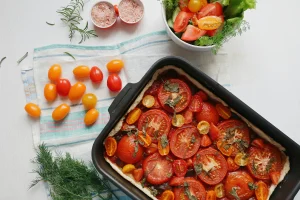
Tomatoes are often valued for freshness, but their moisture can also change a meal quickly. In salads, that water may thin the dressing. In sandwiches, it can soften the bread. In quick pasta dishes, it can loosen a light sauce more than expected. This is one reason tomatoes behave differently depending on when and how they are added.
Food educators often explain that moisture is not a flaw. It is part of what makes tomatoes useful. The key is understanding how that moisture will affect the rest of the ingredients. Timing often matters just as much as tomato quality itself.
Credit: Asya Vlasova / Pexels
4. Fresh tomatoes and cooked tomatoes should not be judged by the same rules
Raw tomatoes often bring brightness, firmness, and a fresh finish. Cooked tomatoes can become softer, deeper, and more blended into a dish. This is why a tomato that feels ordinary when eaten raw may still work well in a cooked meal, and why a tomato prized for slicing may not always be the best one for a sauce.
Cooking teachers often note that tomatoes change quickly under heat. The flavor can deepen, the structure can soften, and the water content can begin affecting the rest of the dish differently. For home cooks, that means fresh and cooked uses should be thought about separately.
5. Storage affects tomato flavor more than many people realize
Tomatoes do not stay the same once they come home from the store or market. Storage can affect both their texture and how much flavor they seem to hold. A tomato that is stored without much thought may become duller or less useful before the cook has a chance to use it well.
Fresh ingredient specialists often remind home cooks to keep checking tomatoes after buying them. Since they can move from firm to overly soft in a short time, timing their use can be just as important as choosing them carefully in the first place.
6. A tomato can look good on the outside and still disappoint inside
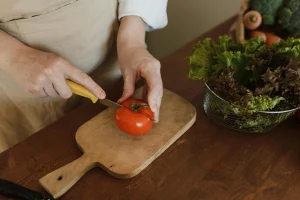
Appearance is helpful, but it does not guarantee the inside texture will be ideal. Some tomatoes cut beautifully and stay balanced, while others may reveal too much water, a mealy interior, or weaker structure once sliced. This is one reason home cooks sometimes feel confused after choosing tomatoes that seemed promising.
Food writers often explain that tomatoes are among the ingredients where smell, feel, and timing matter together. Looking only at color can miss other signs that the tomato may not behave as expected in the final dish.
7. Tomatoes work so well because they can bring both contrast and connection
One of the strongest tomato facts is that tomatoes do more than add flavor. They can brighten rich dishes, support herbs, soften the transition between raw and cooked ingredients, and add freshness to heavier meals. This is why they appear in so many kinds of cooking even when they are not the main feature.
Meal planning educators often describe tomatoes as bridge ingredients. They can stand out in a salad, support a sandwich, or help shape a quick sauce. That flexibility is what makes them one of the most useful ingredients in everyday home kitchens.
Credit: Arina Krasnikova / Pexels
Why do tomatoes confuse home cooks so often?
Tomatoes are common enough that many people assume they are simple in one fixed way. In reality, they are heavily affected by type, ripeness, storage, and how they are used. The same tomato can feel bright in one dish and weak in another, which is why they often create mixed results for everyday cooks.
Food educators often encourage home cooks to think about tomatoes by purpose rather than by appearance alone. Once that shift happens, tomatoes become easier to choose, store, and use with more confidence.
Frequently Asked Questions
Q: Do all tomatoes work the same way in cooking?
A: No. Different tomatoes often suit different uses, such as slicing, roasting, salads, or quick sauces. Matching the tomato to the meal usually improves the result.
Q: Why do tomatoes sometimes make salads or sandwiches watery?
A: Tomatoes naturally contain a lot of moisture. Softer tomatoes or early slicing can release more liquid and affect the rest of the dish.
Q: Is a softer tomato always a better tomato?
A: Not always. A tomato needs enough ripeness to taste good, but too much softness can weaken structure and make some meals less balanced.
Q: Can tomatoes be useful in both raw and cooked meals?
A: Yes. Tomatoes can work very well both raw and cooked, but they behave differently in each setting, which is why purpose matters.
Key Takeaway
These food facts about tomatoes show that type, ripeness, moisture, and storage all affect how tomatoes behave in everyday meals. Tomatoes may seem simple, but they can change salads, sandwiches, sauces, and grain dishes in noticeable ways. Understanding how they work in both raw and cooked settings helps home cooks make better choices from the start. For simple everyday cooking, better tomato knowledge often leads to much better results.